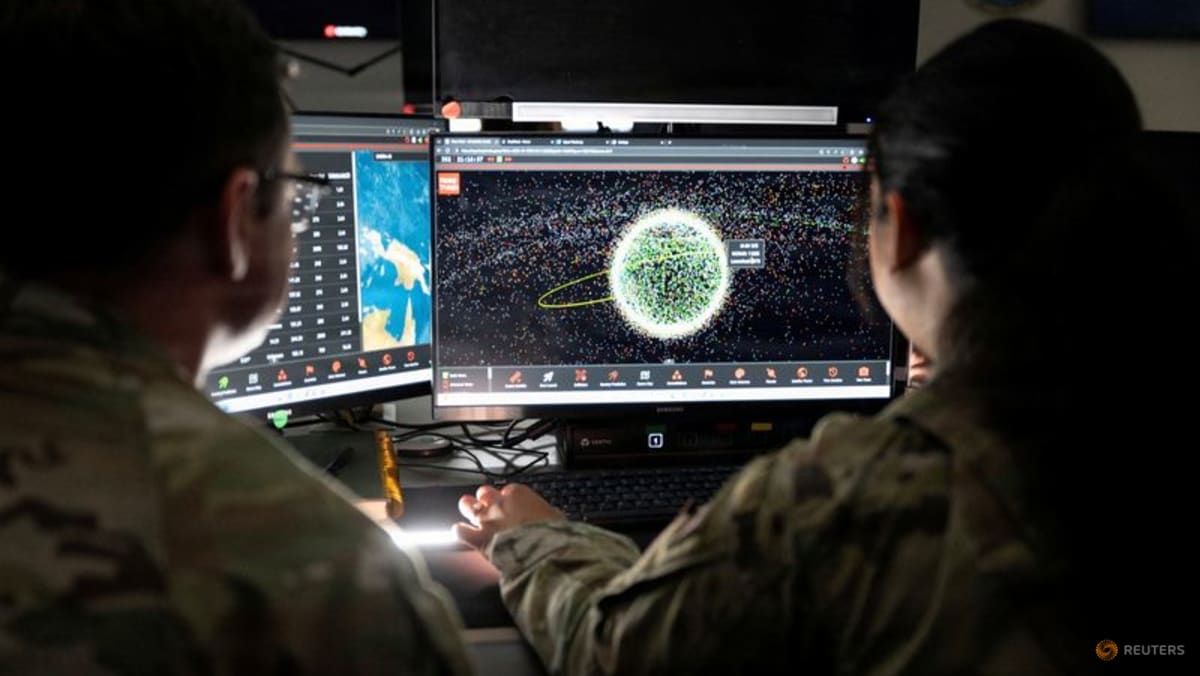
There's now a treaty obligation to de-orbit or move to graveyard orbit within x years after end of life. I believe 25 years. And there's various cleanup projects too.
Hi ytz. My recollection is that international arrangements for spacecraft end-of-life disposal have been in place for quite a long time.
I believe for Low Earth Orbit (LEO), there are de-orbit guideline dates back to the IADC guidelines of
2002, followed by the UN/COPUOS guidelines in
2007/2008. I believe for Geostationary Orbit (GEO), ITU-R Recommendation
dates to 1993 and covers moving end-of-life spacecraft into a graveyard orbit. Not all spacecraft operations organisations thou, sign up to follow the guidelines.
Before I retired, I worked on GEO spacecraft for almost 2 decades, and our flight dynamics team, in managing the spacecraft propellant budget, always maintained a reserve of propellant, that would be adequate at lifetime end to move the GEO spacecraft to a graveyard (and to 'pasifiy' the spacecraft if relevant to propellant). In the case of our spacecraft, it was the amount of propellant remaining that governed our spacecraft's life, and we watched consumption of that like a hawk, using station keeping thrusters sparingly and only if and as required to maintain spacecraft performance and stay within international guidelines (and within our orbit 'station'). We tried to keep our spacecraft operating as long as legally prudent.
I’m not aware of any brand-new treaty introducing these requirements, though. If you’re referring to some new or additional measures, I’d be interested to learn more.
My hope also, is there are clean up projects for outer space, as unfortunately at times spacecraft fail, can't be recovered, and they are a hazard in their specific orbit.



 www.scmp.com