• Thanks for stopping by. Logging in to a registered account will remove all generic ads. Please reach out with any questions or concerns.

Space Warfare

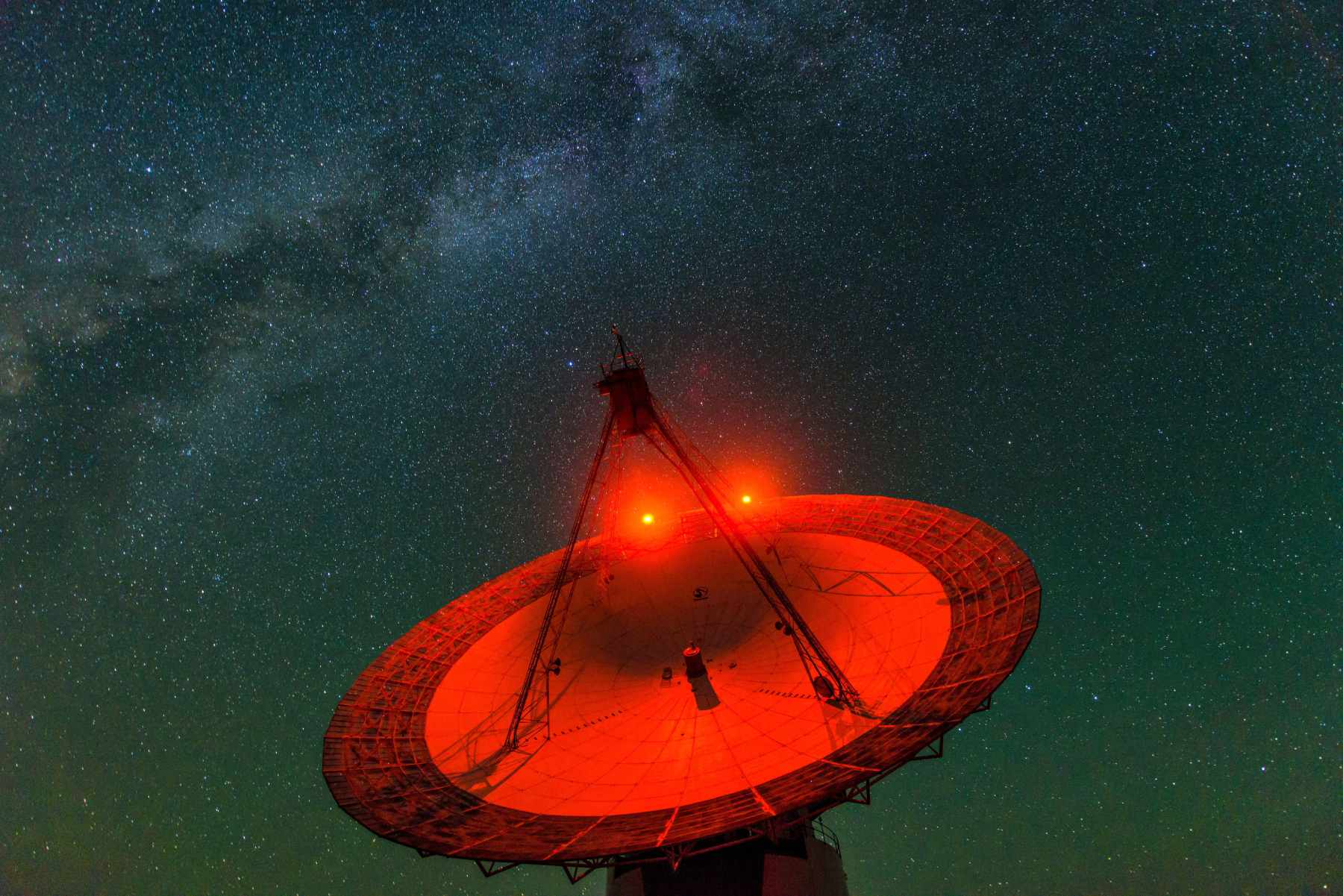
Repurposing a 1960s radio-telescope in Algonquin to track the field of space-stuff developing over our heads? Will we need a street sweeper to vacuum up all the junk?

That's a real fear actually , a major near peer conflict could render the orbitals useless for decades or more.
 
Vacuum isn't going to work in a vacuum. Obvs.
Magnets?
Could we magnetize the junk and get it to agglomerate into chunks too big to stay in orbit?
 
Vacuum isn't going to work in a vacuum. Obvs.
Magnets?
Could we magnetize the junk and get it to agglomerate into chunks too big to stay in orbit?

There's now a treaty obligation to de-orbit or move to graveyard orbit within x years after end of life. I believe 25 years. And there's various cleanup projects too.
 
There's now a treaty obligation to de-orbit or move to graveyard orbit within x years after end of life. I believe 25 years. And there's various cleanup projects too.

It is good to know there is a rule book in place.

Given recent developments with regards to rules, what is plan B? 😉
 
That's a real fear actually , a major near peer conflict could render the orbitals useless for decades or more.

Nah the real fear to space warfighters isn't an immediate run to Kessler syndrome. It's denying capabilities at the worst time. A lot of Space warfare is really just EW and Cyber. And the EW gets hardcore here:


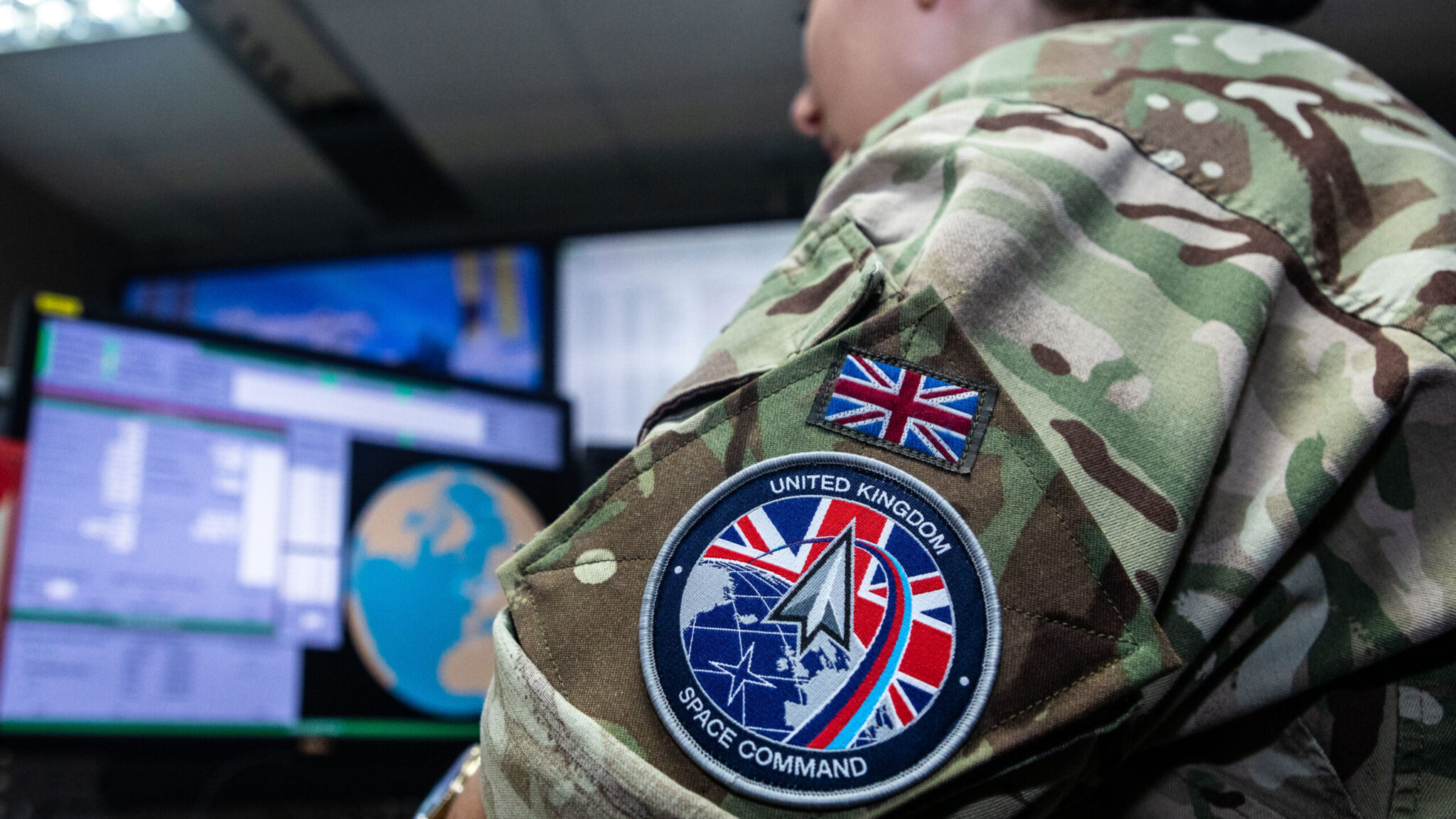
But on orbit there's everything from lasers to sprays. As we grow, there's some thought to what offensive capabilities we'll need to. On present trajectory, 3 CSD will outgrow the Canadian Space Agency inside 2035. So that should give you some idea how important this is to the government.
 
Nah the real fear to space warfighters isn't an immediate run to Kessler syndrome. It's denying capabilities at the worst time. A lot of Space warfare is really just EW and Cyber. And the EW gets hardcore here:


But on orbit there's everything from lasers to sprays. As we grow, there's some thought to what offensive capabilities we'll need to. On present trajectory, 3 CSD will outgrow the Canadian Space Agency inside 2035. So that should give you some idea how important this is to the government.


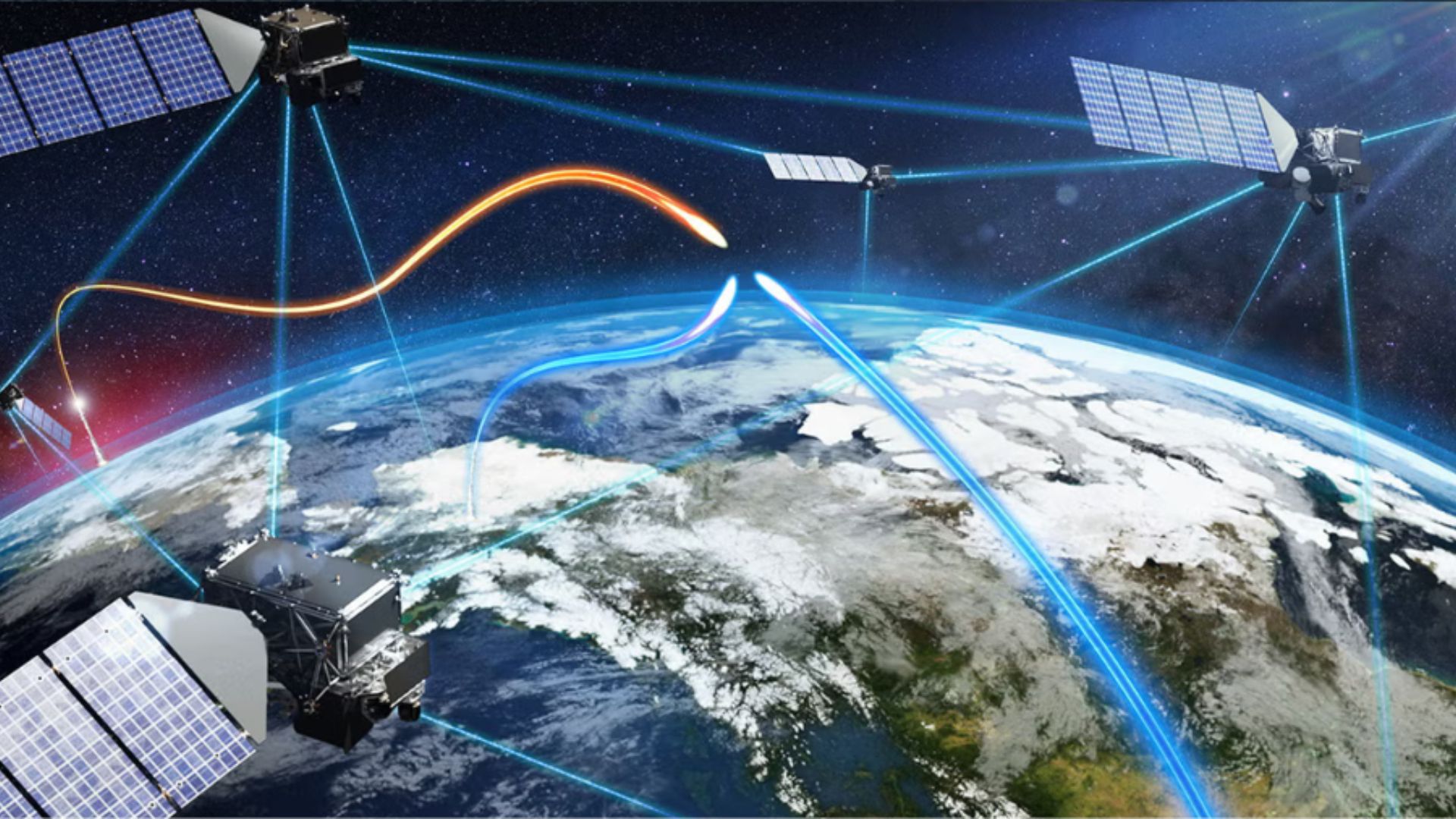
"(U.S.) Space Force has spent several months building out its idea of “orbital warfare” and now it has one of its first weapons.

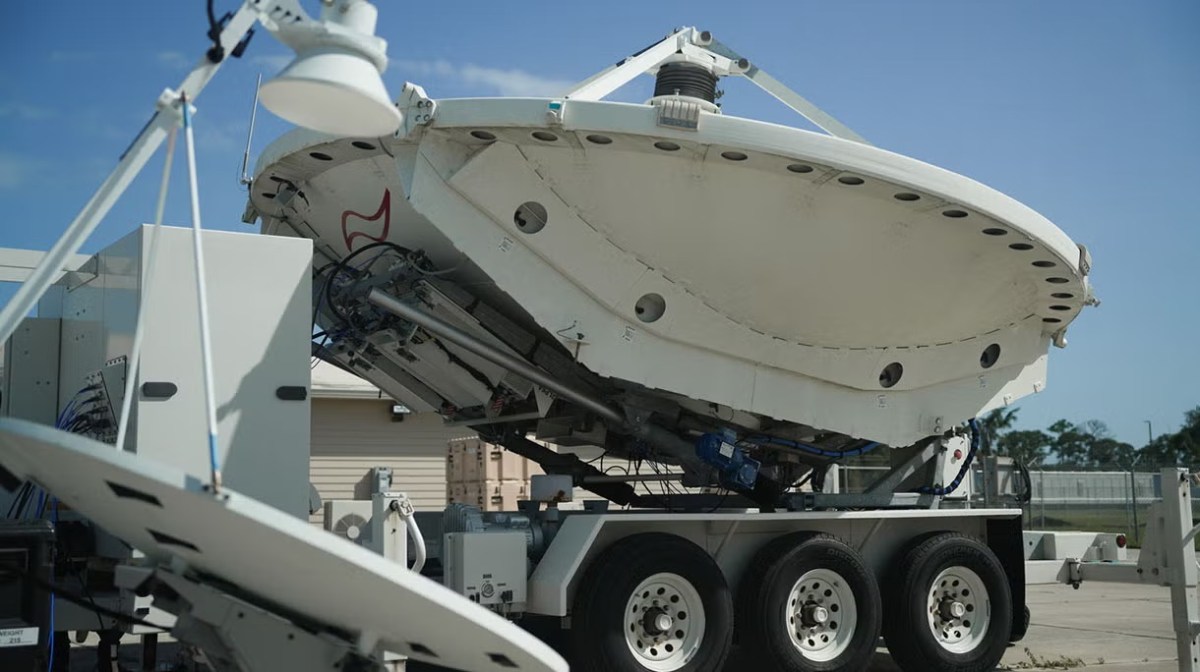
"Last month, Space Force Combat Forces Command acquired the Meadowlands, which can blast enemy satellites with electromagnetic radiation to shut them down. Developed by L3Harris Technologies, the new weapon is able to “detect, deny, disrupt, and degrade adversary capabilities,” according to Space Force."
 
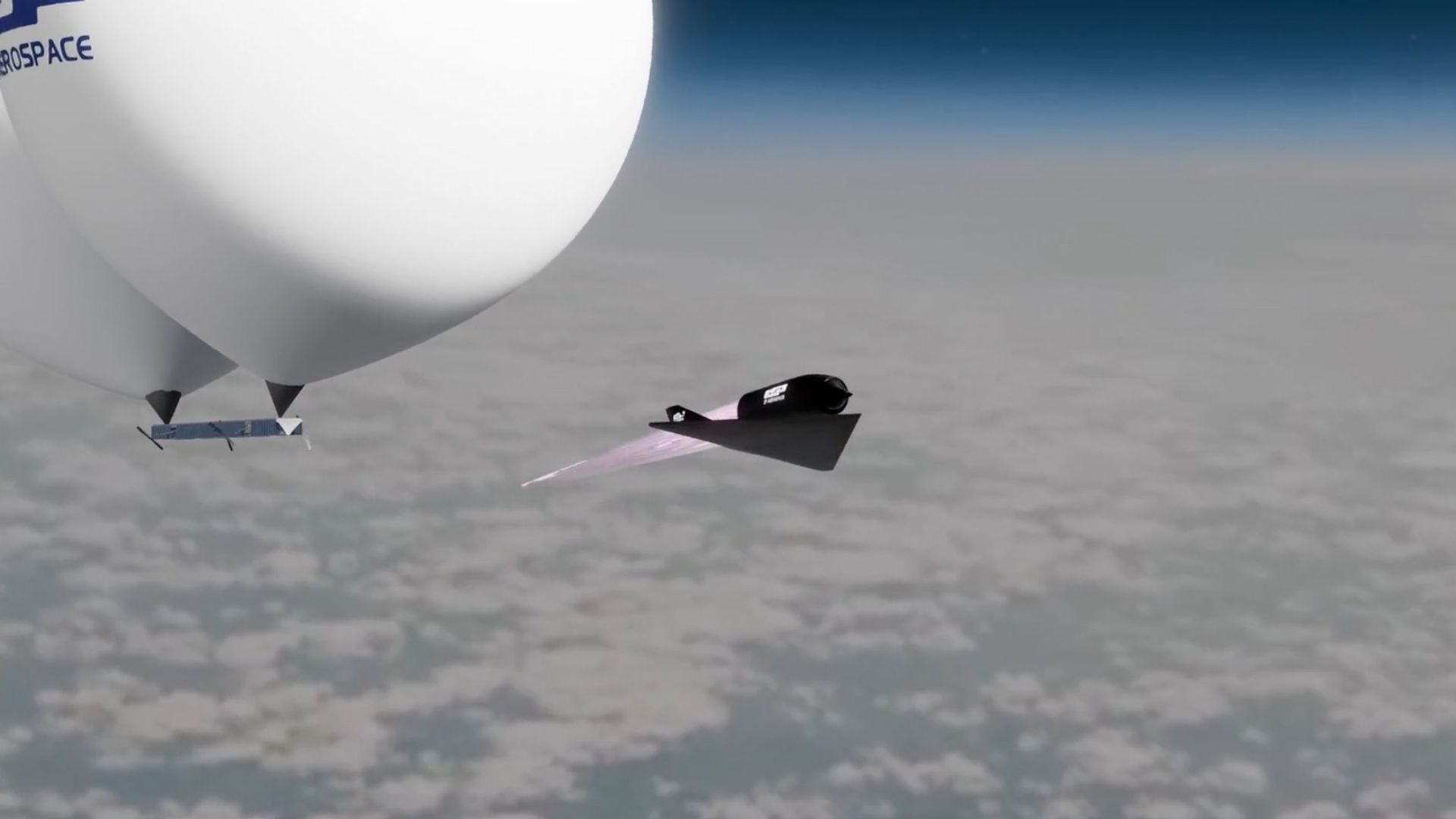
What you can do from space.


More persistent than Wedgetail, GlobalEye and Sky Guardian MQ-9s.

Offensive space squadrons?


We're heading down the path to similar capabilities too.
 
New trades coming.

Space Mission Operator. Could be recruiting this Fall or in the new year.

Space Warfare Officer. Probably Fall 2027.

Templated on USSF equivalents.
 
There's now a treaty obligation to de-orbit or move to graveyard orbit within x years after end of life. I believe 25 years. And there's various cleanup projects too.

Hi ytz. My recollection is that international arrangements for spacecraft end-of-life disposal have been in place for quite a long time.

I believe for Low Earth Orbit (LEO), there are de-orbit guideline dates back to the IADC guidelines of 2002, followed by the UN/COPUOS guidelines in 2007/2008. I believe for Geostationary Orbit (GEO), ITU-R Recommendation dates to 1993 and covers moving end-of-life spacecraft into a graveyard orbit. Not all spacecraft operations organisations thou, sign up to follow the guidelines.

Before I retired, I worked on GEO spacecraft for almost 2 decades, and our flight dynamics team, in managing the spacecraft propellant budget, always maintained a reserve of propellant, that would be adequate at lifetime end to move the GEO spacecraft to a graveyard (and to 'pasifiy' the spacecraft if relevant to propellant). In the case of our spacecraft, it was the amount of propellant remaining that governed our spacecraft's life, and we watched consumption of that like a hawk, using station keeping thrusters sparingly and only if and as required to maintain spacecraft performance and stay within international guidelines (and within our orbit 'station'). We tried to keep our spacecraft operating as long as legally prudent.

I’m not aware of any brand-new treaty introducing these requirements, though. If you’re referring to some new or additional measures, I’d be interested to learn more.

My hope also, is there are clean up projects for outer space, as unfortunately at times spacecraft fail, can't be recovered, and they are a hazard in their specific orbit.

 
  • Like
Reactions: ytz
While not space warfare, ... I thought to note here some Canadian military space history, as I recall (all of which is unclassified public knowledge, for those who look - so no secrets here, although perhaps not all are aware of such).

My reading indicates Canada's military space footprint traces back many decades, to the development of the Black Brandt sounding rocket family by Bristol Aerospace in Winnipeg (in the late 1950s). Originally emerging from research at the Canadian Armament Research and Development Establishment (CARDE) to study upper atmospheric phenomena impacting long-range communications and anti-ballistic missile defense, these rockets were utilized for upper-atmosphere and ionospheric research.

Later, the Department of National Defence funded the International Satellites for Ionospheric Studies (ISIS) program for part of its lifetime —the satellites comprising ISIS I and II following the Alouette missions — which allowed Canadian defence scientists to study the ionosphere, including HF propagation and the behavior of the upper atmosphere related to such.

For decades, Canada’s primary formal contribution to NORAD space efforts was mostly limited to ground based optical sensors and tracking stations (such as the Prince Albert Radar Laboratory (PARL) (in the early 1960s) and later the Baker Nunn telescope/cameras.

Eventually the Canadian Forces transitioned to include spaceborne assets. Launched in 2013, the Sapphire satellite was a dedicated military minisatellite built by Canadian companies to track artificial objects, space debris, and satellites moving in medium-to-geosynchronous orbits, directly feeding data into the U.S. Space Surveillance Network.

To build upon this capability, the follow-on Surveillance of Space 2 (SofS2) project was established by the Royal Canadian Air Force to maintain continuous space domain awareness and protect national space assets. I don't know current status of this program.

Concurrently, the Department of National Defence has some space-based radar capabilities through the RADARSAT Constellation Mission (RCM) (which DND partly funds). Utilizing ground reception architectures like the Polar Epsilon and Polar Epsilon 2 projects, RADARSAT supplies the Canadian Armed Forces with all-weather maritime surveillance and situational awareness over domestic approaches, particularly in the Arctic.

There are also recent defence initiatives involving the Canadian military and outer space. Under the Enhanced Satellite Communications Project–Polar (ESCP-P), the federal government awarded Telesat a contract to integrate secure military communications payloads into its upcoming Low Earth Orbit Lightspeed LEO constellation.

Furthermore, on the east coast, the development of Spaceport Nova Scotia near Canso by Maritime Launch Services (partly funded by DND) has positioned the site as a multi-user facility intended to provide sovereign commercial and government launch services for polar and sun-synchronous orbits.

Some of the above is from memory, and some from the internet, but I am 100% confident it all has public sources to back it up. There are no secrets here.
 
Last edited:
Back
Top