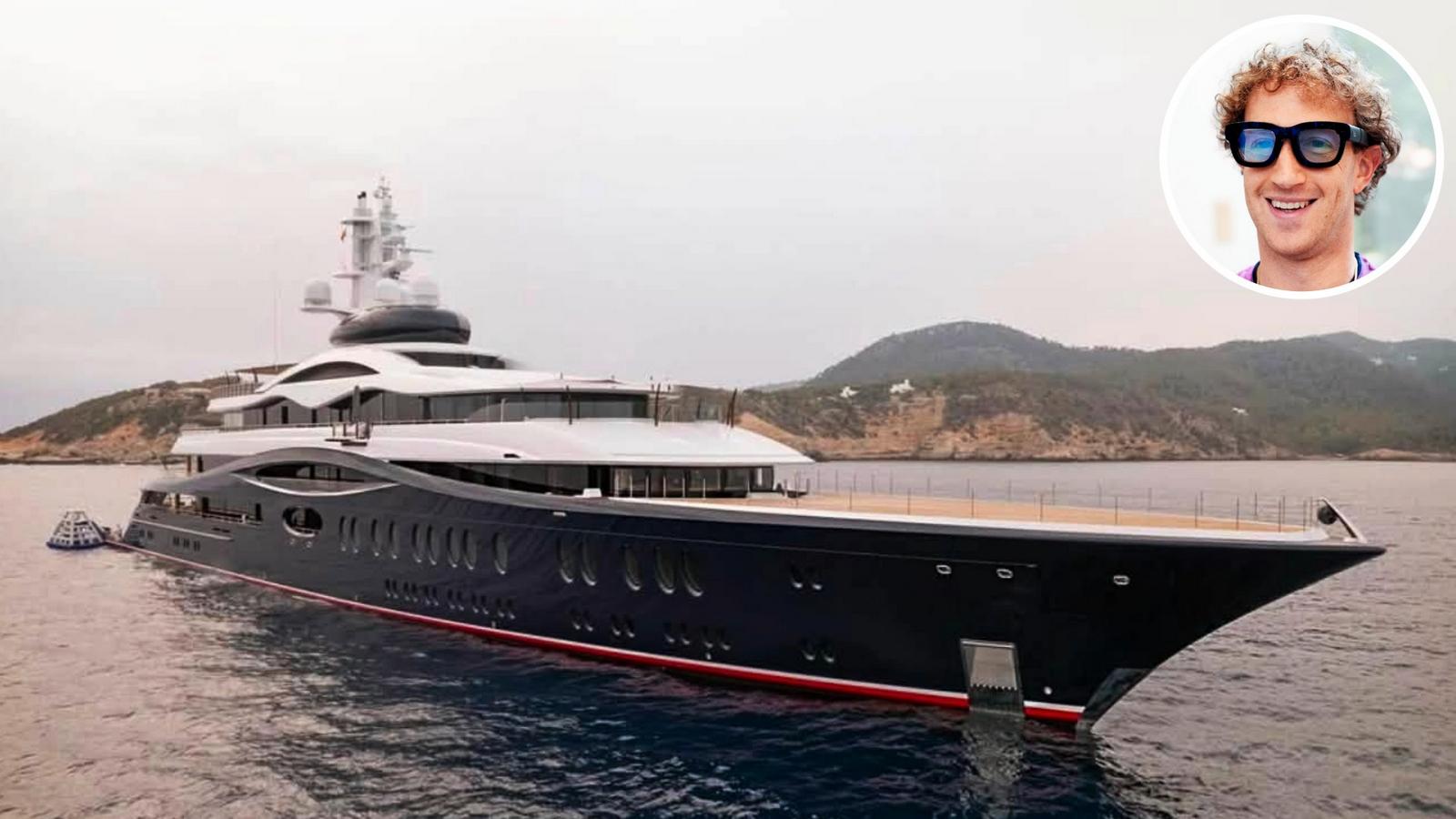
Update –
Brian Baker a spokesperson for Mark Zuckerberg and Priscila Chan issued the below statement –
“Mark and his family were not on board at the time of the incident. As the Coast Guard noted, the boat was not in distress, and by the time the crew reviewed the Coast Guard contact on a different radio channel from the one they were operating on, the assist was already underway. We’re grateful all parties are safe.”
I read that as Zuckerberg's crew was operating with one radio on one channel and after switching channels became aware of the request for assist. Perhaps someone with experience running vessels at sea could clarify if my impression is correct - that vessels the size of Zuckerberg's yacht and support ship are required to monitor both channel 13 (156.650 MHz) and channel 16 (156.800 MHz) while in US waters.
Radio Watchkeeping Regulations
In general, any vessel equipped with a VHF marine radiotelephone (whether voluntarily or required to) must maintain a watch on channel 16 (156.800 MHz) whenever the radiotelephone is not being used to communicate.
Source: FCC 47 CFR §§ 80.148, 80.310, NTIA Manual 8.2.29.6.c(2)(e), ITU RR 31.18, 52.244
In addition, every power-driven vessel of 20 meters or over in length or of 100 tons and upwards carrying one or more passengers for hire, or a towing vessel of 26 feet or over in length, as well, as every dredge and floating plant operating near a channel or fairway, must also maintain a watch on channel 13 (156.650 MHz) --channel 67 (156.375 MHz) if operating on the lower Mississippi River-- ; while navigating on U.S. waters (which include the territorial sea, internal waters that are subject to tidal influence, and, those not subject to tidal influence but that are used or are determined to be capable of being used for substantial interstate or foreign commerce).
Sequential monitoring techniques (scanners) alone cannot be used to meet this requirement; two radios (including portable radios, i.e. handhelds) or one radio with two receivers, are required. These vessels must also maintain a watch on the designated Vessel Traffic Service (VTS) frequency, in lieu of maintaining watch on channel 16, while transiting within a VTS area. See 33 CFR §§ 2.36, 26, and 161; 47 CFR §§ 80.148, 80.308-309; NTIA: NTIA Manual Chapter 8.2.29.7.