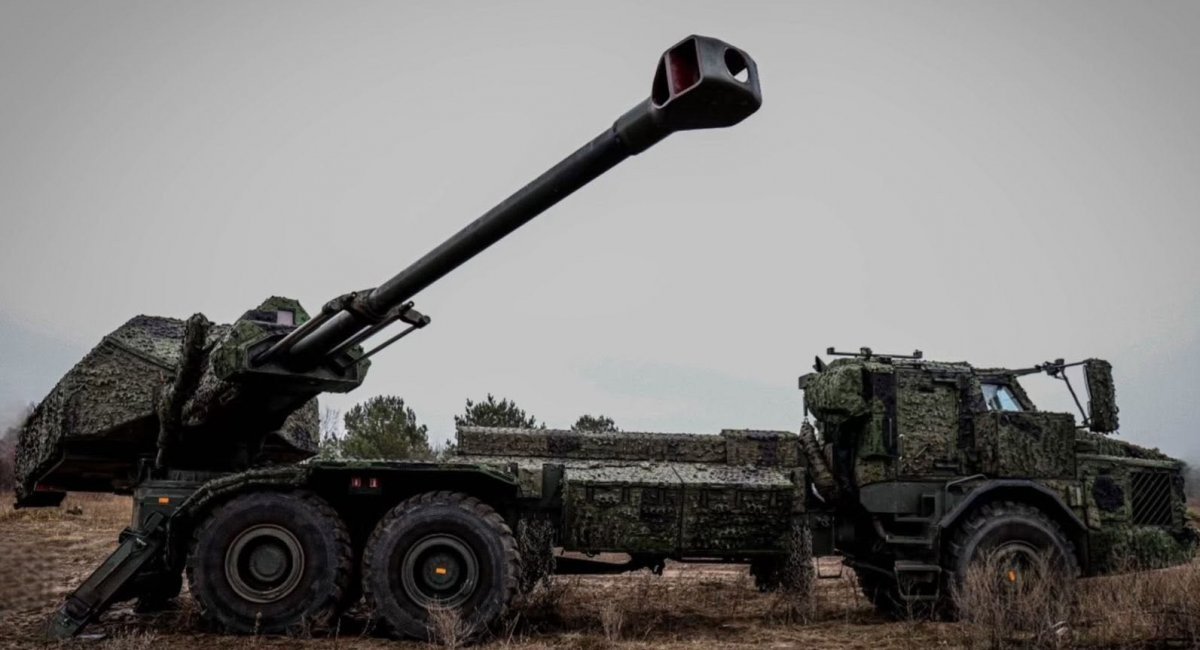
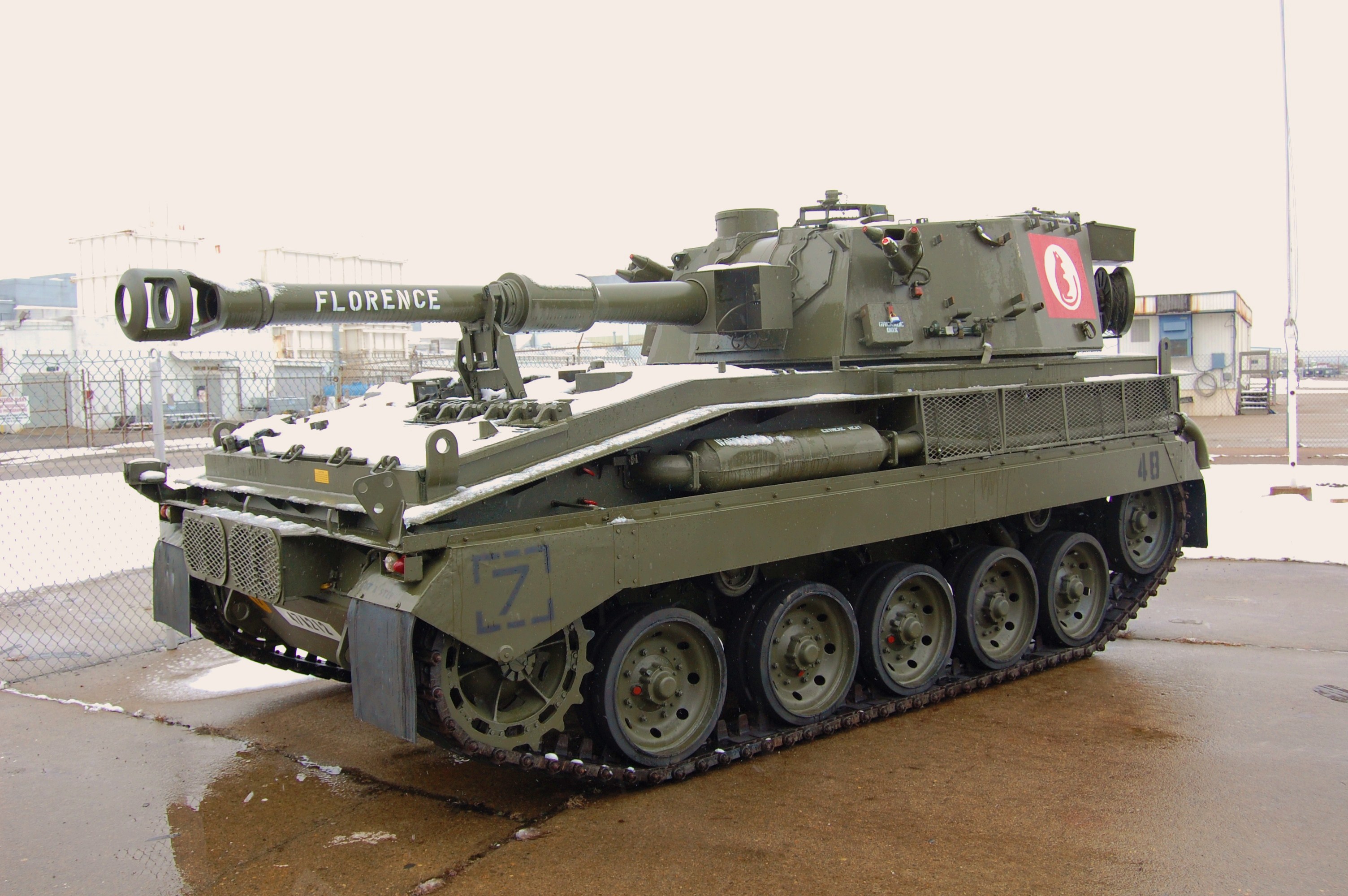
Look, if you dont want "dogma" quoted at you, you need to be able to explain your view in tactics. Can you summarize for me, simple terms, how far from the FLOT wed like our MMAs / AMAs in the the offensive and defensive and why that matters?
Very fair question.
It may be the coward in me. I am not a fan of the close fight. I figure that evens up the odds too much and brings it down to my muscle versus his.
Personally I would prefer to stand well out of his range while killing as many of his buddies as possible and him.
....
The 1917 battles were decided by the rifle bullet and the killing zone was measured in hundreds of meters. The bullets were supplemented by grenades. When those grenades were punted by mortars they could cover the extreme ranges of the rifles and macine guns. That battle was fought by the battalion commander.
The guns operated outside of that close zone. They were sited behind that close zone to fire into and over it. The typical ranges for field guns and howitzers of that era were 5 to 11 km. And lack of accuracy demanded mass of shells on the target. Lack of permanent effect demanded that the guns always be on call to react to targets when they presented themselves.
My contention is that those weapons, and the battlefield conditions they created, continue to this day.
Modern material science has generated marginal increases in range but the underlying assumptions are unchanged.
...
Two systems were developed to break out of that close killing zone. One was the armoured field gun, known as the tank, and the other was the aircraft. Both, although highly effective were also highly expensive. And both were only effective until a better tank or plane came along.
The tank vs tank battle eventually came down to the size of the engine: the bigger the engine the more armour, the bigger the gun and the more ammunition the tank could carry. Generally speaking the bigger gun won because the bigger guns had longer ranges. They could effectively engage their targets before their targets could engage them.
But those engagements were still measured in hundreds of meters.
...
Aicraft also benefited from engine technology which also increased payload and range. Aircraft could launch from behind their own guns, cross the close battle and attack behind the enemy guns.
And those engagements are now measured in thousands of kilometers and are powered by jets and rockets as well as gas and batteries.
...
Two concurrent developments:
1 - the shaped charge grenade that rendered effect separate from gun size
2 - the ability to fly a projectile in a non-ballistic trajectory to precisely hit a target.
Thses two developments have been in the works for 100 years and today they have reached a stage that they have rendered the rifle battle irrelevant. Rifles are still critical for crowd control but militarily they are only useful as personal defence weapons.
....
When the call is for containers of missiles, 60 or more per container, costing 5 to 10,000 USD apiece, that can be deployed by road, rail, ship and air, that can loiter on the ground and in flight, that have ranges in the 10 to 50 km range, and that can be commanded remotely by two men and a coffee pot then I suggest that the old assumptions about the 1917 close battle need to be questioned.
...
How far from the FLOT should support be? As far as the technology permits them to be while remaining effective. And that technology is changing daily.
Battalion commanders are no longer dealing in hundreds of meters. They are dealing with tens of kilometers. Company and platoon commanders, mounted and foot-borne, are dealing with weapons under their command that reach out 5 to 20 km. The 81mm mortar is now more of a company weapon than a battalion weapon. The battalion commader is going to have more targets better served by the range of the 155s.
And rockets and UAVs will serve the needs beyond those.
....
Another example
WW1 two battalion machine guns required a platoon under an officer with a wagon. The Lewis gun required a section. The Bren had a team. Now everybody and his brother has a machine gun.
The same reductionist tendendecy applies to all weapons systems. Greater effects at greater ranges by fewer people for less money.



US Army thank you for wasting my tax dollars (again).