I agree we are not connecting
Ultimately I disagree that every situation demands a capital ship.
The
1st Autonomous Squadron is the Royal Navy's first front-line uncrewed surface vessel (USV) unit, commissioned at HMNB Portsmouth in November 2026. [
1,
2]
Key Facts
Base & Personnel: Based at HM Naval Base Portsmouth with roughly 180 personnel (comparable to a Type 23 frigate crew) split into watches, evolving from Project Beehive. [
1,
2]
Vessels: Operates
Kraken K3 Scout USVs (built in Fareham, Hampshire) alongside
Syos Aerospace Rattler vessels for training and operations. [
1,
2,
3]
Capabilities: Designed for surveillance, maritime awareness, force protection, logistics, counter-UAS, and precision strikes; Kraken boats reach speeds over 50 knots, have a range of up to 650 nautical miles, and can operate autonomously or remotely (including via game-style controllers). [
1,
2,
3]
Role: Integrates uncrewed craft with crewed warships, submarines, and aircraft as part of the Royal Navy's shift toward a "hybrid navy," with initial operational deployments expected in the coming months. [
1,
2]
The UK EEZ will have an OPV and a large number of uncrewed motor launches controlled from shore.
....
Armed USVs are already operational so from my perspective the questions become
How far can 1st Autonomous Squadron at Plymouth see, hear and influence using the small motor launches (7-11 m), basically replicating the WW2 MTBs and MGBs?
How far into open waters can those launches effectively operate?
If the small boats and sensors can operate effectively inshore what size of vessel would they need to move further off shore? 24m? 57m?
57m is what the USN is building as large USVs and operating them on the high seas.
These will be working with aerial systems, satellites and UUVs, sensing and reporting and repeating comms.
...


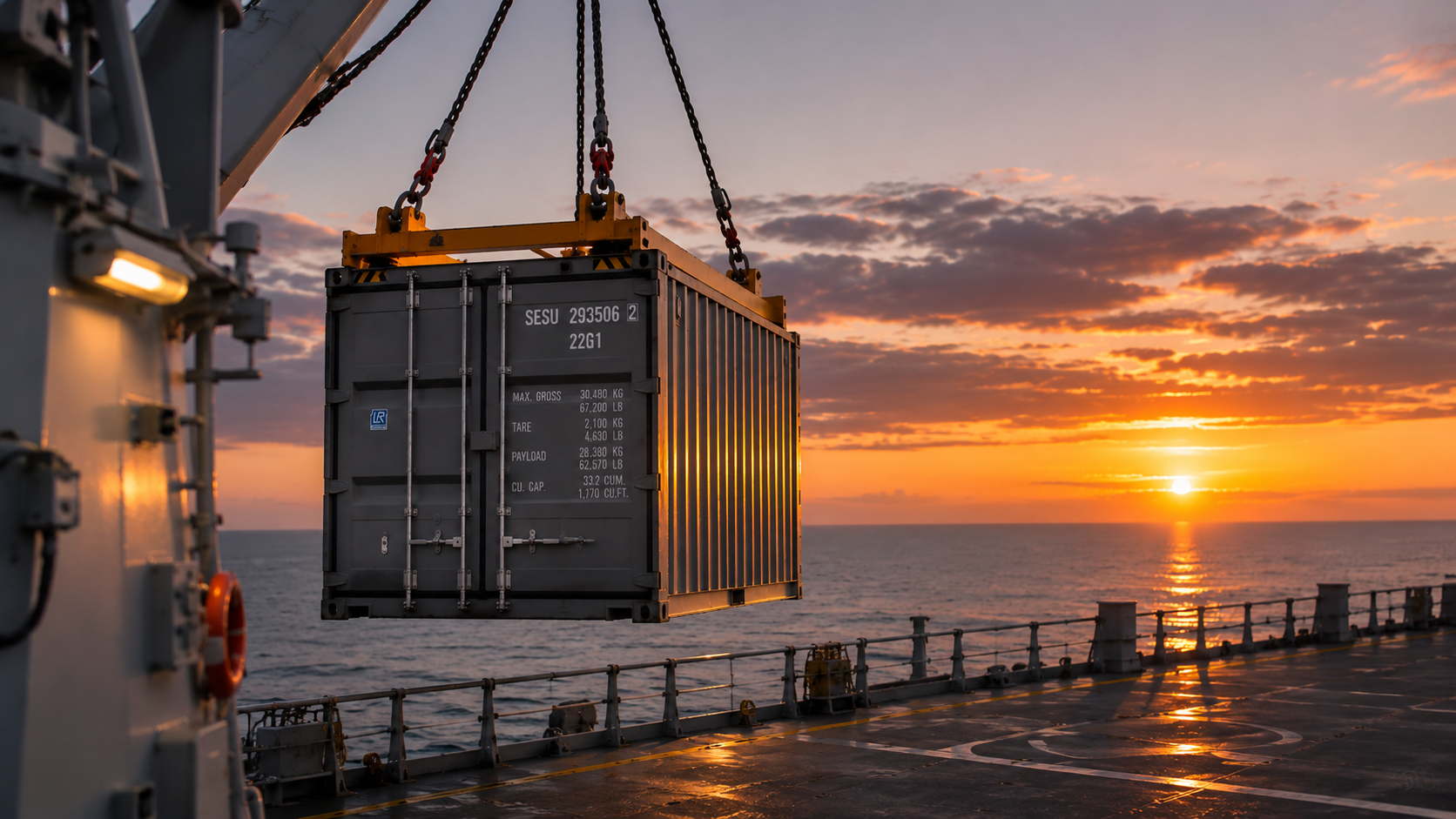
ukdefencejournal.org.uk

turdef.com
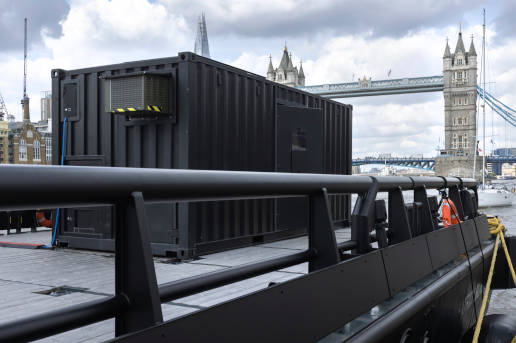
www.fw-mag.com