UK Stormfighter CCA bids
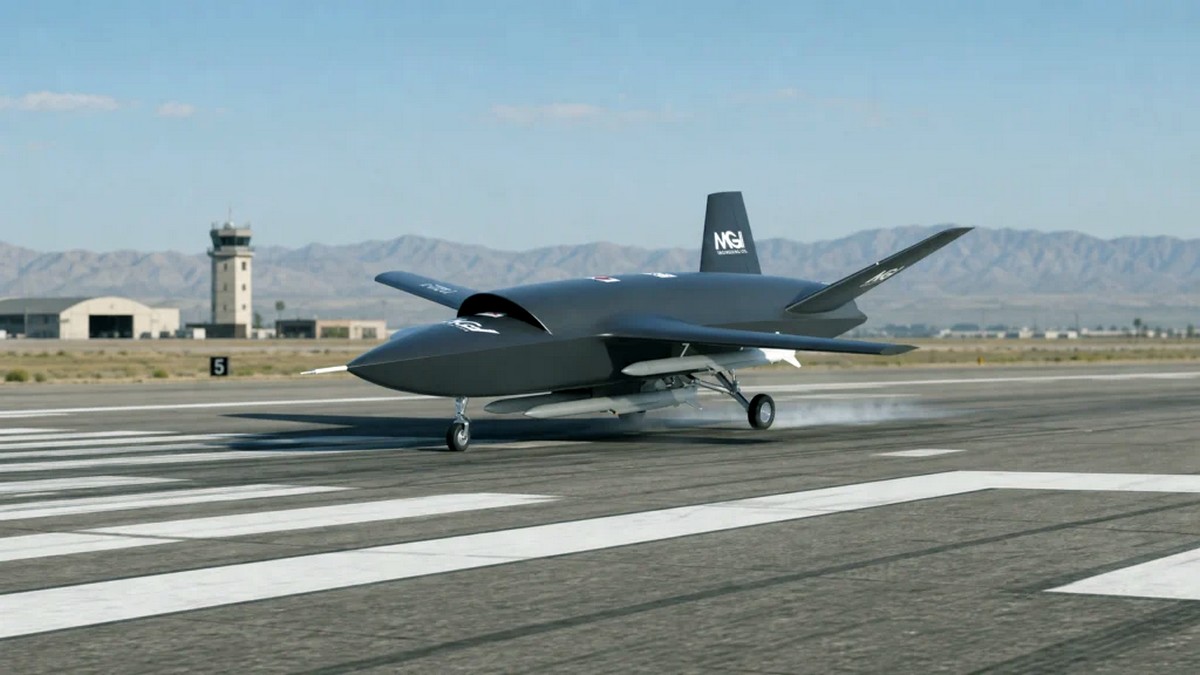
MGI Engineering T-022 Vortex
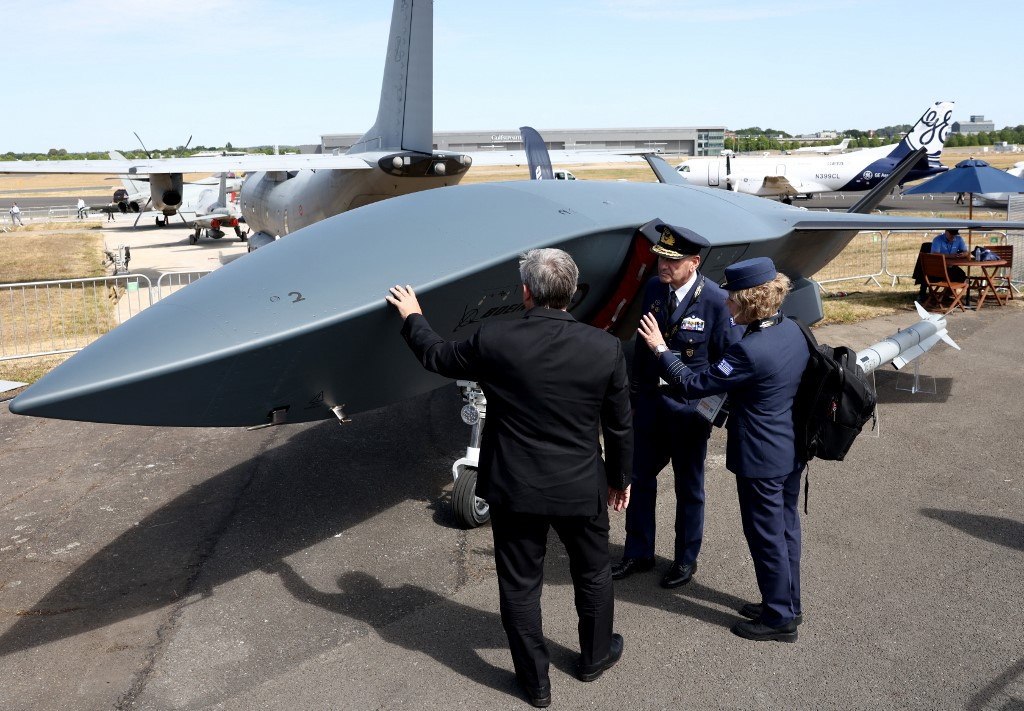
Oxfordshire firm MGI Engineering has launched the T-022 Vortex, a near-supersonic autonomous combat aircraft it is pitching at the RAF's StormFighter requirement, priced at £3m to £6m per airframe.

ukdefencejournal.org.uk
"According to MGI, the aircraft has a maximum take-off weight of 3,500kg, a range exceeding 4,000km and a top speed approaching Mach 0.85. The company says it can carry up to 1,000kg of payload across four weapon or sensor stations, both internally and externally, at a cost of between £3 million and £6 million per aircraft depending on fit. The company states that Vortex is powered by a Rolls-Royce Orpheus engine, or similar powerplants, delivering 12 to 16 kilonewtons of thrust."
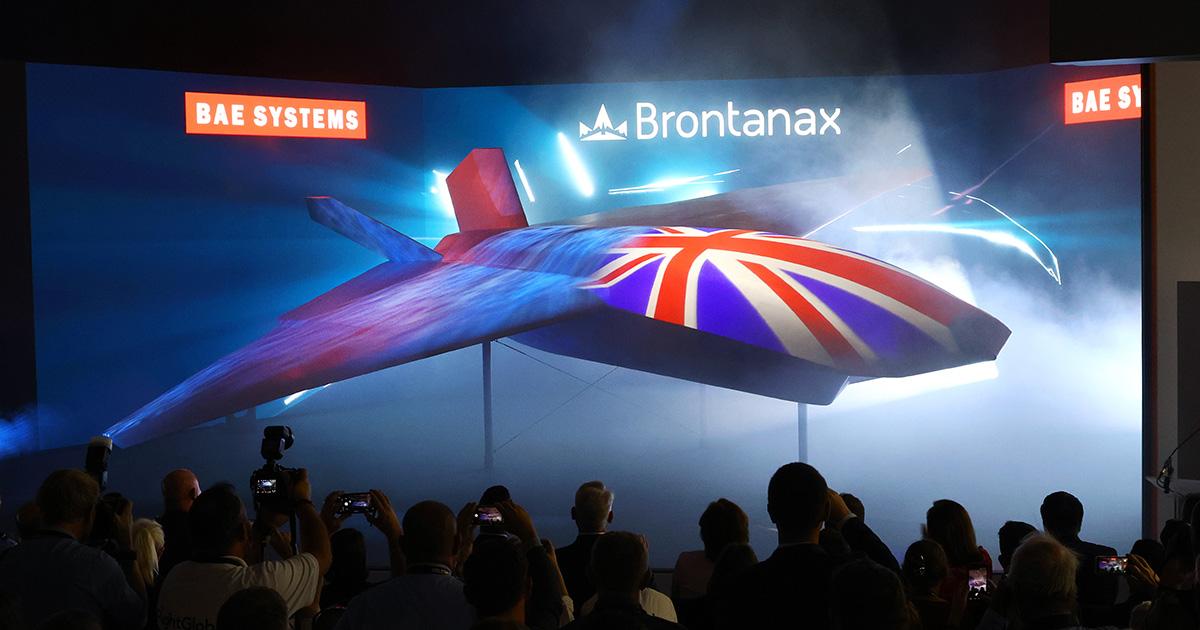
BAE Brontanax
The first example is essentially complete and will fly next year

www.ainonline.com
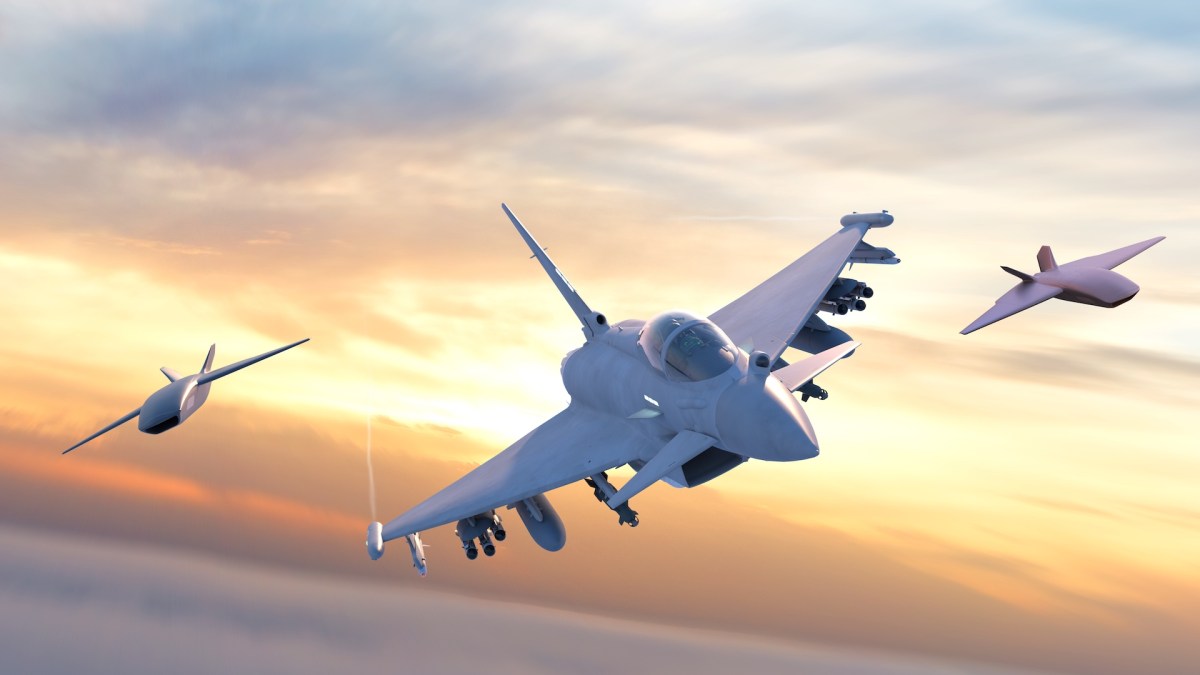
'Brontanax is a roughly Hawk-sized uncrewed air vehicle with a design somewhat redolent of the crewed Tempest/GCAP fighter. With a maximum takeoff weight of more than five tonnes, the vehicle is initially powered by a Williams International engine, but Rolls-Royce is developing engines in the Orpheus family that are likely to power the CCA in the future.
"The vehicle has two internal weapons bays sized to fit current and prospective RAF weapons, and they can also accommodate other effectors,'
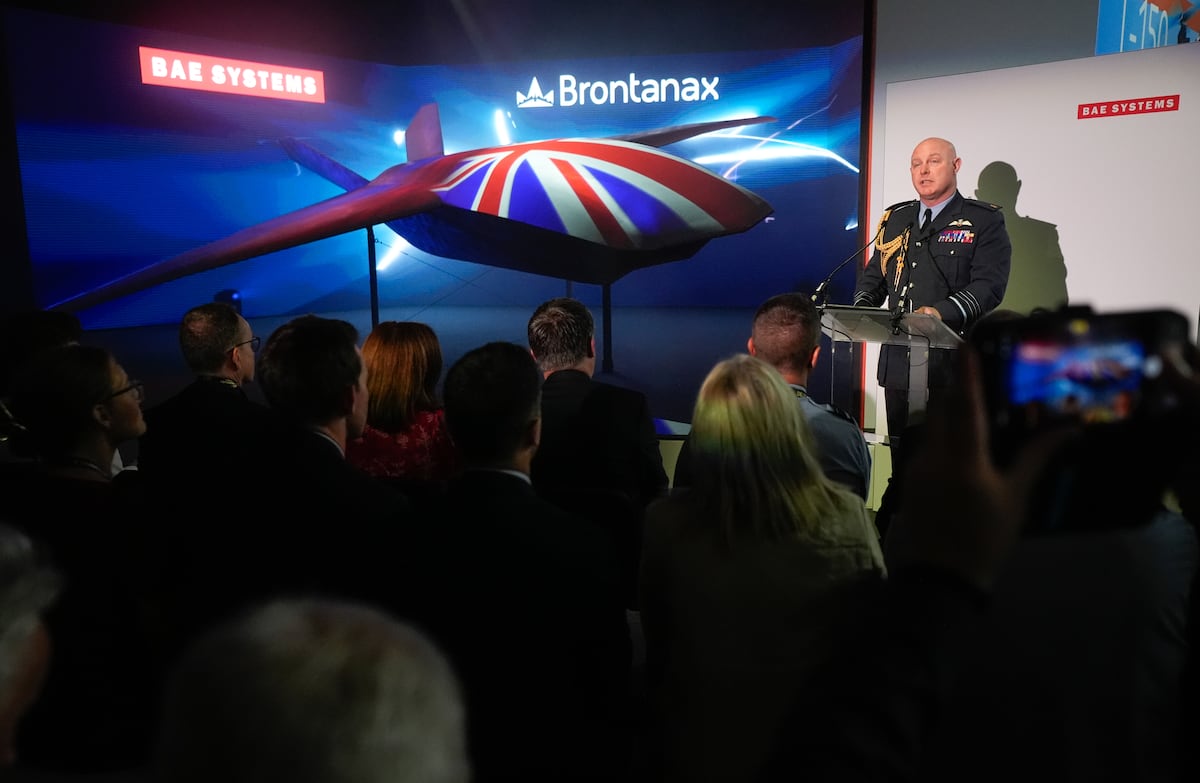
BAE Systems revealed a new unmanned fighter jet on Wednesday, boosting Britain’s entry into one of the defense industry’s hottest markets.

www.defensenews.com
"BAE said its CCA offered more stealth than rivals and it was aiming for it to have 70% to 80% of the capabilities of a fighter jet and to come in at under 25% of the cost, which could give it a price tag of around $25 million."
BAE Systems has unveiled Brontanax, its eagerly awaited collaborative combat aircraft.

aviationweek.com
"Company engineers leaned on its experience developing uncrewed systems such as Corax, Herti, Mantis and Taranis. The airframer is targeting what Holmes calls a “sweet spot,” producing a platform capable of performing 70% to 80% of the Eurofighter’s missions, but at 20% to 25% of the cost."
"Holmes’ view is that deviating from that sweet spot raises costs and can inadvertently invoke Augustine’s 16th law, which results in military aircraft costs growing exponentially.
"Crucially, lessons have also been learned from the RAF’s previous attempt to develop a CCA demonstrator—Mosquito—development of which was halted in 2022 before assembly was completed. Among the lessons learned from Mosquito was not to overengineer a platform that is expected to perform only a limited number of flight hours and may only ever fly for occasional training or in wartime."
......
There seems to be a continuing issue in the CCA debate: Cost
The top end of the market is 30 MUSD, a figure established by the USAF as an acceptable price for an attritable aircraft and accepted by the tradtional aircraft manufacturing community. This encompasses the Boeing MQ-28 Ghostbat, the GA-ASI YFQ-42A Gambit, the Northrop-Grumman YFQ-48A Talon Blue, the Anduril FQ-44 Fury.
The lower end of the market is 3 MUSD and the lead exemplar there is the Kratos MQ-58 Valkyrie adopted into service as an operational CCA by the USMC. These resemble upgraded target drones and cruise missiles more than cost-reduced fighters.
Germany has placed a high-low bet, as has the US, with Rheinmetall partnering with Boeing for the high-end MQ-28 Ghost Bat and Airbus partnering with Kratos for the low end MQ-58 Valkyrie.
The Brits appear to be continuing this trend with the BAE Brontanax at the high end and the MGI Vortex at the low end.
....
This quote fascinates
"Company engineers leaned on its experience developing uncrewed systems such as Corax, Herti, Mantis and Taranis. The airframer is targeting what Holmes calls a “sweet spot,” producing a platform capable of performing 70% to 80% of the Eurofighter’s missions, but at 20% to 25% of the cost."
"Holmes’ view is that deviating from that sweet spot raises costs and can inadvertently invoke Augustine’s 16th law, which results in military aircraft costs growing exponentially.
"Crucially, lessons have also been learned from the RAF’s previous attempt to develop a CCA demonstrator—Mosquito—development of which was halted in 2022 before assembly was completed. Among the lessons learned from Mosquito was not to overengineer a platform that is expected to perform only a limited number of flight hours and may only ever fly for occasional training or in wartime."
I am afraid had never heard of Augustine's laws prior to this. Adding to my reading list

en.wikipedia.org
"His most cited law is number 16, which shows that defense budgets grow linearly but the unit cost of a new military aircraft grows exponentially:[3]
"In the year 2054, the entire defense budget will purchase just one tactical aircraft. This aircraft will have to be shared by the Air Force and Navy 3½ days each per week except for leap year, when it will be made available to the Marines for the extra day."[4][5]"
.....
The USMC seem to have pounced on the curve and decided to buy the low end today while the air forces pursue the high end tomorrow.