• Thanks for stopping by. Logging in to a registered account will remove all generic ads. Please reach out with any questions or concerns.

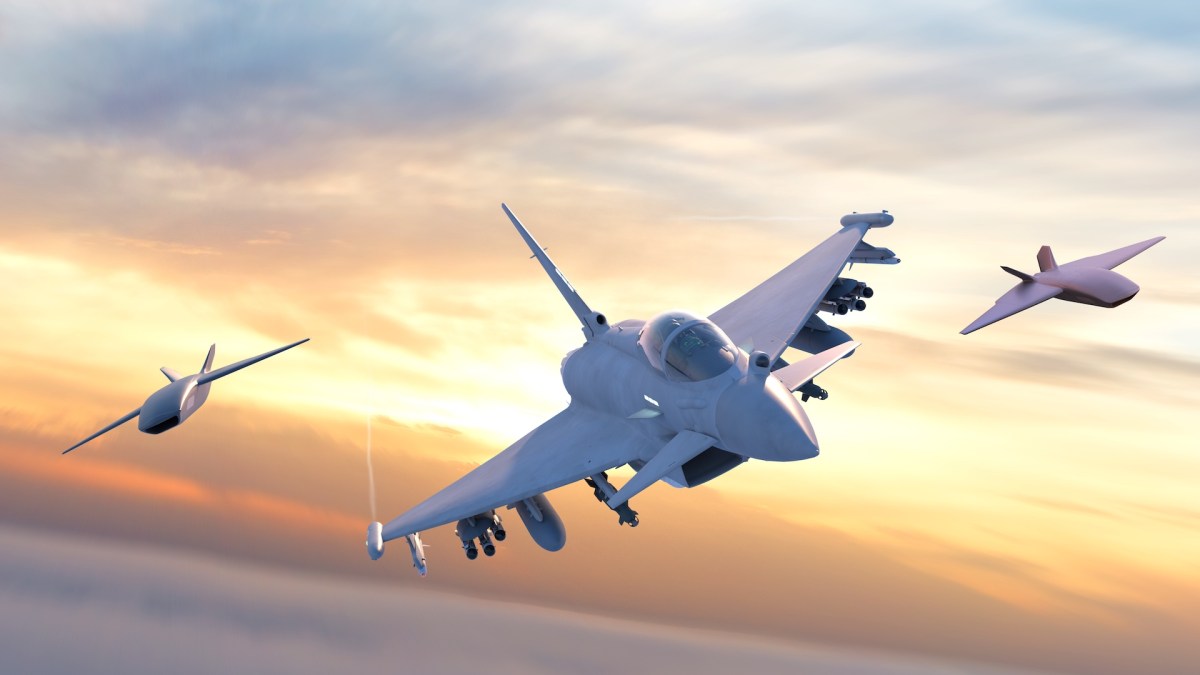
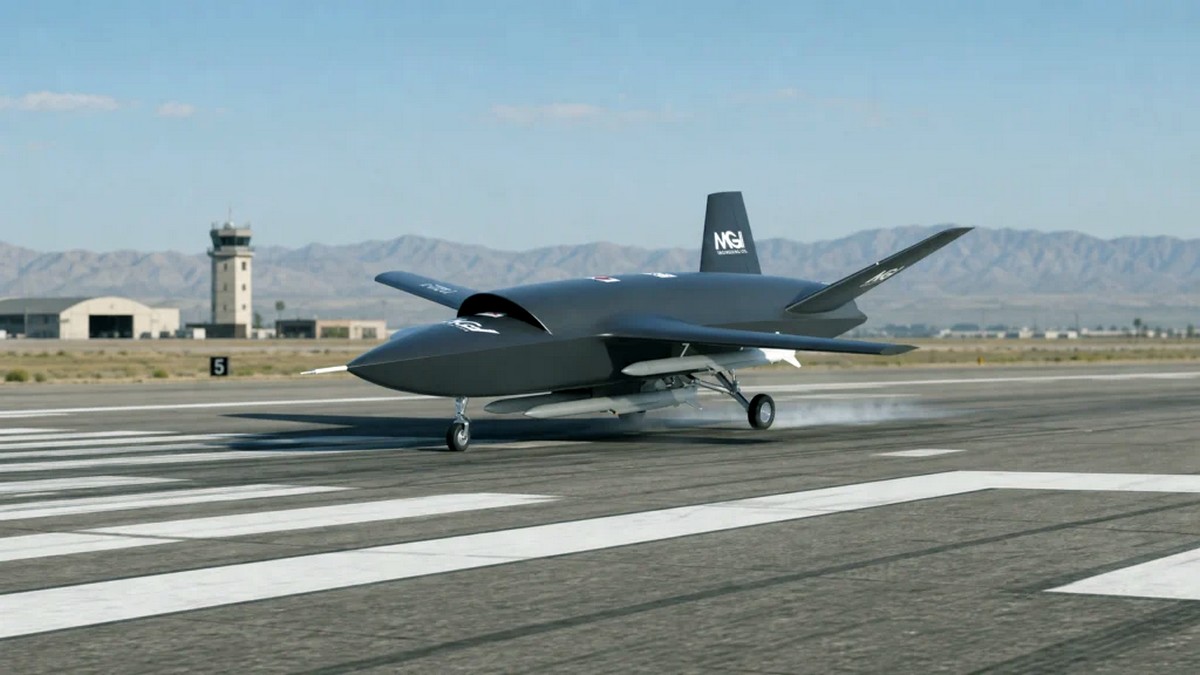
A Canadian CCA?

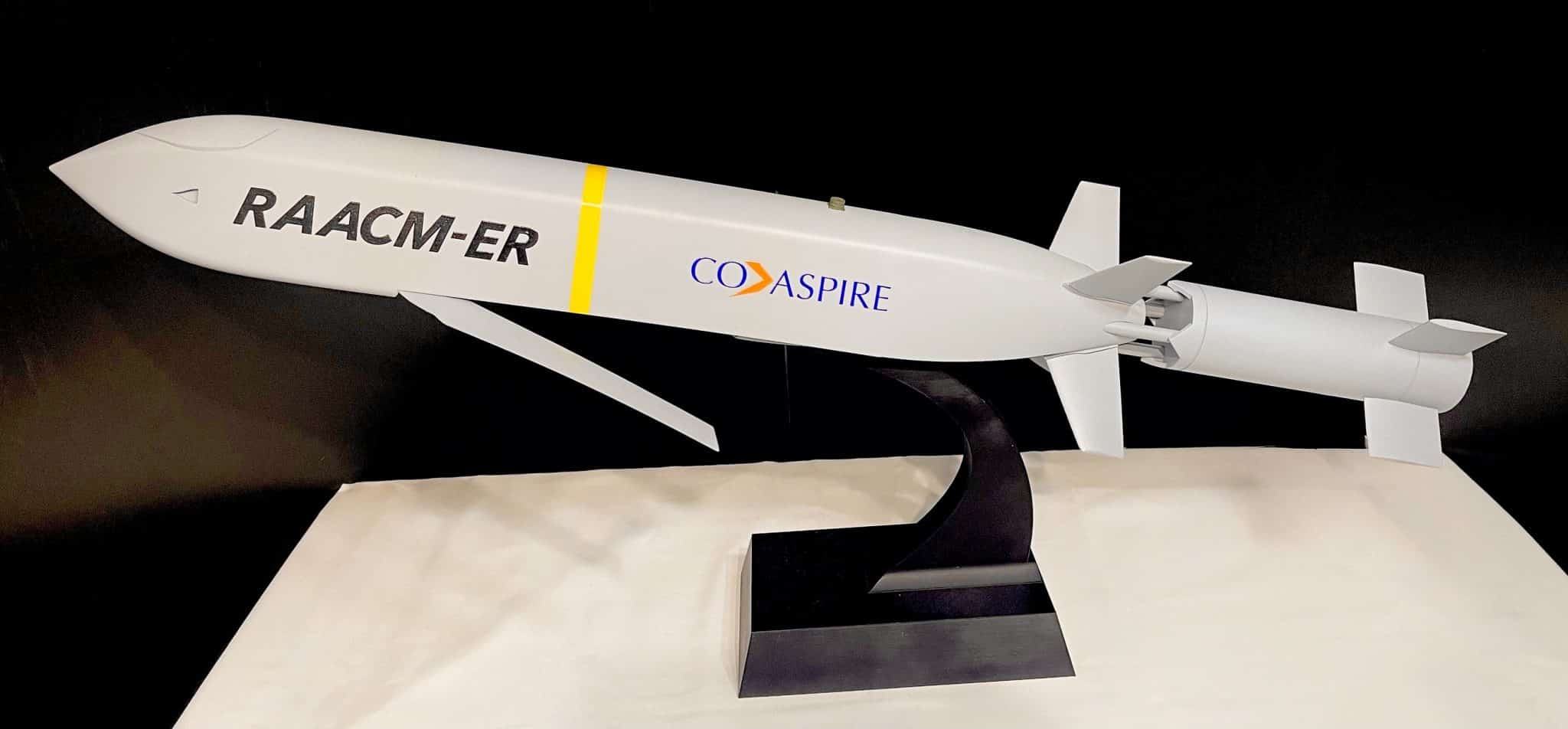
A somewhat unique RAF situation because the RAF Regiment is familiar with air ops as part of integrating into a CAOC in their air defence role. In Canada, the RCAF will enable the CA to do GBAD. But air defence responsibility still resides with the senior air officer as the JFACC. Ergo, a long range weapon like that would probably be employed by an artillery unit in Canada, in coordination with the RCAF.

Re-reading my post in light of your thoughts I am brought back to the CCA.

One issue discussed in conjunction with the CCA is the need for runway independence. It particularly becomes an issue for carriers.

Attritable.

I am not sure that I like that concept. It strikes me much the same way as Optionally Manned.

It imposes unnecessary costs.

It costs money to put a person into flight, deliver her, conduct a mission, recover her safely and refurbish and replenish her craft.

An uninhabited craft eliminates a lot of those costs, not least the need to return safely.

In the debate over Attritable, Disposable, Reusable and subsequent debates over RATO, Tailsitters, parachute recovery, runways, traps and decks etc is Attritable just a distraction?

Why not just focus on making disposable munitions smarter and more capable, and runway independent, and cheaper while working to make crewed platforms, that are required to be reusable and definitely not attritable, as safe as possible for the crews?

Why did this occur to me in this context? Because if the RAF has a stake in "runway independent" long range operations via the RAF Regiment might that make the RAF, institutionally more welcoming to runway independent CCAs and, in turn, more comfortable in narrowing the technology gap between one way drones and CCAs?

We already have long range loitering munitions, one way effectors, that can be safely recovered if the mission must be aborted. But that is a long way from imposing the costs associated with requiring a round trip, recovery and reuse.

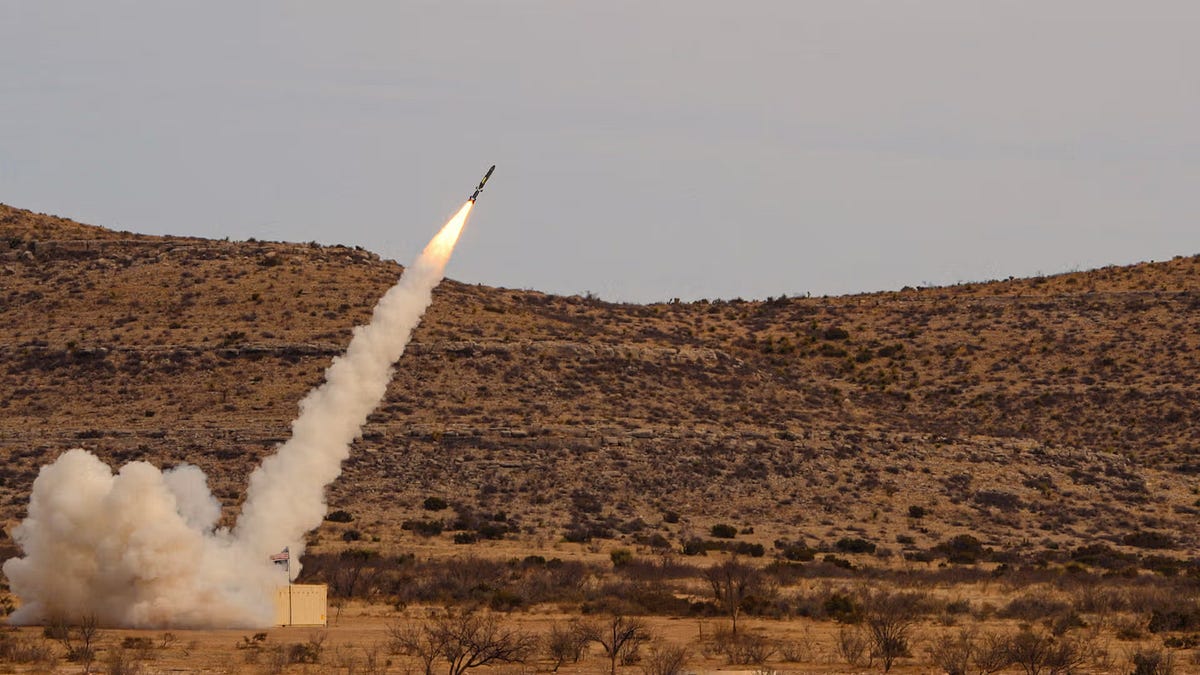
Rocket launch, ramjet flight, battery prop loiter, all are possible in one vehicle at comparatively low cost.
 
Re-reading my post in light of your thoughts I am brought back to the CCA.

One issue discussed in conjunction with the CCA is the need for runway independence. It particularly becomes an issue for carriers.

Attritable.

I am not sure that I like that concept. It strikes me much the same way as Optionally Manned.

It imposes unnecessary costs.

It costs money to put a person into flight, deliver her, conduct a mission, recover her safely and refurbish and replenish her craft.

An uninhabited craft eliminates a lot of those costs, not least the need to return safely.

In the debate over Attritable, Disposable, Reusable and subsequent debates over RATO, Tailsitters, parachute recovery, runways, traps and decks etc is Attritable just a distraction?

Why not just focus on making disposable munitions smarter and more capable, and runway independent, and cheaper while working to make crewed platforms, that are required to be reusable and definitely not attritable, as safe as possible for the crews?

Why did this occur to me in this context? Because if the RAF has a stake in "runway independent" long range operations via the RAF Regiment might that make the RAF, institutionally more welcoming to runway independent CCAs and, in turn, more comfortable in narrowing the technology gap between one way drones and CCAs?
Remember the early NGADF / F-47 role was a carrier and coordinator for CCA and OWLRUAS.

The Quarterback is well behind the line of scrimmage.

We already have long range loitering munitions, one way effectors, that can be safely recovered if the mission must be aborted. But that is a long way from imposing the costs associated with requiring a round trip, recovery and reuse.
How long a trip
What type of recovery
How soon to reuse.

Those can make a dramatic difference in costings.

Rocket launch, ramjet flight, battery prop loiter, all are possible in one vehicle at comparatively low cost.

2/3 are much easier than 3/3 there. You will drive costs significantly trying to do all three.
I was just trying to drag some things into a model - and it requires a lot of expensive changes to try to do all of the above.


I’d argue it’s better to specialize a little more and have a few types of systems in large volumes.
 
Remember the early NGADF / F-47 role was a carrier and coordinator for CCA and OWLRUAS.

The Quarterback is well behind the line of scrimmage.

Seen.


How long a trip
What type of recovery
How soon to reuse.

Those can make a dramatic difference in costings.


Also seen and agreed.

For me it comes down to the cost of the components, specifically sensors and navigation systems. At what point does the cost of recovering and reusing a system outweigh the cost of simply writing off the component costs after one mission?

Especially if recovery costs include airfields and carriers with escorts.

And let us not forget the cost impact of the enduring presence of satellites. Especially Canadian Polar Orbit Satellites that continually update their views of the earth every orbit.

If a dedicated ISR is needed we can always send an MQ9, or a long range single use vehicle.

2/3 are much easier than 3/3 there. You will drive costs significantly trying to do all three.
I was just trying to drag some things into a model - and it requires a lot of expensive changes to try to do all of the above.

Agreed. Netfires set the model for me back in the 80s with their LAM/PAM structure - one box with one missile and two propulsion systems, one loitering and the other in giddyup mode.


I’d argue it’s better to specialize a little more and have a few types of systems in large volumes.

Absolutely.
 
Seen.


Also seen and agreed.

For me it comes down to the cost of the components, specifically sensors and navigation systems. At what point does the cost of recovering and reusing a system outweigh the cost of simply writing off the component costs after one mission?
The more redundancy you have, the more it costs.
Much like the difference between accuracy and dispersion - both are important - but one may be a lot more important than the other.
I have a funny anecdote on that - but it isn’t a story for the internet.


Especially if recovery costs include airfields and carriers with escorts.
Recovery of fixed wing is pretty easy if you aren’t worried about a pilot -- there are many net options than can make for a short or no runway option.


And let us not forget the cost impact of the enduring presence of satellites. Especially Canadian Polar Orbit Satellites that continually update their views of the earth every orbit.
I can tell you that real time satellite is a game changer -- it is also a massive game changer when it isn’t available and you have become dependent on it...
Like Data Comms


If a dedicated ISR is needed we can always send an MQ9, or a long range single use vehicle.


Agreed. Netfires set the model for me back in the 80s with their LAM/PAM structure - one box with one missile and two propulsion systems, one loitering and the other in giddyup mode.


Absolutely.
 
The more redundancy you have, the more it costs.
Much like the difference between accuracy and dispersion - both are important - but one may be a lot more important than the other.
I have a funny anecdote on that - but it isn’t a story for the internet.

I hope to hear that, eventually.


Recovery of fixed wing is pretty easy if you aren’t worried about a pilot -- there are many net options than can make for a short or no runway option.

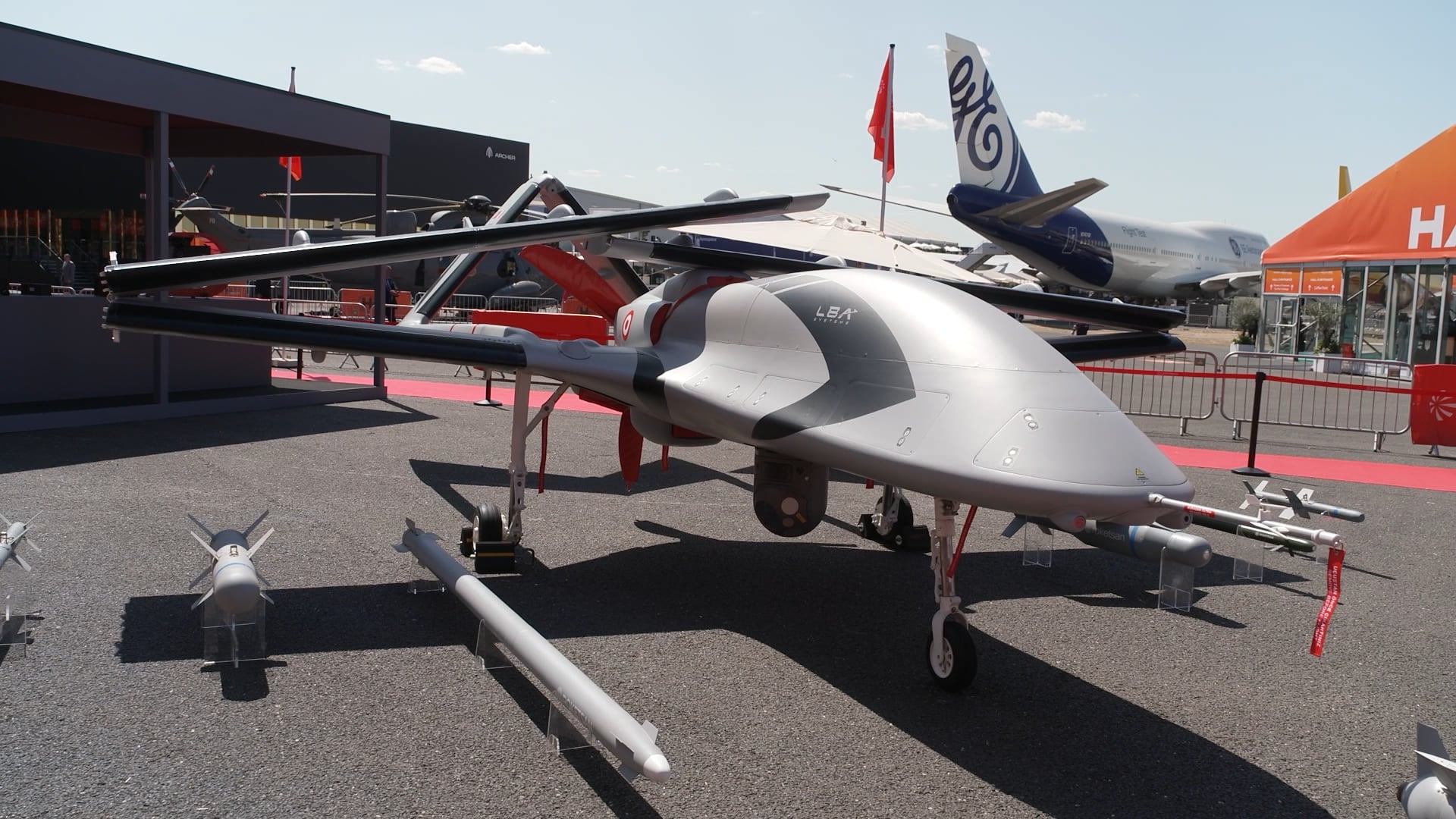
Agreed. But I don't understand the reluctance to embrace the parachute return system. It is a reliable, low mass, compact system that converts very large objects into glide bodies with long ranges that can be accurately navigated to precise co-ordinates by JPADS type systems for low velocity recovery.

A reason I like the original Kratos Rocket/Jet/Parachute concept.

I can tell you that real time satellite is a game changer -- it is also a massive game changer when it isn’t available and you have become dependent on it...
Like Data Comms

Surely the solution to that problem is the same Musk's Starlink solution: a very large number of identical units, widely dispersed, with multiple redundant parallel lines of communication.

The Russians are good at EW but even their most powerful systems seem to be limited in theireffects byspace and time. They can't shut down everything, everywhere, all the time.
 
Agreed. But I don't understand the reluctance to embrace the parachute return system. It is a reliable, low mass, compact system that converts very large objects into glide bodies with long ranges that can be accurately navigated to precise co-ordinates by JPADS type systems for low velocity recovery.
I don’t think you understand what ‘low velocity’ recovery really means when something hits the earth.
You have to harden the system to take the impact with something like concrete for it to be reusable. Which adds weight and cost, and quite frankly some things just won’t take repeated impacts. You then get into larger parachutes, larger air dwell times, uncertain recovery envelopes, or much more fancy parachute navigation.

A reason I like the original Kratos Rocket/Jet/Parachute concept.
Works well over controlled areas for a booster rocket.
Surely the solution to that problem is the same Musk's Starlink solution: a very large number of identical units, widely dispersed, with multiple redundant parallel lines of communication.
Starlink is a commercial system. It should not be used as an example for military/government satellite communications for many reasons.


The Russians are good at EW but even their most powerful systems seem to be limited in theireffects byspace and time. They can't shut down everything, everywhere, all the time.
IMHO Russians are not good at EW. Earlier on in Ukraine there was a captured EW system that folks where all bragging about being cutting edge and going to give NATO a lot of insight. The same system was rusting out at Ft Meade as it’s been in USG hands for years.

Being good would allow much more surgical applications of effects. For some tasks being good would mean an invisible hand not something akin to a drunk Grizzly Bear in a seafood market.
Russians can pump power - so in someways they can shut down everything.

I’m more concerned about China on this respect.
 

Why?

This is an ad for greater complexity.

My ask is: Why?

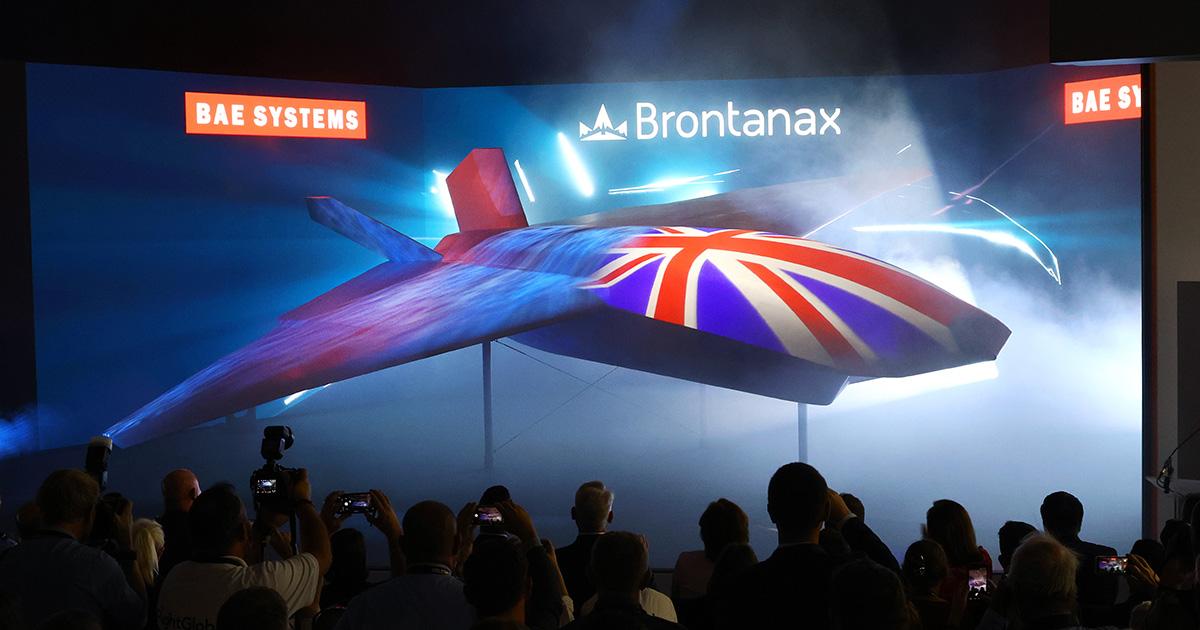
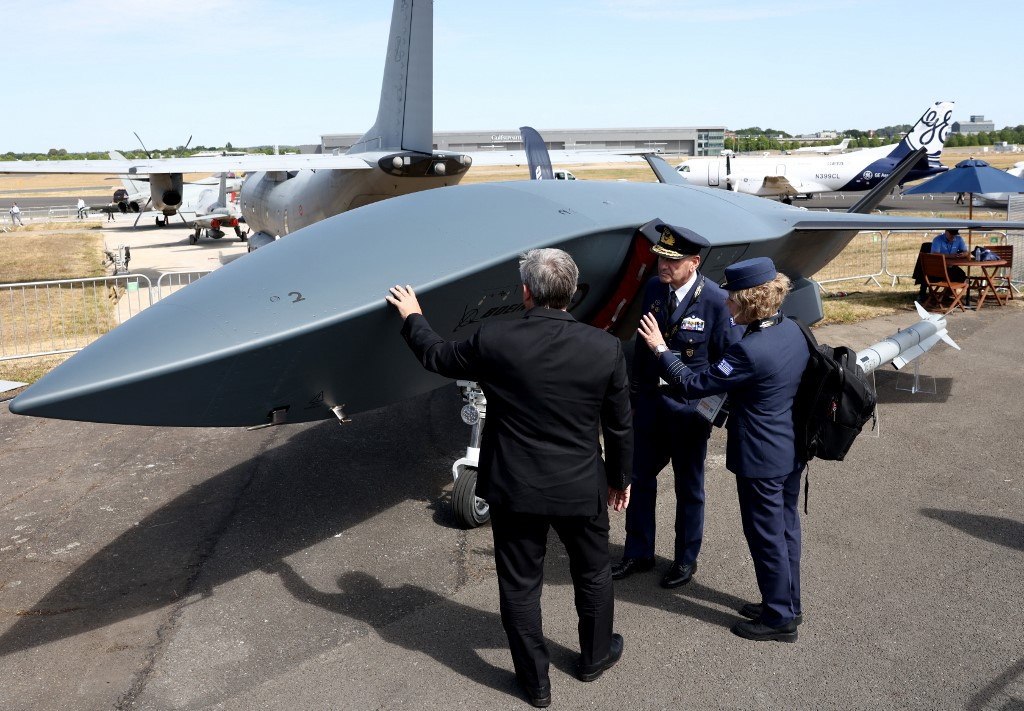
Why does a CCA have to be more than an ammo carrier? Why does it have to be more than a runner, a courier, an orderly?
Why does it need to do anything more than put weapons into the hand of people operating in a contested area?

The more complexity the greater the price. And that is undesirable.
The more complexity the slower the manufacture. And that is undersirable.
The more the complexity the greater the reliance on the supply chain. And that is undesirable.
And the greater the price, the slower the delivery, the more tenuous the supply, the greater the tendency to husband the weapons and to protect them.


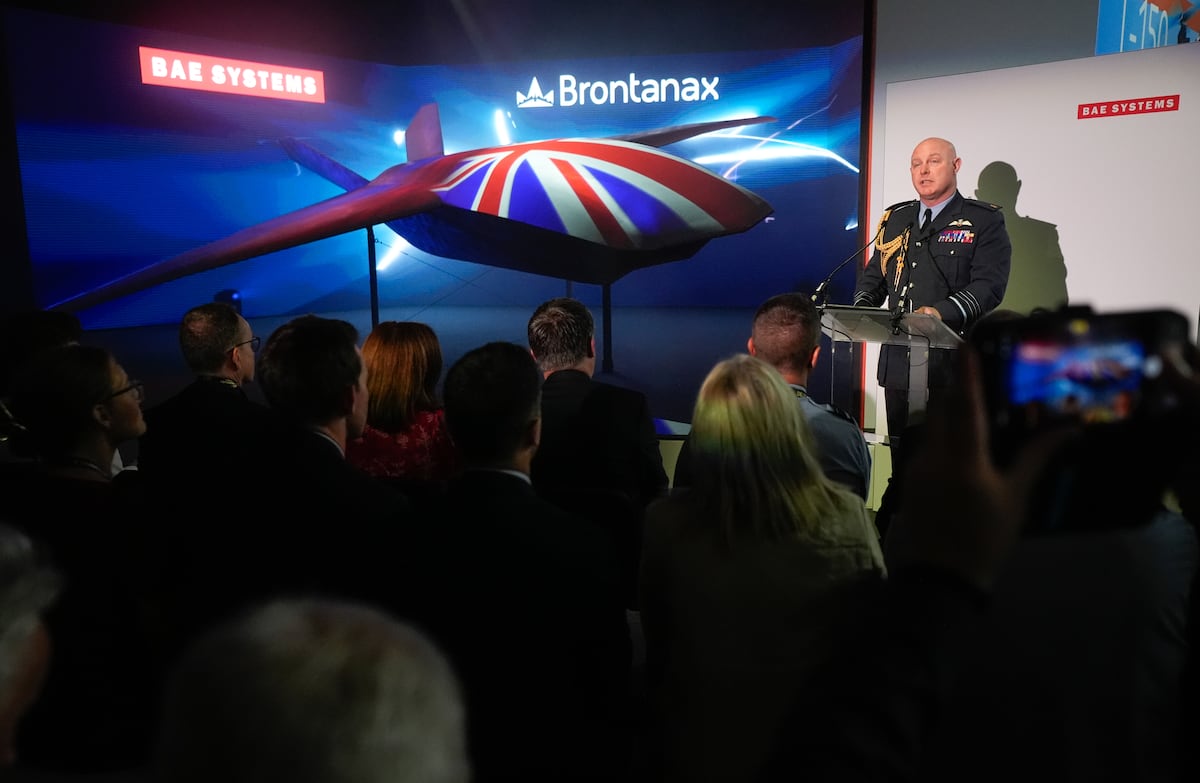
CCAs are currently being priced relative to fighters.

Fighters cost around 100 MUSD.
The CCA targeted price point is an order of magnitude lower or 10 MUSD
The solutions on offer are priced between 3 MUSD and 30 MUSD. That conforms to well established statitical practices.
The competition then becomes one of: here is what can be accomplished for 3 MUSD. Why should I buy your 30 MUSD offering insteadof just buying 10 of the 3 MUSD versions?

Does my CCA need to dodge and weave and survive? Or am I better off with a pilot in the air with a full tank of gas and no on-board weapons but with 10 3 MUSD weapons carriers in trail?

And what is necessary to deliver those weapons carriers to their launch point as quickly as possible? Pallets from jet transports? Jet carriere for the weapons carriers that effectively act as recoverable boosters? Or rocket boosters?

I am decidedly in the flood-the- zone camp. Rapidly build lots of adequate low cost carriers and force the enemy to knock them out the sky.

Shermans and not King Tigers. But with no crews to worry about.
 
I don’t think you understand what ‘low velocity’ recovery really means when something hits the earth.

Tell that to my knees. The result of an unintentional downwind landing - own goal on that one.

You have to harden the system to take the impact with something like concrete for it to be reusable. Which adds weight and cost, and quite frankly some things just won’t take repeated impacts. You then get into larger parachutes, larger air dwell times, uncertain recovery envelopes, or much more fancy parachute navigation.

What if you just don't care? If close is good enough? In Burma chutes were in limited supply. A lot of goods were just bundled out the back of Dakotas and impact losses were accepted.

Juice and squeeze. How much extra cost and complexity is justified? And the answer is calculated on a case by case basis.

Works well over controlled areas for a booster rocket.

Then use it where it works. And do the other, more expensive thing, elsewhere if you have to.

Starlink is a commercial system. It should not be used as an example for military/government satellite communications for many reasons.

I am not referring to the exquisite intricacies of bandwidth, frequencies, Maxwell and Faraday. I am talking about the simpler and well recognized concept, even in military circles, of multi-nodal webs with lots of redundancy.

IMHO Russians are not good at EW. Earlier on in Ukraine there was a captured EW system that folks where all bragging about being cutting edge and going to give NATO a lot of insight. The same system was rusting out at Ft Meade as it’s been in USG hands for years.

You can say exactly the same about Russian SAM systems. The fact of the matter is nobody knows what is going to work until the enemy gets a chance to blow things up.

Being good would allow much more surgical applications of effects. For some tasks being good would mean an invisible hand not something akin to a drunk Grizzly Bear in a seafood market.
Russians can pump power - so in someways they can shut down everything.
I’m more concerned about China on this respect.

There is a place for precision and the surgical approach. In peacetime it is especially useful if you want disturb the peace withuot disturbing the peace.

But wars are won by mass effects, not rapier strikes. And mass should be cheap.
 
Back
Top