Thinking at scale is absolutely necessary and so is thinking long term.
Personally I can't see a 60k vehicle contract. I do see a continuous contract that spells out our needs but see that spread between manufacturers.
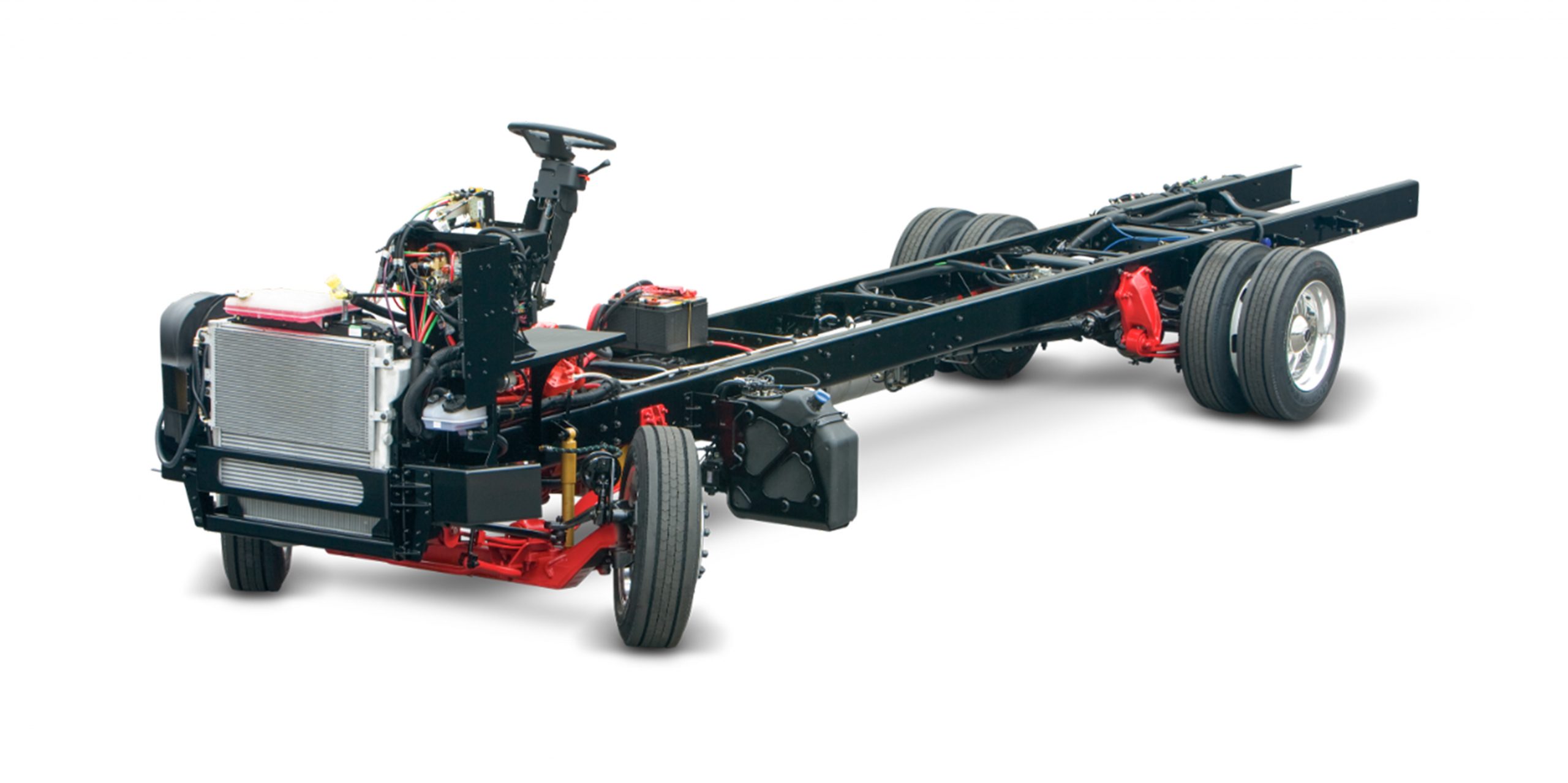
Let GM or Ford or whoever, provide their basic 550 chassis in whatever form it comes off their standard production line that year in the same way that they provide chassis to recreational vehicle manufacturers:
Basically have it come with the heaviest suspension, wheels, accessory power supply and engine they make. That makes it cheap and ensures that new automotive improvements come with it over time. That should also come with a stock of parts and the statutory guarantee that chassis parts are produced for ten years as a minimum. If possible tie the manufacturer to turning out x copies per year indefinitely until there is a replacement base chassis agreed to.
The chassis is then handed over to one or two secondary manufacturer who are responsible for building the various SEVs to complete the required vehicles from unarmoured ISV-like, armoured senator-like or armoured and unarmoured logistic-type required.
The secondary manufacturers remain responsible for continuously adapting their SEV kits to conform to chassis changes which might come along from time-to-time.
Yes, that means that from time to time there will be changes to the chassis which means that you start running A1E1; A1E2 versions of vehicles arriving in the fleet which might need grouping them but that's just the way it is. The most logical grouping is a hand-me-down structure from RegF operationally deployed to RegF back home to ResF thus ensuring that the OPFOR has the most current easy to maintain version and the ResF gets the older vehs capable of low usage training but still mobilization capable.
Chassis manufacturers generally don't get fancy with changes very often - engines maybe, wheels, shocks etc are mostly generic. Considering the high level of sophistication of databases these days the ability to supply the right part for the right vehicle is very high. Parts and maintenance data undoubtedly comes directly from the manufacturer. Usage rates for parts should come automatically to the system and logistics systems ought to be able to predict and stock parts well beyond the 10 year limit and, if necessary where an essential OEM part is no longer manufactured, generate an ersatz part.
SEV kits are simple so long as the kit manufacturer is required to design its SEV kit to be capable of modifying the mounting as the OEM chassis changes over time without the need to change the basic SEV module itself. This also allows for module modifications as downstream needs change. This demands some rigour within the customer base to not demand constant SEV mods but again, mod suggestions can be held and grouped until a new "E2" model is introduced and a decision is made to upgrade existing E1 models to E2 standards. The US army runs numerous different models concurrently.
IMHO, the best structure is to have one chassis OEM (a large-scale national commercial manufacturer) and one SEV OEM (a moderate-scale single customer manufacturer) in order to simplify the basic supply system. If more than one is desired it should be based on SEVs - say one SEV manufacturer for armoured kits and another for unarmoured ones. And of course a modular RWS manufacturer for the weapon kits added to some SEVs.
$0.02