- Reaction score
- 13,990
- Points
- 1,160
American story but a Canadian, and Western, problem.
The limitations of the rule of laws designed for peacetime when applied to wartime.
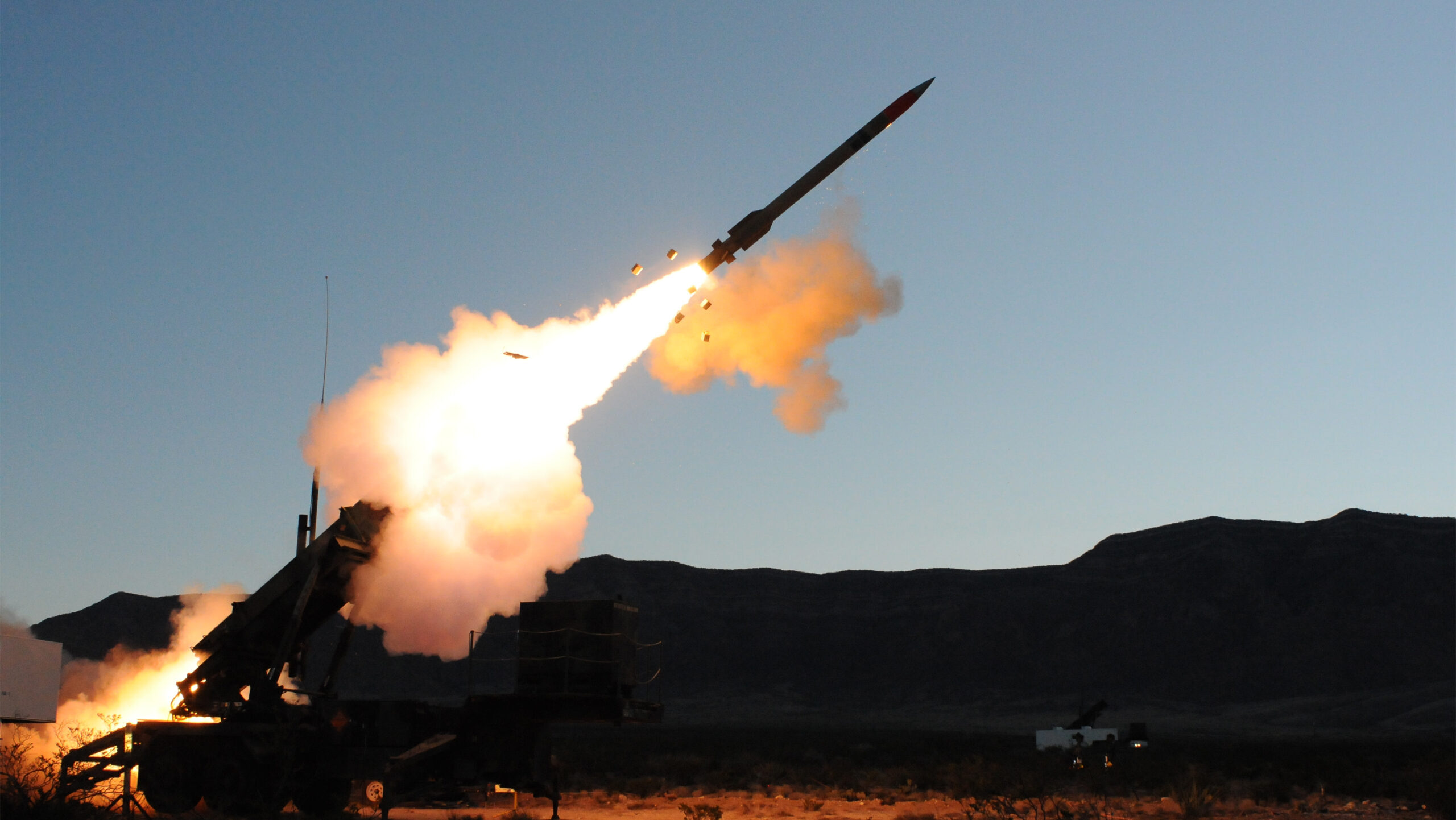
 breakingdefense.com
These are the types of situations for which the Emergency Measures or Wartime Powers acts are required.
On the other hand, even in peacetime, there is an argument that the defence industries should not be held to the same standards as other commercial enterprises but need their own regime for operation and control.
The limitations of the rule of laws designed for peacetime when applied to wartime.
Pentagon aims to sidestep potential 'collusion' through Defense Production Act: Senior official - Breaking Defense
"Our interest is using voluntary agreements .... For us to articulate problems to them around nasty issues in the supply chain and the industrial base that allow them to communicate and work together, essentially collude," said Michael Cadenazzi, the assistant secretary of Defense for Industrial...
breakingdefense.com
These are the types of situations for which the Emergency Measures or Wartime Powers acts are required.
On the other hand, even in peacetime, there is an argument that the defence industries should not be held to the same standards as other commercial enterprises but need their own regime for operation and control.