- Reaction score
- 8,945
- Points
- 1,260
The guy is clueless, in this case, then.2024


The guy is clueless, in this case, then.2024
I have a hope with the term "strategic partnership" as heralding a new vision for armoured vehicle production. This is to create a move away from transactional, feast or famine, projects to a directed joint system where DIA staff and CAF project and maintenance staff all partner with GDLS-C design and production staff to create solutions to future needs.
Would Denmark/Norway/Sweden/Finland ever have any interested in an expanded version of this to include their northern regions?
Lots of possibilities but in my view the "strategic partnership" is most decidedly not new.
It's amazing what a seperation crisis can stir-up...
Funnily enough that’s what I thought of too.So….a spiderman web slinger?

 breakingdefense.com
 www.militarytimes.com

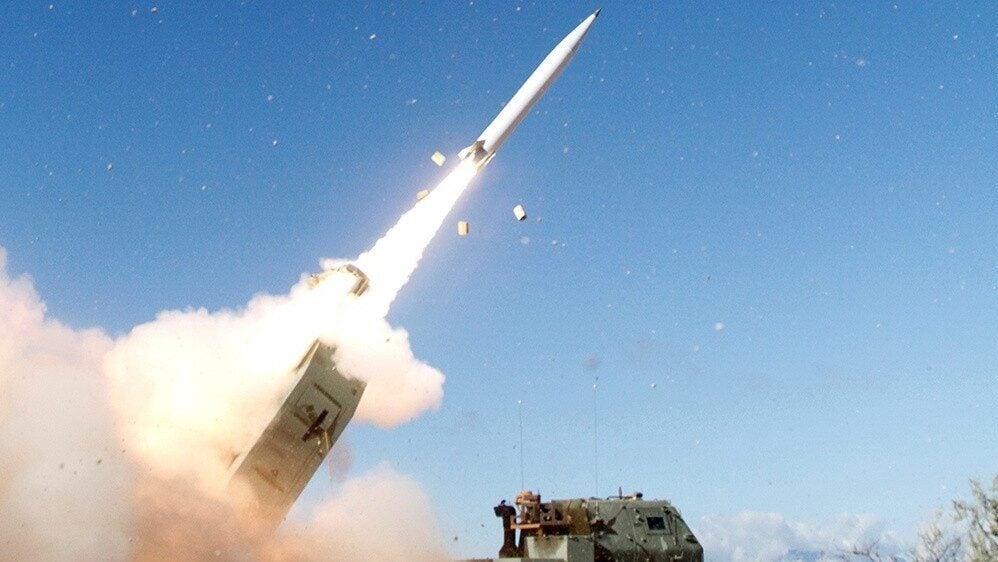
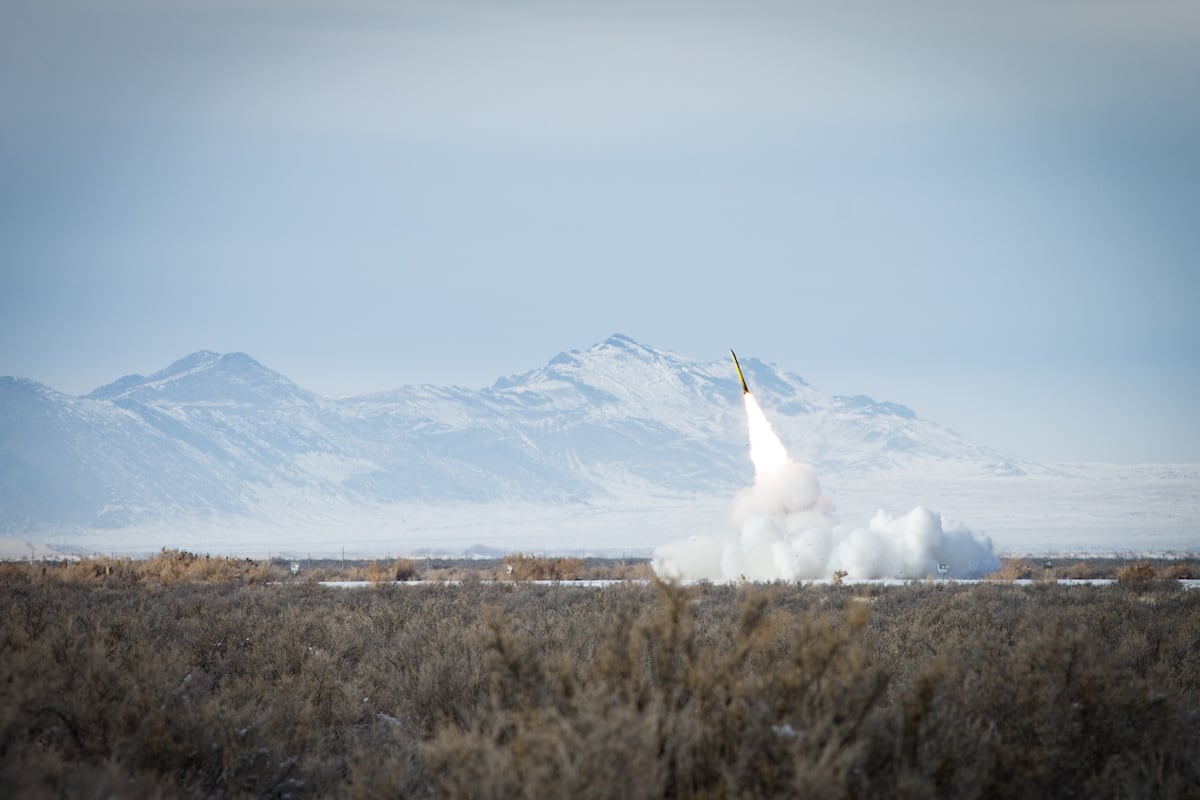
US opening up military ranges to civilians to speed development.
Army opens test ranges to private industry
The effort, the Army says, is designed to hasten the development and testing of drones, counter-drone systems, long-range fires and cheap interceptors.
.....
Different tangent - should the CAF open up small arms ranges to speed development of a volunteer corps?

It was recce platoon and they snuck out in to town to go drinking. One of the Americans hit one of our guys in the face with a sock filled with a pool ball. The Americans actually got the crap beat out of them after that, and when the local police arrived, allegedly, a taser was deployed but the officer deploying the taser was "disarmed" LOL. It all would have remained OPSEC but their cover was blown because the one lad who took a pool ball to the face ended up in the hospital.Shockwave 13. I heard that was quite the brawl, especially when the Americans cheated by putting pool balls in their bandanas.
Fort Irwin was the first time I heard about US Soldiers killing themselves on base wide runs. Also challenged an American soldier to a long distance run; won't say who won but I ended up getting so dehydrated I stopped to drink water out of a discarded plastic water bottle on the side of the road. Pretty fond memories of there, obviously.
You'd have better luck opening up more swimming pools or hockey arenas. It's almost impossible to get rifle range approved.
It only takes a few weeks to teach any recruit to shoot, once they're in BMQ etc, anyways.
Providing incentives from the CAF to the (huge and nation-wide) youth sports sector is probably a better use of time and money as we want people who are physically fit and team motivated, especially during this age of the 'Screen Ager'.
Different tangent - should the CAF open up small arms ranges to speed development of a volunteer corps?

That is definitely not new --US opening up military ranges to civilians to speed development.
Army opens test ranges to private industry
The effort, the Army says, is designed to hasten the development and testing of drones, counter-drone systems, long-range fires and cheap interceptors.
.....
Small Arms is near and dear to my heart -- but the CAF needs more ranges and range time for current units, let alone the expected increase in personnel - before one looks at a Volunteer Corp (speaking of which does the DCRA still exist?)Different tangent - should the CAF open up small arms ranges to speed development of a volunteer corps?
You can have a decent indoor range in the same footprint of a Hockey Arena -- so make a range in the basement - and Hockey above - and you have almost the optimal training facility.You'd have better luck opening up more swimming pools or hockey arenas. It's almost impossible to get rifle range approved.
Outside CANSOFCOM, the CAF doesn’t really know how to shoot.It only takes a few weeks to teach any recruit to shoot, once they're in BMQ etc, anyways.
There are a lot of dual purpose sports that the CAF should have leaned into year ago to promote.Providing incentives from the CAF to the (huge and nation-wide) youth sports sector is probably a better use of time and money as we want people who are physically fit and team motivated, especially during this age of the 'Screen Ager'.
That is definitely not new --
It was going on in GWOT, and earlier.
Small Arms is near and dear to my heart -- but the CAF needs more ranges and range time for current units, let alone the expected increase in personnel - before one looks at a Volunteer Corp (speaking of which does the DCRA still exist?)
You can have a decent indoor range in the same footprint of a Hockey Arena -- so make a range in the basement - and Hockey above - and you have almost the optimal training facility.
Outside CANSOFCOM, the CAF doesn’t really know how to shoot.
Which isn’t surprising most Militaries are bad at that.
Generally LEA’s are much better at training firearms usage in practical situations (the liability specter).
There are a lot of dual purpose sports that the CAF should have leaned into year ago to promote.
Like Biathlon, and make an effort at a reasonable modern pentathlon - the current one is awful.
Please no.Cadet Instructors Cadre
7800 currently.
Reassign, retrain and expand.
Please no.
I’m all for changes to Cadets - but the CIC just needs to be purified with/by fire.
Dismiss it entirely, and start from scratch.
Oh, c'mon! What do you really think?
As a former cadet and someone who knows a few CIC, absolutely agree. We don't mandate anything for them now. They aren't required to meet UoS. They aren't required to do any annual requirements on fitness, health, etc. You would lose the majority of them if any sort of standards were applied.
I don't want armed randoms on a base. Sorry.


I the CAF started putting military expectations on CIC officers, that number would likely drop to 750 that were both willing and able to meet the expectations. We'd likely do better just recruiting off the street from civilian supervisors and managers that like guns...300,000 new volunteers
7500 reassigned CIC PYs
40 volunteers for each leader.
How about making more ranges available under the auspices of the CAF? Make them available to those 300,000 vetted volunteers the CAF is looking for...