• Thanks for stopping by. Logging in to a registered account will remove all generic ads. Please reach out with any questions or concerns.

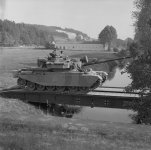
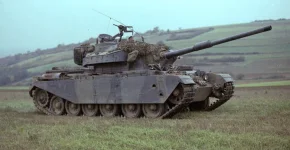
Canadian Centurion tank

A couple of points.

- CARC isn't so much a paint scheme but a paint formulation - Chemical Agent Resistant Coating - used in camouflage paint.

- note @exspy's comments about Canadian three-tone. There was a Canadian specific three-tone that preceded the NATO scheme and was used before and concurrently by the CAF (mostly in Canada) It's green and black and a third colour that sometimes appears greenish and other times more greenish with hints of tan. The article I cited above describes the distinction.

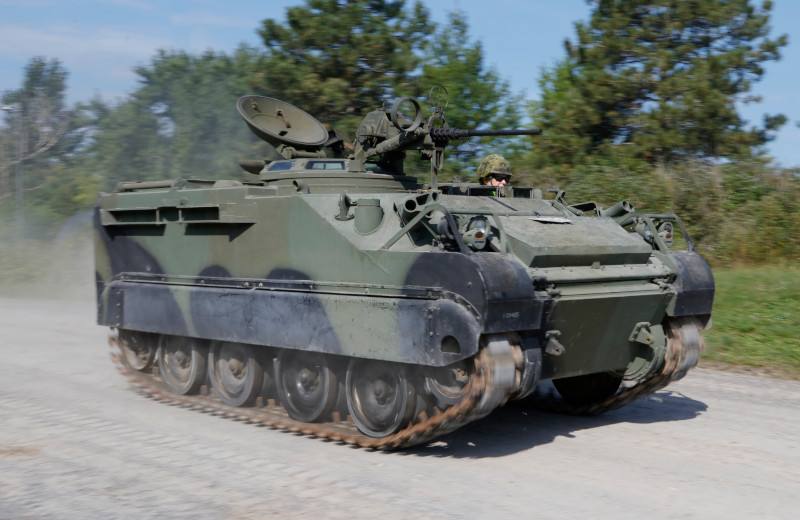
- the artillery regiments that I served with basically used the NATO three-colour scheme described above. AVGPs were slightly different and if memory still serves me right came in the Canadian three-colour scheme albeit I've seen pictures that appear more just green and black. The only centurions I worked with were Mark 5s in Canada and so the Canadian three-colour. By the time I did flyover deployments to Germany we had the Leopard 1s and all the equipment - guns, APCs, trucks etc. - was NATO three-colour by then. Back home we had MLVWs and 5/4 tons that were basically two-tone - black and green - and many newer vehicles coming on line that were just green.

- the trouble with most pictures of Canadian centurions in Europe are in the field and they are covered with dust and dirt which was frequently reddish-brown. That makes it very hard to tell if they are Canadian three-tone or NATO three-tone. The dates that your dad was there would help determine it and I think only an old tanker like @exspy or the museum in Oshawa would be able to nail it down for you.
Don't know if the Armour corp did it for their tanks, but in the artillery, we used to have to regularly slap Varsol and oil on the vehicles and guns to preserve them, which gave them a nice sheen, till you went into the field and then dust clung to it.
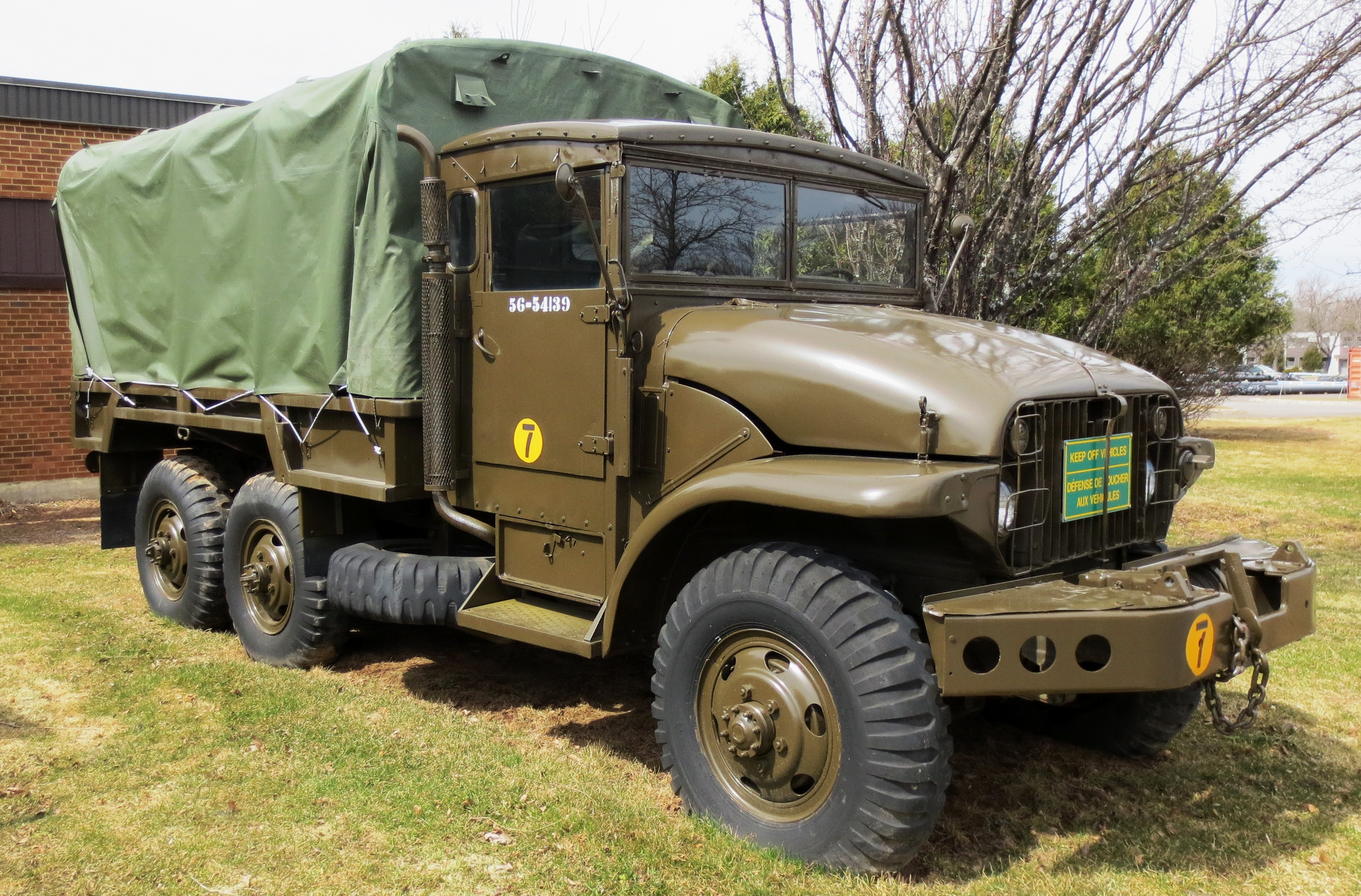
That was standard practice before the three colour system. With the 1960's olive drab scheme, the Varsol gave the trucks and guns a nice shiny pop. They looked like this:

66ad041e5fea7ad944980f9b_610027e0886008c9bbca8ab7_2-5-ton-Cargo-Truck-CFB-Gagetown-New-Brunswick-1.jpg


And yeah - I saw Ferrets and

It didn't work with the three paint scheme and wasn't allowed to be done - which of course didn't stop the practice with NCOs having to NCO.

🍻
 
Don't know if the Armour corp did it for their tanks, but in the artillery, we used to have to regularly slap Varsol and oil on the vehicles and guns to preserve them, which gave them a nice sheen, till you went into the field and then dust clung to it.
Oh that's interesting, would you happen to have a good reference photo for that? Not necessarily Canadian but just demonstrate the sheen?
 
A couple of points.

- CARC isn't so much a paint scheme but a paint formulation - Chemical Agent Resistant Coating - used in camouflage paint.

- note @exspy's comments about Canadian three-tone. There was a Canadian specific three-tone that preceded the NATO scheme and was used before and concurrently by the CAF (mostly in Canada) It's green and black and a third colour that sometimes appears greenish and other times more greenish with hints of tan. The article I cited above describes the distinction.

- the artillery regiments that I served with basically used the NATO three-colour scheme described above. AVGPs were slightly different and if memory still serves me right came in the Canadian three-colour scheme albeit I've seen pictures that appear more just green and black. The only centurions I worked with were Mark 5s in Canada and so the Canadian three-colour. By the time I did flyover deployments to Germany we had the Leopard 1s and all the equipment - guns, APCs, trucks etc. - was NATO three-colour by then. Back home we had MLVWs and 5/4 tons that were basically two-tone - black and green - and many newer vehicles coming on line that were just green.

- the trouble with most pictures of Canadian centurions in Europe are in the field and they are covered with dust and dirt which was frequently reddish-brown. That makes it very hard to tell if they are Canadian three-tone or NATO three-tone. The dates that your dad was there would help determine it and I think only an old tanker like @exspy or the museum in Oshawa would be able to nail it down for you.


That was standard practice before the three colour system. With the 1960's olive drab scheme, the Varsol gave the trucks and guns a nice shiny pop. They looked like this:

66ad041e5fea7ad944980f9b_610027e0886008c9bbca8ab7_2-5-ton-Cargo-Truck-CFB-Gagetown-New-Brunswick-1.jpg


And yeah - I saw Ferrets and

It didn't work with the three paint scheme and wasn't allowed to be done - which of course didn't stop the practice with NCOs having to NCO.

🍻
Ah okay I see how you mean, it's like a dull shine in a way
 
A couple of points.

- CARC isn't so much a paint scheme but a paint formulation - Chemical Agent Resistant Coating - used in camouflage paint.

- note @exspy's comments about Canadian three-tone. There was a Canadian specific three-tone that preceded the NATO scheme and was used before and concurrently by the CAF (mostly in Canada) It's green and black and a third colour that sometimes appears greenish and other times more greenish with hints of tan. The article I cited above describes the distinction.

- the artillery regiments that I served with basically used the NATO three-colour scheme described above. AVGPs were slightly different and if memory still serves me right came in the Canadian three-colour scheme albeit I've seen pictures that appear more just green and black. The only centurions I worked with were Mark 5s in Canada and so the Canadian three-colour. By the time I did flyover deployments to Germany we had the Leopard 1s and all the equipment - guns, APCs, trucks etc. - was NATO three-colour by then. Back home we had MLVWs and 5/4 tons that were basically two-tone - black and green - and many newer vehicles coming on line that were just green.

- the trouble with most pictures of Canadian centurions in Europe are in the field and they are covered with dust and dirt which was frequently reddish-brown. That makes it very hard to tell if they are Canadian three-tone or NATO three-tone. The dates that your dad was there would help determine it and I think only an old tanker like @exspy or the museum in Oshawa would be able to nail it down for you.


That was standard practice before the three colour system. With the 1960's olive drab scheme, the Varsol gave the trucks and guns a nice shiny pop. They looked like this:

66ad041e5fea7ad944980f9b_610027e0886008c9bbca8ab7_2-5-ton-Cargo-Truck-CFB-Gagetown-New-Brunswick-1.jpg


And yeah - I saw Ferrets and

It didn't work with the three paint scheme and wasn't allowed to be done - which of course didn't stop the practice with NCOs having to NCO.
🍻
Okay I think im seeing it now... after seeing the article, and looking at Exspys photo again, and it looks like the center green stripes are dark and the green stripes fore and aft of the black are the lighter green
 

Attachments

  • Centurion south of Wurzburg Oct 75.webp
    Centurion south of Wurzburg Oct 75.webp
    68.6 KB · Views: 3
Ah okay I see how you mean, it's like a dull shine in a way
There's no shine whatsoever.

Modern military paints need to fulfill many functions. These include durability to very rough wear and tear, rust protection, non absorption of chemicals and chemical agents, resistant to heat and cold, non reflective to light, reducing infra-red signatures . . . the list goes on and on. The colour pattern used to mean a lot when most sensor systems relied on visual acquisition and being able to distinguish friend from foe. That's not unimportant and many companies make their living coming up with ever changing colour patterns and designs. IR and thermal signatures can see through all of that which is why you see less and less importance put on paint schemes (Half the US army is still in desert tan while the rest is in NATO three colour and most of our kit is just one-tome green.

Okay I think im seeing it now... after seeing the article, and looking at Exspys photo again, and it looks like the center green stripes are dark and the green stripes fore and aft of the black are the lighter green
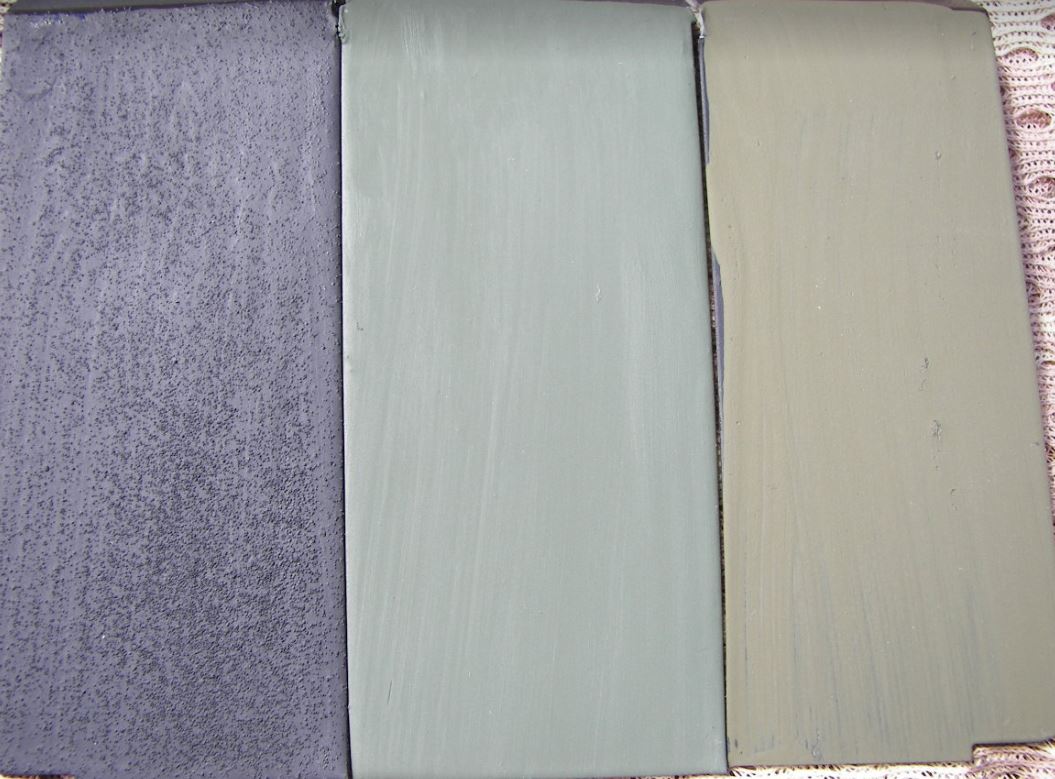
Yup - and when you look at this photo on the Canadian three-colour and its caption:

paint.jpg

Paint chips courtesy of Anthony Sewards. Note how close the two greens are. A little bit of dirt or dust and they almost appear to be the same colour.

you can see the issue. Add to that old camera film, aging photo prints and bad lighting and the variations are endless.

🍻
 
Back
Top