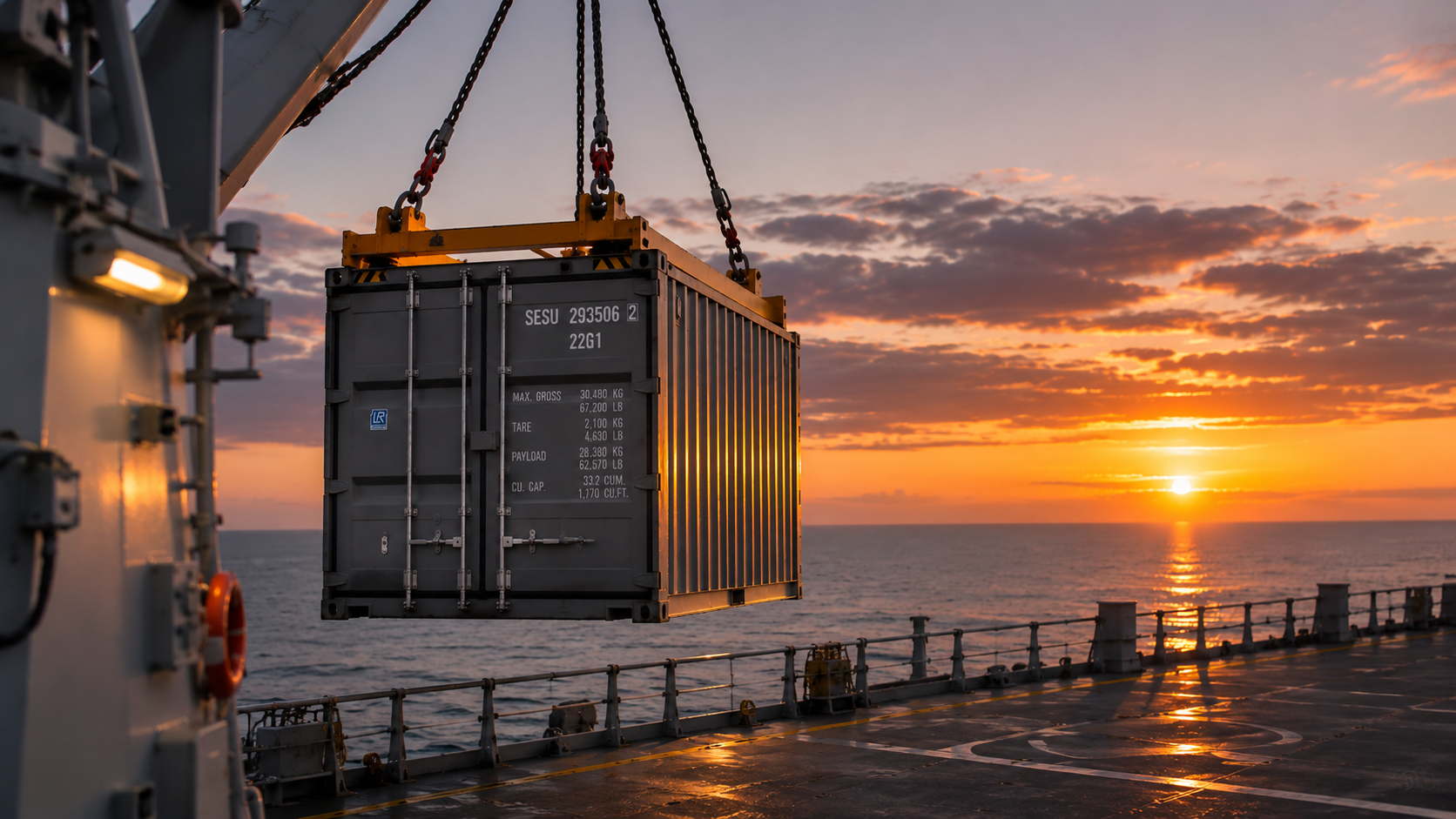
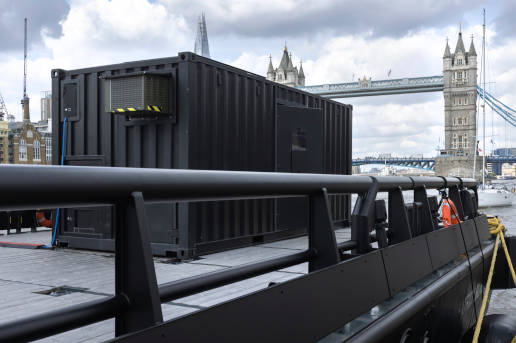
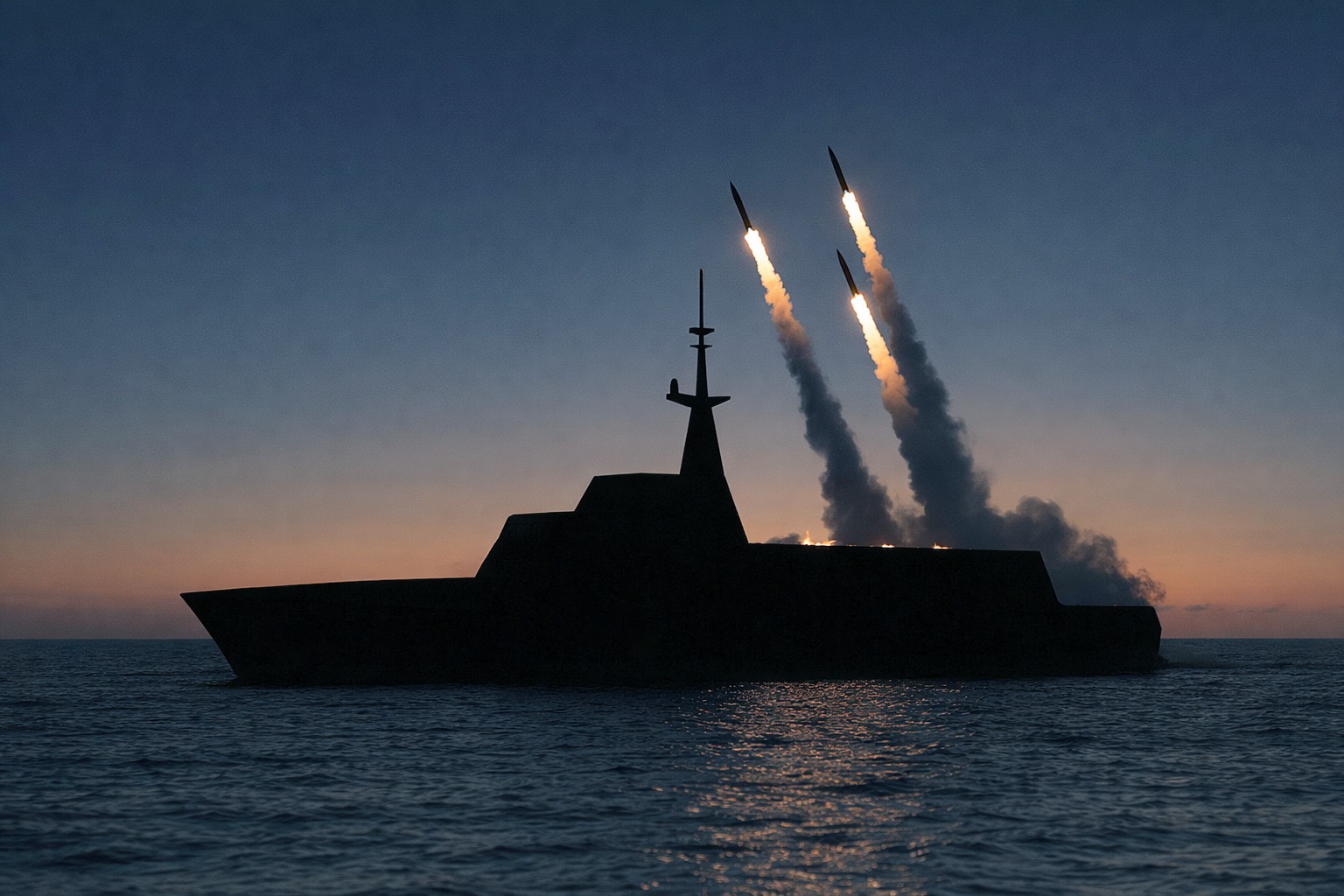
There is certainly merit to modularity for supplementary capabilities, supporting uncrewed systems and facilitating through-life modernization. However, even if we put aside the technical challenges of containerizing primary warfare systems, there is a fundamental difference between embarking a weapon system and generating a credible warfare capability. A ship's crew needs to routinely train with its weapons and sensors, develop and refine its doctrine and procedures, and have its collective warfare proficiency validated through exercises and workups. You cannot simply embark weapon systems and additional operators in a crisis and expect the ship to function as a cohesive fighting unit.
Then there is the economic argument. If you genuinely intend to up-gun these ships in wartime, you need to have already procured those systems, maintained them ashore, and trained sufficient personnel to operate and maintain them. You aren't going to issue a procurement contract for an AAW system when hostilities commence. If you're already bearing those costs, why not permanently install and integrate those systems into the ship, where they can contribute to operational readiness throughout its service life? Alternatively, if the intention is to procure fewer weapon systems than hulls, you're effectively limiting the number of credible combatants you can generate precisely when demand for those capabilities will be greatest.
My concern is that the enthusiasm for containerization risks conflating potential capability with actual operational capability. PODS could effectively become Fitted For But Not With, rebranded as innovation.



 www.navalnews.com