"The Air Force does need more airpower...
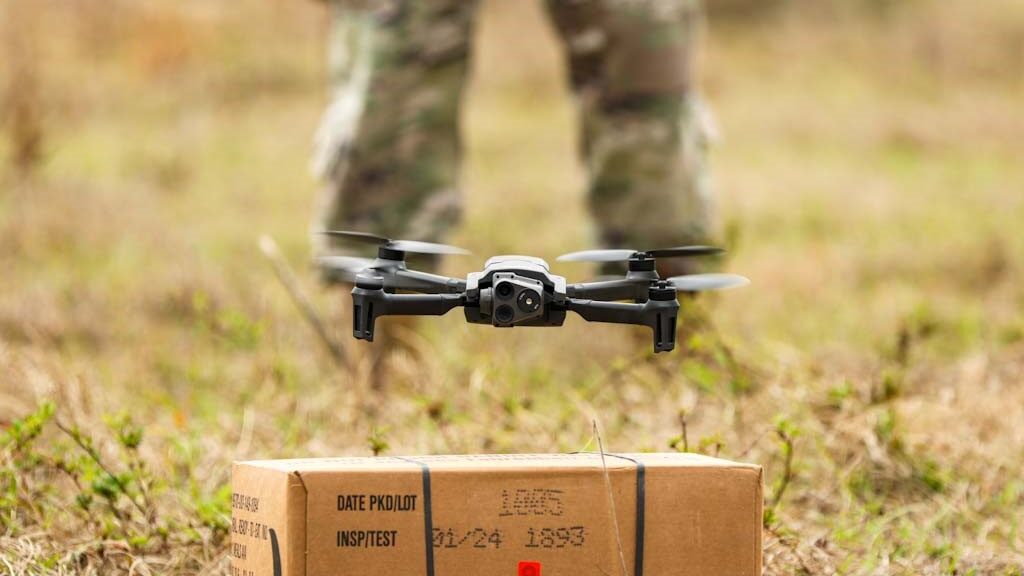
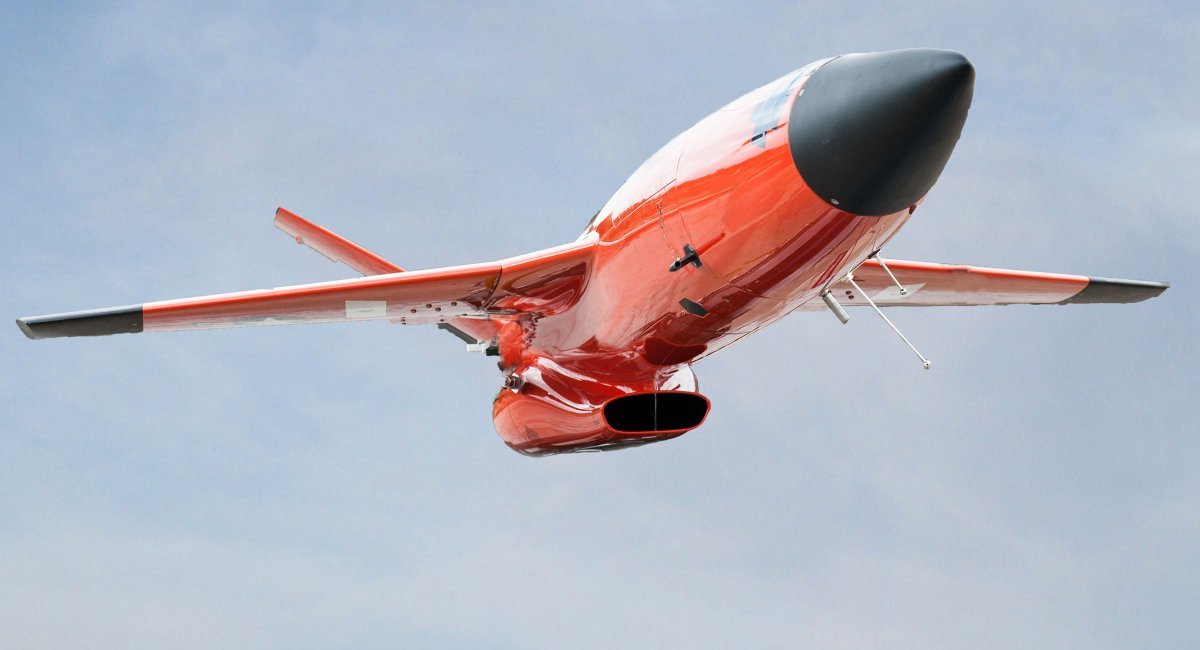
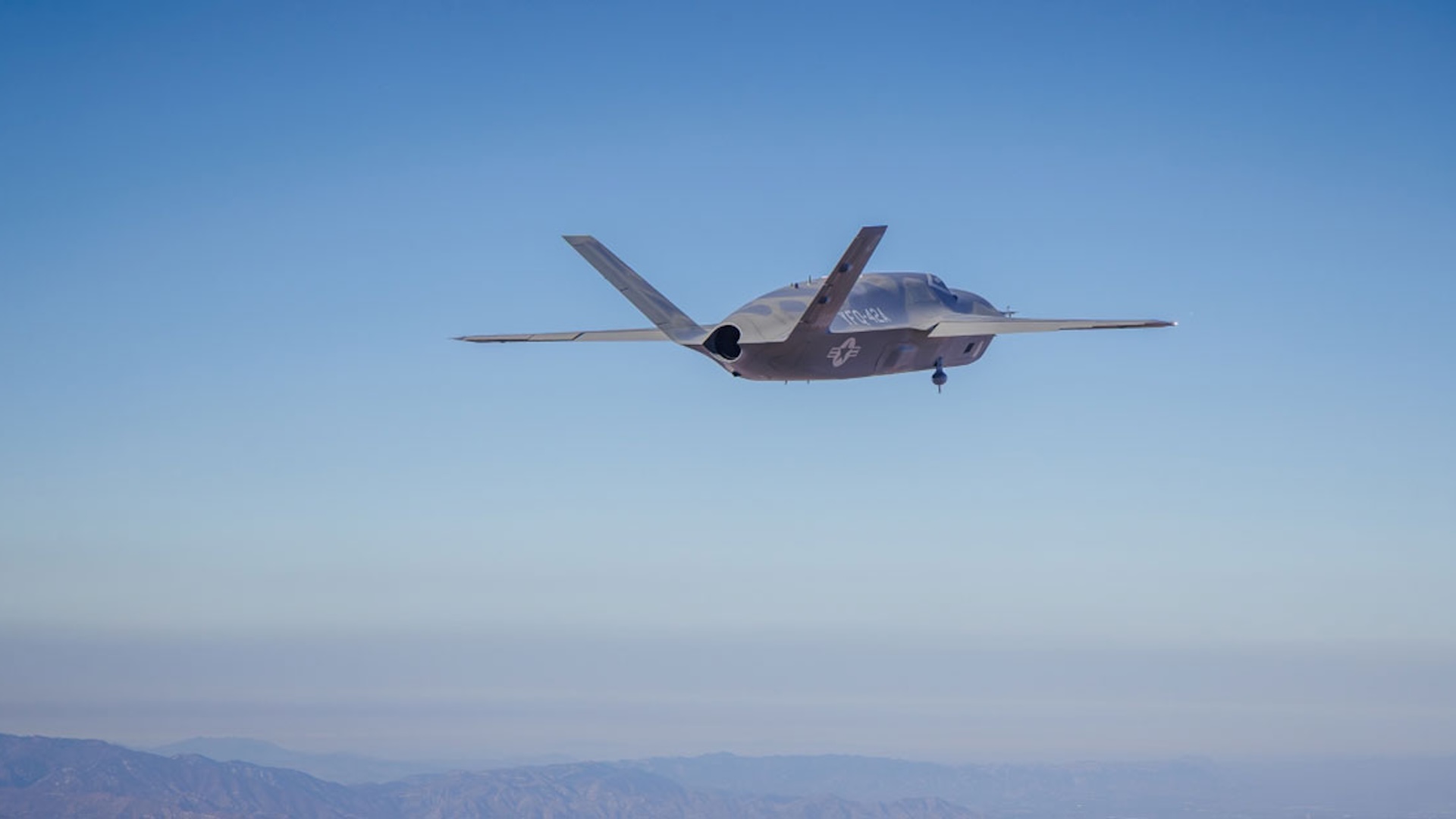
"...Persistent presence requires large numbers of lower-cost drones that can absorb losses, deep stockpiles of low-cost munitions that can sustain fires over time, and uncrewed aerial refuelers that can keep fighters and bombers over target areas....
"...Air control — the ability to deny an adversary the use of the domain while preserving one’s own — is increasingly accomplished by Army interceptors, Navy strike platforms, drones, and munitions fired from ships and submarines."
A fuller version follows.
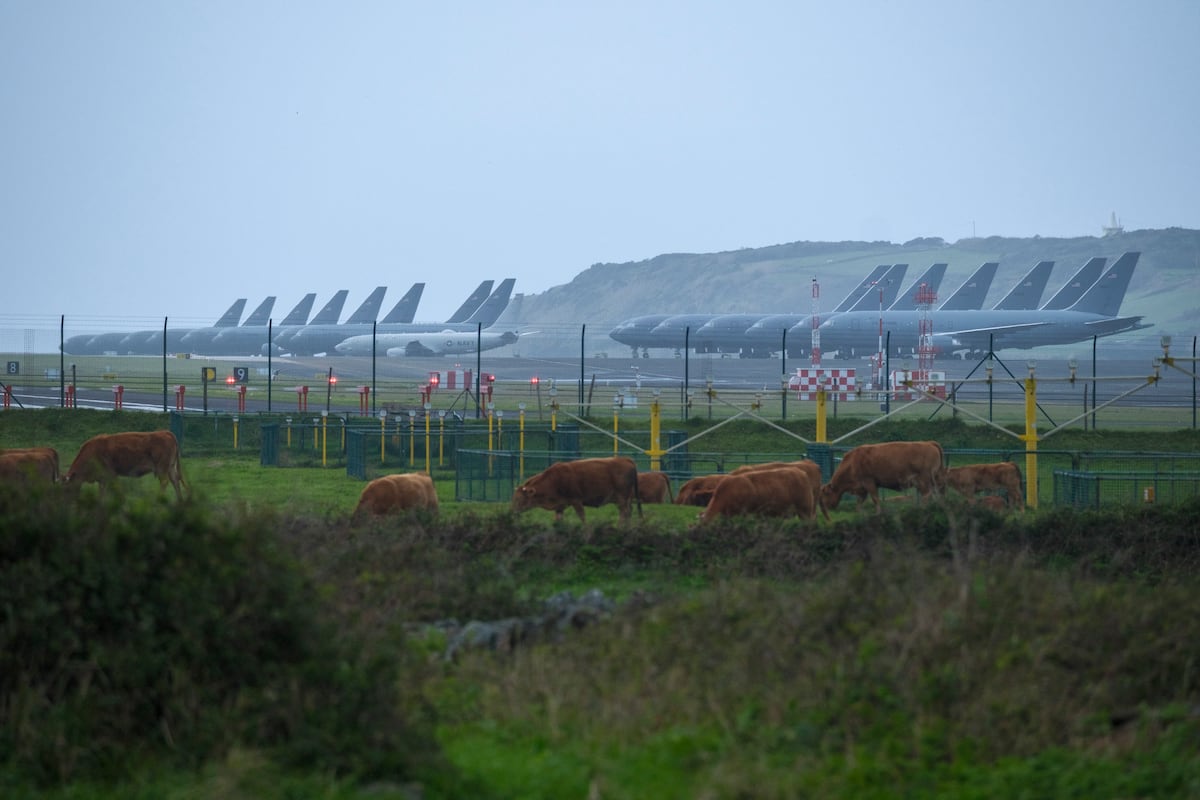
Opinion: Aircraft fly, but mass sails: The lengthy military buildup for a potential strike on Iran proves joint assets matter more than exquisite warplanes alone.

www.defensenews.com
Exquisite platforms buy exquisite capability for a narrow target set. They do not buy persistence — and persistence is what strategically effective airpower requires. Punishment, as Thomas Schelling argued, depends on the credible threat of continuing pain. What compels an adversary is not a single devastating blow, but the belief that costs will keep coming. Denial aims to degrade capabilities and foreclose retaliation. Both require sustained presence over time, which in turn demands mass.
Washington should have learned this lesson from the last strike on Iran. After a long planning and buildup period, the single night of B-2 strikes last June damaged facilities Iran had spent years building. Months later, however, the United States is assembling its largest regional military force since 2003 to re-engage. The parallel to the no-fly zone over Iraq in the 1990s is hard to ignore: Episodic airpower, while tactically impressive, is strategically inconclusive. Strategic effects require sustained pressure, persistent presence, and continuous operations that force an adversary to make acute choices rather than simply absorb a blow and wait.
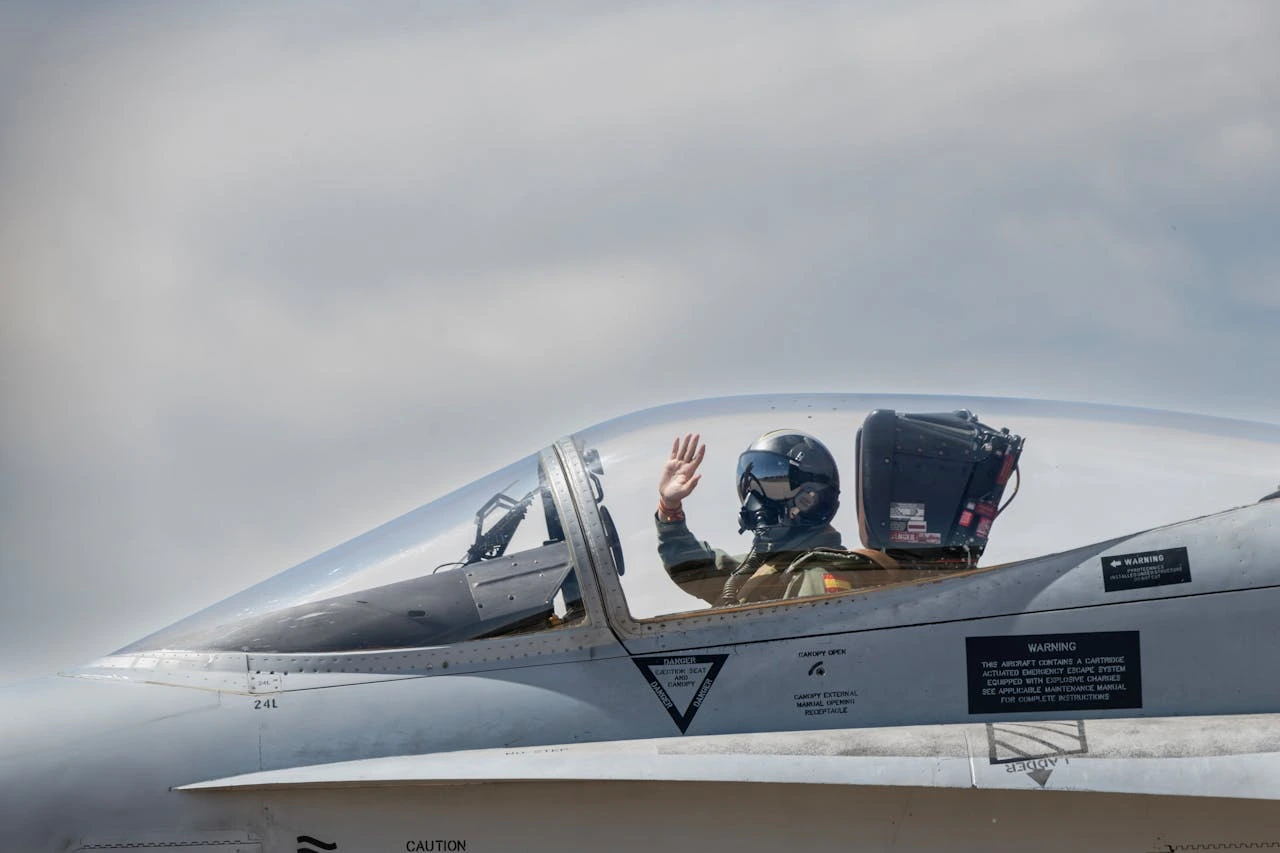
The gaps this buildup exposes are not in Air Force strike capabilities. They are in the Army’s ability to sustain air denial at scale, in the munition inventories required for persistence, and in the tanker fleet that keeps U.S. warplanes airborne. More B-21s and F-47s address none of these shortfalls. No procurement strategy centered on $700 million bombers or $300 million fighters can generate sustained presence at scale.
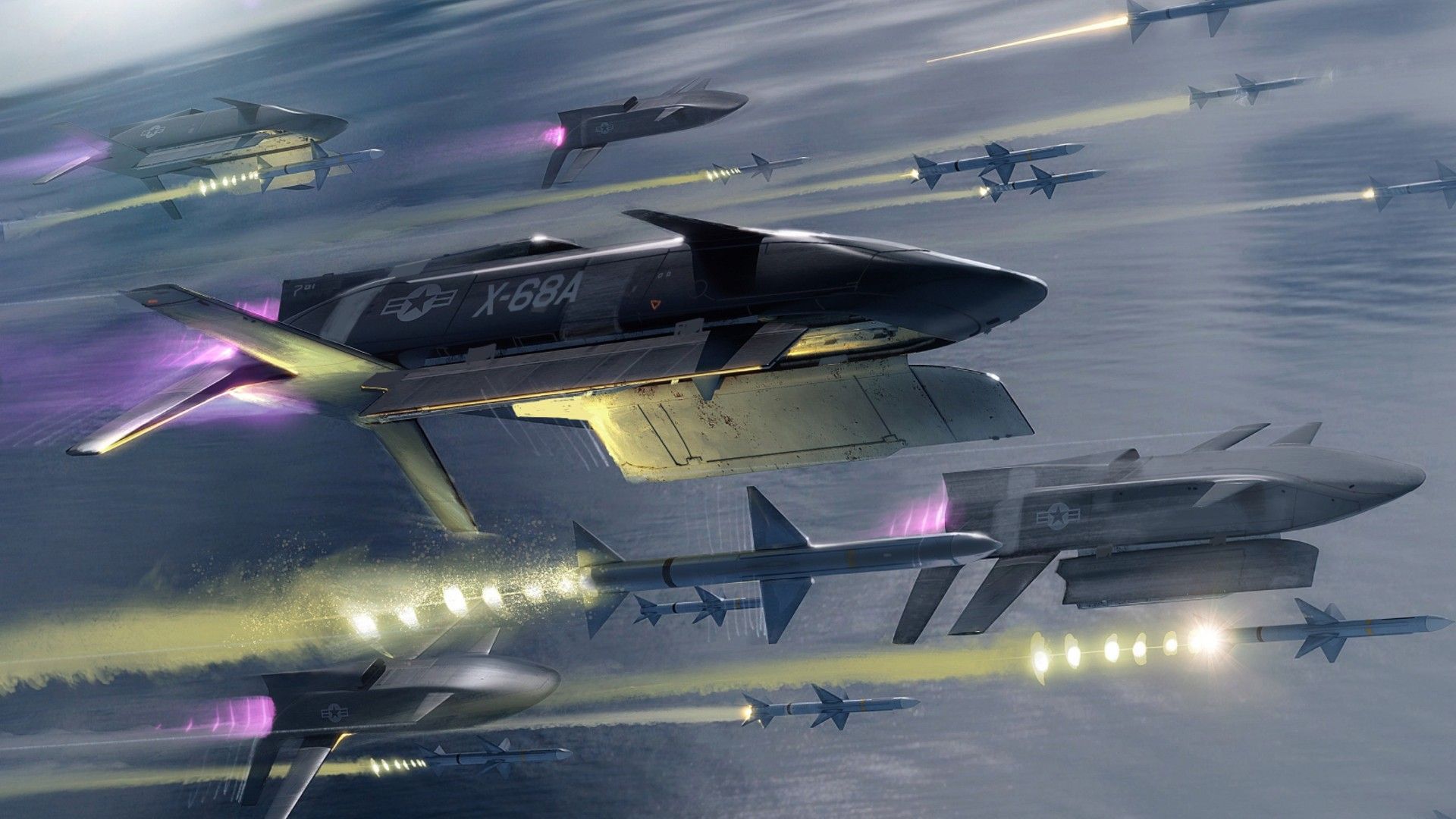
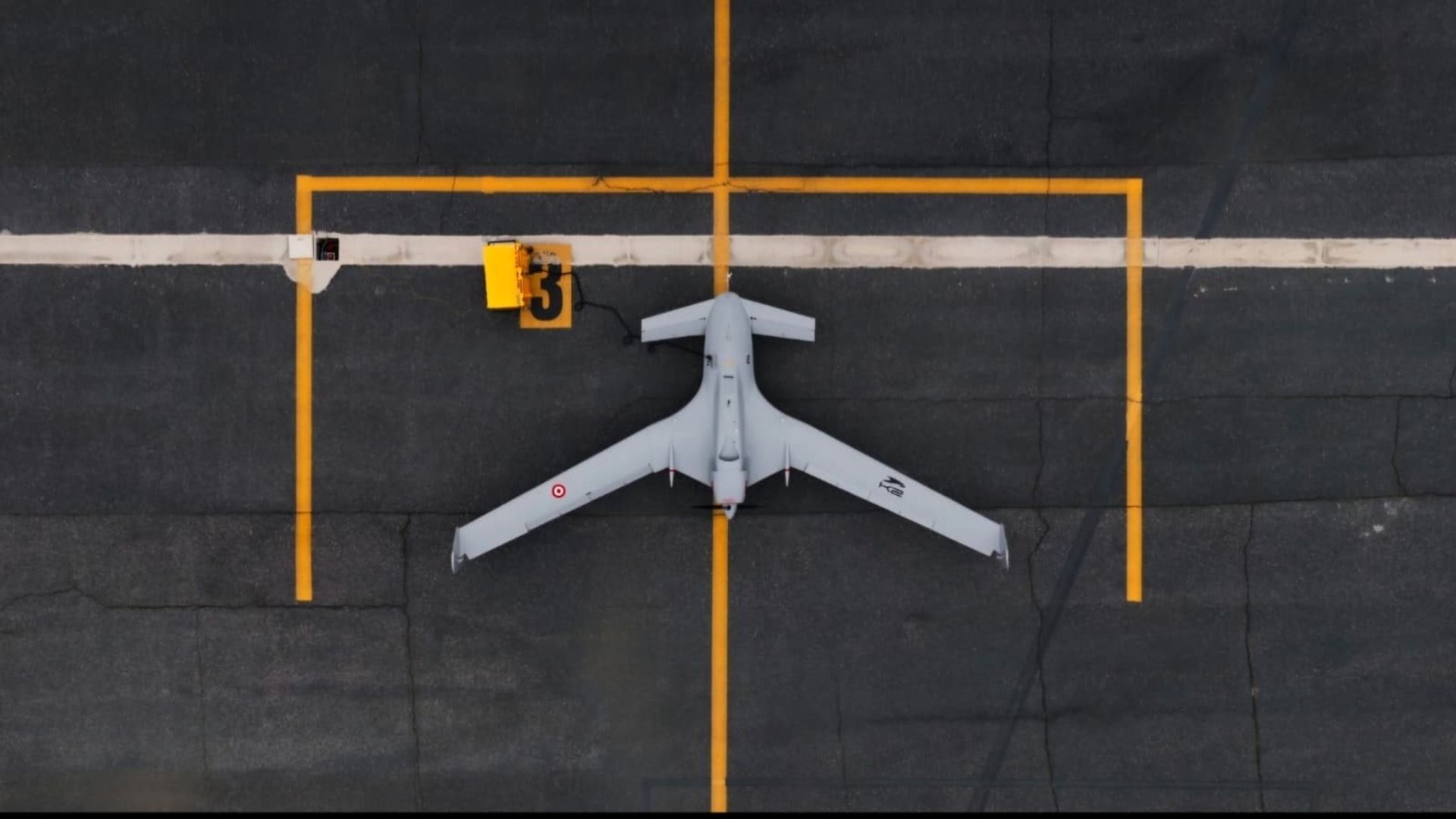
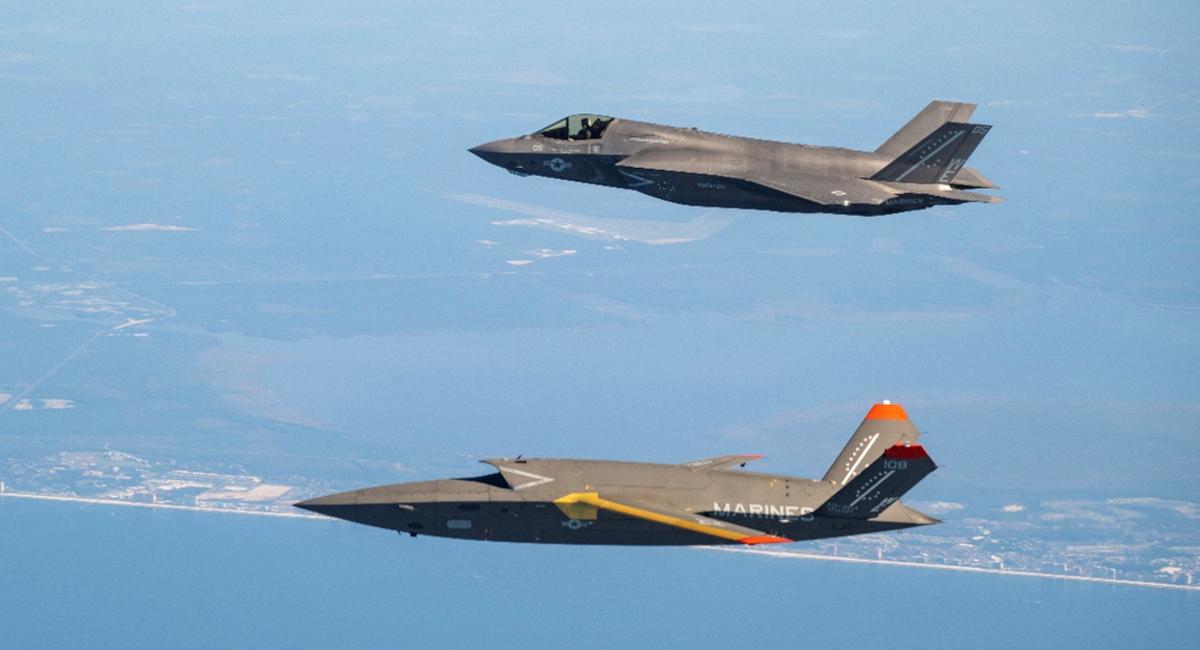
The Air Force does need more airpower—but not the kind it is buying. Persistent presence requires large numbers of lower-cost drones that can absorb losses, deep stockpiles of low-cost munitions that can sustain fires over time, and uncrewed aerial refuelers that can keep fighters and bombers over target areas. These are the capabilities that generate sustained effects at affordable cost—and they are consistently deprioritized in favor of the next exquisite crewed platform.
The deeper problem runs beneath procurement. Washington has long treated “airpower” and “Air Force” as synonymous. They are not. Air control — the ability to deny an adversary the use of the domain while preserving one’s own — is increasingly accomplished by Army interceptors, Navy strike platforms, drones, and munitions fired from ships and submarines. The Air Force’s preferred model — manned fighters striving for air superiority so manned bombers can reach their targets — has yet to demonstrate the scale and stamina needed to bring a conflict to an end.
Until budget priorities reflect that reality, the United States will keep buying the Air Force it prizes and underinvesting in the airpower it needs.
....
The article comes from the Stimson Centre which seems to tilt towards the Brookings/Democrat outlook.
Despite that, they are arguing much the same as I do. 85 F35s at 100,000,000 apiece, with 170 pilots at 7 to 17 million dollars apiece will not give you the same effect as $5,000,000 HIMARS trucks and $5,000,000 MQ-58 trucks and $200,000 Stand Off Missiles.
And MRTT tankers apparently cost something in the order of 250 to 300 MUSD apiece. Apparently the USN's carrier borne MQ-25 Stingray tankers cost about half of that but with a fraction of the load. I am going to guess that the next generation of drone suppliers will be able to replicate the Stingray's capabilities (minus the Carrier-borne restrictions and impositions) at a fraction of the cost.
Some eyes in the skies are going to be necessary, always. But maintaining the ability to keep putting rounds on target in all seasons, weathers and political situations requires the ability to sustain a steady supply of munitions from the surface. And ships are second best to land in terms of persistence.
....
85 - 16 = 69 at 100,000,000 apiece = 6.900,000,000
Sacrificing a single F35 at 100,000,000 will buy you 20 HIMARS trucks
6 F35s will buy you 120 HIMARS (or recoverable drones like the Valkyrie)
One F35 will buy you
100 long range cruise missiles
500 low cost cruise missiles
100,000 drones at $1,000 apiece



 www.defensenews.com