• Thanks for stopping by. Logging in to a registered account will remove all generic ads. Please reach out with any questions or concerns.

Drones, the Air Littoral, and the Looming Irrelevance of the USAF

Interesting move after the defence industry majors got called out by Trump

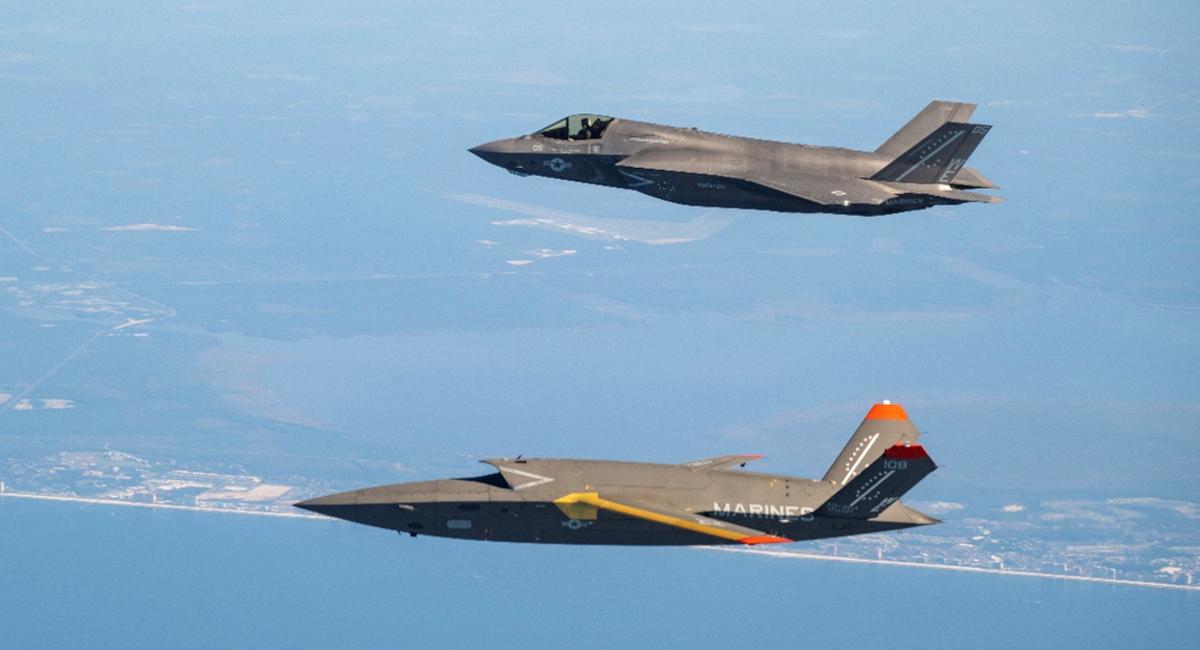
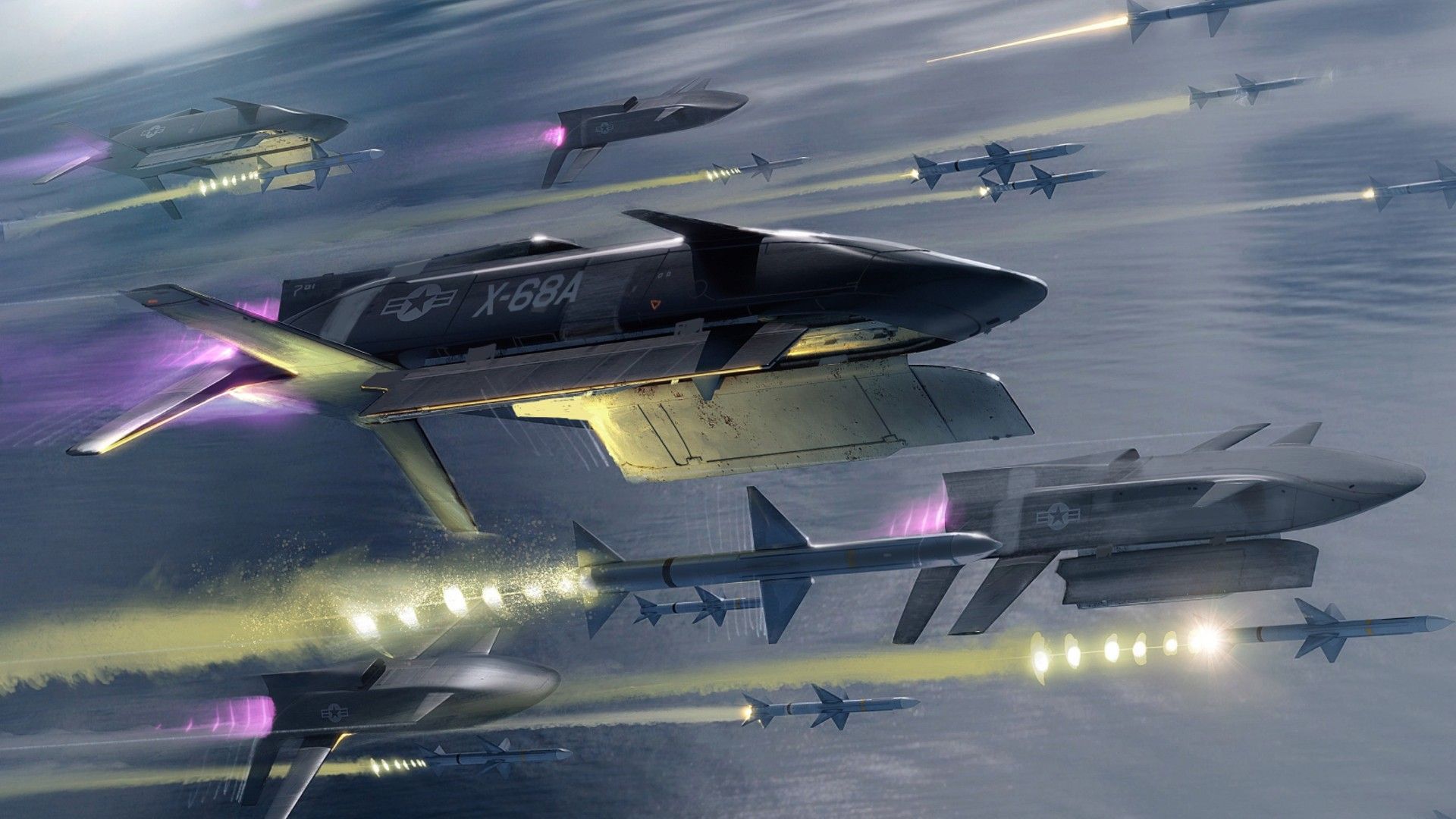
Northrop signs up with Kratos to deliver a USMC CCA based on the Valkyrie MQ-58 after getting its own Talon CCA on the Air Force list.
It looks as if the actual aircraft will be the Kratos Valkyrie but Northrop will be supplying suitably sized mission packages and its own Prism autonomy software. That will likely work in conjunction with the AI Shield system.

 
US Homeland defence moves that may end up resonating up here.

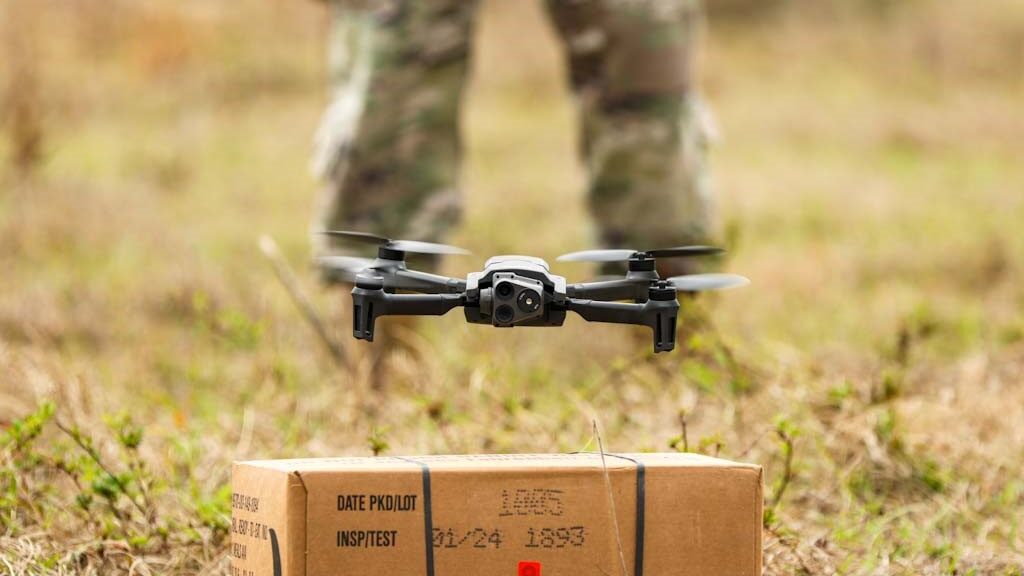
The US has determined that surveillance constitutes a threat and consequently base commanders in the US need the authority to neutralize drones operating beyond their fenced perimeters which usually consituted the limits of their authority.

Dead drones falling in suburban yards?

Create a Joint Task Force.


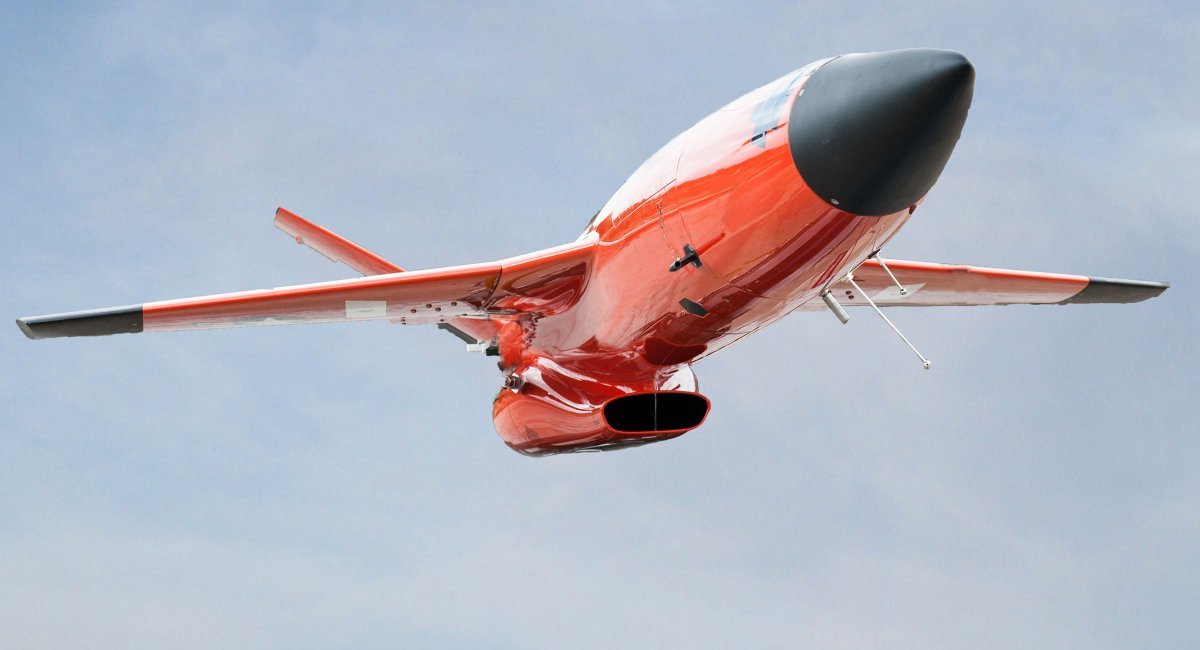
Converting a target UAV, originally designed as a low-cost asset, into a long-range strike weapon is a highly pragmatic approach​


Taipei looked to Ukraine's experience and planned to procure more than a thousand naval drones. Now, it is actively converting a target drone into a long-range strike system.

As announced by the National Chung-Shan Institute of Science and Technology (NCSIST), which despite its name is a powerful state-owned corporation responsible for developing missile systems and other weapons, a successful test of the Mighty Hornet IV strike UAV has been conducted. This system is a modification of the MQM-178 Firejet produced by the U.S. company Kratos.
 
Good watch. Some wrong lessons. I'm getting tired of the overemphasis of drones that comes from a war that is not like what Canada would likely face. Ukraine wouldn't be using FPVs nearly as much if they had TLAMs, F-35s, JASSMs and high visit rate ISR satellites downloading directly to their CAOC.
 
Good watch. Some wrong lessons. I'm getting tired of the overemphasis of drones that comes from a war that is not like what Canada would likely face. Ukraine wouldn't be using FPVs nearly as much if they had TLAMs, F-35s, JASSMs and high visit rate ISR satellites downloading directly to their CAOC.

How many hands does it take to count the number of TLAMs and JASSMs we have in stock, not to mention the F35s or the pylons and BRUs to attach Harpoons to our Auroras?

Even the Yanks are counting their units with care because they can't build them as fast as Ukraine is using them.

We will need lots and lots and lots of cheap stuff.
 
Good watch. Some wrong lessons. I'm getting tired of the overemphasis of drones that comes from a war that is not like what Canada would likely face. Ukraine wouldn't be using FPVs nearly as much if they had TLAMs, F-35s, JASSMs and high visit rate ISR satellites downloading directly to their CAOC.

She struck me as someone with a real warriors spirit. We would do well with more of her.
 
The Marines have aleady adopted the low cost, immediately available Kratos Valkyrie as a CCA solution
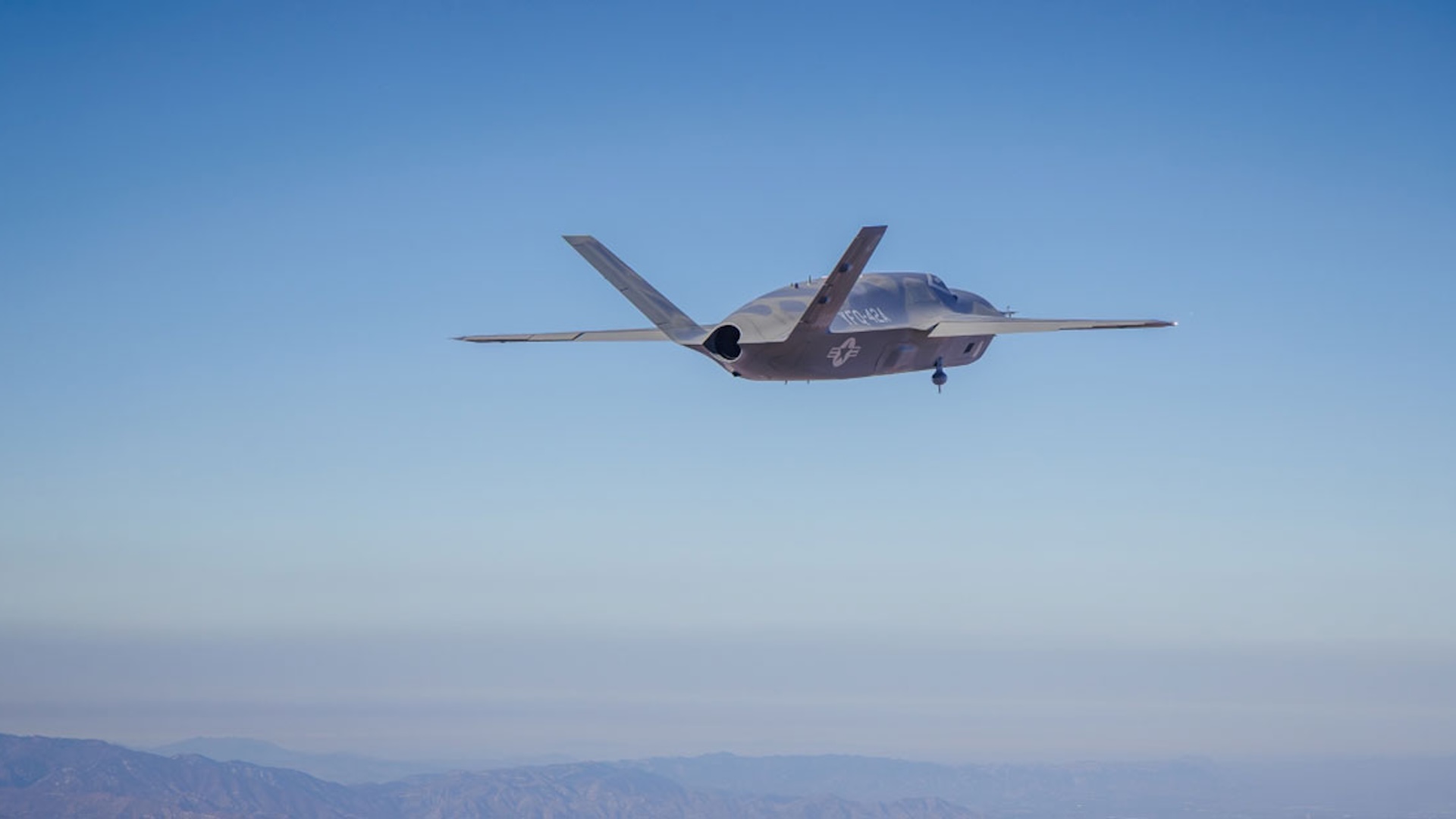
They continue their experimentation with the higher end GAA YFQ-42 offering.


That will allow them to directly the 4 and 40 MUSD solutions.


....

The USMC has a reputation of being careful with their cash.

 
More on fielding drones as CCAs


This timeline seems important

Increment 1 - 2025-2030 - Kratos Valkyrie
Increment 2 - 2030-2035
Increment 3 - 2035-2040

" Increment 1 is the MQ-58, which the service has said in past budget documents is focused primarily on the “rapid and relevant capability delivery of a Minimum Viable Product (MVP).” A new USMC Aviation Plan released today shows the goal now is to field Increment 2 and Increment 3 capabilities in the 2030-2035 and 2035-2040 timeframes, respectively. "

But


"These increments are unrelated to the ones the USAF has planned for its CCA program. However, the two services, as well as the Navy, are actively cooperating on the development of relevant capabilities, including common command and control architectures."

....


"while these tests will be broad in scope, well above evaluating the platform being used, it certainly will give the USMC a close-up look at the YFQ-42, which is becoming increasingly similar to Kratos’ XQ-58 as that drone becomes larger, more complex, and capable of runway operations.

"In the end, if the CCA concept truly pans out as promised — which remains a glaring question — it is very unlikely to be ‘owned’ by a single company and a small handful of their designs. The iterative nature of the services’ competitions for CCAs alone makes such a circumstance a farce. Services will more likely than not procure a variety of airframes, all with different attributes, from different vendors over time, and their brains, along with the software that is installed in them, could be equally as varied, if not more so.

"Regardless, the YFQ-42 has just officially been selected to be put to work for the Marines, which marks a significant vote of confidence in General Atomics’ design."


Key point - CCA is an iterative journey similar to that one that linked the Sopwith Camel to the F35
 
"In 2026 terms, the cost to train a combat-ready USAF fighter pilot ranges broadly from approximately $7 million to nearly $17 million per aviator, depending on aircraft type and inflation methodology."

 
  • Like
Reactions: ytz
"The Air Force does need more airpower...

"...Persistent presence requires large numbers of lower-cost drones that can absorb losses, deep stockpiles of low-cost munitions that can sustain fires over time, and uncrewed aerial refuelers that can keep fighters and bombers over target areas....

"...Air control — the ability to deny an adversary the use of the domain while preserving one’s own — is increasingly accomplished by Army interceptors, Navy strike platforms, drones, and munitions fired from ships and submarines."

A fuller version follows.


Exquisite platforms buy exquisite capability for a narrow target set. They do not buy persistence — and persistence is what strategically effective airpower requires. Punishment, as Thomas Schelling argued, depends on the credible threat of continuing pain. What compels an adversary is not a single devastating blow, but the belief that costs will keep coming. Denial aims to degrade capabilities and foreclose retaliation. Both require sustained presence over time, which in turn demands mass.

Washington should have learned this lesson from the last strike on Iran. After a long planning and buildup period, the single night of B-2 strikes last June damaged facilities Iran had spent years building. Months later, however, the United States is assembling its largest regional military force since 2003 to re-engage. The parallel to the no-fly zone over Iraq in the 1990s is hard to ignore: Episodic airpower, while tactically impressive, is strategically inconclusive. Strategic effects require sustained pressure, persistent presence, and continuous operations that force an adversary to make acute choices rather than simply absorb a blow and wait.

The gaps this buildup exposes are not in Air Force strike capabilities. They are in the Army’s ability to sustain air denial at scale, in the munition inventories required for persistence, and in the tanker fleet that keeps U.S. warplanes airborne. More B-21s and F-47s address none of these shortfalls. No procurement strategy centered on $700 million bombers or $300 million fighters can generate sustained presence at scale.

The Air Force does need more airpower—but not the kind it is buying. Persistent presence requires large numbers of lower-cost drones that can absorb losses, deep stockpiles of low-cost munitions that can sustain fires over time, and uncrewed aerial refuelers that can keep fighters and bombers over target areas. These are the capabilities that generate sustained effects at affordable cost—and they are consistently deprioritized in favor of the next exquisite crewed platform.

The deeper problem runs beneath procurement. Washington has long treated “airpower” and “Air Force” as synonymous. They are not. Air control — the ability to deny an adversary the use of the domain while preserving one’s own — is increasingly accomplished by Army interceptors, Navy strike platforms, drones, and munitions fired from ships and submarines. The Air Force’s preferred model — manned fighters striving for air superiority so manned bombers can reach their targets — has yet to demonstrate the scale and stamina needed to bring a conflict to an end.

Until budget priorities reflect that reality, the United States will keep buying the Air Force it prizes and underinvesting in the airpower it needs.

....

The article comes from the Stimson Centre which seems to tilt towards the Brookings/Democrat outlook.

Despite that, they are arguing much the same as I do. 85 F35s at 100,000,000 apiece, with 170 pilots at 7 to 17 million dollars apiece will not give you the same effect as $5,000,000 HIMARS trucks and $5,000,000 MQ-58 trucks and $200,000 Stand Off Missiles.

And MRTT tankers apparently cost something in the order of 250 to 300 MUSD apiece. Apparently the USN's carrier borne MQ-25 Stingray tankers cost about half of that but with a fraction of the load. I am going to guess that the next generation of drone suppliers will be able to replicate the Stingray's capabilities (minus the Carrier-borne restrictions and impositions) at a fraction of the cost.

Some eyes in the skies are going to be necessary, always. But maintaining the ability to keep putting rounds on target in all seasons, weathers and political situations requires the ability to sustain a steady supply of munitions from the surface. And ships are second best to land in terms of persistence.

....

85 - 16 = 69 at 100,000,000 apiece = 6.900,000,000

Sacrificing a single F35 at 100,000,000 will buy you 20 HIMARS trucks
6 F35s will buy you 120 HIMARS (or recoverable drones like the Valkyrie)

One F35 will buy you

100 long range cruise missiles
500 low cost cruise missiles
100,000 drones at $1,000 apiece

 

An opportunity for those skilled at reading between the lines.

Any one of the articles is interesting. All of them together, mixed and matched, open up all sorts of possibilities.

Sensor Fusion
E7 prototypes but no commitment to a programme
AI overwatch for F35s, essentially fusing all the inputs so an AI backseater can keep the pilot aware....

New missiles
Cheaper jet engines.

We're moving further away from Snoopy and the Red Baron.
 
Back
Top