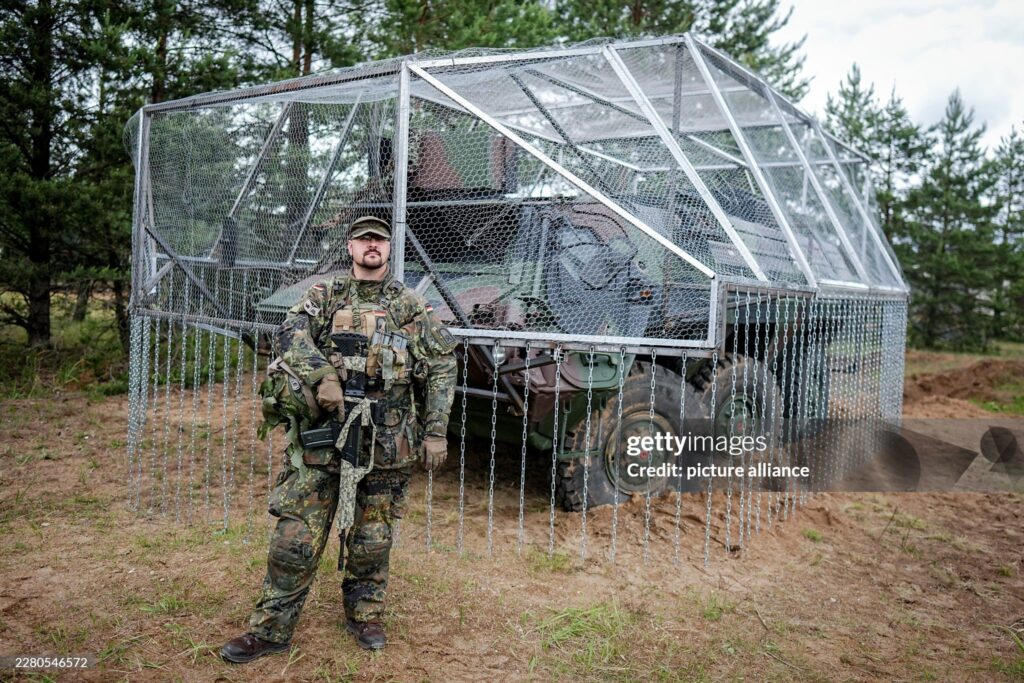
Cheap detection and tracking of threats nationally.
Sky Map
Ukraine's Sky Map system tracks Russian drones and jets in the air
"How does Ukraine’s Sky Map system work?
"Sky Map is Ukraine’s command-and-control software platform, which can identify incoming drone attacks and counter them with its own anti-drone interceptors.
"Sky Fortress, the company behind Sky Map, was established in 2022 and is funded by Ukraine’s military. According to Reuters, the company placed more than 10,000 acoustic sensors around Ukraine so that they could detect incoming drone attacks. These sensors are essentially high-sensitivity microphones deployed across the country to listen for the distinct engine signatures of drones.
"Sky Map links acoustic sensors, radar and AI systems to detect threats and guide air defence systems."
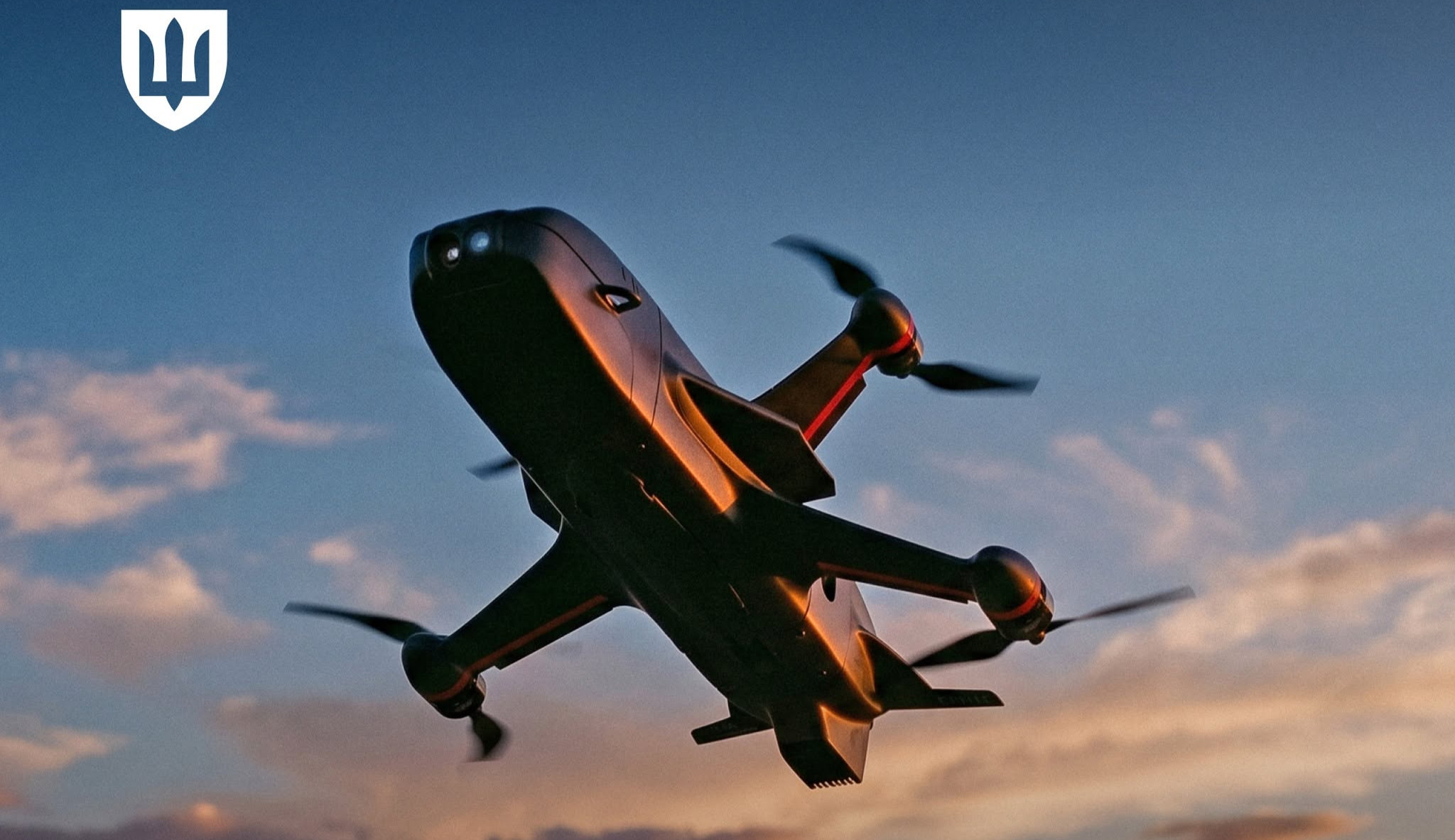
Ukraine’s battle-tested system uses thousands of acoustic sensors and interceptors to find and destroy incoming drones.

www.aljazeera.com
🇺🇦🇺🇸🇸🇦 Ukrainian “Sky Map” protects US airbase — Reuters The United States turned to Ukrainian developers for assistance and has already deployed the Ukrainian air defence management system “Sky...

www.facebook.com
....
Private companies supplying air defence for private companies
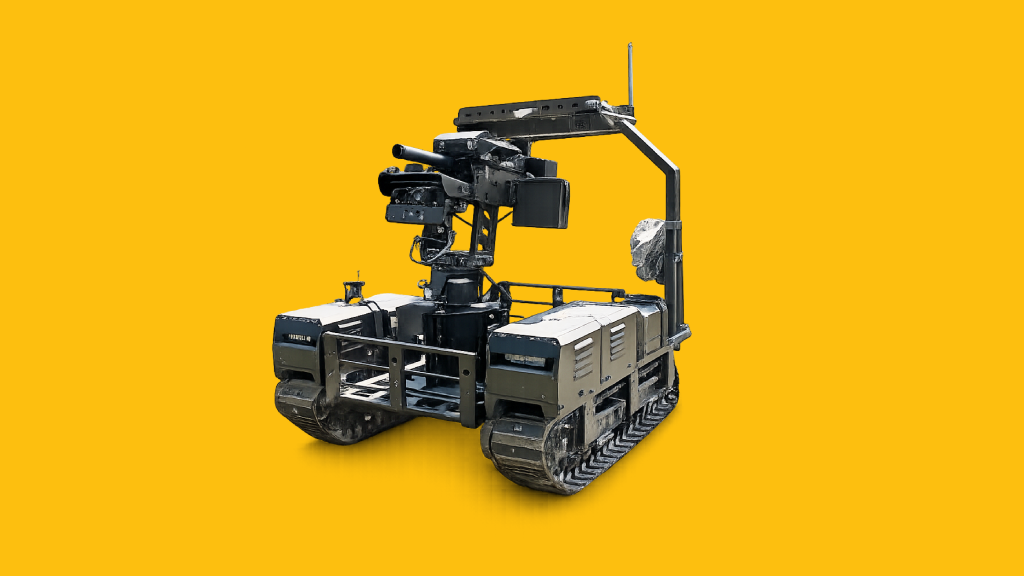
"Carmine Sky is one of the private companies now offering air defences for other private sector clients. They've already built a network of towers fitted with remotely controlled machine guns in the Kharkiv region - close to Russia's border.
"We visit their control room in the basement of a building. Rows of screens display Ukraine's Sky Map as it tracks Russian drones and jets.
"Behind the screens are ordinary civilians – mothers, taxi drivers and veterans. Each has been vetted and trained for a few weeks before being allowed to operate one of the remotely controlled guns.
""Ruslan, the company's spokesman, tells me their job "is not difficult". Operating the remote machine guns to shoot down drones "is like a computer game - just like an Xbox or PlayStation", he says.
"Ruslan describes their role as a "supplement to the state's air defence structure".
""We're integrated into the military system," he says. "This is not the Wild West, so we follow the instructions and commands of the military."
"Ruslan says there are other advantages to getting the private sector involved – "we can scale much faster than the public sector". It's early days, but these private companies have already shot down dozens of Russian drones."
After four years of Russia's full-scale invasion, Ukraine has become far more successful at fighting off air raids.

www.bbc.com
....
1 Fire Control Station and 10-30 AI turrets with 50 Cals at $150,000 apiece to cover a small city.
Each (Sky Sentinel) unit costs around $150,000. Effectively protecting a city would require 10 to 30 turrets, which is still cheaper than a single interceptor missile from many traditional air defense systems. And with each Shahed-136 estimated to cost about $100,000, Sky Sentinel offers a cost-effective answer to a relentless threat.
Ukraine's Sky Sentinel: An AI-powered air defense turret that autonomously targets drones and missiles, protecting Ukrainian cities from Russian aerial threat.

united24media.com
"(Sky Sentinel) can strike small, fast-moving targets traveling at speeds of 200, 400, even 800 kilometers per hour. No wonder it’s already earned the nickname “Shahed Catcher” (as Shaheds are Russia’s most frequently used aerial weapon against Ukraine). But its reach goes far beyond one type of drone. Recon drones, loitering munitions, cruise missiles—if it flies and enters Sky Sentinel’s zone, the system takes care of the rest itself."
"What does “itself” mean here? Simply put, human intervention, such as a soldier manually aiming the turret, is not required. Deploy the Sky Sentinel into a combat position, feed it radar data, and it does the rest: detects, locks on, tracks the flight paths, calculates the shot, and fires. All on its own."
...
"“One of the biggest engineering hurdles for this kind of weapon is something called ‘play’—mechanical slack.”
"Even a minuscule shift of just one millimeter in the turret’s mechanisms can result in a targeting error of several dozen meters at range. That kind of error makes pinpoint accuracy impossible, no matter how well the rest of the system performs.
"Now picture this: a turret that rotates 360 degrees, raises and lowers its machine gun, and rides on a trailer. It’s a machine full of moving parts.
"“We had to build a system that moves a lot with zero mechanical play,” explained one of the engineers. “And not just moves, but fires. Which means it also has to handle recoil.”"
...
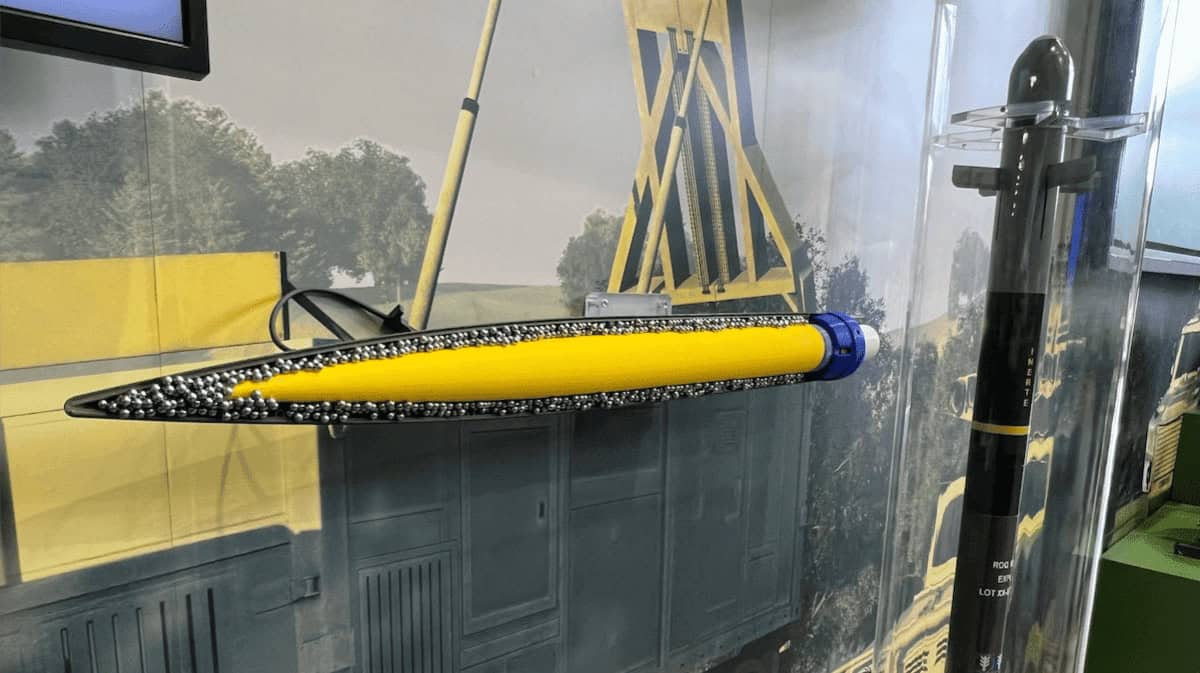
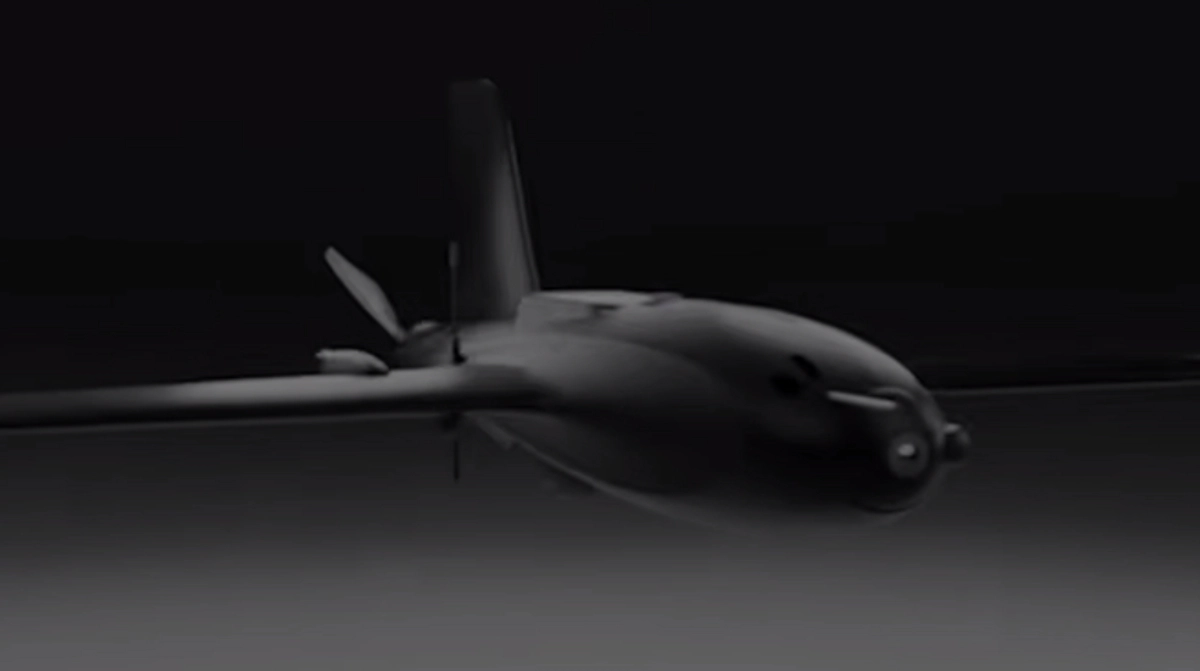
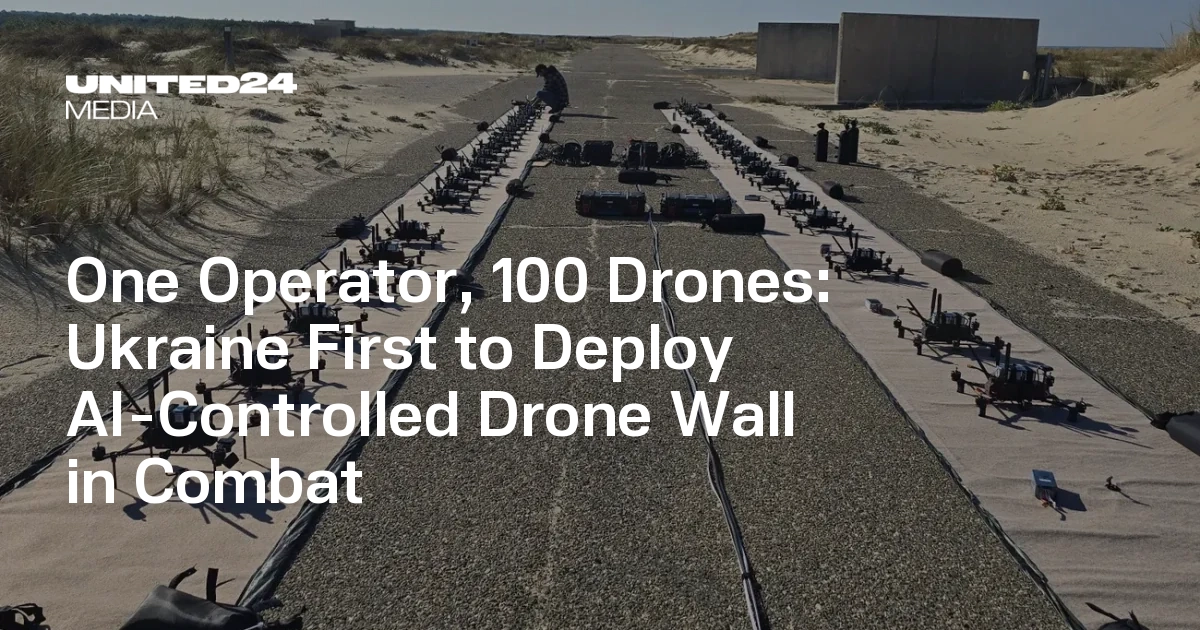
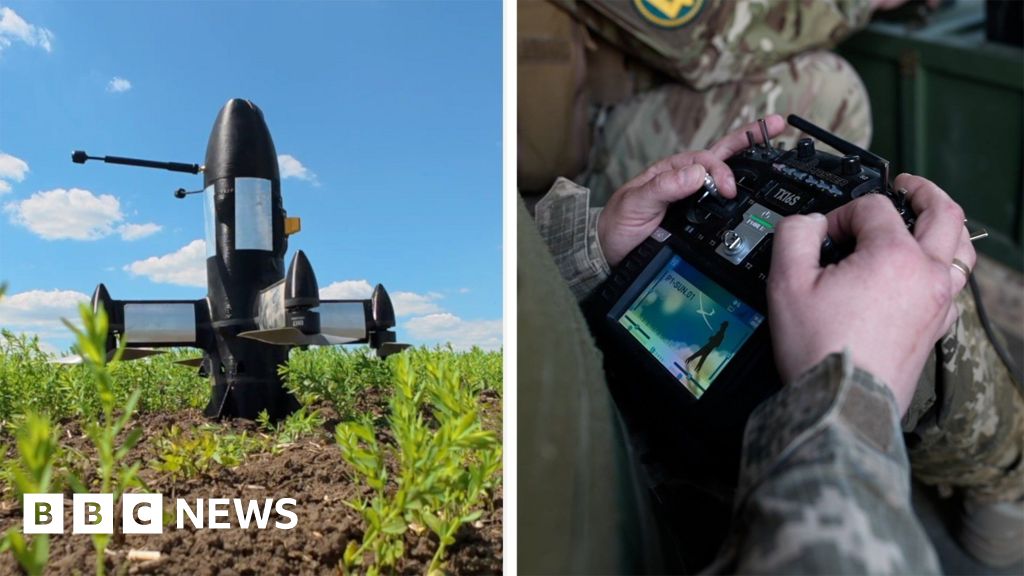
Then add the swarms of 100 $2000 interceptors managed by a singe operator.



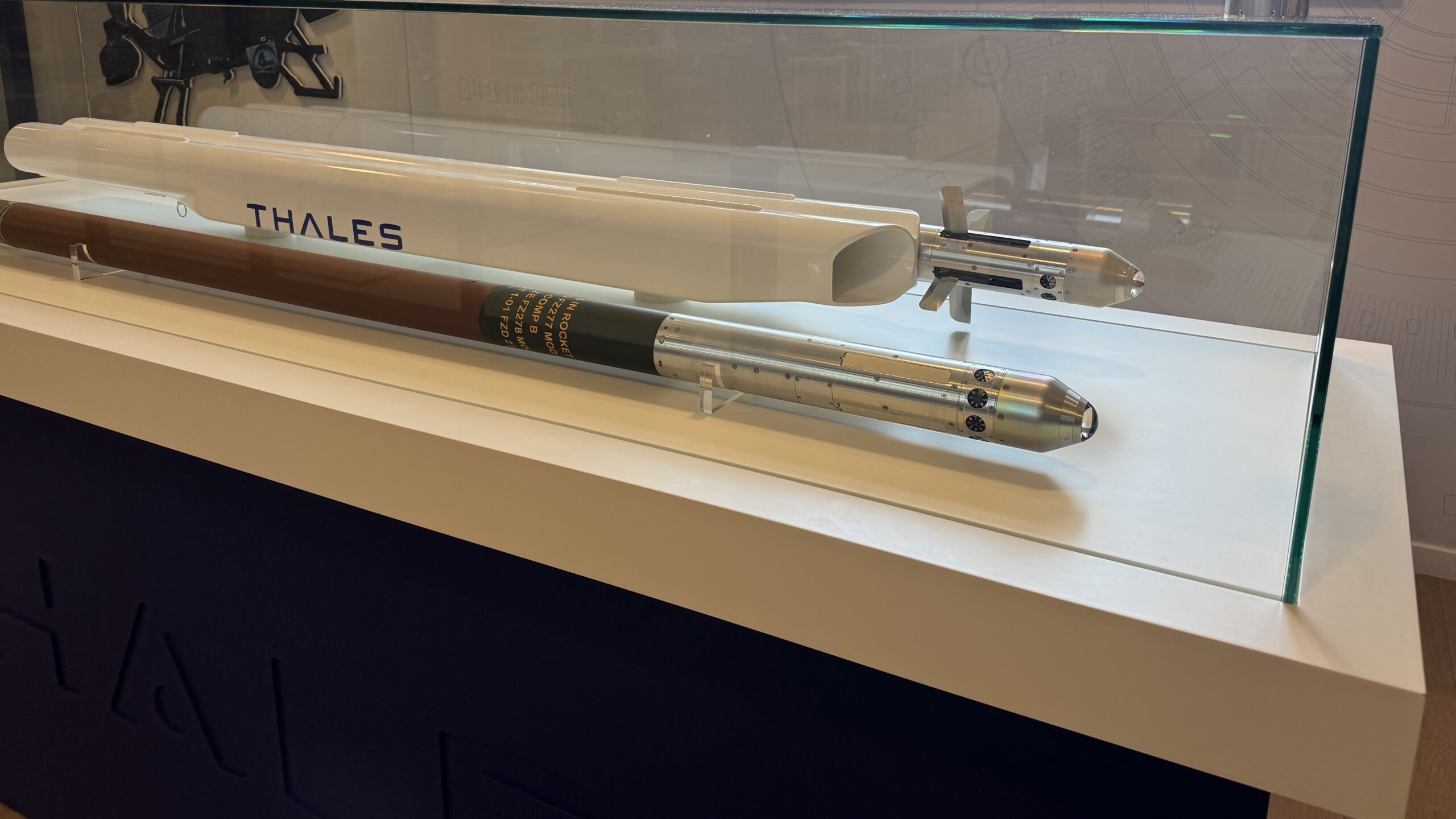
 breakingdefense.com
 magellan.aero











-69b59d47dbeaba8282816bfee26fa328.png)