• Thanks for stopping by. Logging in to a registered account will remove all generic ads. Please reach out with any questions or concerns.

GBAD - The return of 'FOBS'

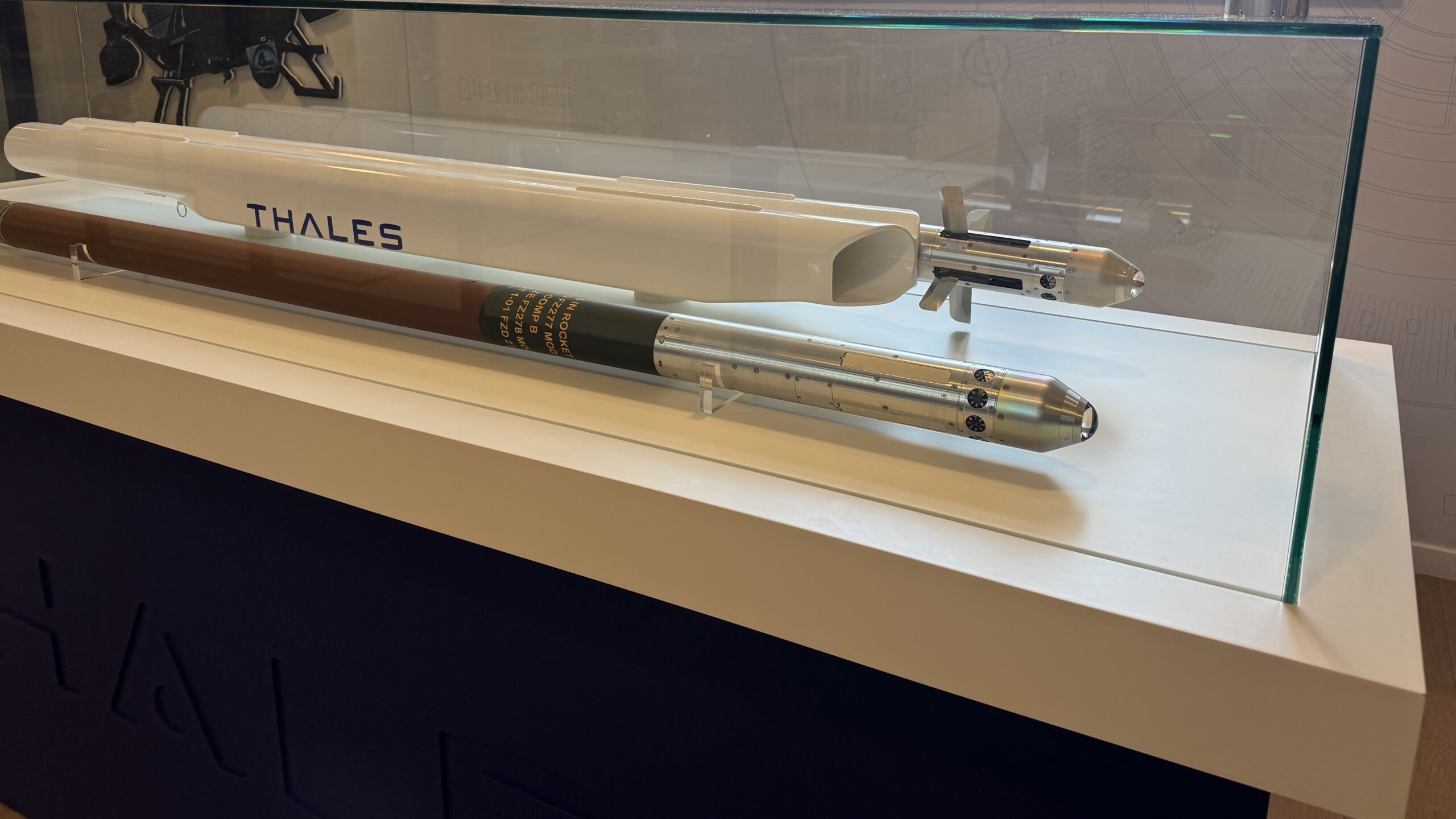
And Thales doubling the production in Belgium of their version of the 70mm BAE APKWS II that is proving so popular on all launch platforms.


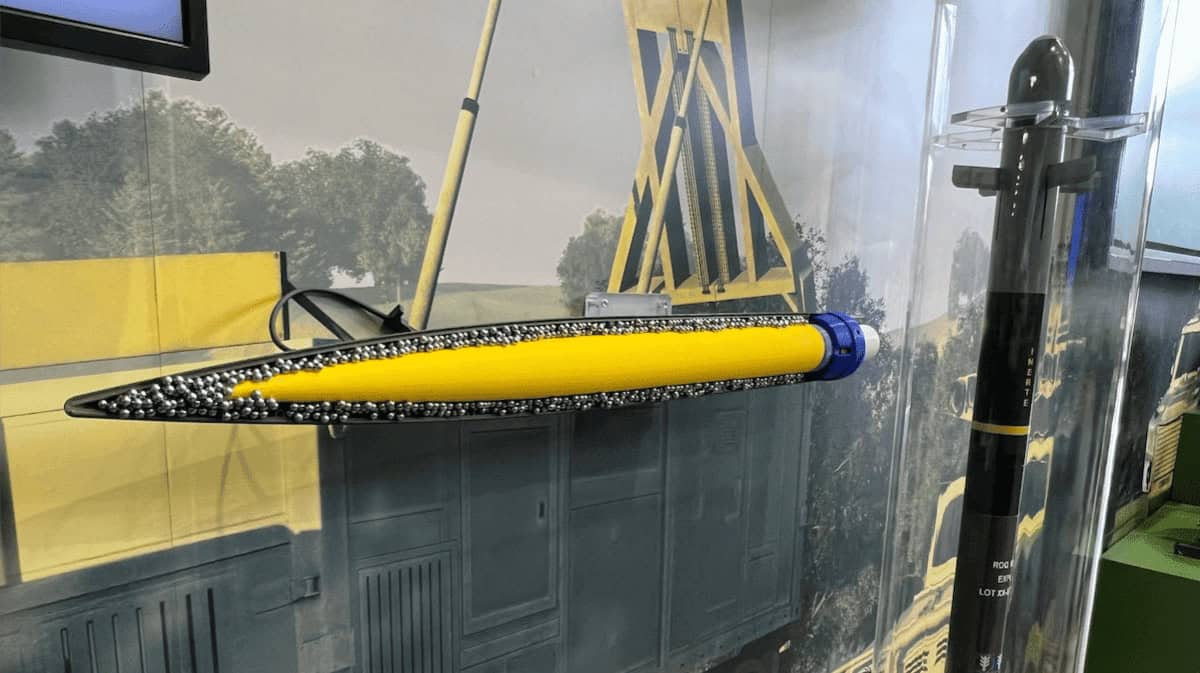
Bring back the CRV-7

Magellan and Kongsberg 2006 - the CRV-7 PG (Precision Guidance)


magellan.aero/wp-content/uploads/CRV7%20Fixed%20Wing%20-%20Web%20Version-1.pdf
 
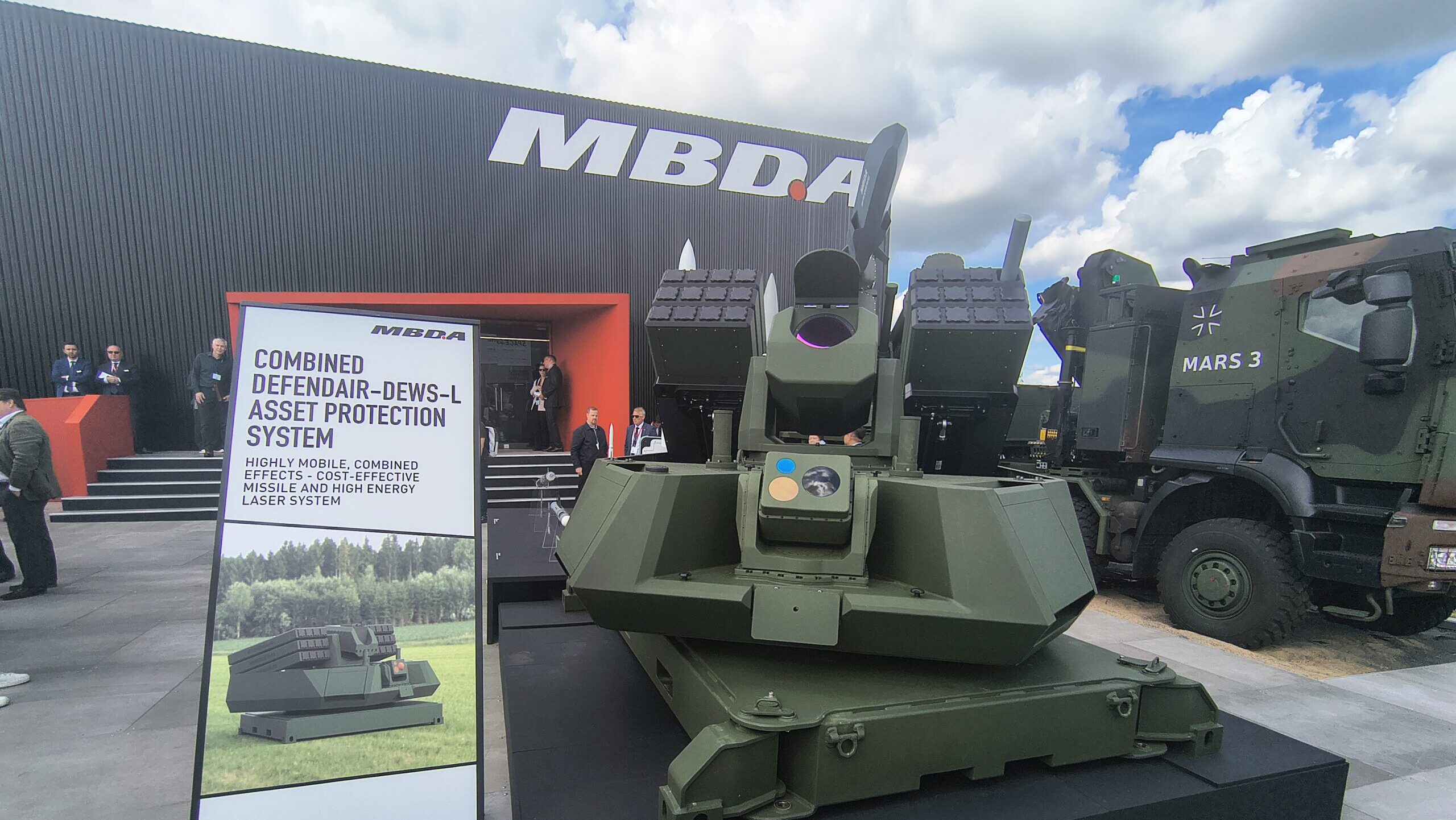
"Standard" Lance turret, as found on the Rheinmetall Puma, knocking UAVs out of the sky. Not the fully equipped Skyranger.


And Belgians adding AI vehicle identification modules on their vehicles and smart munitions promoting local autonomy


....

Another reason for adding these to the Light Infantry Regiment's kit


If those then this


...

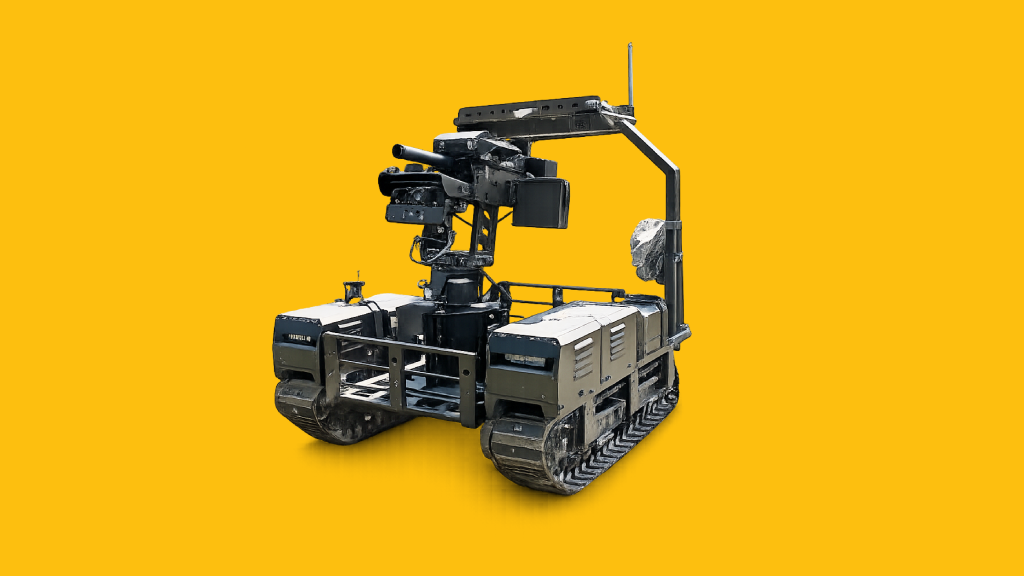
An MG team of three in a pickup truck with a pair of these small UGVs in the back enhanced by AI sighting systems. They even have tracks for the track afficionados. And they are small enough tobe lifted by a Griffon.
For these small UGV taking a stationary position, I could see the benefits of a line laid to the position with perhaps a very short ranged wireless link to the vehicle to reduce EM emissions and preserve battery life.

The next family of UGV's is one that reload/recharge the combat UGV and recover damaged ones.
 
I'm starting to wonder whether you should change the title of this thread. It seems that for quite some time we have moved beyond the Chinese FOBS.
This system, called a Fractional Orbital Bombardment System (FOBS), was designed to launch thermonuclear warheads on a south-to-north trajectory to take out northern-facing North American Aerospace Defense Command’s (NORAD) ballistic missile early-warning radars.
We're talking mostly in the area of the army field force GBAD or even Homeland local AD, and sometime we're talking about IAMD but rarely have we touched FOBS except peripherally. These are really three separate topics with IAMD encompassing FOBS.

🍻
 
I'm starting to wonder whether you should change the title of this thread. It seems that for quite some time we have moved beyond the Chinese FOBS.

We're talking mostly in the area of the army field force GBAD or even Homeland local AD, and sometime we're talking about IAMD but rarely have we touched FOBS except peripherally. These are really three separate topics with IAMD encompassing FOBS.

🍻

I would be happy to ditch the FOBS reference.

I don't know about splitting the threads as the technologies all overlap, all the way from C-RAM and C-UAS to the Golden Dome by way of the INTEGRATED Air and Missiile Defence.

I don't think you can separate launchers and command structures when hypersonic weapons bridge continents in minutes.
 
I would be happy to ditch the FOBS reference.

I don't know about splitting the threads as the technologies all overlap, all the way from C-RAM and C-UAS to the Golden Dome by way of the INTEGRATED Air and Missiile Defence.

I don't think you can separate launchers and command structures when hypersonic weapons bridge continents in minutes.
Yeah, if you want to just leave it as a generic ground based air defence then "GBAD" by itself would probably do. Just remove the FOBS stuff.

Do you still have the ability to edit the title or is that a moderator job? I have to say that "FOBS" get's me thinking of forward operating bases and not some Chinese nuclear missile strategy.

:unsure:
 
Yeah, if you want to just leave it as a generic ground based air defence then "GBAD" by itself would probably do. Just remove the FOBS stuff.

Do you still have the ability to edit the title or is that a moderator job? I have to say that "FOBS" get's me thinking of forward operating bases and not some Chinese nuclear missile strategy.

:unsure:

Its a moderator job.

Just call it All Things GBAD.
 
And Thales doubling the production in Belgium of their version of the 70mm BAE APKWS II that is proving so popular on all launch platforms.


Bring back the CRV-7

Magellan and Kongsberg 2006 - the CRV-7 PG (Precision Guidance)


magellan.aero/wp-content/uploads/CRV7%20Fixed%20Wing%20-%20Web%20Version-1.pdf

100,000 Euro APKWS II to be built in Ukraine


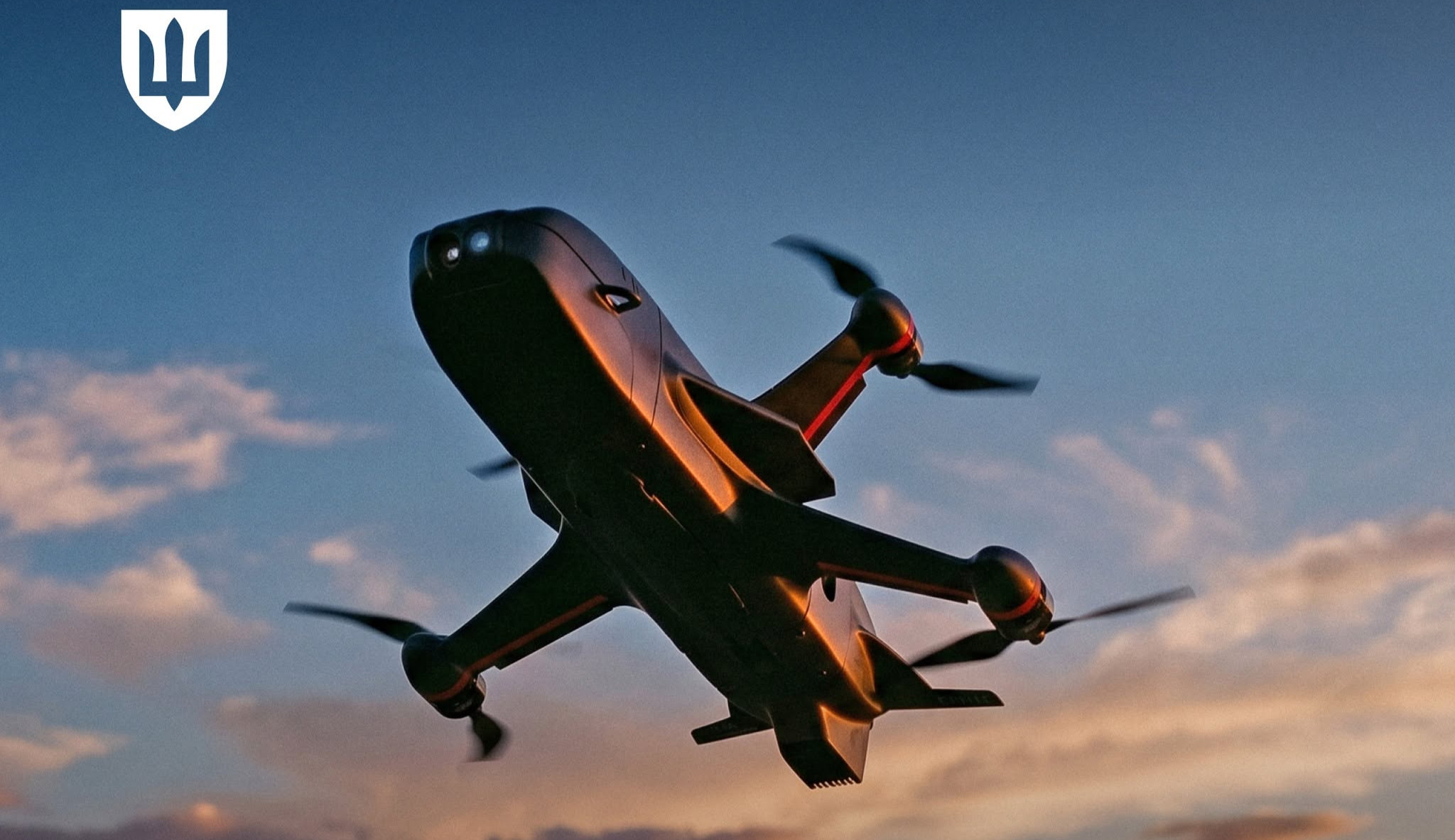
"Ukrainian interceptor drones can autonomously shoot down Shahed-type loitering munitions, and Ukraine's Ministry of Defence is scaling up such solutions.

"Source: Ukrainian Defence Minister Mykhailo Fedorov

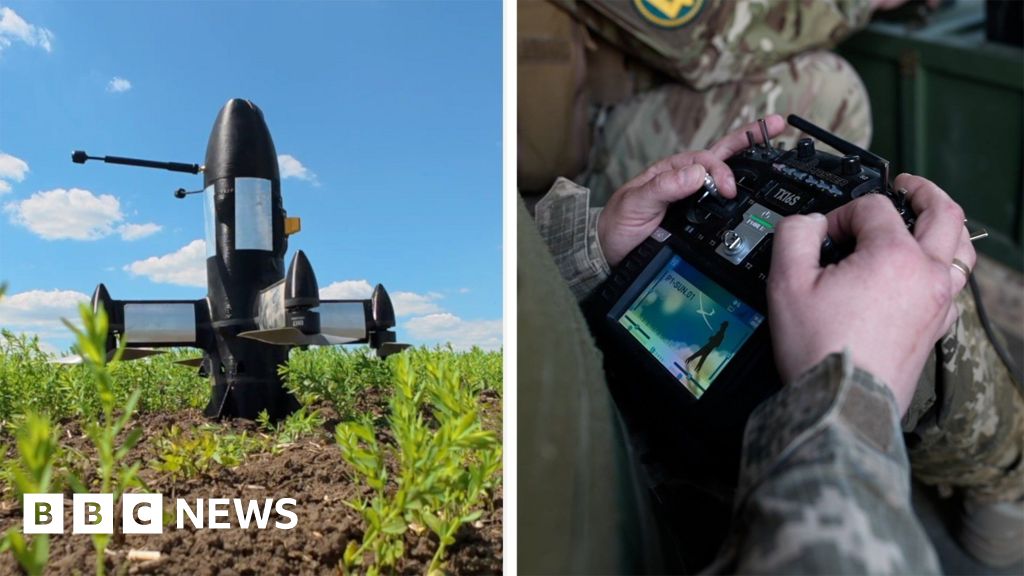
"Quote from Fedorov: "A participant of the Brave1 has created a technology that automates 95% of the entire interception process, from launching a drone to destroying a Shahed. The development has successfully passed combat testing in Kharkiv Oblast."

"Fedorov said the drone operator sees the target's movement in real time, selects it and gives the command to engage. After that, the system independently guides the drone towards it, autonomously identifies the object and locks onto the Shahed drone."

...

No more need for FPV goggles and pilots.

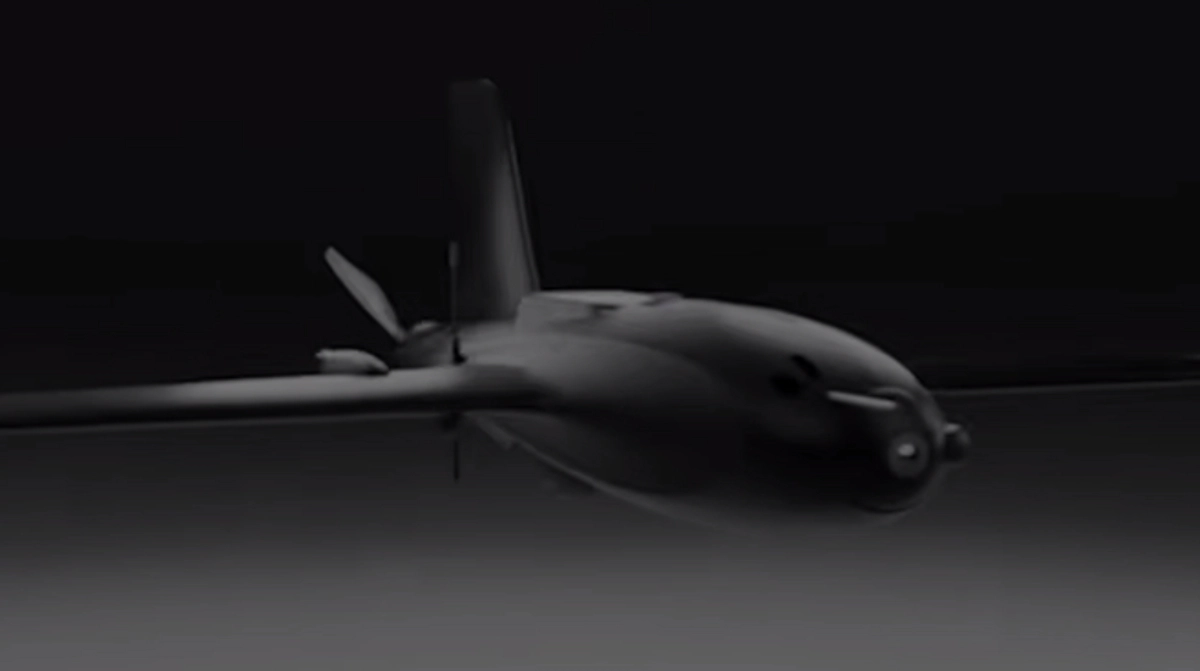
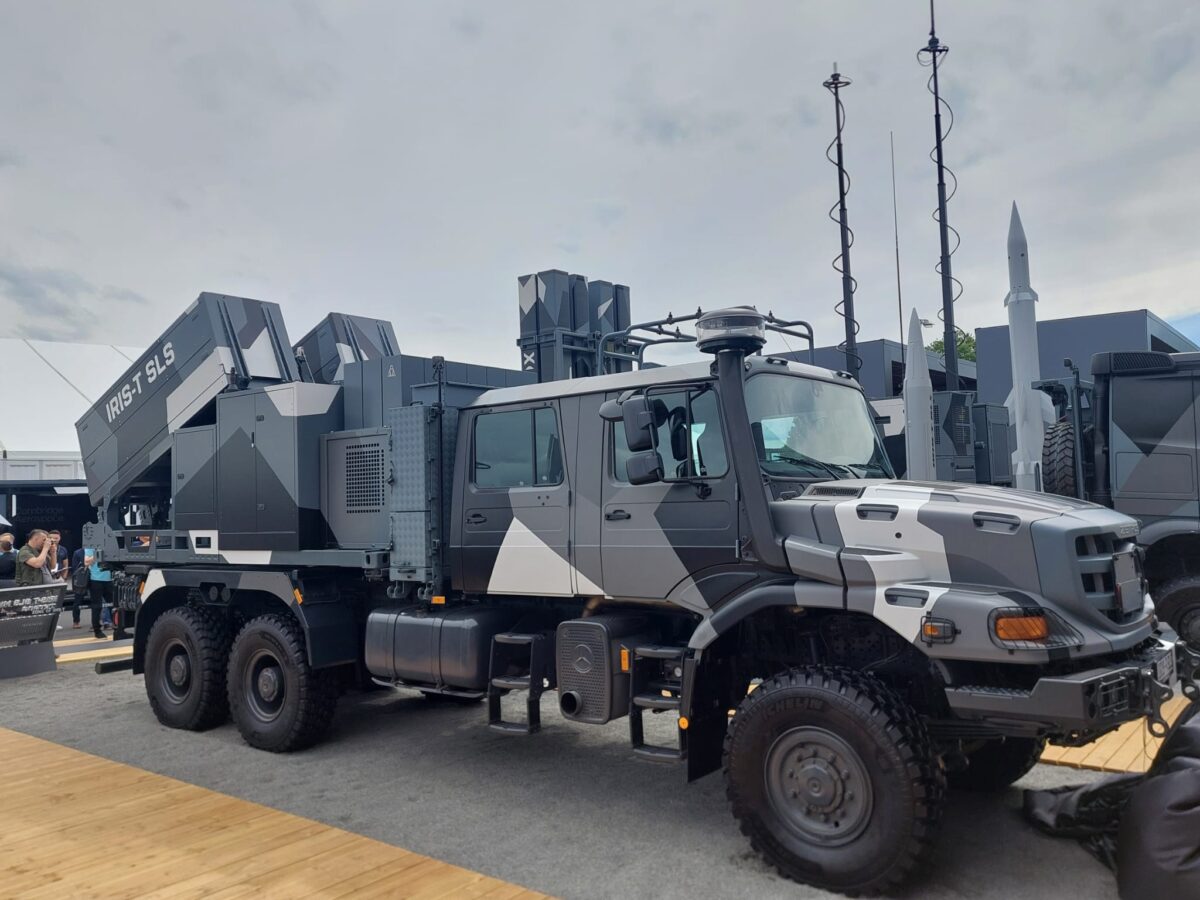
Add the $2000 Interceptor drones to the battery along with AI HMG Turrets and VAMPIRES, SkyNex and NASAMS and longer ranged SAMs.

....


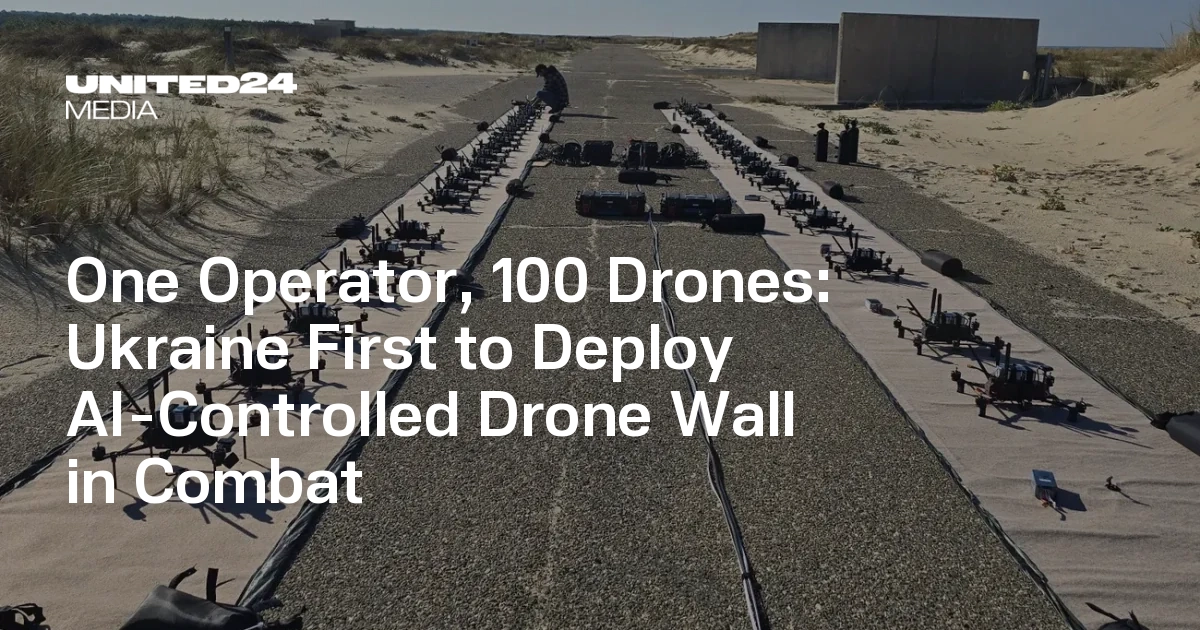
"The DWS-1 system consists of 200 FPV-type interceptor drones connected to an AI-powered command system that can coordinate the swarm without relying on GPS. Each drone is equipped with explosives and can operate autonomously or under the control of a single operator managing up to 100 drones at once.

"Atreyd has integrated 3D terrain mapping and a friend-or-foe identification system to enable the DWS-1 to function in electronic warfare conditions, such as those commonly found in Ukraine. The company considers the system the “last layer of defense” against air threats like Shahed drones and Russian guided bombs (known as KABs)."
 
Cheap detection and tracking of threats nationally.

Sky Map

Ukraine's Sky Map system tracks Russian drones and jets in the air

"How does Ukraine’s Sky Map system work?

"Sky Map is Ukraine’s command-and-control software platform, which can identify incoming drone attacks and counter them with its own anti-drone interceptors.

"Sky Fortress, the company behind Sky Map, was established in 2022 and is funded by Ukraine’s military. According to Reuters, the company placed more than 10,000 acoustic sensors around Ukraine so that they could detect incoming drone attacks. These sensors are essentially high-sensitivity microphones deployed across the country to listen for the distinct engine signatures of drones.

"Sky Map links acoustic sensors, radar and AI systems to detect threats and guide air defence systems."


....

Private companies supplying air defence for private companies

"Carmine Sky is one of the private companies now offering air defences for other private sector clients. They've already built a network of towers fitted with remotely controlled machine guns in the Kharkiv region - close to Russia's border.

"We visit their control room in the basement of a building. Rows of screens display Ukraine's Sky Map as it tracks Russian drones and jets.

"Behind the screens are ordinary civilians – mothers, taxi drivers and veterans. Each has been vetted and trained for a few weeks before being allowed to operate one of the remotely controlled guns.

""Ruslan, the company's spokesman, tells me their job "is not difficult". Operating the remote machine guns to shoot down drones "is like a computer game - just like an Xbox or PlayStation", he says.

"Ruslan describes their role as a "supplement to the state's air defence structure".

""We're integrated into the military system," he says. "This is not the Wild West, so we follow the instructions and commands of the military."

"Ruslan says there are other advantages to getting the private sector involved – "we can scale much faster than the public sector". It's early days, but these private companies have already shot down dozens of Russian drones."


....

1 Fire Control Station and 10-30 AI turrets with 50 Cals at $150,000 apiece to cover a small city.


Each (Sky Sentinel) unit costs around $150,000. Effectively protecting a city would require 10 to 30 turrets, which is still cheaper than a single interceptor missile from many traditional air defense systems. And with each Shahed-136 estimated to cost about $100,000, Sky Sentinel offers a cost-effective answer to a relentless threat.


"(Sky Sentinel) can strike small, fast-moving targets traveling at speeds of 200, 400, even 800 kilometers per hour. No wonder it’s already earned the nickname “Shahed Catcher” (as Shaheds are Russia’s most frequently used aerial weapon against Ukraine). But its reach goes far beyond one type of drone. Recon drones, loitering munitions, cruise missiles—if it flies and enters Sky Sentinel’s zone, the system takes care of the rest itself."

"What does “itself” mean here? Simply put, human intervention, such as a soldier manually aiming the turret, is not required. Deploy the Sky Sentinel into a combat position, feed it radar data, and it does the rest: detects, locks on, tracks the flight paths, calculates the shot, and fires. All on its own."

...

"“One of the biggest engineering hurdles for this kind of weapon is something called ‘play’—mechanical slack.”

"Even a minuscule shift of just one millimeter in the turret’s mechanisms can result in a targeting error of several dozen meters at range. That kind of error makes pinpoint accuracy impossible, no matter how well the rest of the system performs.

"Now picture this: a turret that rotates 360 degrees, raises and lowers its machine gun, and rides on a trailer. It’s a machine full of moving parts.

"“We had to build a system that moves a lot with zero mechanical play,” explained one of the engineers. “And not just moves, but fires. Which means it also has to handle recoil.”"

...

Then add the swarms of 100 $2000 interceptors managed by a singe operator.

 
Back
Top