• Thanks for stopping by. Logging in to a registered account will remove all generic ads. Please reach out with any questions or concerns.

Guns or Drones or Both?

Replacing 100% of frontline logistics with drones may be very doable. A lot of drone related causalities (if not the majority right now) on both sides happens when running gear and warm bodies to and from the frontline, more so than partaking in or repelling assaults.

 
Replacing 100% of frontline logistics with drones may be very doable. A lot of drone related causalities (if not the majority right now) on both sides happens when running gear and warm bodies to and from the frontline, more so than partaking in or repelling assaults.

Ukraine is showing absolutely amazing innovation. I wonder though if some (much?) of that innovation is being "wasted" on getting better at the war that they have and not on getting out of that and into the war they want/need. They are stuck in a war of attrition with a larger enemy that occupies much of their territory. They have little hope of regaining that territory with a dispersed drone war and they are unlikely to beat Russia in an tit-for-tat exchange of missiles and drones on economic targets.

To my mind it's kind of like both sides in WWI innovating to get really good at trench warfare while what they really needed was to innovate their way out of trench warfare.

Is NATO at risk of potentially taking the wrong lessons from the Ukraine War and seeking to duplicate what Ukraine is doing but using our industry/resources/cash to do it even better than Ukraine rather then focusing on avoiding that type of war altogether?
 
Ukraine is showing absolutely amazing innovation. I wonder though if some (much?) of that innovation is being "wasted" on getting better at the war that they have and not on getting out of that and into the war they want/need. They are stuck in a war of attrition with a larger enemy that occupies much of their territory. They have little hope of regaining that territory with a dispersed drone war and they are unlikely to beat Russia in an tit-for-tat exchange of missiles and drones on economic targets.

To my mind it's kind of like both sides in WWI innovating to get really good at trench warfare while what they really needed was to innovate their way out of trench warfare.

Is NATO at risk of potentially taking the wrong lessons from the Ukraine War and seeking to duplicate what Ukraine is doing but using our industry/resources/cash to do it even better than Ukraine rather then focusing on avoiding that type of war altogether?

Exactly. If they received the weapons systems they asked for, would they need to be as innovative with drones as they are now? Would they be fighting a static war that they are now?
 
Replacing 100% of frontline logistics with drones may be very doable. A lot of drone related causalities (if not the majority right now) on both sides happens when running gear and warm bodies to and from the frontline, more so than partaking in or repelling assaults.


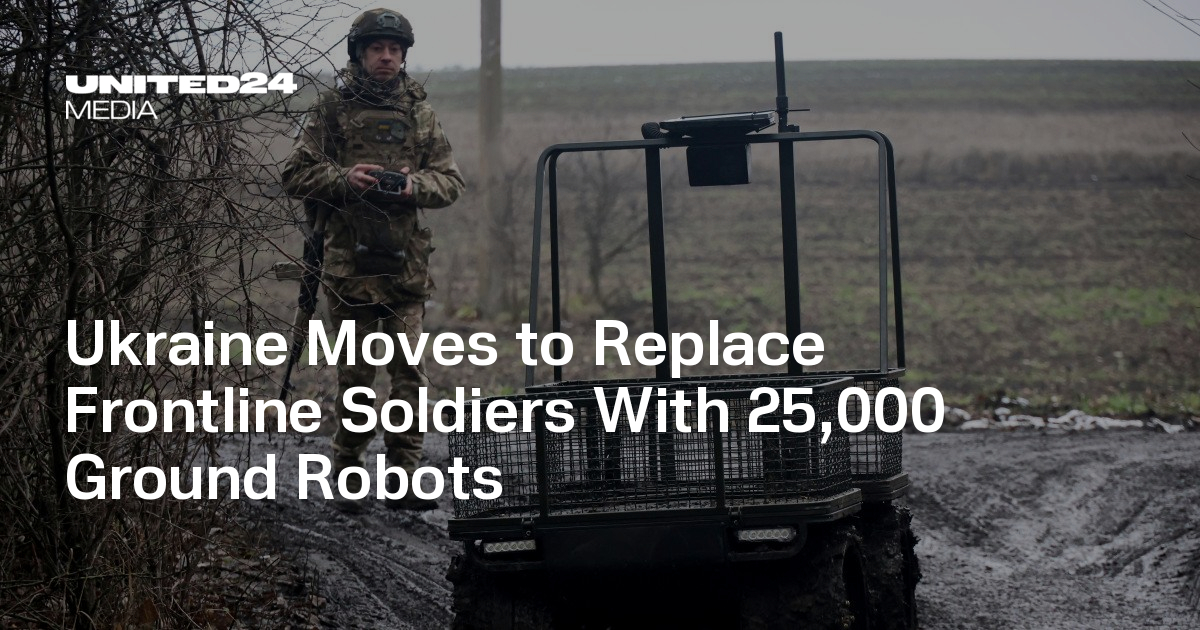
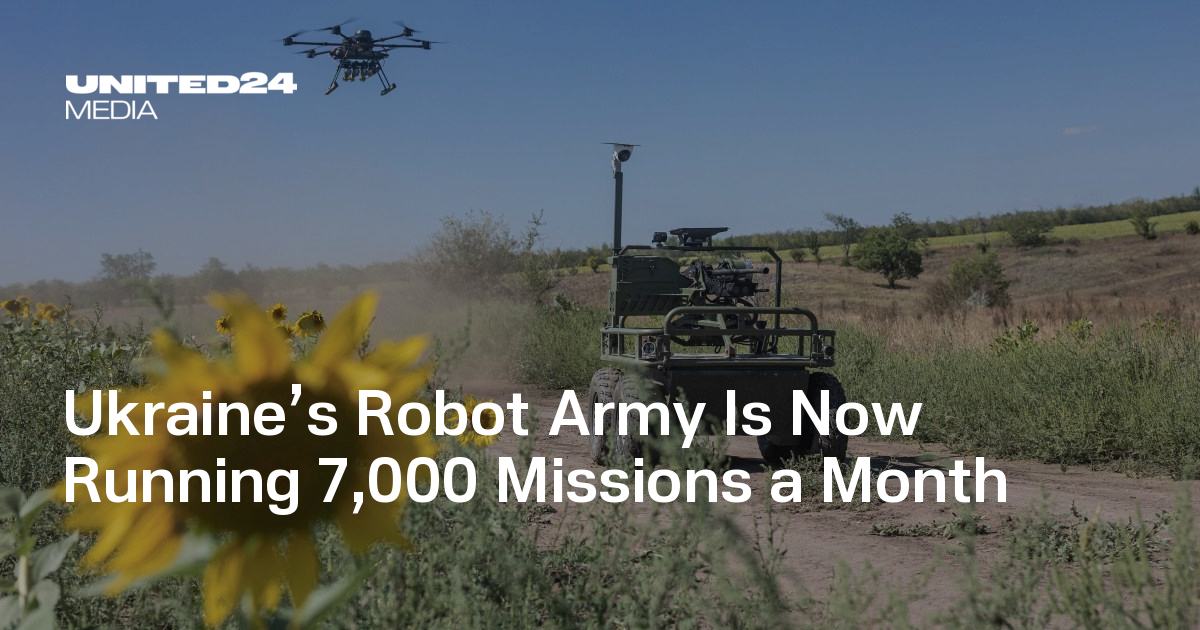
This article, referenced within the one suggested, also deserves reading. The UGVs are ordered on the front line from suppliers that are given contracts this year to supply vehicles next year. The troops order the vehicles from the Brave1 marketplace

"more than 200 companies in Ukraine manufacture ground robotic platforms, and more than 500 products have been tested on the Brave1 platform. The Brave1 marketplace currently features 162 different products.

"In Ukraine, the military can order weapons through the Brave Market platform using a special scoring system known as ePoints. In just the first two months of 2026, more ground robots were ordered than in all of 2025: 323 units compared to 249. Demand is growing."


....

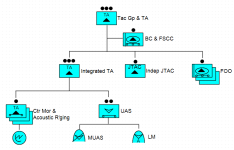
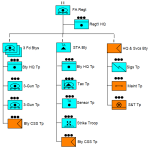
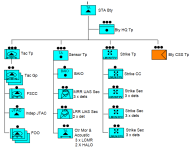
A long time ago I was having a conversation with one of our serving comrades about Light Infantry Battalions. I suggested that the real difference between a LAV Bn and a Lt Bn was not the 45 tin cans in which the GIBs relaxed but the 45 turrets with their sensors, Coax and 25mm Bushmasters.

I also suggested that those 25mms could be mounted on trailers and dragged behind Quads that could accompany the Lt Bn anywhere it went. They could be lifted by the same helicopters, aircraft, trains, trucks and ships that transported the troops.

Now that trailer is not just self-propelled but it doesn't even require a driver or a gunner. It only needs a VC (Vehicle Commander).

That Light Bn should now be able to bring the same weapons to the fight as the LAV Bn. And manouevre them more discretely given their smaller size. And more aggressively given the lack of any onboard blood.

....

And here is the current answer to the Jeeps vs Tanks recce debate. None of the above.

"Ukrainian soldiers also use ground drones to transport FPV drones closer to the Russian positions, effectively turning them into mobile launch platforms."
 
Ukraine is showing absolutely amazing innovation. I wonder though if some (much?) of that innovation is being "wasted" on getting better at the war that they have and not on getting out of that and into the war they want/need. They are stuck in a war of attrition with a larger enemy that occupies much of their territory. They have little hope of regaining that territory with a dispersed drone war and they are unlikely to beat Russia in an tit-for-tat exchange of missiles and drones on economic targets.

To my mind it's kind of like both sides in WWI innovating to get really good at trench warfare while what they really needed was to innovate their way out of trench warfare.

Is NATO at risk of potentially taking the wrong lessons from the Ukraine War and seeking to duplicate what Ukraine is doing but using our industry/resources/cash to do it even better than Ukraine rather then focusing on avoiding that type of war altogether?

In WW1 the armies went in with a manoeuvre mindset and got stuck in a prolonged siege that Caesar and even Nebuchadnezzar would have recognized. More infantry, more horses weren't going to break the siege. More firepower wasn't going to break the siege.

The new answer was an ancient answer. A new siege machine that moved a shelter up to the siege lines under which artillerists and engineers could operate to breach the lines.

The siege machines of Nebuchadnezzar and Caesar were covered in wet hides and shoved into position by the muscles of the infantry.
The siege machines of WW1 were covered in half-inch steel and shoved into position by 105 horses. They covered the actions of an 8 man section of artillery with 2x 6-pdr QF guns and 3x 303 Hotchkiss MGs.

Neither Ukraine nor Russia asked for this siege war. Russia in particular was perturbed. Keep in mind that the siege did not start on February 22, 2022. It started 8 years earlier in 2014.

Some sieges have lasted a lot longer than that. The longest siege of my life started before I was born, in 1946. It was on March 5, 1946 at Westminster College in Fulton, Missouri, that Churchill gave his Iron Curtain speech declaring that an Iron Curtain had fallen across Europe from Szczecin on the Baltic to Trieste on the Adriatic.

Reputedly that siege ended in Nov 9.1989 - 43 years later.

But within a generation a new Iron Curtain, now stretching from Nordkapp on the Barents to Odessa on the Black Sea, has replaced it.

....

During those 43 years we kept forces in place to maintain the siege. As did the Russians.
They spent their money building more siege machines- more tanks.
We spent some of our money doing that.
But we spent a lot more building Frigidaires, Hoovers, Chevys, TVs and Transistor Radios.
We committed a lot less manpower and resources to the siege.
Which we never broke.

The siege ended the way that most sieges ended throughout history.
One side starved first.
This time it was the Russians.

The key to most sieges has been who has the best supply lines because most fortresses, no matter how many supplies they have on hand, with eventually run out. Both sides need to constantly be supplied.

...

In 1916 the siege machine employed a crew of 8.
In 1940 it had a crew of 5.
In 1960 it was down to 4.
We have spent a couple of decades arguing the merits of crews of 4,3 or 2.

The Ukrainians have leaped clear over that discussion.

They have crews of 0. At least on-board crews of 0. Off-board they still have a VC.

....

The net result is that the Ukrainians can now withstand a siege for a lot longer. They have an open border to their rear through which supplies can flow and they have willing suppliers.

Their fortified frontier is now covered by machines, roving and static, controlled by a small coterie of men and women. The small number of people on the walls means more people available to continue the life of the nation, its economy.

And a thriving economy is the best response to a siege.

....

Ukraine can build all sorts of siege machines, with massive guns and all sorts of missiles, and not have to commit their entire population to the effort, and risk its next generation.

And it has the added benefit that it actually seems to be making a profit out of its war.


....

While the Iron Curtain was in place the Czech border zone, the No-man's land that I suggest is equivalent to the current "Kill Zone" in Ukraine, was between 4 and 10 km deep.

The Korean DMZ is 4 km deep. That siege line has been in place for 75 years, since July 27, 1953. And South Korea beats North Korea with a better economy producing more consumer goods.

Other militarized borders?

Finland-Russia
India-Pakistan
Israel-Gaza
Israel-West Bank
Morocco - Western Sahara
US - Mexico

Apparently a third of the world's land borders are less than 100 years old.

(Actually - reviewing this, the Korean siege is longer than the Cold War, the Israeli siege is longer and the Pakistani siege is longer).

....

So.

Stabilize the front at least cost and wait out the opposition?

Or.

Go charging into the great beyond and spend a lot of blood, treasure and your next generation?

 
In WW1 the armies went in with a manoeuvre mindset and got stuck in a prolonged siege that Caesar and even Nebuchadnezzar would have recognized. More infantry, more horses weren't going to break the siege. More firepower wasn't going to break the siege.

The new answer was an ancient answer. A new siege machine that moved a shelter up to the siege lines under which artillerists and engineers could operate to breach the lines.

The siege machines of Nebuchadnezzar and Caesar were covered in wet hides and shoved into position by the muscles of the infantry.
The siege machines of WW1 were covered in half-inch steel and shoved into position by 105 horses. They covered the actions of an 8 man section of artillery with 2x 6-pdr QF guns and 3x 303 Hotchkiss MGs.

Neither Ukraine nor Russia asked for this siege war. Russia in particular was perturbed. Keep in mind that the siege did not start on February 22, 2022. It started 8 years earlier in 2014.

Some sieges have lasted a lot longer than that. The longest siege of my life started before I was born, in 1946. It was on March 5, 1946 at Westminster College in Fulton, Missouri, that Churchill gave his Iron Curtain speech declaring that an Iron Curtain had fallen across Europe from Szczecin on the Baltic to Trieste on the Adriatic.

Reputedly that siege ended in Nov 9.1989 - 43 years later.

But within a generation a new Iron Curtain, now stretching from Nordkapp on the Barents to Odessa on the Black Sea, has replaced it.

....

During those 43 years we kept forces in place to maintain the siege. As did the Russians.
They spent their money building more siege machines- more tanks.
We spent some of our money doing that.
But we spent a lot more building Frigidaires, Hoovers, Chevys, TVs and Transistor Radios.
We committed a lot less manpower and resources to the siege.
Which we never broke.

The siege ended the way that most sieges ended throughout history.
One side starved first.
This time it was the Russians.

The key to most sieges has been who has the best supply lines because most fortresses, no matter how many supplies they have on hand, with eventually run out. Both sides need to constantly be supplied.

...

In 1916 the siege machine employed a crew of 8.
In 1940 it had a crew of 5.
In 1960 it was down to 4.
We have spent a couple of decades arguing the merits of crews of 4,3 or 2.

The Ukrainians have leaped clear over that discussion.

They have crews of 0. At least on-board crews of 0. Off-board they still have a VC.

....

The net result is that the Ukrainians can now withstand a siege for a lot longer. They have an open border to their rear through which supplies can flow and they have willing suppliers.

Their fortified frontier is now covered by machines, roving and static, controlled by a small coterie of men and women. The small number of people on the walls means more people available to continue the life of the nation, its economy.

And a thriving economy is the best response to a siege.

....

Ukraine can build all sorts of siege machines, with massive guns and all sorts of missiles, and not have to commit their entire population to the effort, and risk its next generation.

And it has the added benefit that it actually seems to be making a profit out of its war.


....

While the Iron Curtain was in place the Czech border zone, the No-man's land that I suggest is equivalent to the current "Kill Zone" in Ukraine, was between 4 and 10 km deep.

The Korean DMZ is 4 km deep. That siege line has been in place for 75 years, since July 27, 1953. And South Korea beats North Korea with a better economy producing more consumer goods.

Other militarized borders?

Finland-Russia
India-Pakistan
Israel-Gaza
Israel-West Bank
Morocco - Western Sahara
US - Mexico

Apparently a third of the world's land borders are less than 100 years old.

(Actually - reviewing this, the Korean siege is longer than the Cold War, the Israeli siege is longer and the Pakistani siege is longer).

....

So.

Stabilize the front at least cost and wait out the opposition?

Or.

Go charging into the great beyond and spend a lot of blood, treasure and your next generation?

Siege warfare is what you get when the opposing sides have similar doctrines, technologies and strength. Neither side has the distinct advantage over the other so it becomes a battle of attrition. Not the optimal mode of warfare that you'd like to get into.

The decisive outcomes in warfare come when one side develops a technology, tactic or structure that gives them a decisive advantage over their opponents such that they are able to break out from attritional siege warfare: the Greek phalanx, Roman organization/engineering, the Stirrup, Gunpowder, mass conscription, industrialized warfare, the tank, air power, precision weapons, etc.

The innovations by Ukraine are totally understandable and necessary. It's what they need to do to hold off the Russians. Just like the advances in trench warfare by both sides in WWI: complex networks of defences, barbed wire and machine guns, the creeping barrage, mining and tunnel warfare, chemical weapons, trench raiding and infiltration tactics. All were necessary for each side to counter the advances of the other.

It was the effective use of the tank in combined operations along with improved artillery techniques and air power that broke the stalemate. Ukraine hasn't yet come up with their equivalent combination of technologies and tactics that will allow them to break the stalemate and retake their territory from the Russians.

Ukraine due to the simple need merely to survive has no choice but to learn how best to fight the war they are in and hope to find the right combination of factors that can change the equation. NATO on the other hand, not currently being engaged in a fight for survival has the breathing space to try to find ways to avoid getting into the type of war that Ukraine is forced to fight.

Simply copying (and improving) on the technologies and methods currently used by the Ukrainians would be like designing your army to fight the Battle of Verdun rather than trying to put together a force that can fight the Battle of Amiens.
 
Back
Top