• Thanks for stopping by. Logging in to a registered account will remove all generic ads. Please reach out with any questions or concerns.

Littoral Operations

You have to ask yourself, what are we defending the coast from? Do we actually, at the highest geo-politically strategic level, believe that an invasion of our country from the sea is a legitimate threat that we need to be planning and building toward defending against?

I would posit: fuck no. Both because it's unrealistic as a possibility, and also because if it were a possibility, the threat we would have to face would likely be insurmountable. To invade across the Atlantic or Pacific would require a naval force and logistic train more massive and capable than anyone has ever created (except maybe the US). And you think Canada has the economic capacity to prepare and defend against THAT possibility? Again I say fuck no.

Instead we need to plan and build against realistic possibilities and threats to Canada: air and submarine incursions from Russia. That requires interceptors, submarines, and MPAs.

So why do I still think a massive surface fleet, GBAD, and long range fires (HIMARS) is still a good idea? Because, as I posited, if someone does in the future assemble a force capable of invading Canada across the ocean, it will be so great we can't stop. The best defence against that is to prevent that possibility in the first place, and that requires power projection, influence ops, and supporting our Allies abroad. Ergo, the Navy.
I'm 100% with @Lumber here. You keep trying to design someone else's military. Due to our unique geographic location and the fact that we are located adjacent to and deeply economically/politically intertwined with a global nuclear superpower (despite the current occupant of the White House's attitude) our military requirements are NOT the same as most other nations.

Yes we need the forces necessary to control the air and sea approaches to our country, but we are not going to face an enemy armada storming our shores. And frankly, if we do face an enemy missile attack it is most likely to be massive and nuclear and beyond the capability of any remotely affordable AD system to defeat.

Despite the massive failures of our political and military leaders over the years to adequately equip and sustain our military I do at least believe that they have the basic understanding that for the most part the best defence of Canada is to stop threats elsewhere in the world before they become a realistic threat at home. Shifting our defence priority to become a "porcupine" at home and letting threats grow elsewhere will only allow those threats to grow to the point where they actually can pose a threat at home.

It's the same reason that the US can't afford to fall back to "Fortress North America" and let other powers have their way unchecked in the rest of the world. We have a global economy and global interests. Our military should reflect that.
 
You have to ask yourself, what are we defending the coast from? Do we actually, at the highest geo-politically strategic level, believe that an invasion of our country from the sea is a legitimate threat that we need to be planning and building toward defending against?

I would posit: fuck no. Both because it's unrealistic as a possibility, and also because if it were a possibility, the threat we would have to face would likely be insurmountable. To invade across the Atlantic or Pacific would require a naval force and logistic train more massive and capable than anyone has ever created (except maybe the US). And you think Canada has the economic capacity to prepare and defend against THAT possibility? Again I say fuck no.

Instead we need to plan and build against realistic possibilities and threats to Canada: air and submarine incursions from Russia. That requires interceptors, submarines, and MPAs.

So why do I still think a massive surface fleet, GBAD, and long range fires (HIMARS) is still a good idea? Because, as I posited, if someone does in the future assemble a force capable of invading Canada across the ocean, it will be so great we can't stop. The best defence against that is to prevent that possibility in the first place, and that requires power projection, influence ops, and supporting our Allies abroad. Ergo, the Navy.

A couple of issues:

Our neighbours believe that they are at risk. I agree.

They believe we are an unsecured flank that leaves them at risk. I agree.

If we don't secure their flank then they will. And it will cost us. In access, opportunity, indirect costs to the economy and direct costs in matching their border forces.

If we are going to have to take a financial hit we might as well use the funds to stay on side with our neighbours and keep the border open.

...

As to the nature of the threat.

Not an invasion force moving fast and noisy.

But a hybrid wearing attack moving slow and quiet.

A little bit of criminal activity, s bit of political activity, some economic and propaganda action leavened with a bit of plausibly deniable direct action terrorism - all supported through legitimate lines of communication and ports of entry as well as disruption of those lines of communications by taking advantage of the freedom of the seas and the moot rules and their enforcement.

....

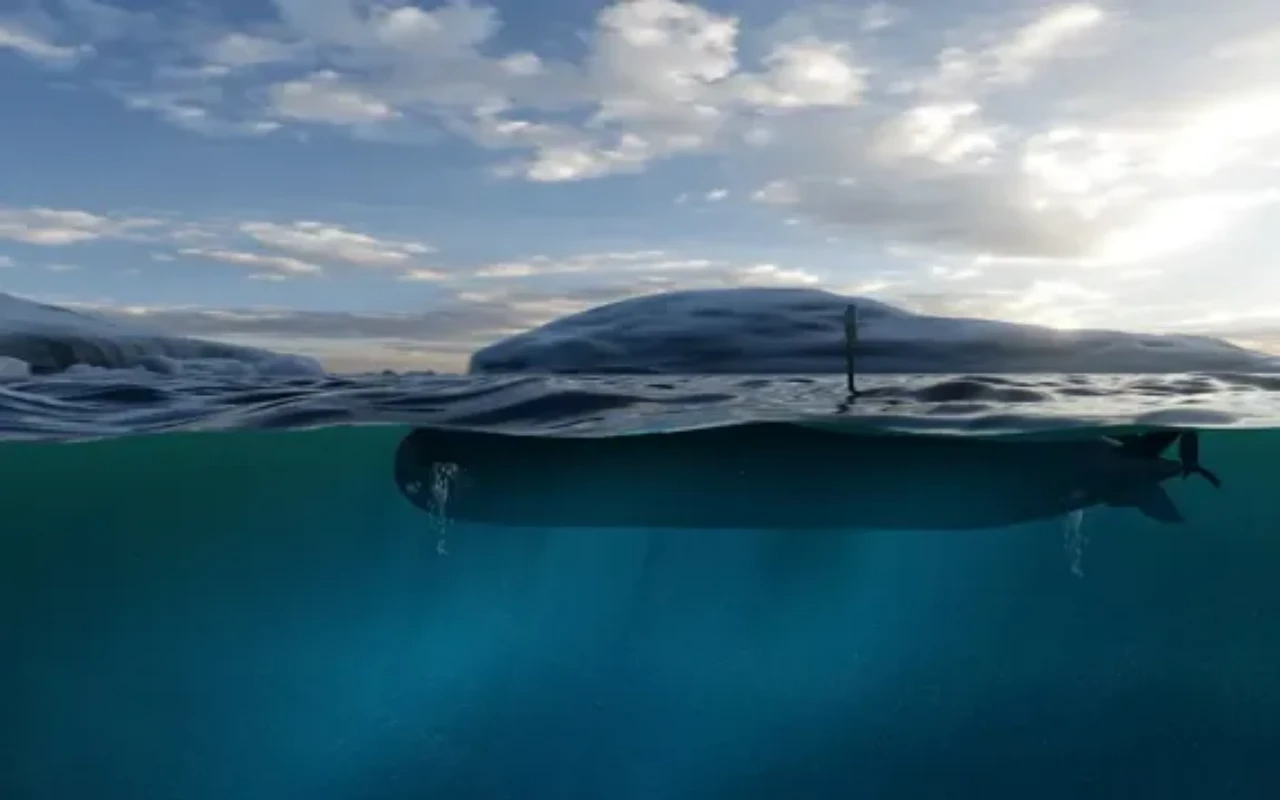
My plan rests on maintaining situational awareness, the ability to rapidly deploy eyes to any threat wthin 1000 km inside of 15 minutes by exploiting the speed of cheap rockets rather than expensive jets, being able to maintain surveillance until the necessary national force can be deployed against the threat. That could be arranging a loud bang in a short time. It could be maintaining surveillance longer until manpower can be deployed by air or sea to the threat.

...

And it is my strong belief that for a fraction of the cost of conventional naval and air forces a strong base line for national defence csn be created.

That leaves the conventional forces in reserve, training with current kit against current threats, to manage that which the baseline can't manage or being deployed at the government's behest on foreign ventures.

....

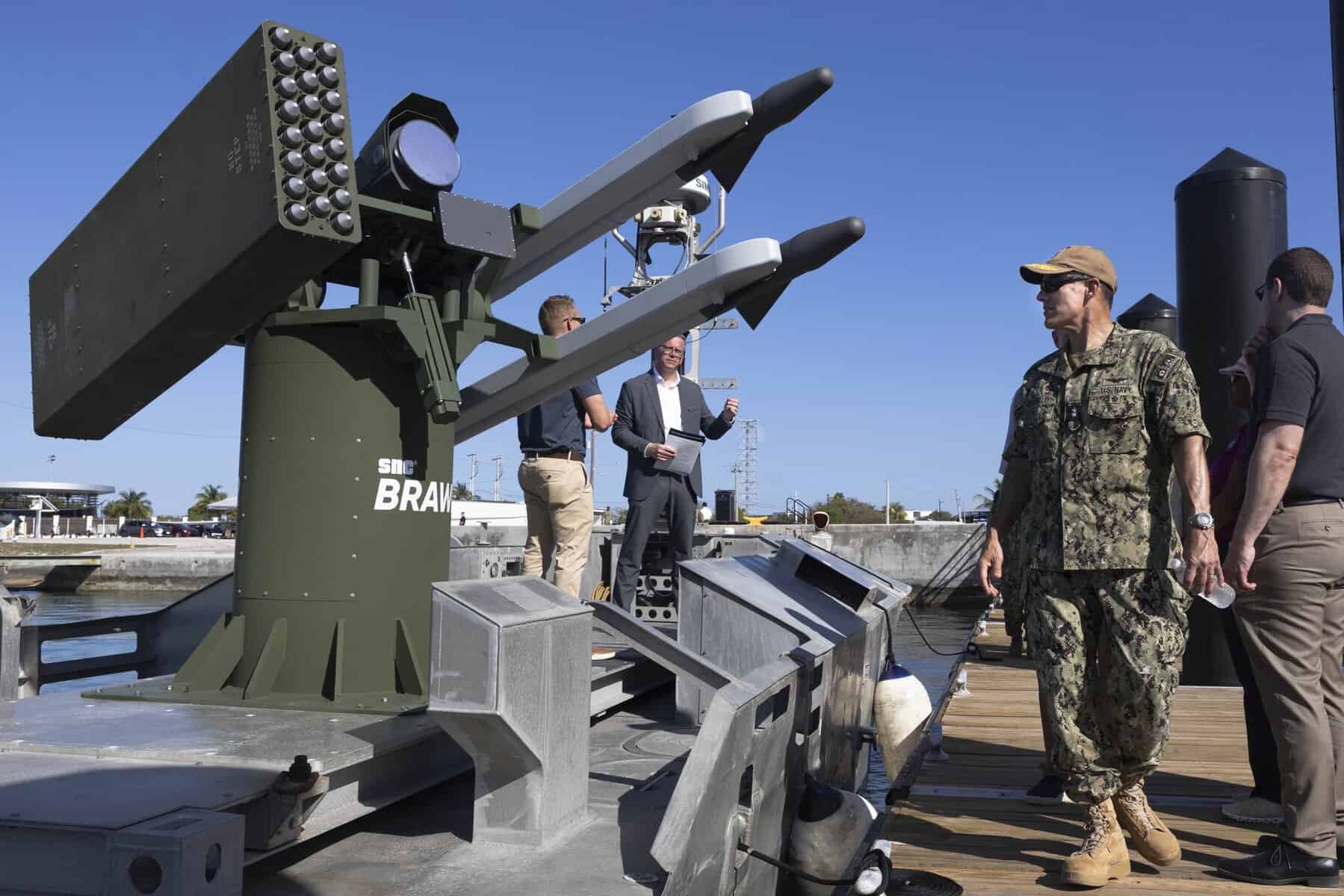
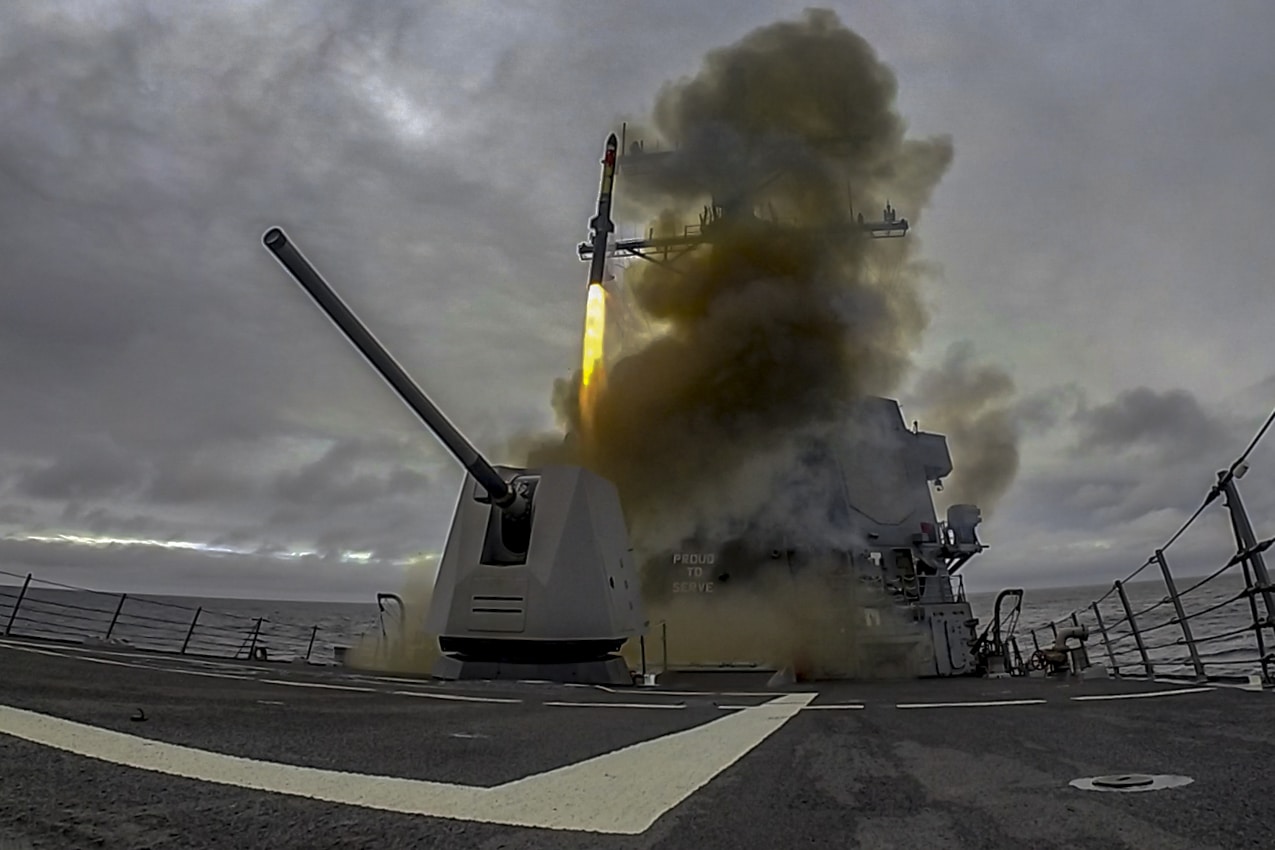
The missiles and munitions I am talking about will be necessary to service targets regardless if launched from a ship, sub, aircraft or DivArty truck on expedition.

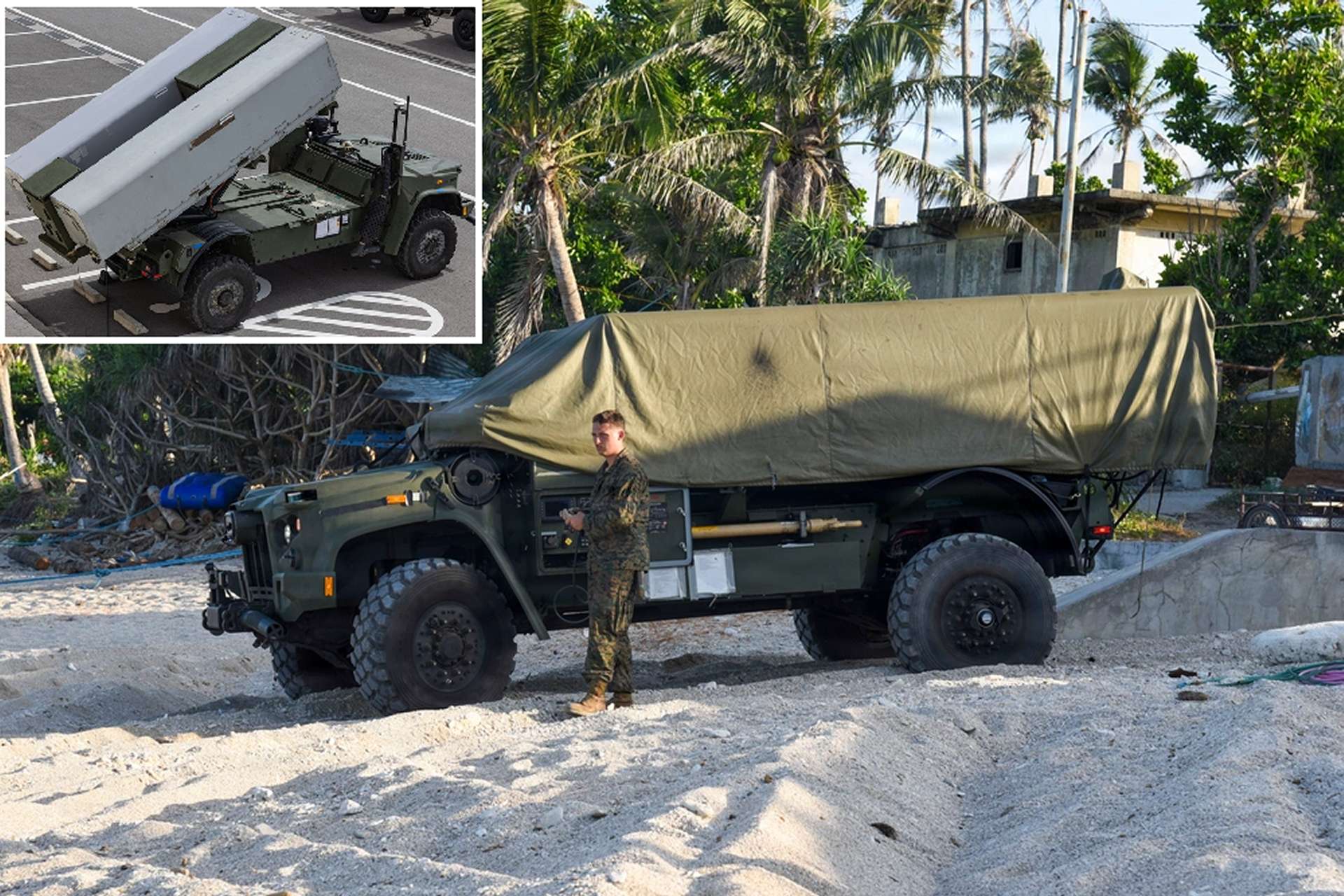
Or from a few dozen unmanned trucks scattered around the countryside centrally controlled.

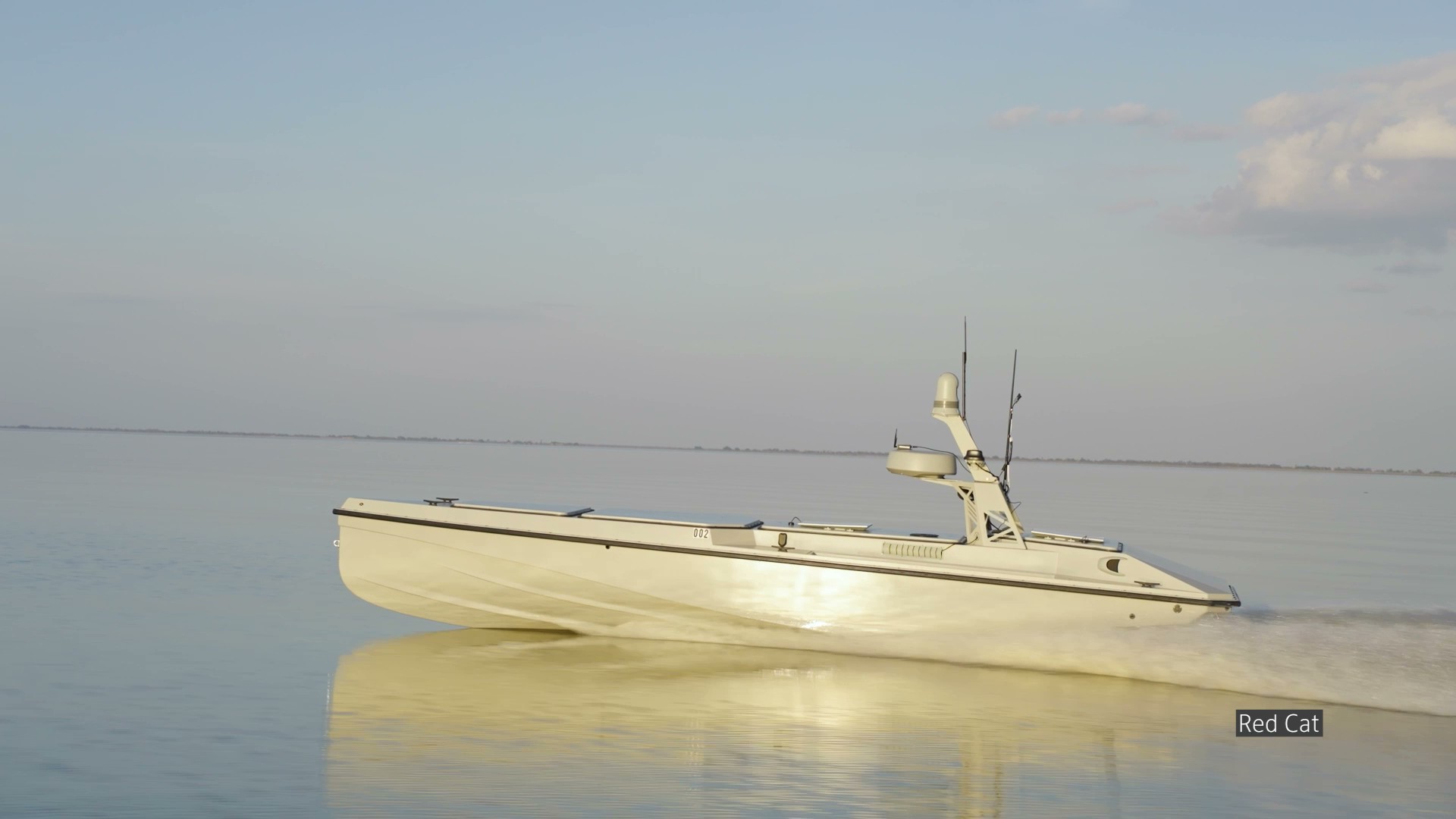
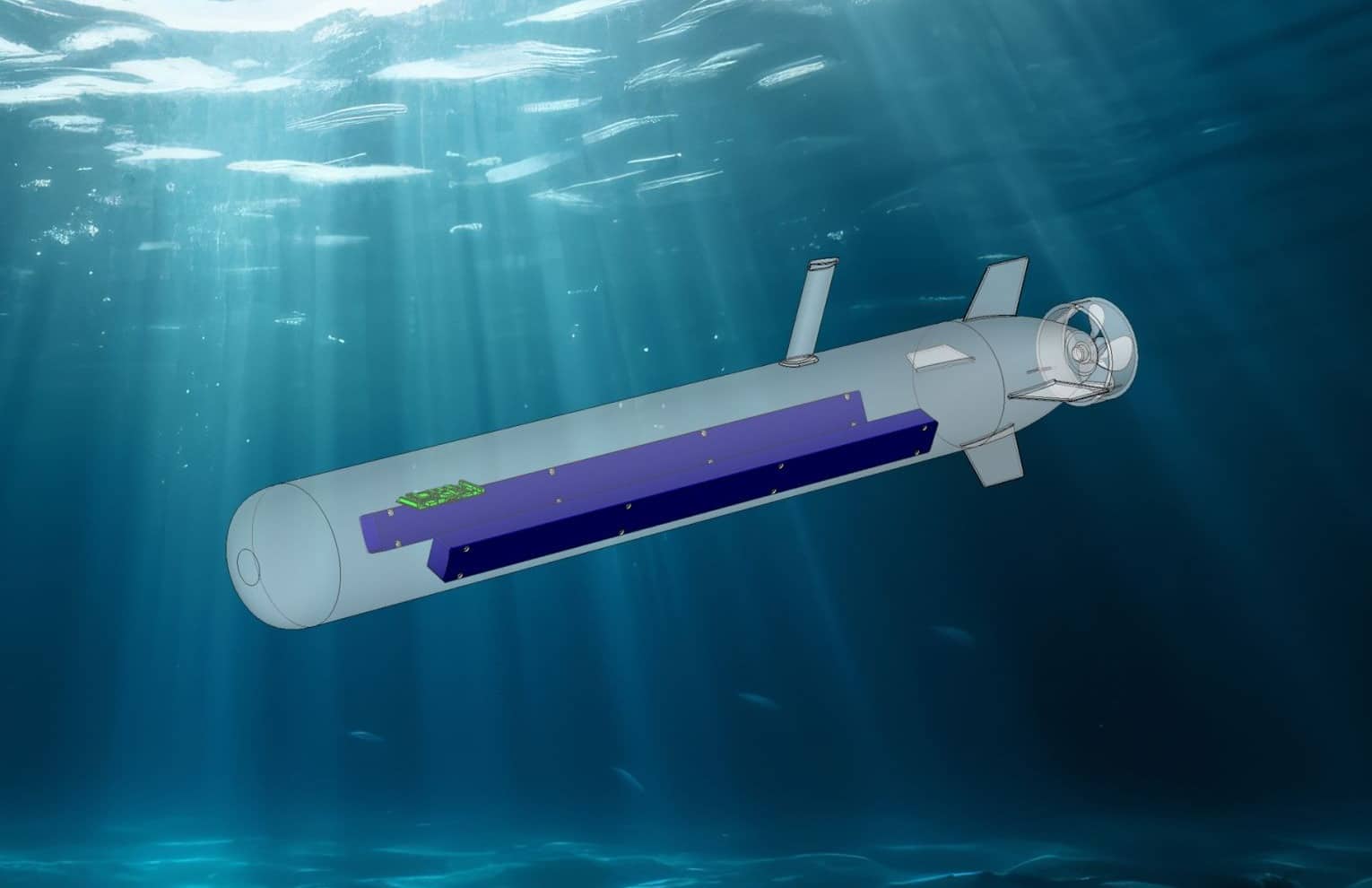
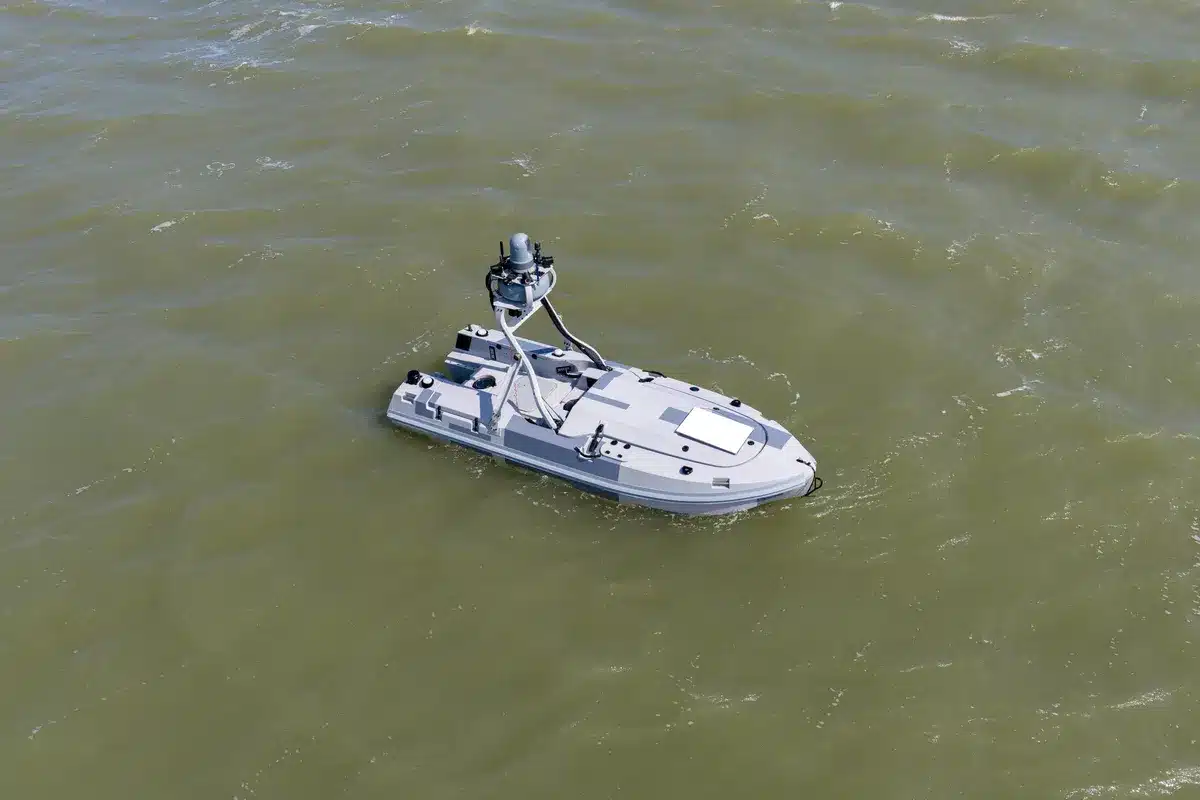
And sensors can either be deployed on moving platforms burning up gas, crews, bearings and hulls or by eliminating the cost of gas and crews and using the savings to buy more sensors on cheaper, disposable platforms.

The gas, crews, bearings and hulls then get saved for the QRFs and the expeditionary requirements.

And we have greater situational awareness and a stronger argument for keeping the border open and trade flowing.
 
And further to...

Our North Atlantic allies, most of them as cash-strapped as we, are investing heavily in near term solutions to securing the North Atlantic, both to secure comms and to blockade the Russians.

By adopting similar solutions as them, selected for their cost effectiveness, then we can aggressively secure more of the ocean from shore, reduce the area of blue water that our mutual enemies can exploit and reduce the area and effort required by our blue water forces.

This is not someone else's army. Nor someone else's fight. It is ours. Today. Not in 2035 or 2040 or 2050.
 
And further to...

Our North Atlantic allies, most of them as cash-strapped as we, are investing heavily in near term solutions to securing the North Atlantic, both to secure comms and to blockade the Russians.

By adopting similar solutions as them, selected for their cost effectiveness, then we can aggressively secure more of the ocean from shore, reduce the area of blue water that our mutual enemies can exploit and reduce the area and effort required by our blue water forces.

This is not someone else's army. Nor someone else's fight. It is ours. Today. Not in 2035 or 2040 or 2050.
We totally agree. The further we can reach out from land from mobile platforms the more we reduce the burden on our air and sea forces. We provide strongly defended anchor points that allow them to maximize their capabilities to strike where land forces can't reach.

To me that's just strategy 101.

🍻
 
A couple of issues:

Our neighbours believe that they are at risk. I agree.

They believe we are an unsecured flank that leaves them at risk. I agree.

If we don't secure their flank then they will. And it will cost us. In access, opportunity, indirect costs to the economy and direct costs in matching their border forces.

If we are going to have to take a financial hit we might as well use the funds to stay on side with our neighbours and keep the border open.

...

As to the nature of the threat.

Not an invasion force moving fast and noisy.

But a hybrid wearing attack moving slow and quiet.

A little bit of criminal activity, s bit of political activity, some economic and propaganda action leavened with a bit of plausibly deniable direct action terrorism - all supported through legitimate lines of communication and ports of entry as well as disruption of those lines of communications by taking advantage of the freedom of the seas and the moot rules and their enforcement.
You are correct that the US sees threats to its interests both at home and abroad. You can see the nature of those threats directly in the US NDS:
HOMELAND AND HEMISPHERE For decades, America’s foreign policy establishment neglected our nation’s Homeland defenses. This was partly due to the view that such defenses were no longer necessary. But it was also informed by an increasing desire on the part of Washington decisionmakers to ease border controls and facilitate the illegal migration of people and the unchecked, unfair flow of goods. The sorry results speak for themselves. In recent decades, our nation has been overwhelmed by a flood of illegal aliens. At the same time, narcotics have poured across our borders, poisoning hundreds of thousands of Americans. Narcotics traffickers in our hemisphere have profited enormously off this evil and are rightly designated as foreign terrorist organizations (FTOs) as a result—but that is not all. Operation SOUTHERN SPEAR shows that President Trump is deadly serious about preventing narco-terrorists from trafficking lethal narcotics into our country. The President is also serious about bringing narco-terrorists to justice. Nicolas Maduro, for instance, thought that he could poison Americans with impunity. Operation ABSOLUTE RESOLVE taught him otherwise—and all narco-terrorists should take note. More direct military threats to the American Homeland have also grown in recent years, including nuclear threats as well as a variety of conventional strike and space, cyber, electromagnetic warfare capabilities. At the same time, although the United States has severely degraded Islamic terrorist organizations like al Qaeda and ISIS in recent decades, these actors continue to adapt and pose a credible threat. American interests are also under threat throughout the Western Hemisphere. As early as the 19thcentury, our predecessors recognized that the United States must take a more powerful, leading role in hemispheric affairs in order to safeguard our nation’s own economic and national security. It was this insight that gave rise to the Monroe Doctrine and subsequent Roosevelt Corollary. But the wisdom of this approach was lost, as we took our dominant position for granted even as it started to slip away. As a result, we have seen adversaries’ influence grow from Greenland in the Arctic to the Gulf of America, the Panama Canal, and locations farther south. This not only threatens U.S. access to key terrain throughout the hemisphere; it also leaves the Americas less stable and secure, undermining both U.S. interests and those of our regional partners.
The threats the US is concerned about are primarily focused on illegal immigration, narcotics, unfair trade, terrorism and threats to their economic position due to adversary influence in the region and disruptions from cyber and EW warfare in addition to the ever present nuclear and conventional missile threat. They are not envisioning enemy fleets threatening the shores of the US which is why you don't see them building coastal defence batteries all along the Atlantic, Pacific and Alaskan coastlines.

If you really want Canada to do its share in the collective defence of North America then take the ques from what they are investing in. They are expanding their navy. Investing in missile defence. Space-based sensors and communications. 6th Generation fighters. AI and networked warfare. They are updating the Marine's ability to conduct expeditionary warfare in an contested environment. They are not building coastal defences or tailoring their National Guard for vital point protection, etc.

They realize that the best defence of North America is to deal with threats overseas before they become a threat to the homeland.

My plan rests on maintaining situational awareness, the ability to rapidly deploy eyes to any threat wthin 1000 km inside of 15 minutes by exploiting the speed of cheap rockets rather than expensive jets, being able to maintain surveillance until the necessary national force can be deployed against the threat. That could be arranging a loud bang in a short time. It could be maintaining surveillance longer until manpower can be deployed by air or sea to the threat.

...

And it is my strong belief that for a fraction of the cost of conventional naval and air forces a strong base line for national defence csn be created.

That leaves the conventional forces in reserve, training with current kit against current threats, to manage that which the baseline can't manage or being deployed at the government's behest on foreign ventures.

....

The missiles and munitions I am talking about will be necessary to service targets regardless if launched from a ship, sub, aircraft or DivArty truck on expedition.

Or from a few dozen unmanned trucks scattered around the countryside centrally controlled.

And sensors can either be deployed on moving platforms burning up gas, crews, bearings and hulls or by eliminating the cost of gas and crews and using the savings to buy more sensors on cheaper, disposable platforms.

The gas, crews, bearings and hulls then get saved for the QRFs and the expeditionary requirements.

And we have greater situational awareness and a stronger argument for keeping the border open and trade flowing.
 
As to the nature of the threat.

Not an invasion force moving fast and noisy.

But a hybrid wearing attack moving slow and quiet.

A little bit of criminal activity, s bit of political activity, some economic and propaganda action leavened with a bit of plausibly deniable direct action terrorism - all supported through legitimate lines of communication and ports of entry as well as disruption of those lines of communications by taking advantage of the freedom of the seas and the moot rules and their enforcement.
Then we don't need HIMARS on the coast. If you are worried about hybrid threats we aren't shooting at why waste the time/pers/resources to deploy shooters and their equipment?

My plan rests on maintaining situational awareness, the ability to rapidly deploy eyes to any threat wthin 1000 km inside of 15 minutes by exploiting the speed of cheap rockets rather than expensive jets, being able to maintain surveillance until the necessary national force can be deployed against the threat. That could be arranging a loud bang in a short time. It could be maintaining surveillance longer until manpower can be deployed by air or sea to the threat.

The difference is jets and drones can come be recovered. Every time we would launch one of these we would literally be trowing money into the sea.

These would only be launched once the RCN/RCAF had detected a signature. At that point they would already be vectoring assets better equipped to investigate and deal with what is out there. Why would we spend the money to launch a one way loitering munition to do a poor job investigating something the RCN/RCAF already know about and are dealing with?

If you want to shoot stuff from the coasts, HIMARS may be a good solution, make that case. Don't try to force a square peg into a round hole by trying to re-role it in sole kind of semi persistent surveillance platform.
 
And further to...

Our North Atlantic allies, most of them as cash-strapped as we, are investing heavily in near term solutions to securing the North Atlantic, both to secure comms and to blockade the Russians.

By adopting similar solutions as them, selected for their cost effectiveness, then we can aggressively secure more of the ocean from shore, reduce the area of blue water that our mutual enemies can exploit and reduce the area and effort required by our blue water forces.

This is not someone else's army. Nor someone else's fight. It is ours. Today. Not in 2035 or 2040 or 2050.
Ronald Reagan defeated the former Soviet Union by appearing to create new weapon systems which the Soviets bankrupted themselves trying to match. Perhaps China in particular is using the same tactics on us. Our left wing parties are profligate spenders on all sorts of things; some good some a total waste of money. In the meantime we are yielding to forces that would restrict our earnings and the development of our resources. In the name of global warming we are attempting to revert to the 19th century form of living only without the coal to keep us warm. We are bankrupting ourselves building costly alternatives to nuclear, coal and natural gas. Just the cost of the infrastructure is more than we can afford. How many billions will go into providing the electricity and infrastructure to supply it to the proposed HS trains? And it is all borrowed. How many acres of good cropland will be dedicated to carrying your MP from Toronto to Ottawa in 2 hours? Would be cheaper to purchase a couple of Dash8s for the military to provide shuttle service between Downsview and Ottawa and you would have another transport asset to boot.

I am an older gentleman so I am accustomed to determining the source of the funds before making any purchases; that is the way I was brought up. I also side with the former Premier Harris: no handouts unless you have made a valiant attempt and failed to obtain employment. And finally, we are theoretically an intelligent group of people so why is it we are creating an attitude of guilt in our children towards using the resources around us whilst looking for ways to ensure that we are using them responsibly and sustainably where feasible. Is it possible that China is influencing our attitudes in such a way as to encourage our entry into bankruptcy?
 
Back
Top