• Thanks for stopping by. Logging in to a registered account will remove all generic ads. Please reach out with any questions or concerns.

Littoral Operations

Is that map from WWII? It looks like Air coverage of the Battle of the Atlantic in 1942.


Got me to thinking

Battle of the Atlantic - 1943

RAF Coastal Command operated about 850 aircraft, a mix of:

Shorts Sunderlands
Consolidated Catalinas
Consolidated Liberators
Boeing Flying Fortresses

Lockheed Hudsons
Bristol Blenheims
Bristol Beauforts
Bristol Beaufighters

And many others

The RAF also operated
350 High Speed Launches and
200 or so smaller Air Sea Rescue boats.

....

The RN Coastal Forces operated
800 MTBs/MGBs
1100 Motor Launches

While the Patrol Service operated
444 trawlers for mine warfare

The Flowers were originally intended for coastal use by the Patrol Service.

....

Meanwhile the Army ...

30 Coast Artillery Regiments (Heavy)
90 Coast Artillery Regiments
19 Defence Artillery Regiments (These seem to have been mobile gap fillers)
~8 Maritime Artillery Regiments (These were regiments of volunteers engaged to supply air defence dets for merchant ships)

In addition

73 Searchlight Regiments
169 Heavy Anti-Aircraft Regiments
146 Light Anti-Aircraft Regiments
25 Anti-Aircraft Z Rocket Regiments

And given that Britain, as an island, and a small one at that, was essentially one big harbour, and that much of this defence work was the part time occupation of the Home Guard

1,500,000 Volunteers
25,000 platoons with about 60 to the platoon
5,000 companies (5 platoons to the company)
1,250 battalions (4 companies to the battalion)

In addition half of the 438,000 Territorials were tasked to man Anti-Aircraft and Coast Regiments
And 190,000 women served in the Auxilliary Territorial Service alongside the future Queen Elizabeth II. Many of them served the anti-aircraft defences as well.

....

These people closed the Narrow Seas, protected the Approaches and Harbours, and narrowed the High Seas.

...

How much of the work they did then could be done over longer ranges with fewer people today?
 
For reference the Royal Artillery also fielded, for the field army

11 Survey Regiments
11 Light Artillery Regiments (Light, Mountain, Pack, Airlanding and Para)
16 Royal Horse Artillery Regiments (predominantly SP to support the armoured divs)
162 Field Artillery Regiments (25 pdrs)
58 Medium Artillery Regiments
15 Heavy Artillery Regiments
5 Super Heavy Artillery Regiments

As well as 70 Anti-Tank Artillery Regiments and
11 LIght Anti-Aircraft/Anti-Tank Regiments.

359 Artillery Regiments to the Field Army

139 Artillery Regiments to the Coastal Defences

413 Artillery Regiments to the Air Defences

8 Artillery Regiments embarked on merchant ships to supply locat air defence at sea.
 
More data points

WW2 UK Coastal Defences employed 400 to 500 guns - some army, some navy, some salvaged, some new, some old battleship guns
Air Defences in 1941-42 consisted of 1691 3.7" guns, 940 Bofors 40mm guns and 4500 searchlights.

These worked alongside the RAF's Radars and Fighter Command as well as 30,000 observers in the Royal Observer Corps.

I can see those 1691 3.7s becoming SAM sites and the 4500 searchlights becoming radars and other sensors but I am fascinated by the ability to perform a direct comparison between a 1940s Bofors 40mm Gun Det and a modern AI CUAS turret with the current generation of the same gun.
 
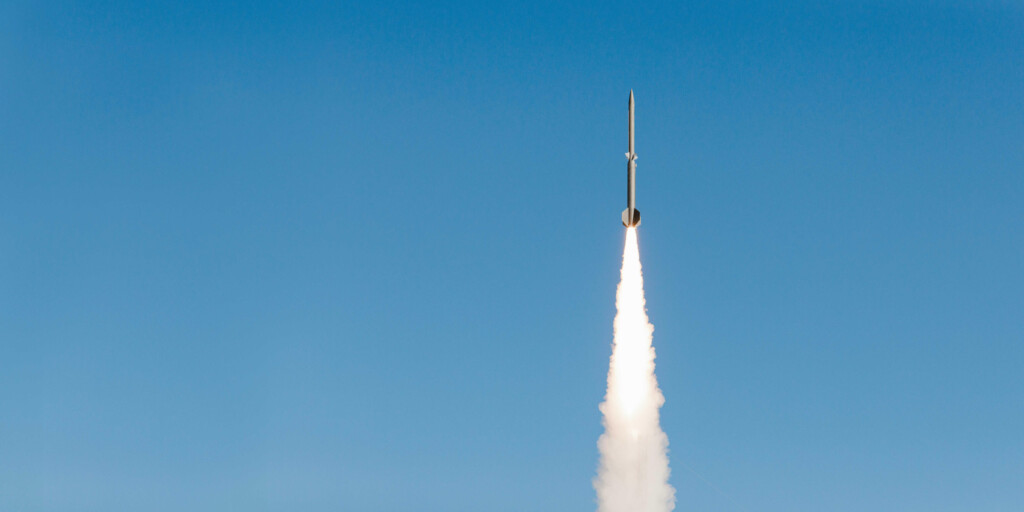
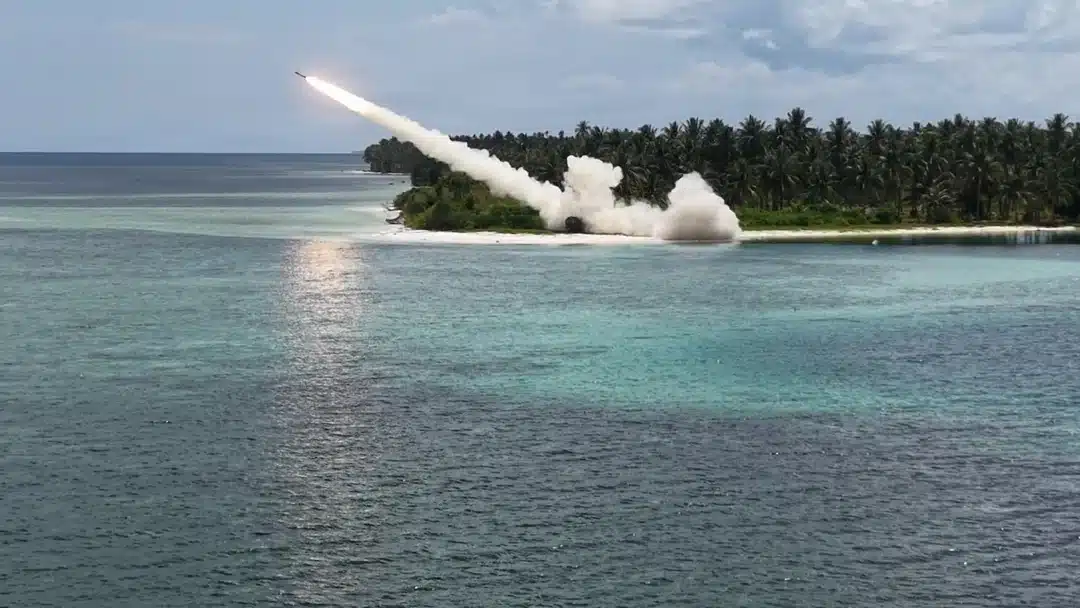
There is also a low cost hypersonic program under way

12000 missiles in 5 years.

Castelion Blackbeard


45 kg warhead delivered to somewhere in the 370 to 1000 km range at Mach 5 ( or roughly 5000 kmh at 60,000 ft). Air or ground launch. Two stage if ground launched, single stage if launched from an F18.

200-300,000 USD a missile
 
And Huntingdon Ingalls in the game


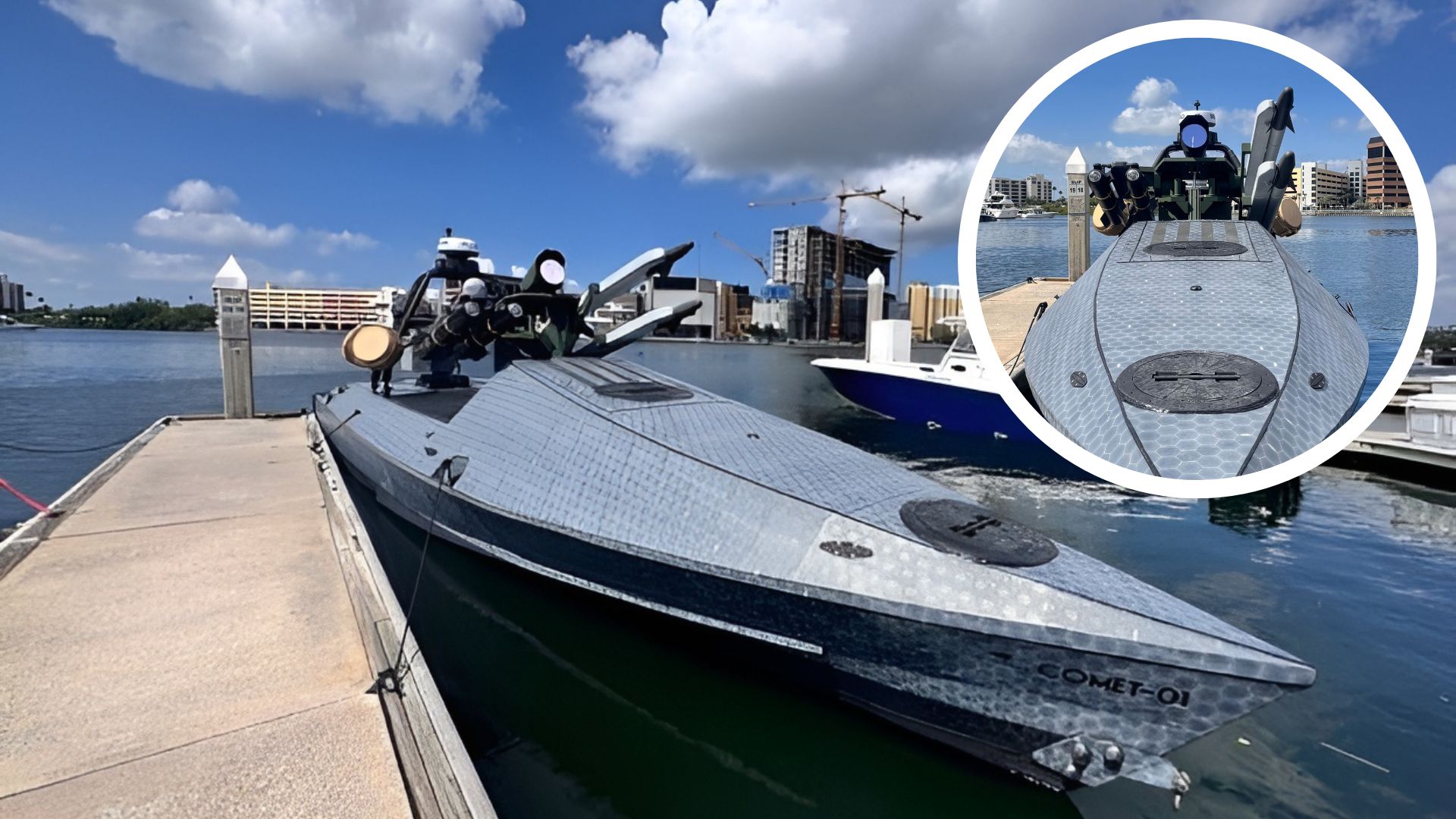
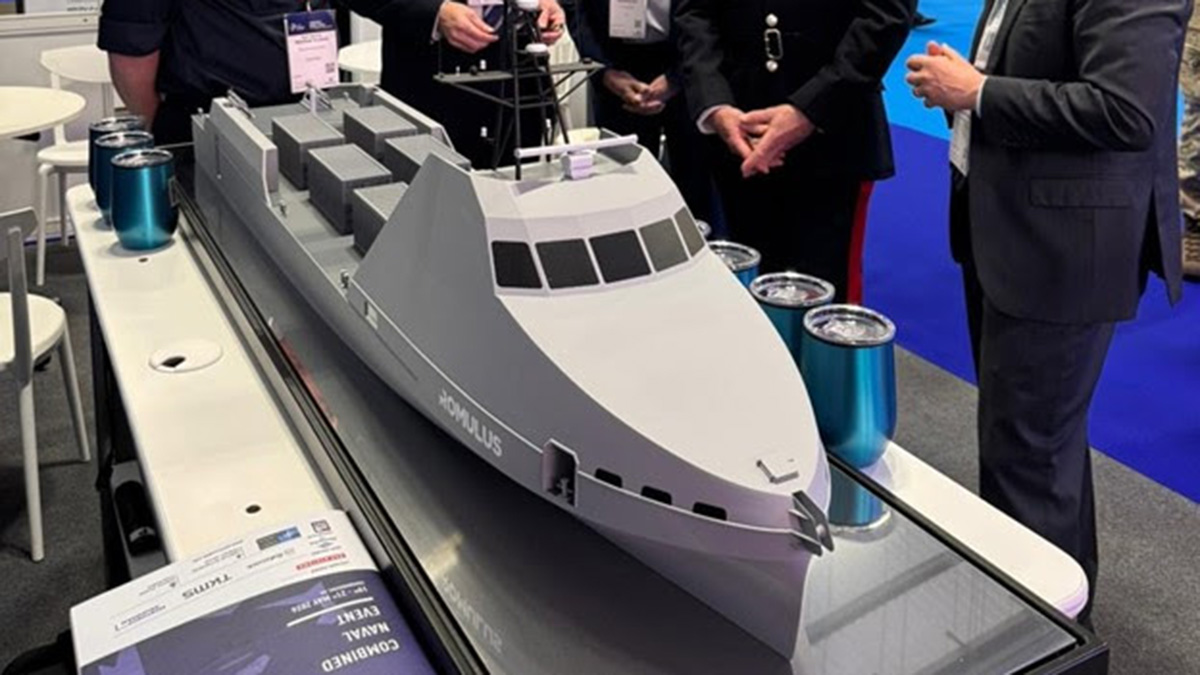
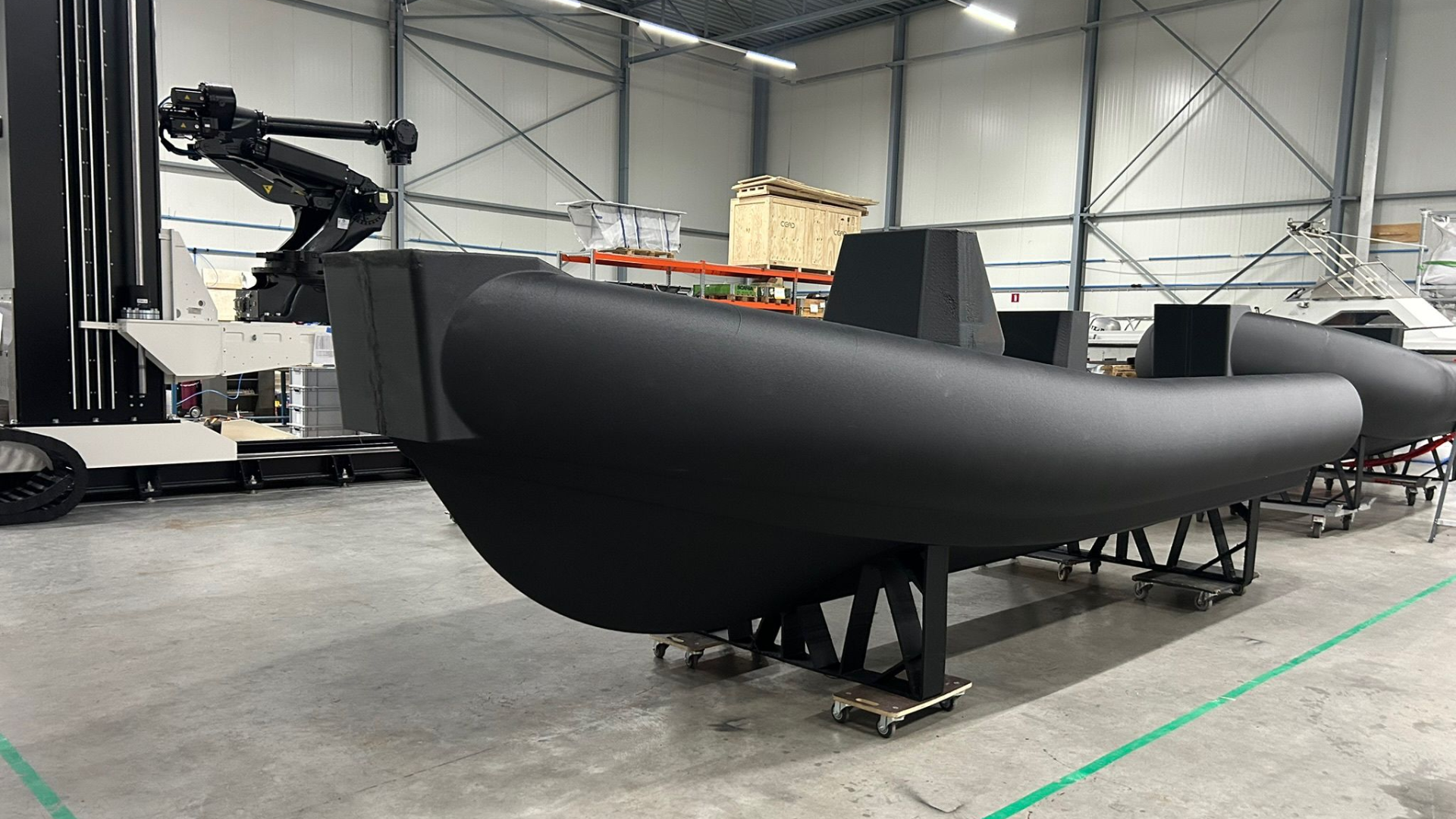
"The ROMULUS-25 is a 27-foot high-speed interceptor vessel capable of carrying up to 1,000 pounds of payload and reaching a range of up to 1,000 nautical miles, according to HII’s specifications."

"Propulsion for the ROMULUS-25’s autonomous decision-making comes from HII’s Odyssey autonomy suite, an AI-based system that integrates multiple sensors and effectors to enable coordinated, cross-domain maritime operations, per the company’s description. Odyssey has accumulated more than 2,200 hours of autonomous operations during government-led tests and exercises over the past five years and has been deployed on more than 30 platforms, logging over 12,000 hours of successful at-sea operations in total across that broader deployment base, according to HII."

The interesting bit to me is how these AI systems are being applied to multiple platforms.

HII Odyssey 30 platforms
Leidos system multiple seagoing platforms
Shield AI half a dozen aircraft and UAVs
Rheinmetall PATH various UGVs
Anduri's Lattice working across domains on UGVs, UAVs, USVs and UUVs.

This has moved well beyond "can the bear dance?" to "how do you get it to twerk?" And can you teach a fish to dance?
 

Helicopters flying from carriers and destroyers with missiles and torpedos taking on fast boats inshore aided by scouting drones.


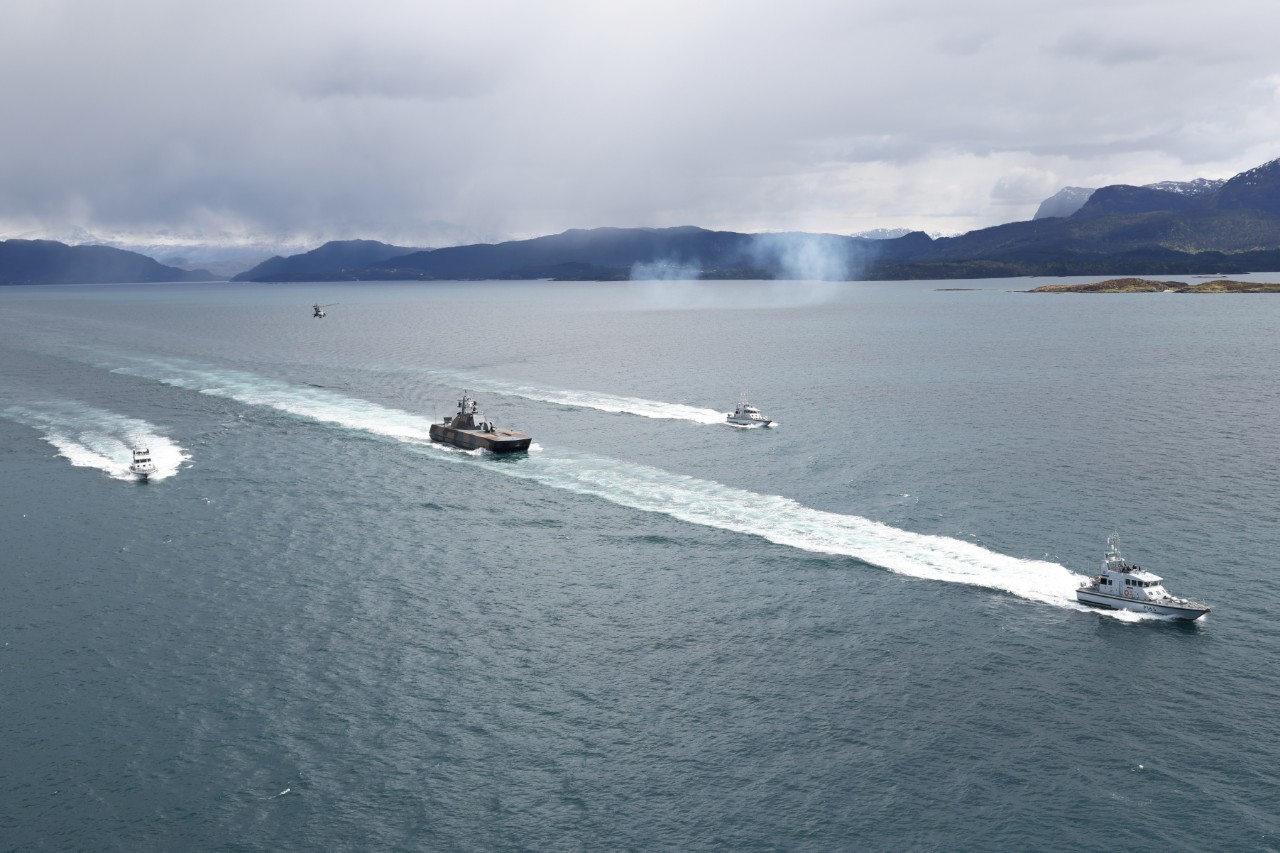
Royal Navy Wildcat helicopters operating alongside drones from 700X Squadron conducted three weeks of intensive exercises in the fjords around Bergen during Exercise Tamber Shield, testing tactics against fast attack boats, simulated missile threats, and aerial targets, according to a Royal Navy news update.

The exercise, run under the banner of the Joint Expeditionary Force, brought together the Royal and Royal Norwegian Navies to develop tactics for dealing with fast, agile threats in narrow waters. The 2026 iteration introduced two new elements: 700X’s Puma drones, which scouted ahead of the Wildcats feeding targeting and threat information directly into cockpits, and RAF electronic warfare specialists from Spadeadam in Cumbria, who simulated infrared and radar-based missile threats to give helicopter crews live practice of evasion tactics using chaff and flares.

Wildcats from 815 Naval Air Squadron operated from both Haakonsvern, the home of the Norwegian Navy, and from the flight deck of HMS Duncan, which was escorting HMS Prince of Wales in the region. Armed with Martlet missiles, the helicopters practised engagements against fast patrol boats on the water and drones in the air, with the Royal Navy’s P2000 patrol boats HMS Archer, Biter, and Example working alongside Norway’s heavily-armed Skjold-class corvettes to provide opposition forces.


Helicopters didn't have it all their own way.

Able Seaman Rob Scott, on his first deployment with HMS Biter, said the exercise had given him a genuine taste of operational life. “Hiding in a fjord when we successfully spotted a Wildcat helicopter and were able to ‘kill’ it by simulating a surface-to-air missile attack was particularly enjoyable.

....

Pilot Lieutenant Hal Wotton of 815 Naval Air Squadron said in the release that the exercise had delivered meaningful tactical development. “Tamber Shield has been extremely beneficial. It’s allowed us to refine our tactical development, using the challenging environment of the fjords to simulate realistic threat scenarios, including ambushes and counter-fast-patrol-boat engagements.”

Aircrew also conducted torpedo runs in the fjords, dropping Sting Ray torpedoes, with the opportunity taken to give those who had not previously done so the chance to carry out the drills. General training tasks were also completed, including winching crew on to and off the small deck spaces of the P2000 patrol boats. Ashore, both navies participated in Bergen’s commemorations marking 82 years since liberation from Nazi occupation at the end of the Second World War.

....

Command and Control between the UK and the Helos and Drones in Norway was also exercised.


Alongside the in-Norway activity, a parallel exercise was run at RNAS Yeovilton testing the mesh network intended to become a central part of future Tamber Shield editions and front-line operations more broadly, seamlessly sharing data between drones, helicopters, and headquarters to speed up decision-making and allow Martlet operators to engage fast-moving swarm threats more quickly.
 
Back
Top