- Reaction score
- 13,992
- Points
- 1,160
I thought this deserved a thread of its own.
Do we really need an MCM capability?
Are we worried about mines in our waters? Not really, and if there are mines in our waters, they will be few in numbers; send the CLDs.
Are we worried about heavy mining in other peoples waters? Possibly. Either stay outside the mine field and launch Tomahawks and/or long range NSMs, or, tell the country we're there to help it's their responsibility to make the Q-routes and/or clear the harbour entrance.
I just can't envision a scenario where we really need a highly capable MCM capability. Right now, IMO, our MCM capability serves nothing more than a diplomatic purpose. We send MCM units to our NATO partners to show we are "helping, friendly, and committed". But if a war actually broke out and the "enemy" established a significant threat, we're not sending an AOPS to clear the mines; it would just get blown up by a long range ASCMs the second it showed up near the minefield.
Sure, ask industry to develop a mine clearing capability that can be strapped onto the CDC; BUT, do not sacrifice a single ounce of core warfighting capability to "make it work".
End rant.
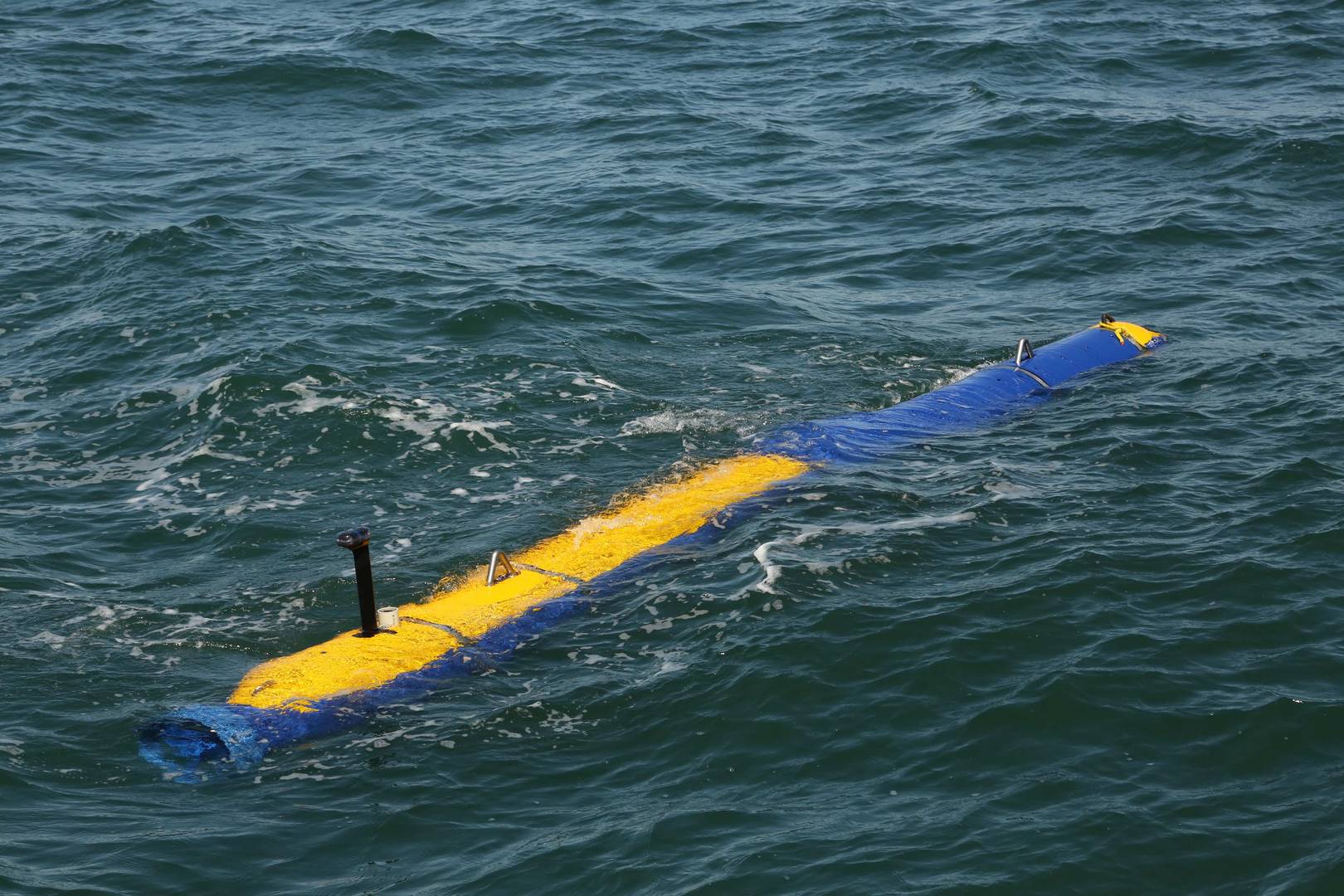
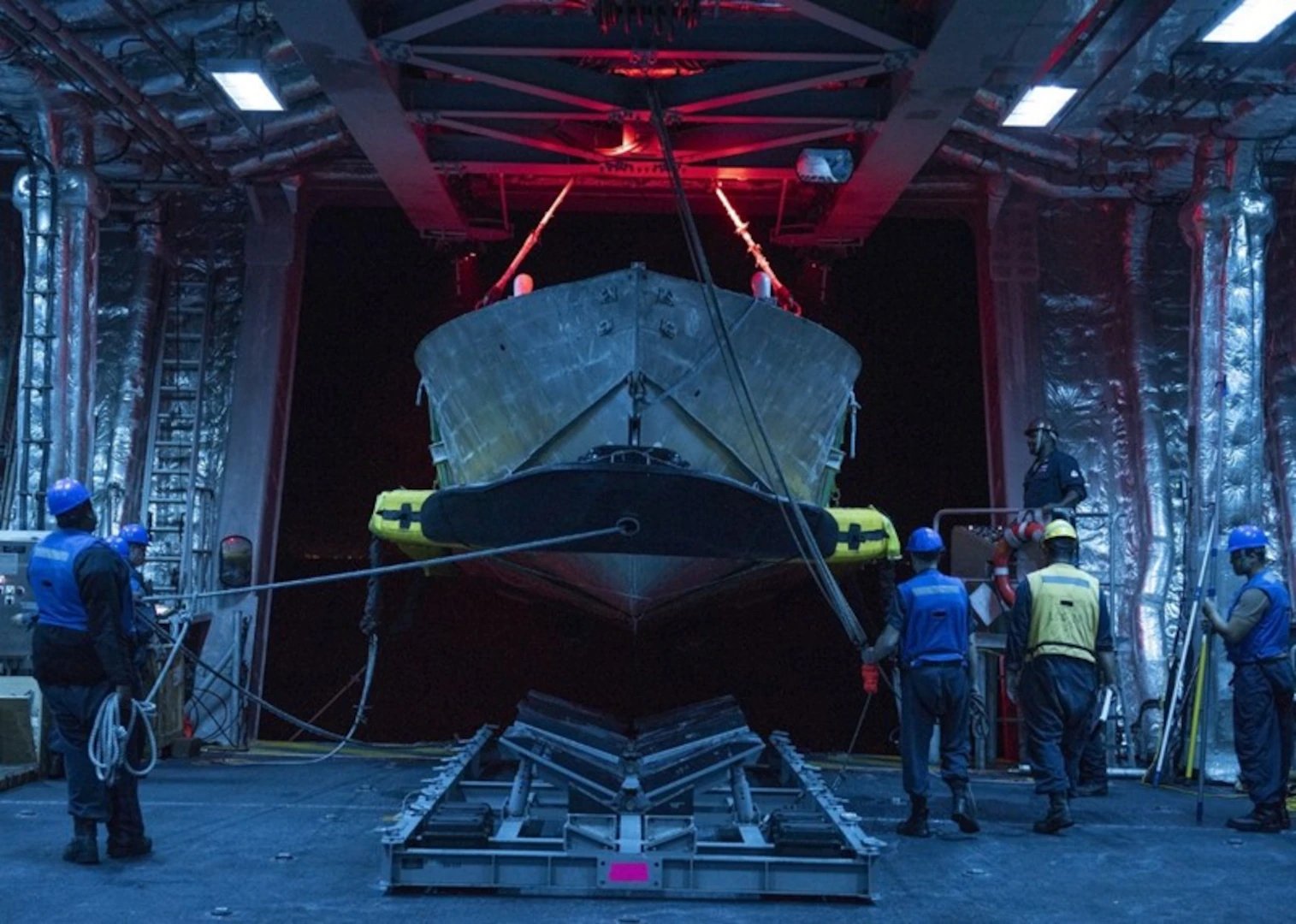
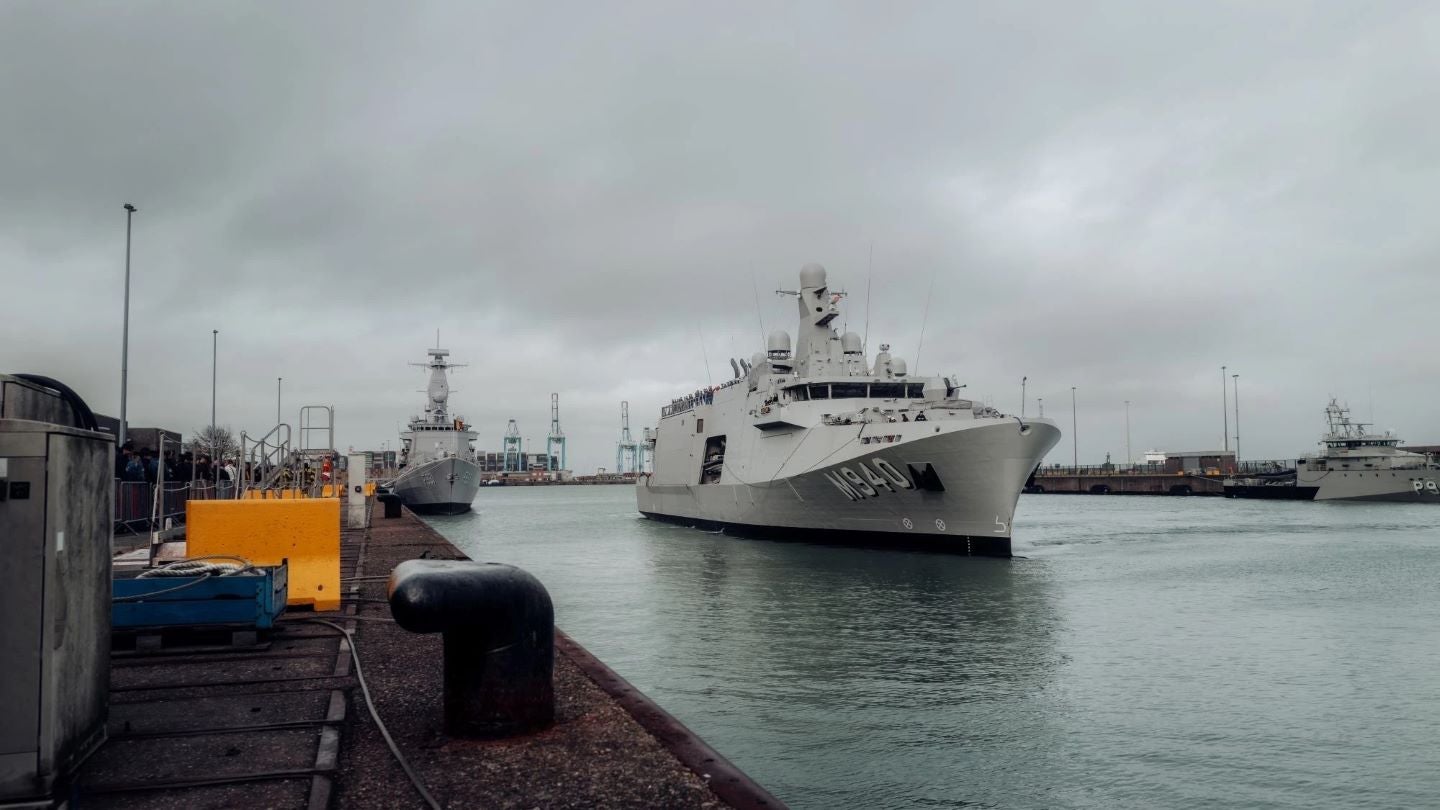
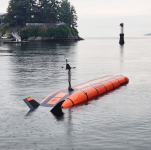
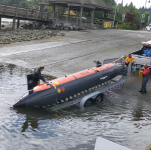
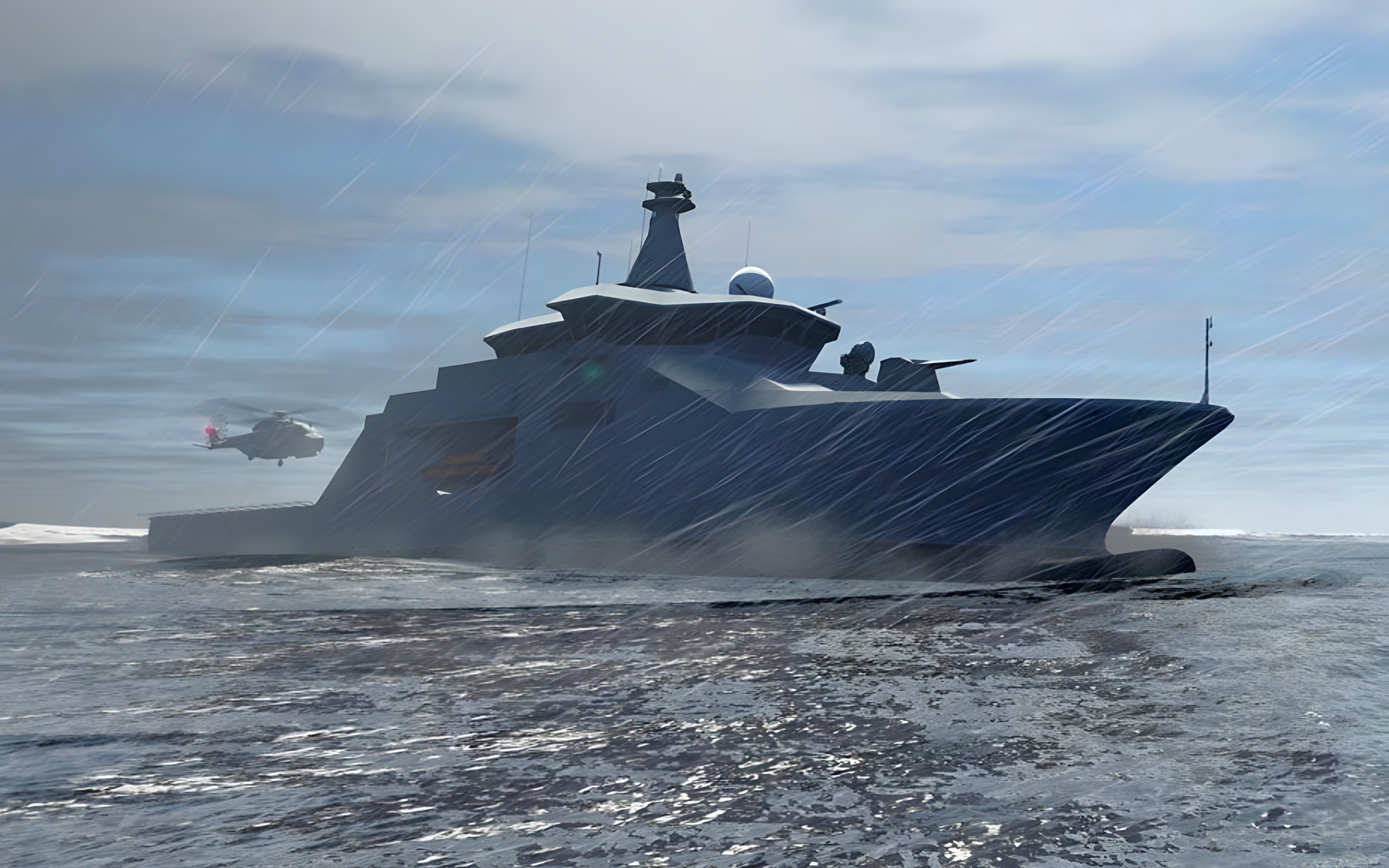
Yes a HDW can do what the KIN Class does for MCM. Eventually a HDW will be used as a flagship for Op Reassurance supporting the remaining KIN Class and I suppose eventually alone. Been looking at what that will look like engineering wise as part of my day job. As said lots of space. A couple of things though, one KIN Class can embark the dive POD, decompression chamber and the REMUS, its been done to give each Kingston Class the same capability. The second point is that HDW doesn't have degaussing, a minor point I suppose these days and how their utilized but a legitimate one. The final thing is do we want to send a 6600 tonne billion dollar ship with a gigantic magnetic signature to do a job where the whole point of MCM is to use small, cheap, disposable ships? I would say the same thing for any other vessel as well at least for now.
As one of the few around here that's been on MCM missions as part of the NATO group yes what your saying is probably correct and very well may go that way. For the time being and in the immediate future no.
HDW can carry more mine removal gear and pers than the MCDV's could. They have already trialed the ship with the decompression chamber, Dive gear and UAV gear all loaded on a single ship (normally that was two or three MCDV's together). The only disadvantage is that its a long way to the water from the ship for the divers. But if they use the ships boats its much easier.
But I get your point. I do have some concerns about mine warfare, but from how I've seen the Clearance divers work they don't need very fancy ships to do their jobs
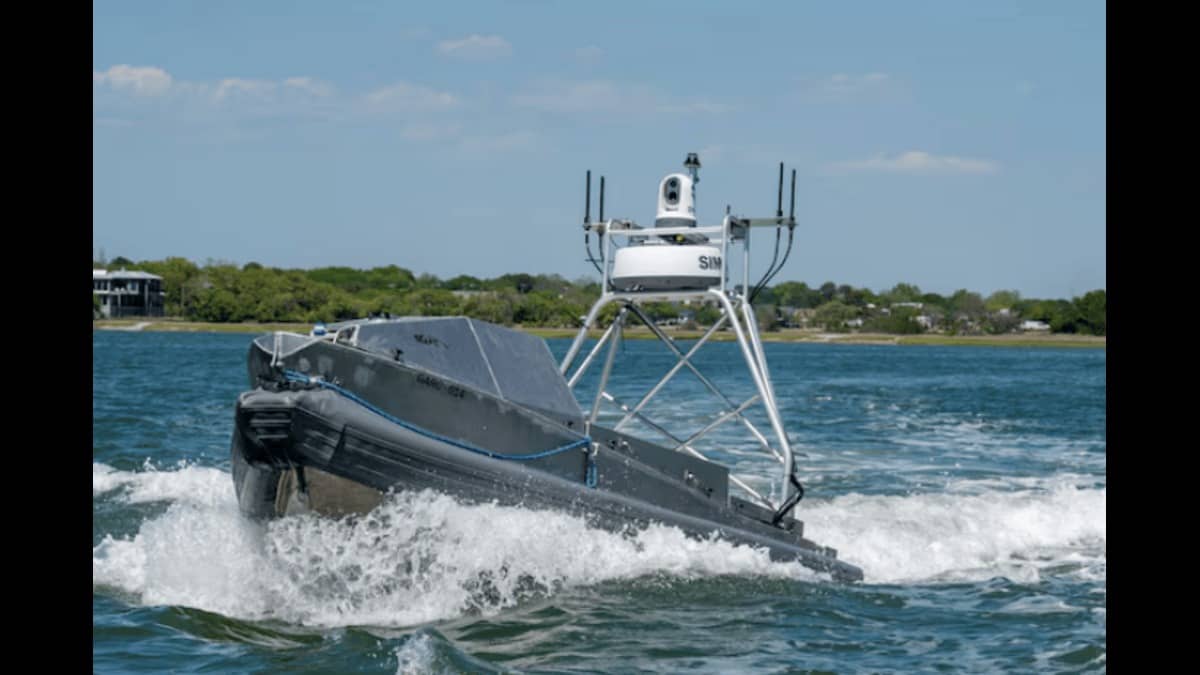
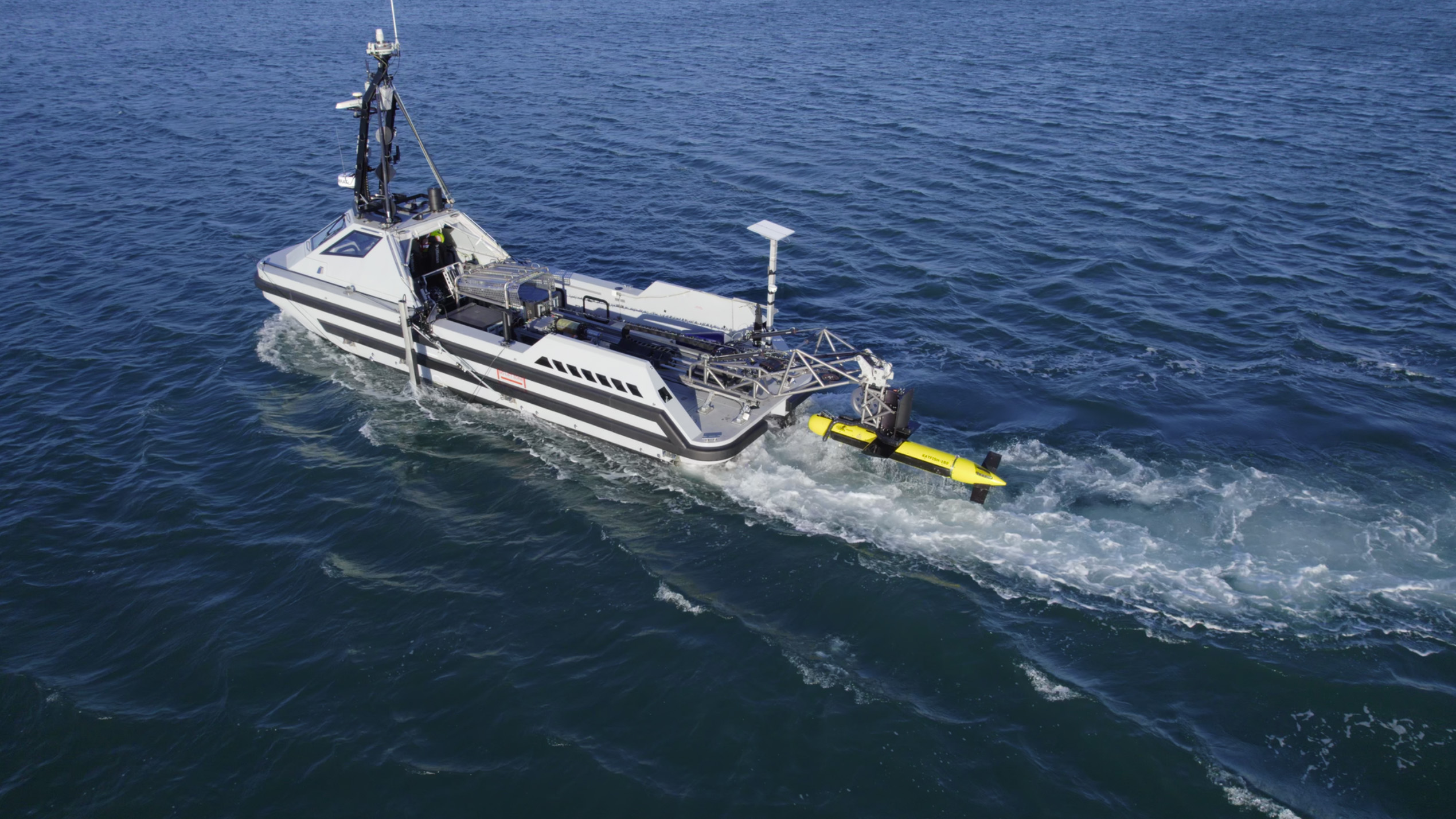
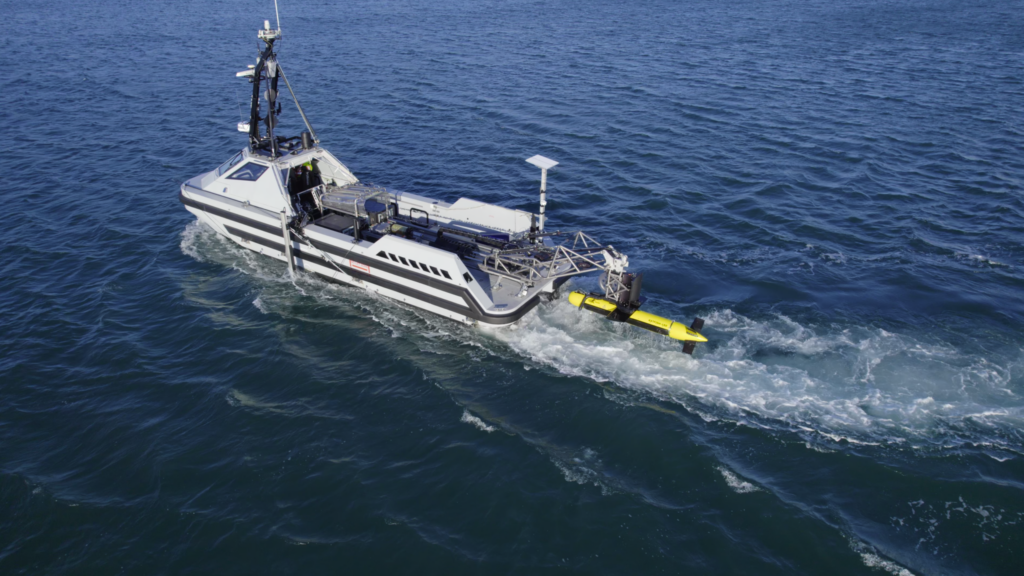
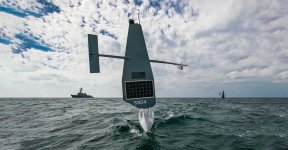
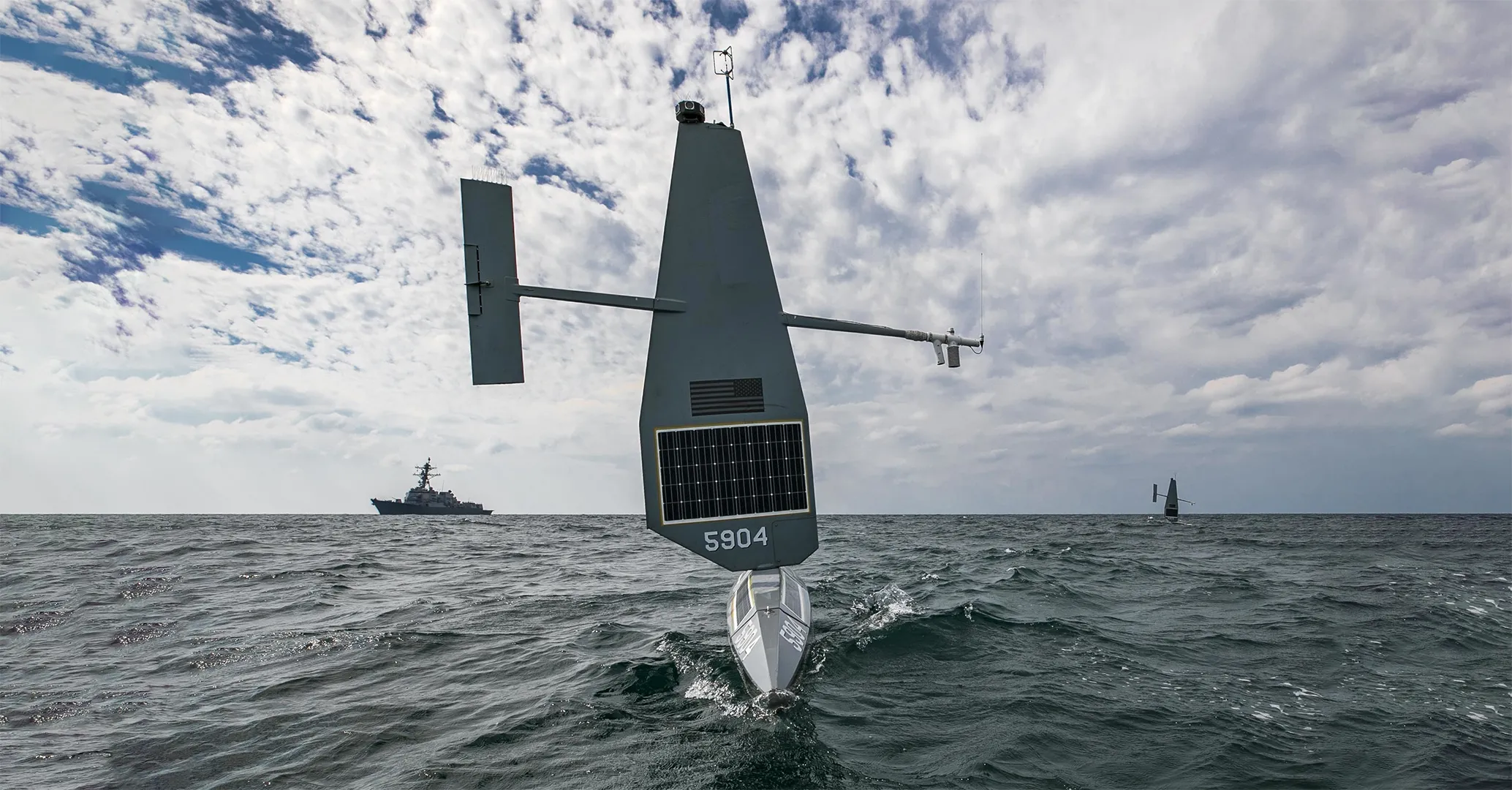
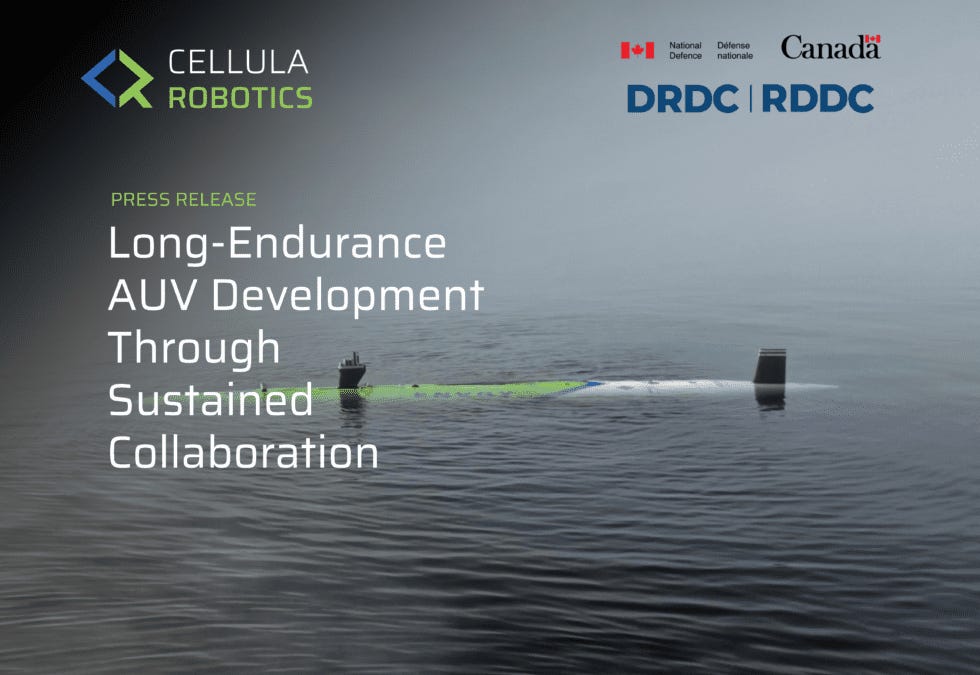
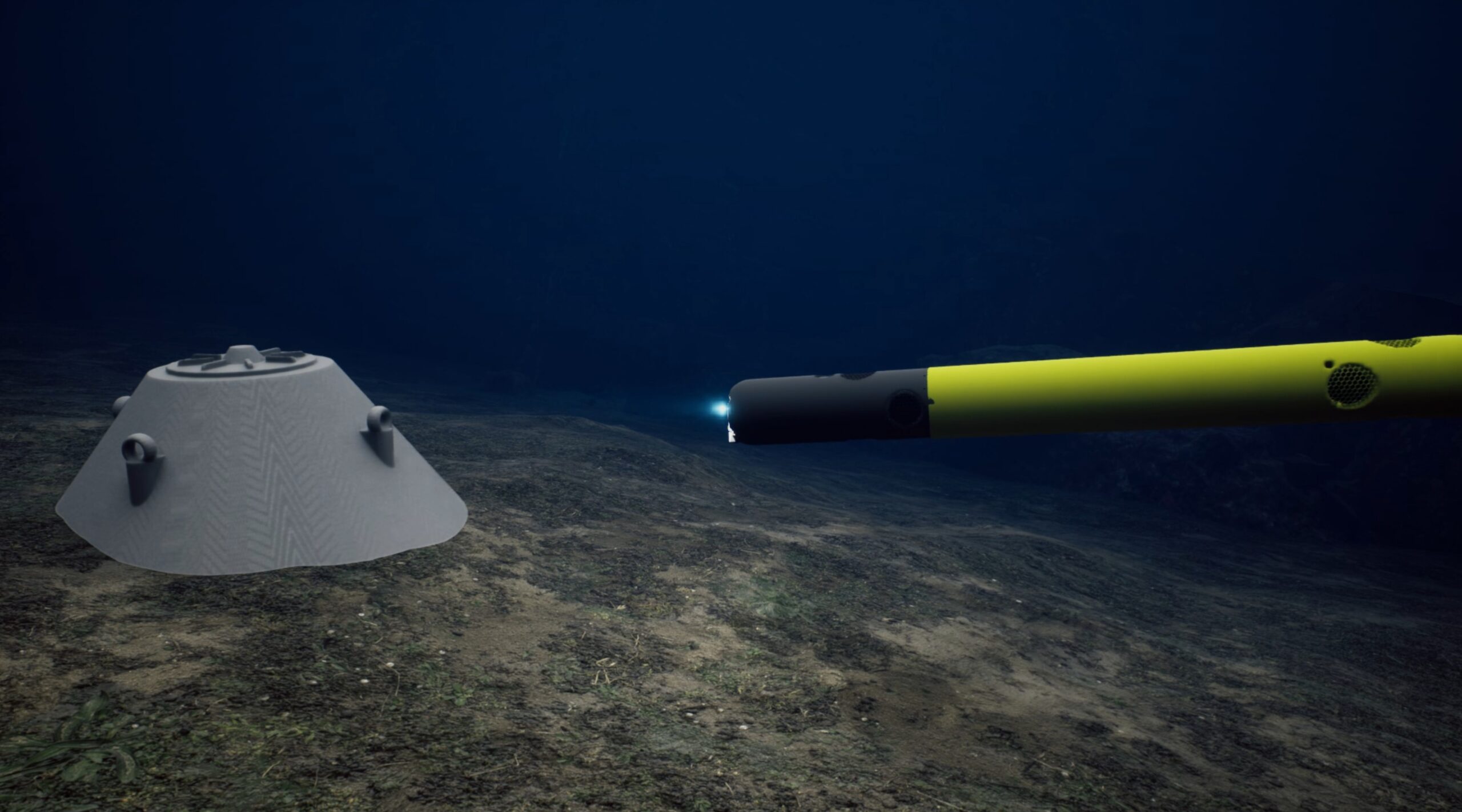
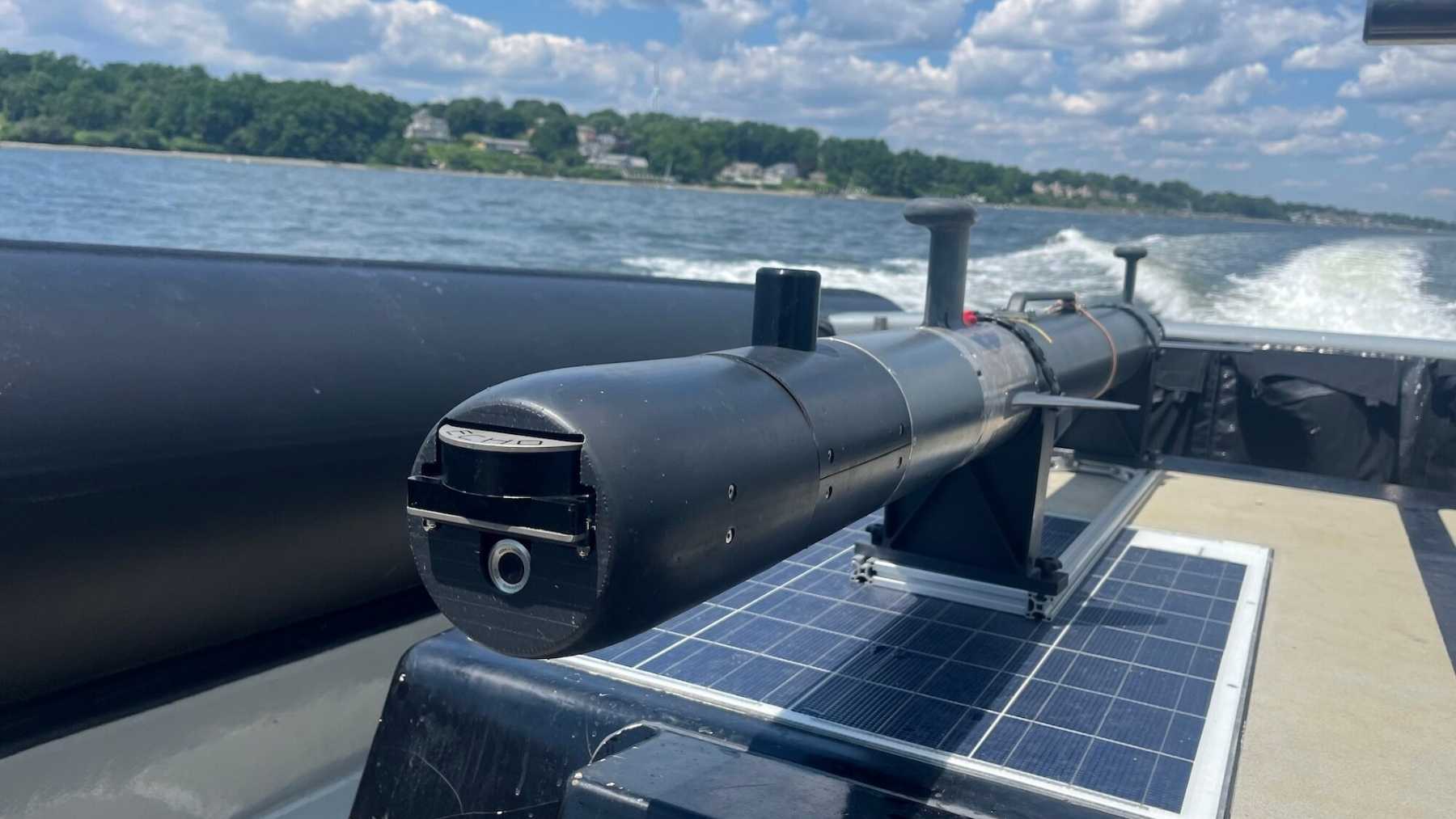
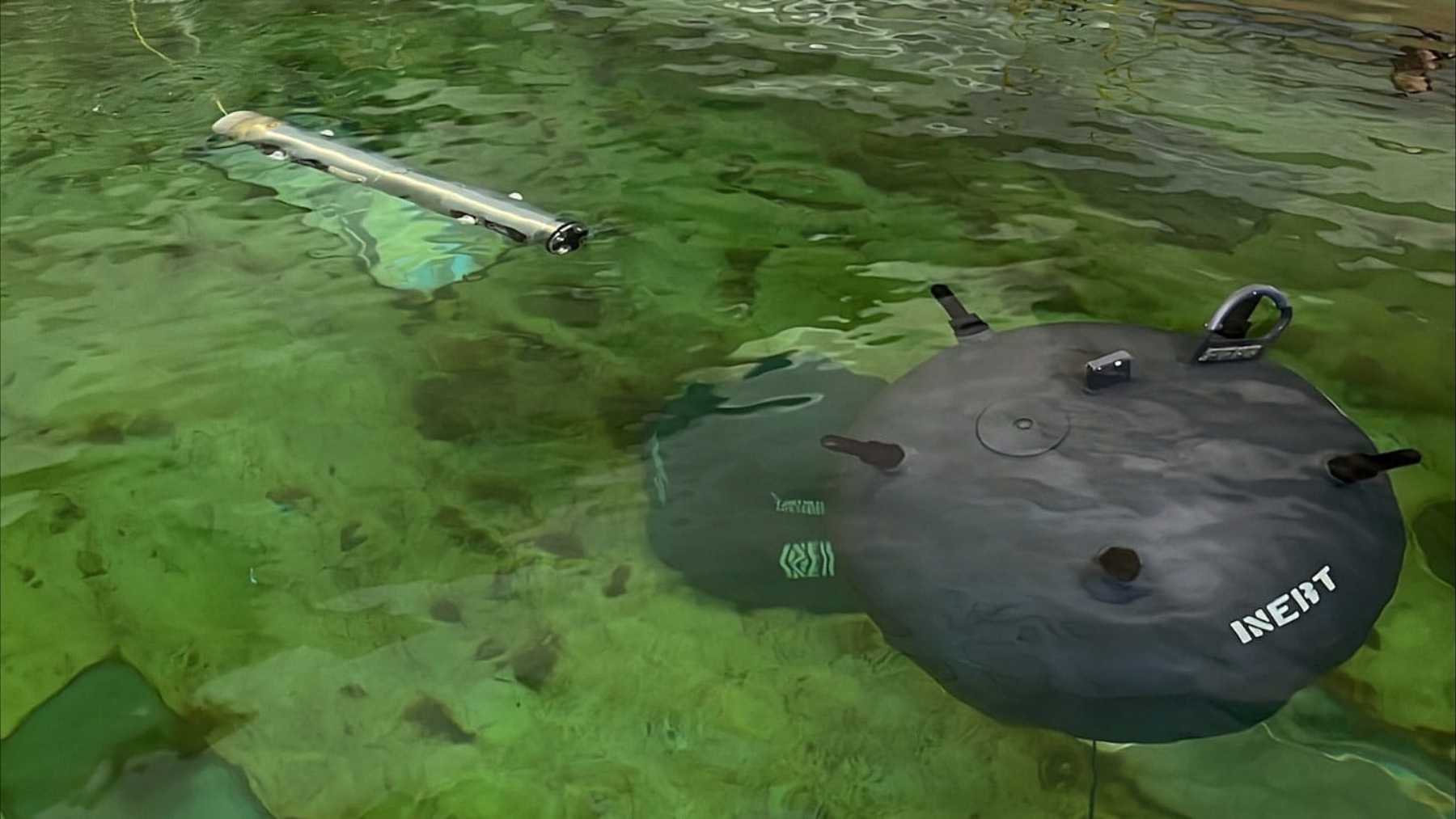
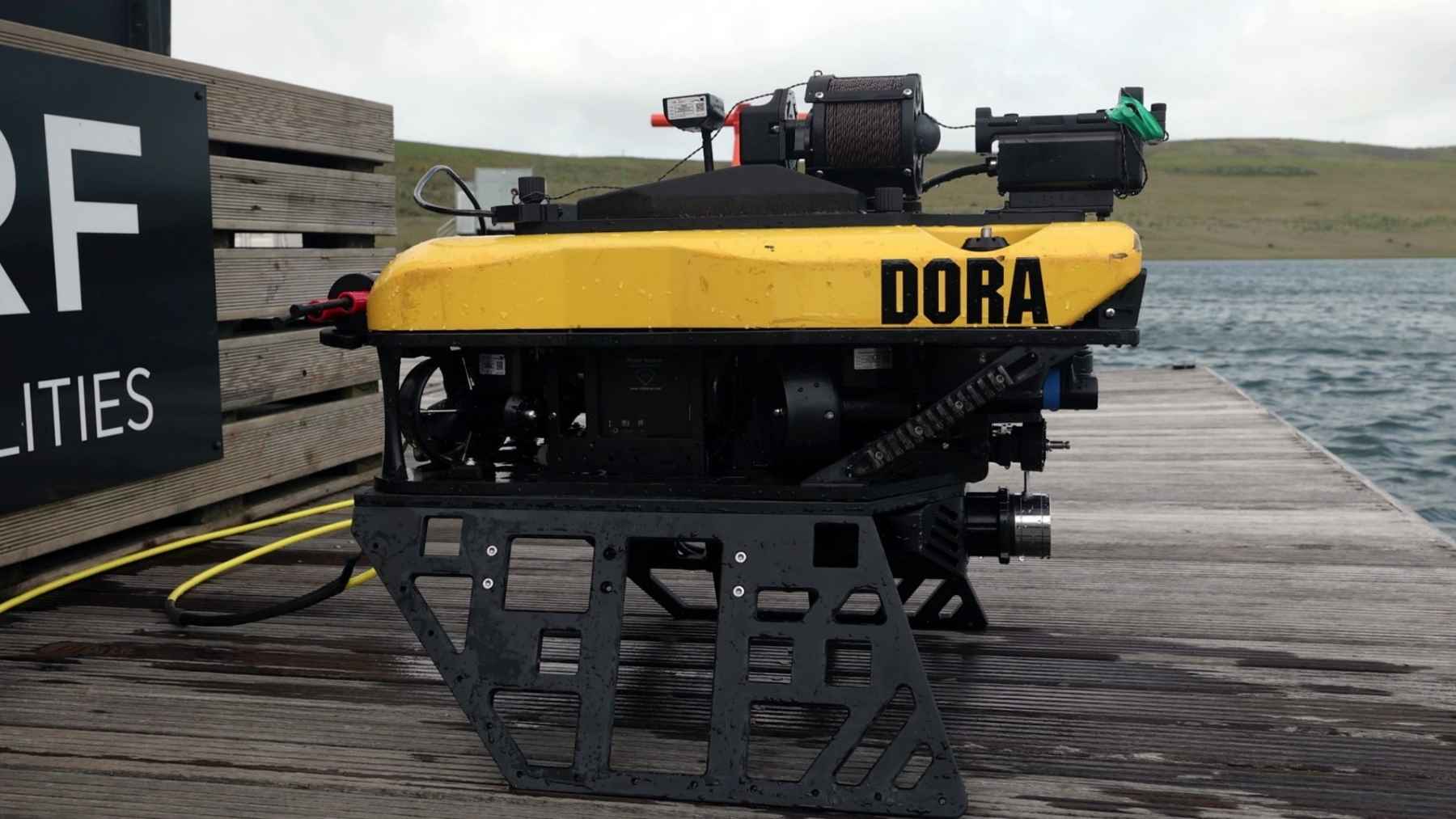
I'm not sure "small, cheap and disposable ships" are as relevant in the evolving world of mine countermeasures. Many of the old, smaller fibreglass/metal hulled physical minesweepers are still around however, navies have already moved away or are in the process of moving towards an unmanned, standoff strategy from increasingly larger vessels.
You are correct that an AOPS would not be used in a real MCM scenario and frankly, I hope it never is, because it shouldn’t be but that's part of our answer for the lost of capability of the Kingston with not direct backup. That observation, however, actually reinforces the case for a dedicated and credible MCM capability rather than weakening it.
In your rant you make a lot of assumptions here. Before a single MCM vessel sails on Op REASSURANCE, we already exercise scenarios where Canadian ports are mined, Halifax, Esquimalt, approaches, choke points, anchorages. We do this because the threat is credible, cheap for an adversary, and disproportionately disruptive. Sea mines remain one of the most cost effective naval weapons ever devised, and no serious navy assumes “there won’t be many” or that CLDs alone solve the problem particularly against influence mines, buried mines, or deliberately complex denial fields. The risk will even escalate in the future with the introduction of AI in the new generation of smart mines.
MCM is not about having lightly armed ships into missile envelopes. It is about access, assurance, tempo, and freedom of manoeuvre, clearing approaches, opening Q routes, and enabling follow on forces and logistics. That capability is also perishable. The planning, classification, disposal skills, and command and control expertise cannot be surged once a crisis starts. This is exactly why NATO maintains standing MCM groups and why sailors in those formations remain deeply committed to the mission they understand that if you let the skill weaken, you don’t suddenly regenerate it when ports suddenly need to be opened.
Reducing MCM to “just diplomacy” also misses the point. Yes, deployments reassure allies and it helps meet our NATO commitments, but they also ensure Canada can operate in mined environments alongside NATO, rather than relying on others to clear the very harbours and sea lanes we intend to use. Telling a partner nation “it’s your responsibility to clear the harbour” while we sit offshore launching long range weapons assumes a lot. It assumes permissive access, unlimited standoff options, and zero political constraints none of which are guaranteed.
Finally, framing MCM as something that competes with “core warfighting capability” is not really valid. Access is warfighting. Sustainment is warfighting. Modular MCM solutions on future platforms make sense but only if they are built on an existing, practiced MCM culture and that comes with a dedicated MCM capability. Without that foundation, you are not fielding a capability; you are bolting equipment onto a hull and hoping the skill appears when needed and hope for the best.
I think its safe to say that we all hope we never have to do serious MCM at home or abroad. But hope is not a plan and mines remain cheap, effective, and likely. Ignoring that reality is how navies relearn old lessons the hard way.