- Reaction score
- 7,060
- Points
- 1,160
The Ukraine updates with Michael Kofman on the War on the Rocks podcast are really excellent and give some great insights and details on the war.

A couple of things they touched on in this episode:
Density of the front:
Compared to the approx. 1,000 soldiers per km of front in Ukraine during WWII, in many sections of the front the Ukrainians have only around 15 front line infantry troops per km (more in denser urban areas). He has even seen areas with 9 x infantry per km of front in three positions around 250m apart from each other. These handful of front line troops are supported mainly by drone units, other fire support units and logistics units.
Advances on the front aren't typically happening as a result of the infantry winning the close fight, they are happening when one side wins the counter-drone battle and this allows the winning side to advance into the "grey zone" because the enemy has lost their fire support.
Volume of FPV Drones being used:
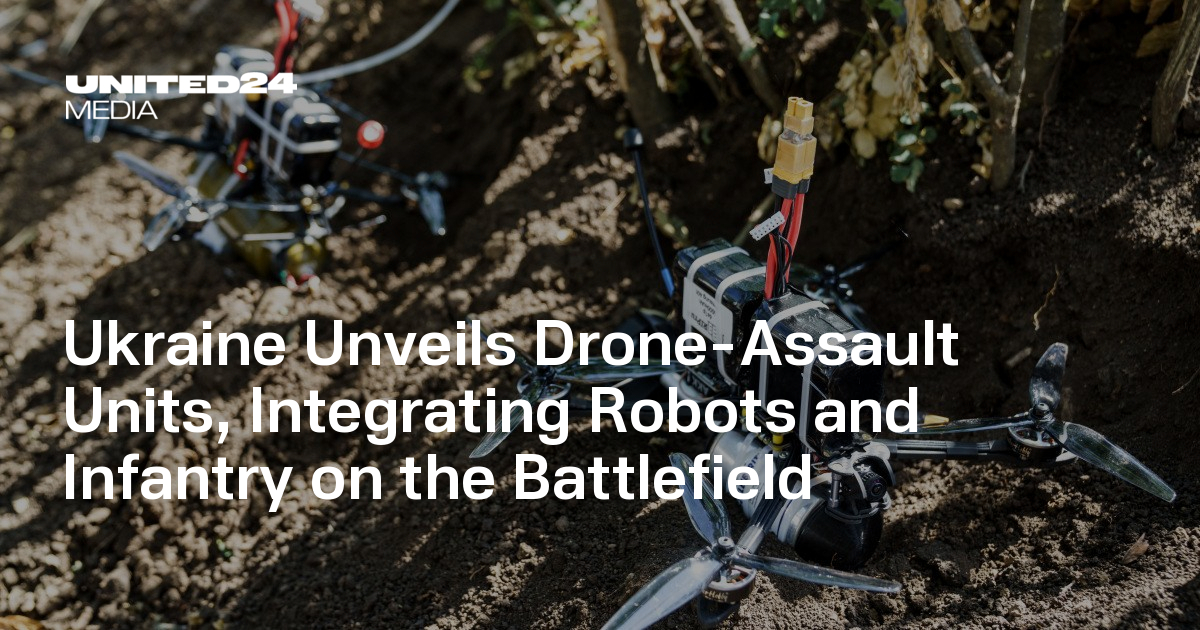
He estimates that the Ukrainians are using in the range of 6,000-8,000 FPV drones along the front on a daily basis. He also noted that the success rate of these drones is a lot less than the videos of the war would suggest. It could take multiple drones to take out a single solder. AFV's are on average taking 15+ drones to be disabled and MBT's are in the 30+ range.
The "Donut Hole"
On earlier podcasts he had noted the issue that Ukraine had with their drones falling into two general range bands. They had plentiful and effective short range drones (the ones creating that 30km grey zone behind the front) and effective long range drones for taking out static targets in the up to 800-1.000lm range. This created what he called a "Donut Hole" where the Russians were still able to operate.
Apparently Ukraine is resolving this problem and has many more drones that are operating in that gap. This is important because the Russians typically disperse as they approach the front so you need many more drones to take out individual targets. Further back is where the Russians still concentrate and maintain their logistics, etc. Taking out targets when they are still concentrated - or taking out their logistics and supporting units - is much more effective than trying to deal with them at the front.
Air Defence
One of the biggest issues facing Ukraine is the massed Russian deep strikes taking place on a nightly basis. The Russians are getting very good at saturation attacks and simultaneous attacks by different types of munitions from different directions against a target.
The volume of the attacks is pretty massive. The Russians are launching large numbers of Geran (improved Shahed) type drones...600-800 per attack (with up to 50+ drones per target) mixed together with cruise and ballistic missiles. With that rate even if you get the vast majority of the incoming missiles you still have a significant number that leak through.
He also noted that while the Ukrainians have very good AD systems (including control and coordination systems) from guns, inexpensive domestically produced interceptors, C-UAV drones, helicopters and aircraft performing zone defence, etc. these systems are quite effective at taking down drones and cruise missiles, but the only effective counter to the ballistic missiles are the Patriot PAC3's which are in limited (and decreasing) supply. The Russians are increasing their ballistic missile production and only high-end defences are able to take them out.
Update from the Battlefield: Drones, Distance, and Diminishing Returns for Russia
Michael Kofman joins Ryan to unpack the current state of the Russo-Ukrainian War after his recent trip to the front. They examine how drone warfare has
warontherocks.com
A couple of things they touched on in this episode:
Density of the front:
Compared to the approx. 1,000 soldiers per km of front in Ukraine during WWII, in many sections of the front the Ukrainians have only around 15 front line infantry troops per km (more in denser urban areas). He has even seen areas with 9 x infantry per km of front in three positions around 250m apart from each other. These handful of front line troops are supported mainly by drone units, other fire support units and logistics units.
Advances on the front aren't typically happening as a result of the infantry winning the close fight, they are happening when one side wins the counter-drone battle and this allows the winning side to advance into the "grey zone" because the enemy has lost their fire support.
Volume of FPV Drones being used:
He estimates that the Ukrainians are using in the range of 6,000-8,000 FPV drones along the front on a daily basis. He also noted that the success rate of these drones is a lot less than the videos of the war would suggest. It could take multiple drones to take out a single solder. AFV's are on average taking 15+ drones to be disabled and MBT's are in the 30+ range.
The "Donut Hole"
On earlier podcasts he had noted the issue that Ukraine had with their drones falling into two general range bands. They had plentiful and effective short range drones (the ones creating that 30km grey zone behind the front) and effective long range drones for taking out static targets in the up to 800-1.000lm range. This created what he called a "Donut Hole" where the Russians were still able to operate.
Apparently Ukraine is resolving this problem and has many more drones that are operating in that gap. This is important because the Russians typically disperse as they approach the front so you need many more drones to take out individual targets. Further back is where the Russians still concentrate and maintain their logistics, etc. Taking out targets when they are still concentrated - or taking out their logistics and supporting units - is much more effective than trying to deal with them at the front.
Air Defence
One of the biggest issues facing Ukraine is the massed Russian deep strikes taking place on a nightly basis. The Russians are getting very good at saturation attacks and simultaneous attacks by different types of munitions from different directions against a target.
The volume of the attacks is pretty massive. The Russians are launching large numbers of Geran (improved Shahed) type drones...600-800 per attack (with up to 50+ drones per target) mixed together with cruise and ballistic missiles. With that rate even if you get the vast majority of the incoming missiles you still have a significant number that leak through.
He also noted that while the Ukrainians have very good AD systems (including control and coordination systems) from guns, inexpensive domestically produced interceptors, C-UAV drones, helicopters and aircraft performing zone defence, etc. these systems are quite effective at taking down drones and cruise missiles, but the only effective counter to the ballistic missiles are the Patriot PAC3's which are in limited (and decreasing) supply. The Russians are increasing their ballistic missile production and only high-end defences are able to take them out.