Regarding Belarus.
When the full-scale war began, we were hit by missiles that killed children and adults. And Alexander Lukashenko knows this. A large number of missiles were launched from Belarus. Back then, he called, apologized, and said it was out of his control. I don’t believe that, but that’s what he’s already said. Now, Russia will keep pushing him further into this war. Now, he understands that Ukraine will respond.
There’s no need for extra words. There are retransmitters on his communication towers. On his territory, along the two regions bordering Ukraine, there is equipment that adjusts fire on our people. He should remove that equipment. I think a week is enough for him to do that. Because right now, every day, our civilians are being killed, and children are being wounded as a result of this. If he doesn’t do it, we will.
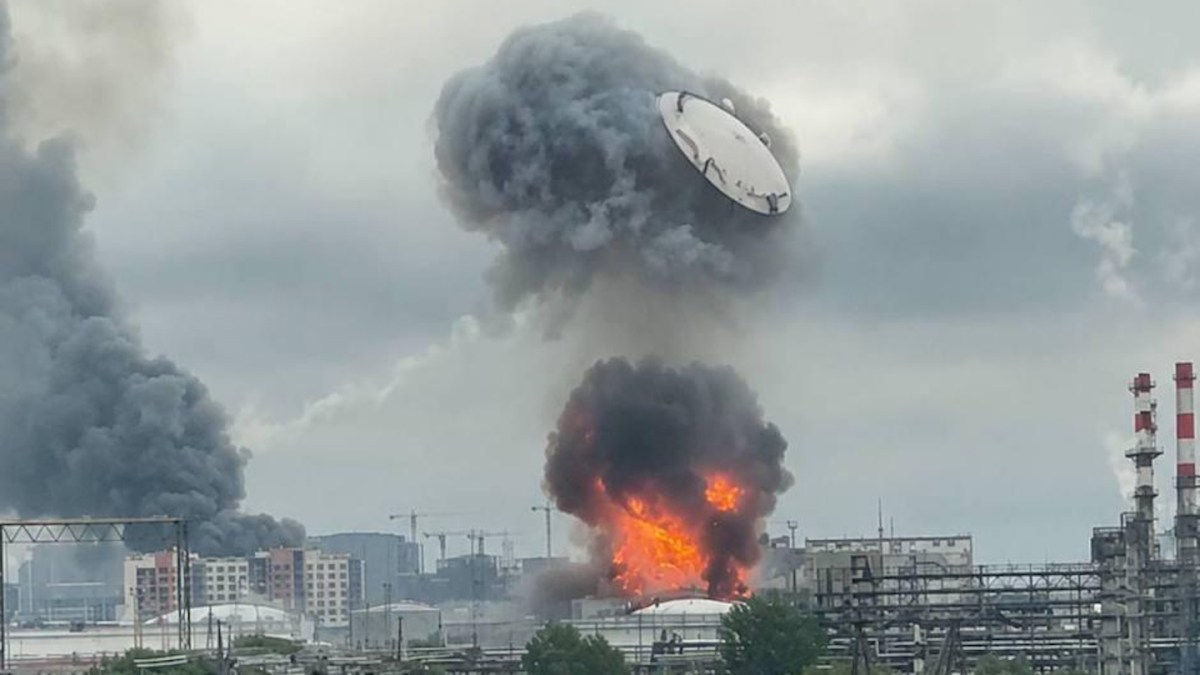
The same goes for his oil-refining sector, for example. We are doing everything so that the Russians don’t have the ability to sell oil and supply diesel and fuel to their army. Today, Belarus is one of the key suppliers for the Russian army. Can this be stopped? I’m sure it’s within his power. And he is the one who controls it.
As for the drone strike on a bus with Belarusian children, everyone has already acknowledged it – international experts and, it seems, even the Russians are admitting it wasn’t our strike. The Russians will resort to all sorts of provocations to drag the Belarusian people into this war. This is one of them.