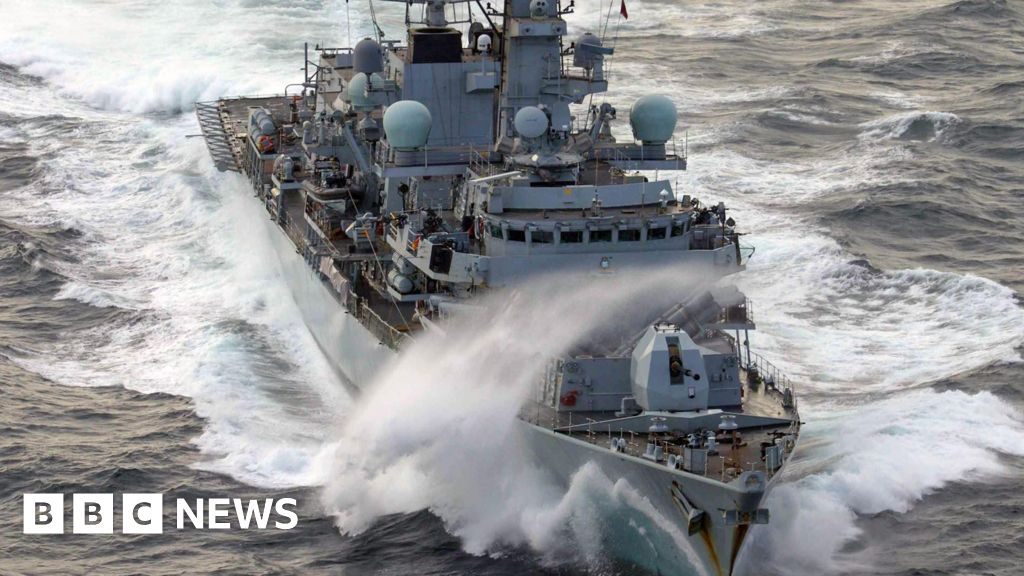
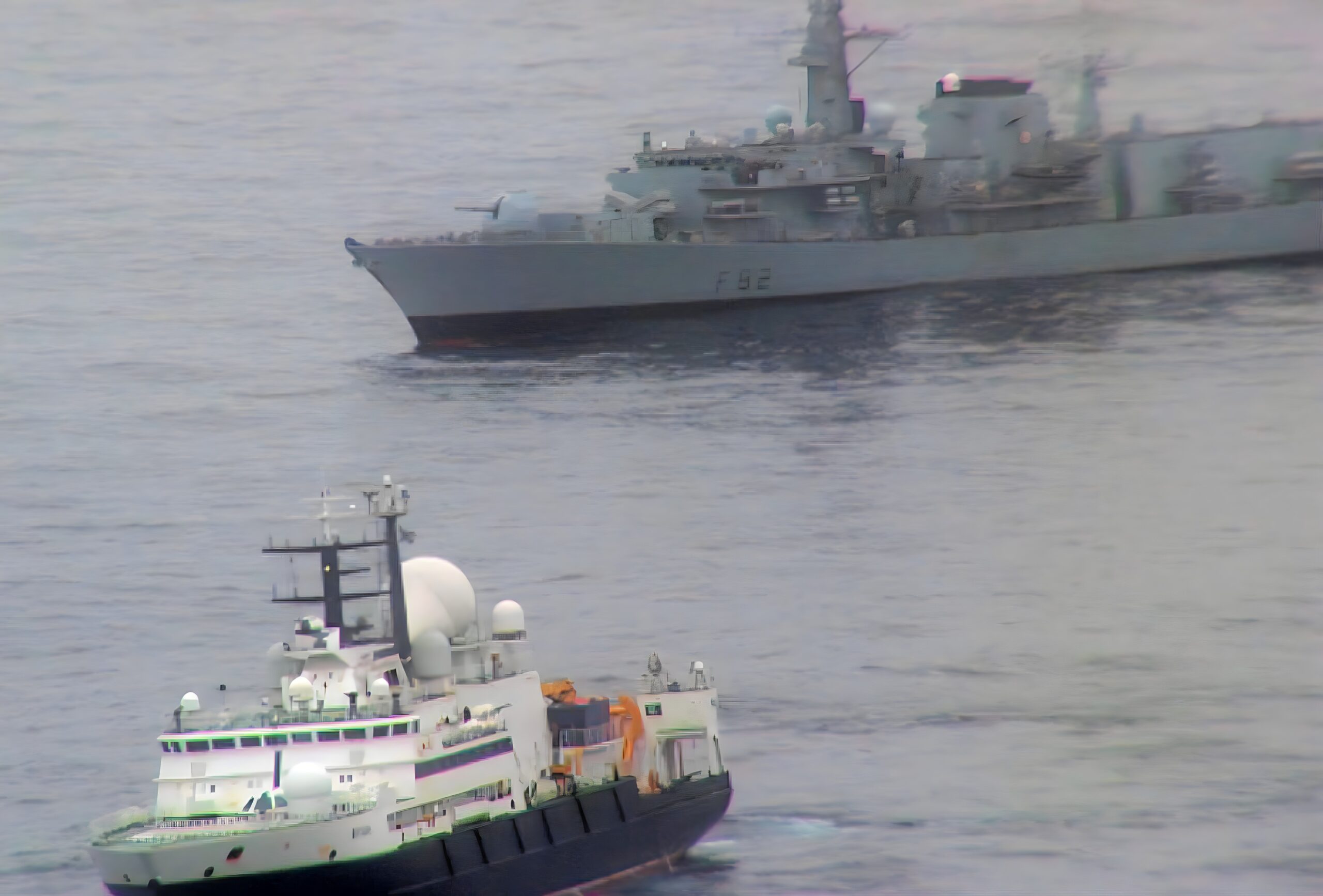
"the MoD was *”committed to a collaborative approach between government and private sector to work together on national resilience”, adding that the Defence Secretary had engaged with industry as part of “a broader effort to protect critical national infrastructure from a range of threats, including Russian sub-threshold interference.”"
The Ministry of Defence has been engaging with the private sector to discuss the threat posed to undersea infrastructure by Russian sub-threshold interference.

ukdefencejournal.org.uk
....
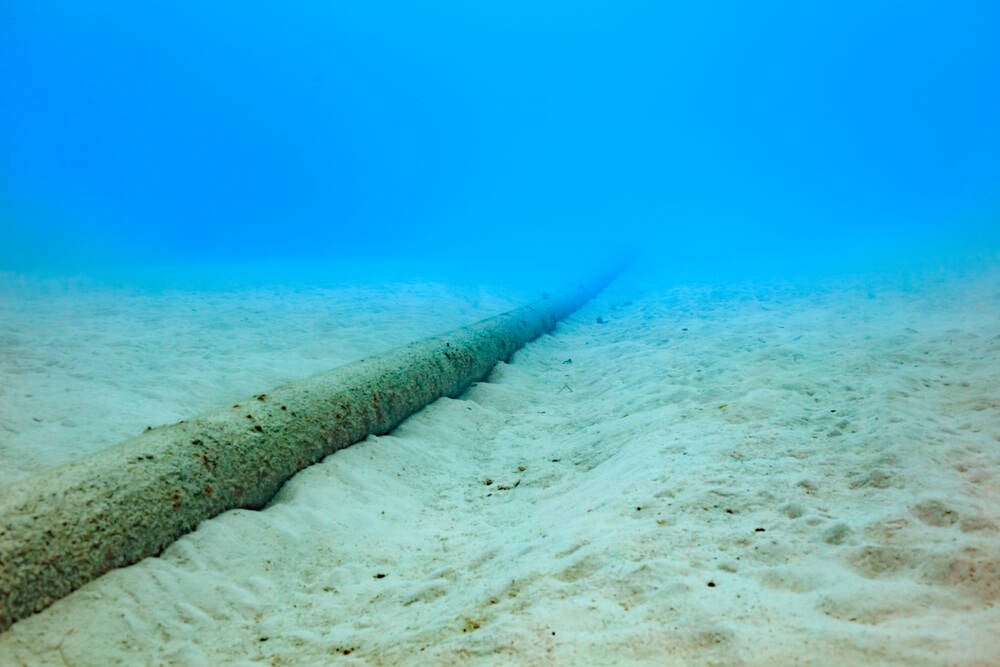
There are 17 fibreoptics communications cables strung across the North Atlantic connecting North America with Europe 7000 km away.
Each one of those relies on electrically powered repeater stations every 80 to 100 km apart to boost the light signal as it travels down the pipe.
That power comes from the shore.
Those cables are being turned into private venture SOSUS systems through a technology known as Distributed Acoustic Sensing. This is being developed to help the communications keep track on the situation around their cables to prevent and respond to breaks in the system. It has the added benefit of tracking submarines and ships, including those that don't want to be tracked. They can also detect divers in proximity to the cables.
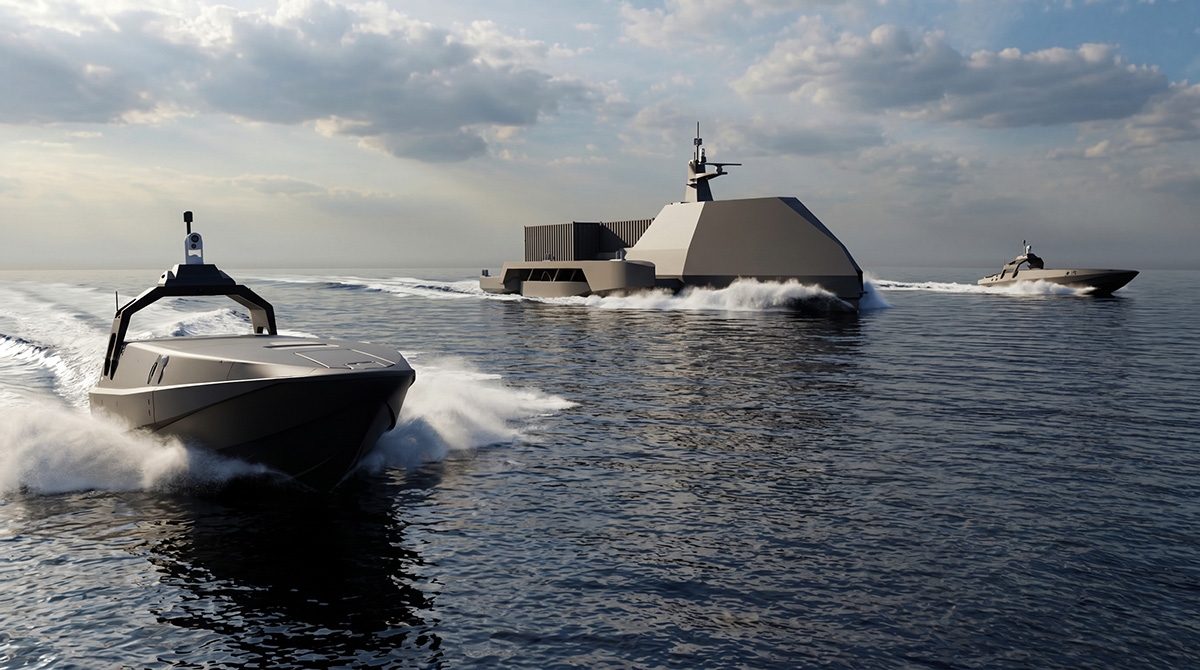
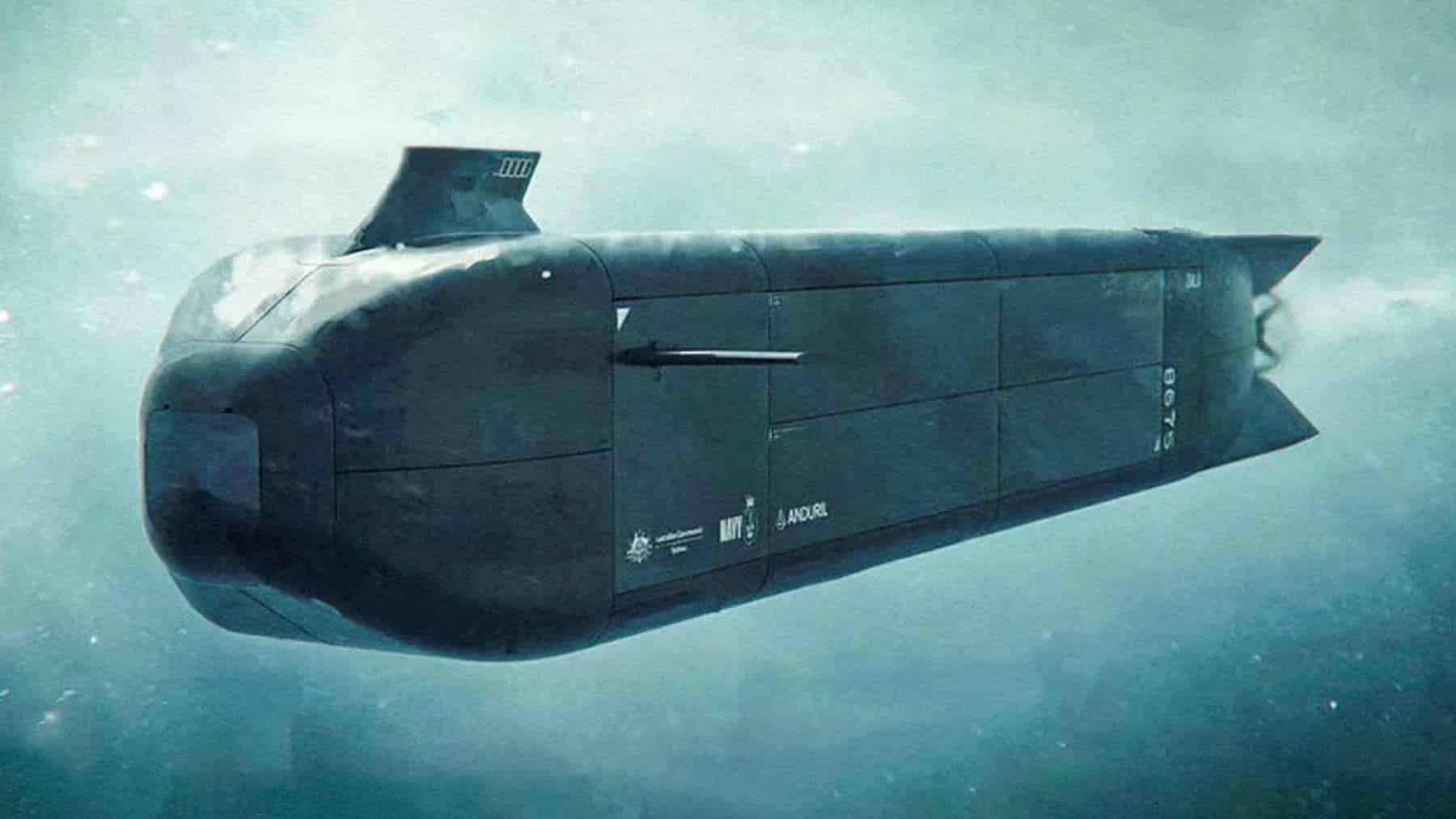
These cables are patrolled by autonomous deepwater UUVs that inspect and, some of them, repair the cables in place. Each one of those UUVs has eyes and ears that permit them to aquired data in detail.
Increasingly those UUVs are being recharged at the repeater stations on the cables they are patrolling. Their batteries can be recharged by magnetic induction so they don't have to make a powered connection. They just park on a pad and get recharged.
With 7000 km of cable and a repeater every 100 km there are 70 repeaters per cable. And there are 17 cables. 1190 charging stations at depths down to 6000 m. Submarines conventionally operate above 600 m.
Those repeater/charging stations also function for data transfer, transferring very large amounts of data, in a very short time, accurately. This enables real time command and control of the patrolling UUVs.
The repeaters can also act as ultra-short baseline transponders facilitating UUV navigation in the same manner that GPS serves UAVs, USVs and UGVs.
The repeaters have become patrol bases.
Effectively this band of communications cables has become a 7000 km long sensor array and patrol barrier containing activity north of them.
....
This seabed array, connected to shore based systems, is being augmented by remote charging stations, Subsea Docking Stations, or SDSs. Fuel cells are being used to power XLUUVs for periods beyond 45 days. The same XLUUV powered by batteries has an endurance of a 7 to 14 days. A fuel cell, dropped off on the ocean floor and fitted for magnetic induction, can re-energize the batteries on an electric UUV extending the patrol life of the UUV, and its range. The SDS's can be dropped off and recovered for refuelling, or conceivably, refuelled in place by other XLUUVs.
....
Above this seabed environment, in the water column above the cables, there is another class of UUVs swimming silently. Sea Gliders. They also carry eyes and ears and transponders. They observe and report. And they do it for up to a year at a time using gravity for movement. They have wings. Gravity draws them down through the water column, towards the cables. As they sink their wings allow them to navigate to follow prescribed courses. When they get to the bottom of their range they blow tanks with compressed air, like a submarine, increase their buoyancy and start rising through the water to the surface. The wings again permit them to navigate. They can travel both sinking and rising. Indefinitely. Or at least until they run out of compressed air or batteries for their sensors and systems.
The sea gliders detect submarines and ships as well as whales and fish using passive acoustic systems and travelling silently.
...
Above the realm of the Sea Glider there is the barrier - the divide between water and air - the sea surface. That sea surface is a major barrier to communication. It is also a noisy, random place where air and water meet inharmoniously. It is where ships sail. Above it planes fly.
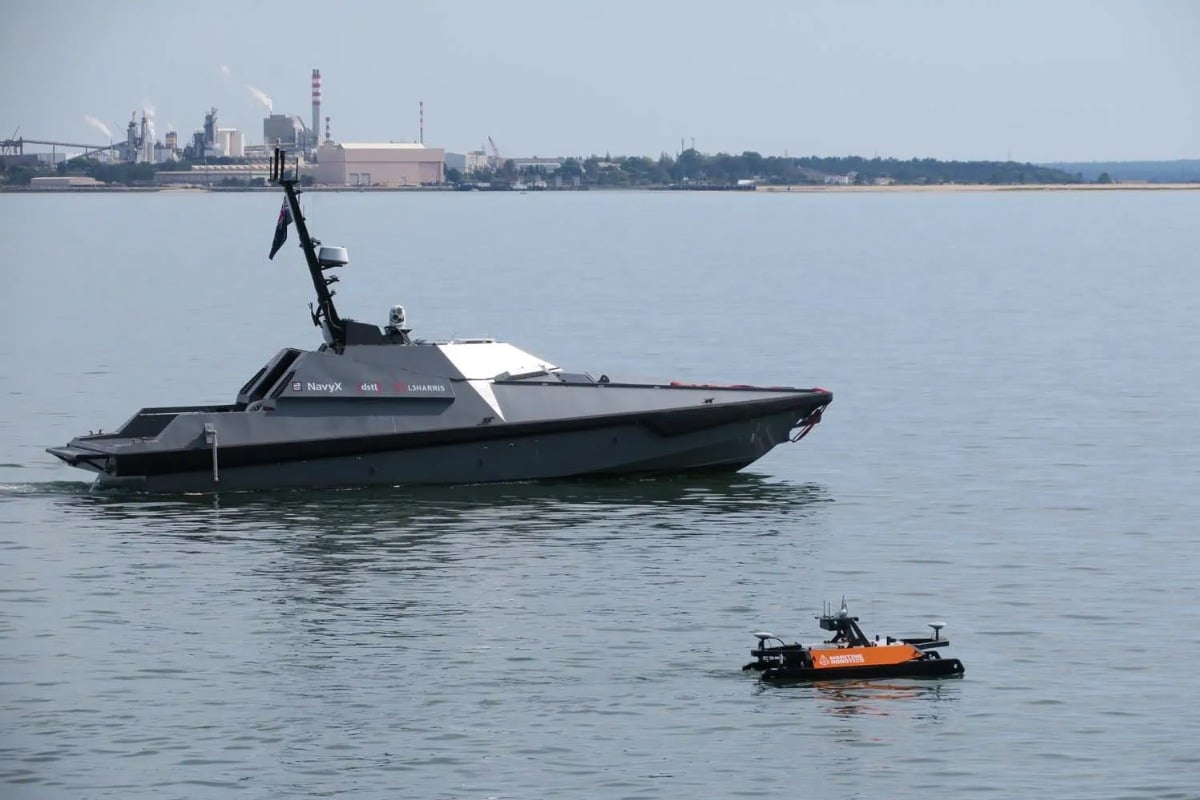
The solution to the barrier is the Wave Glider. The Wave Glider is a surfboard attached to a torpedo by a tether. The surfboard floats on top of the waves. The torpedo swims under the waves. The surfboard rises and falls with the waves. The torpedo tries to stay under the waves. The tension between the surfboard and the torpedo resulting because they are attached by the tether generates energy that can be stored in batteries and used to power a motor and sensors. Like the Sea Glider the Wave Glider can bounce around on the briny for a year at a time.
They too have eyes and ears and transponders. Actually two transponders, one on the torpedo for the water environment and one on the surfboard for the air environment. They act as communications relay nodes across the two domains. This collection of attributes has resulted in people starting to refer to them as sea satellites.
.....
Above the Wave Gliders we have the domain of the UAVs and above that we have the Starlink cloud of thousands of little comms satellites and beyond them are the more traditional comms and navigation satellites.
....
Cables, repeater station patrol bases, UUVs and remote refuelling SDSs.
Sea Gliders rising and sinking through the water column
Wave Gliders connecting water with air
UAVs flying above the water
Satellites circling above all supporting navigation, communication and observation.
...
Add in the ability of rockets to deliver from shore payloads that observe and report or destroy within minutes and how much room is there for submarines to manoeuvre?
How many sailors need to spend their life at sea patrolling? What magazine depth do they need, and how big a taskforce do they need if they can get reliable, all-weather support from shore in their patrol area?
....
The article shows a map of cables connecting continents and the concern is over them being cut.
US and UK military personnel, a think tank and a former GCHQ director have warned that the world's intricate web of undersea internet cables is at risk.

www.businessinsider.com
Squint and the map becomes one of barriers dividing seas the concern is over how to breach them.
...
My favourite little country. Denmark.
There is a ditch and a bank that is about 30 km long. It has been there for the best part of 2000 years. It is known as Danneverk. The Danish Works.
Nobody knows if the bank is spoil from the ditch or the ditch is spoil from the bank. It isn't known if the ditch was designed to connect the Baltic at Hedeby in Anglian territory to the North Sea in Frisian territory to enhance secure trade and communications, or if the ditch and bank were designed to separate the Jutes in the North of Jutland from the Saxons, Franks and other Germans in the South in Germany.
In the last two millenia it has been used as both barrier and communication. And it has been fought over.
Today the Danish Works are in Germany. It has been since 1864. The Germans have built their own version just to the south. The Kiel Canal.
...
Barrier or communication.
Either way, today's Atlantic does not look the same as it did in 1943.
...
And PS - there is a cable connecting Canada with Greenland across the Labrador Sea and more cables looping across the GIUK gap. And another cable connecting Nordkapp to Svalbard. More lines of communication. More barriers.
....
With that in mind what are the patrol requirements? What are the support requirements?




 www.navylookout.com