• Thanks for stopping by. Logging in to a registered account will remove all generic ads. Please reach out with any questions or concerns.

The RCAF's Next Generation Fighter (CF-188 Replacement)

I believe the six already announced are for a non CAF private sector training organization.
 
I assume the six from outside the CAF aren't included in the count.
Now for my next question.
If we are getting 22 of these trainers, how does this ratio related to the potential 88 F35’s? Is this the correct ratio of trainers to fighters, or is to too low or high?
 
Anyone have any thoughts on how many we may be purchasing? Would this be in conjunction with the 6 previously announced or a separate order? Any thoughts if we'd be looking to include any mods necessary to 'flip' this into a 'light fighter' if needed?

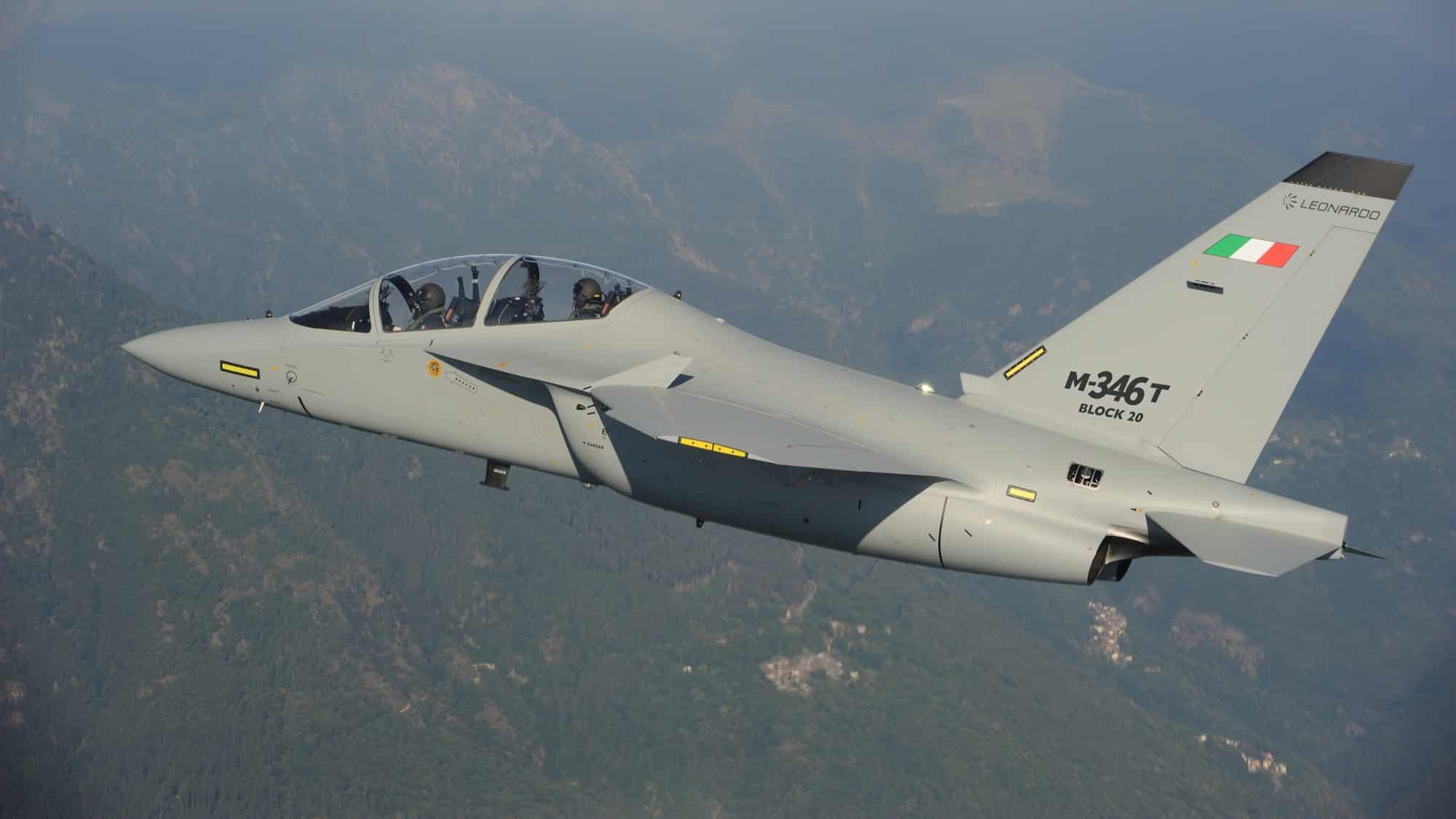
No mods necessary, it already has all the capabilities of a light strike fighter.

Don't just buy 22, buy about 70 or so. You can deploy them in any role where it wouldn't be practical to deploy Fat Annie F-35s.


🍻
 
No mods necessary, it already has all the capabilities of a light strike fighter.

Don't just buy 22, buy about 70 or so. You can deploy them in any role where it wouldn't be practical to deploy Fat Annie F-35s.


🍻
Is this Jet as capable or more than the Gripen?
 
Now for my next question.
If we are getting 22 of these trainers, how does this ratio related to the potential 88 F35’s? Is this the correct ratio of trainers to fighters, or is to too low or high?
When asking Google AI the following question - "If Canada has 88 F35 fighters, how many advanced trainer jets would it require?"

For a fleet of 88 F-35 fighters, the Royal Canadian Air Force (RCAF) would typically require 12 to 16 advanced trainer jets. These aircraft are used for the Fighter Lead-In Training (FLIT) pipeline to bridge the capability gap between basic trainers and 5th-generation stealth fighters.

The exact number of training assets required scales based on operational and strategic factors:
  • Sizing Ratio: Standard air force ratios suggest roughly 1 advanced trainer for every 5 to 7 frontline fighter pilots. To generate the 10 to 12 new combat-ready pilots per year needed to sustain an 88-plane fleet, the RCAF requires a dozen or more lead-in trainers
  • Training Pipeline: Because modern 5th-generation jets like the F-35 are so advanced, many basic skills are now learned in simulators, shifting the primary focus of advanced trainers toward teaching high-speed tactical combat and electronic warfare rather than basic flight

If those numbers/ratio of 1 advanced trainer for every 5-7 frontline fighter - then it stands to reason that we are looking a potential range of 110 to 154 fighters.
 
When asking Google AI the following question - "If Canada has 88 F35 fighters, how many advanced trainer jets would it require?"

For a fleet of 88 F-35 fighters, the Royal Canadian Air Force (RCAF) would typically require 12 to 16 advanced trainer jets. These aircraft are used for the Fighter Lead-In Training (FLIT) pipeline to bridge the capability gap between basic trainers and 5th-generation stealth fighters.

The exact number of training assets required scales based on operational and strategic factors:
  • Sizing Ratio: Standard air force ratios suggest roughly 1 advanced trainer for every 5 to 7 frontline fighter pilots. To generate the 10 to 12 new combat-ready pilots per year needed to sustain an 88-plane fleet, the RCAF requires a dozen or more lead-in trainers
  • Training Pipeline: Because modern 5th-generation jets like the F-35 are so advanced, many basic skills are now learned in simulators, shifting the primary focus of advanced trainers toward teaching high-speed tactical combat and electronic warfare rather than basic flight

If those numbers/ratio of 1 advanced trainer for every 5-7 frontline fighter - then it stands to reason that we are looking a potential range of 110 to 154 fighters.
Implicit in that is several assumptions:

Canada will not be training other nations' pilots. That may not be a valid assumption.

Canada is buying a fleet for current demands, not including potential future growth.
 
When asking Google AI the following question - "If Canada has 88 F35 fighters, how many advanced trainer jets would it require?"

For a fleet of 88 F-35 fighters, the Royal Canadian Air Force (RCAF) would typically require 12 to 16 advanced trainer jets. These aircraft are used for the Fighter Lead-In Training (FLIT) pipeline to bridge the capability gap between basic trainers and 5th-generation stealth fighters.

The exact number of training assets required scales based on operational and strategic factors:
  • Sizing Ratio: Standard air force ratios suggest roughly 1 advanced trainer for every 5 to 7 frontline fighter pilots. To generate the 10 to 12 new combat-ready pilots per year needed to sustain an 88-plane fleet, the RCAF requires a dozen or more lead-in trainers
  • Training Pipeline: Because modern 5th-generation jets like the F-35 are so advanced, many basic skills are now learned in simulators, shifting the primary focus of advanced trainers toward teaching high-speed tactical combat and electronic warfare rather than basic flight

If those numbers/ratio of 1 advanced trainer for every 5-7 frontline fighter - then it stands to reason that we are looking a potential range of 110 to 154 fighters.
I then asked a different question.

"If an air force has 22 M346's for advanced jet trainers, what overall size fighter force would that sustain?"

Answer:

A fleet of 22 Leonardo M-346 advanced jet trainers is capable of sustaining a fighter force of roughly 100 to 150 operational aircraft. This estimate assumes a standard training pipeline where a Lead-In Fighter Trainer (LIFT) supports an advanced tactical training phase for multiple fighter squadrons.

The Math & Pipeline Breakdown
Military training pipelines require fewer trainers than operational fighters due to the concentrated curriculum, student throughput, and aircraft turnaround times. The ratio generally balances as follows:

Sortie Rates: An M-346 Master can fly high sortie rates per day, with major training schools generating 35+ flights daily from a similarly sized fleet.

Fighter-to-Trainer Ratio: Air forces typically maintain an advanced trainer to operational fighter ratio of 1 : 4 to 1 : 6.

Pilot Capacity: At 22 aircraft, the training wing can graduate 50 to 70 new combat-ready fighter pilots per year, which is the steady-state required to sustain a 100-to-150-jet combat fleet (given a standard ratio of 1.5 to 2.5 pilots per fighter jet)
 
Implicit in that is several assumptions:

Canada will not be training other nations' pilots. That may not be a valid assumption.

Canada is buying a fleet for current demands, not including potential future growth.
Possible -

1) To date, we've not heard anything about training other countries pilots, but this may change
2) The 22 trainers will push out 50-70 fighter pilots per year - consider the fact that we will NOT be receiving the M346's for at least 3-4+yrs out, our initial 40 F35's will be in Canada already.
 
Deep thought.

I proposed several years ago that we buy the "Scorpion" jet. This aircraft is much more capable that the Scorpion - it's got a full spectrum of air combat capability - multi-mode RADAR with a bunch of fancy features, hardpoints for dropping guided ordnance as well as short and medium range AAMs, air to air refueling, etc.

What if we're going to skip right past the Grippen, buy about 100+ of these not just as lead in trainers, but also as 'low cost' interceptors in permissive air environments and thus it lets us reduce the number of F-35s that we buy?

Buy 100 of these, cut our F-35 buy down to the original 65, we get new Flight Trainer, new Snowbirds, and 'light' interceptor?

Saves money compared to the Grippen.

Saves money on the F-35 buy and lets the 'elbows up' folks feel like they're winning.

Meets original NORAD numbers (pre-88)

Common platform within a dual fleet environment.

Win win all around...right?
 
Deep thought.

I proposed several years ago that we buy the "Scorpion" jet. This aircraft is much more capable that the Scorpion - it's got a full spectrum of air combat capability - multi-mode RADAR with a bunch of fancy features, hardpoints for dropping guided ordnance as well as short and medium range AAMs, air to air refueling, etc.

What if we're going to skip right past the Grippen, buy about 100+ of these not just as lead in trainers, but also as 'low cost' interceptors in permissive air environments and thus it lets us reduce the number of F-35s that we buy?

Buy 100 of these, cut our F-35 buy down to the original 65, we get new Flight Trainer, new Snowbirds, and 'light' interceptor?

Saves money compared to the Grippen.

Saves money on the F-35 buy and lets the 'elbows up' folks feel like they're winning.

Meets original NORAD numbers (pre-88)

Common platform within a dual fleet environment.

Win win all around...right?
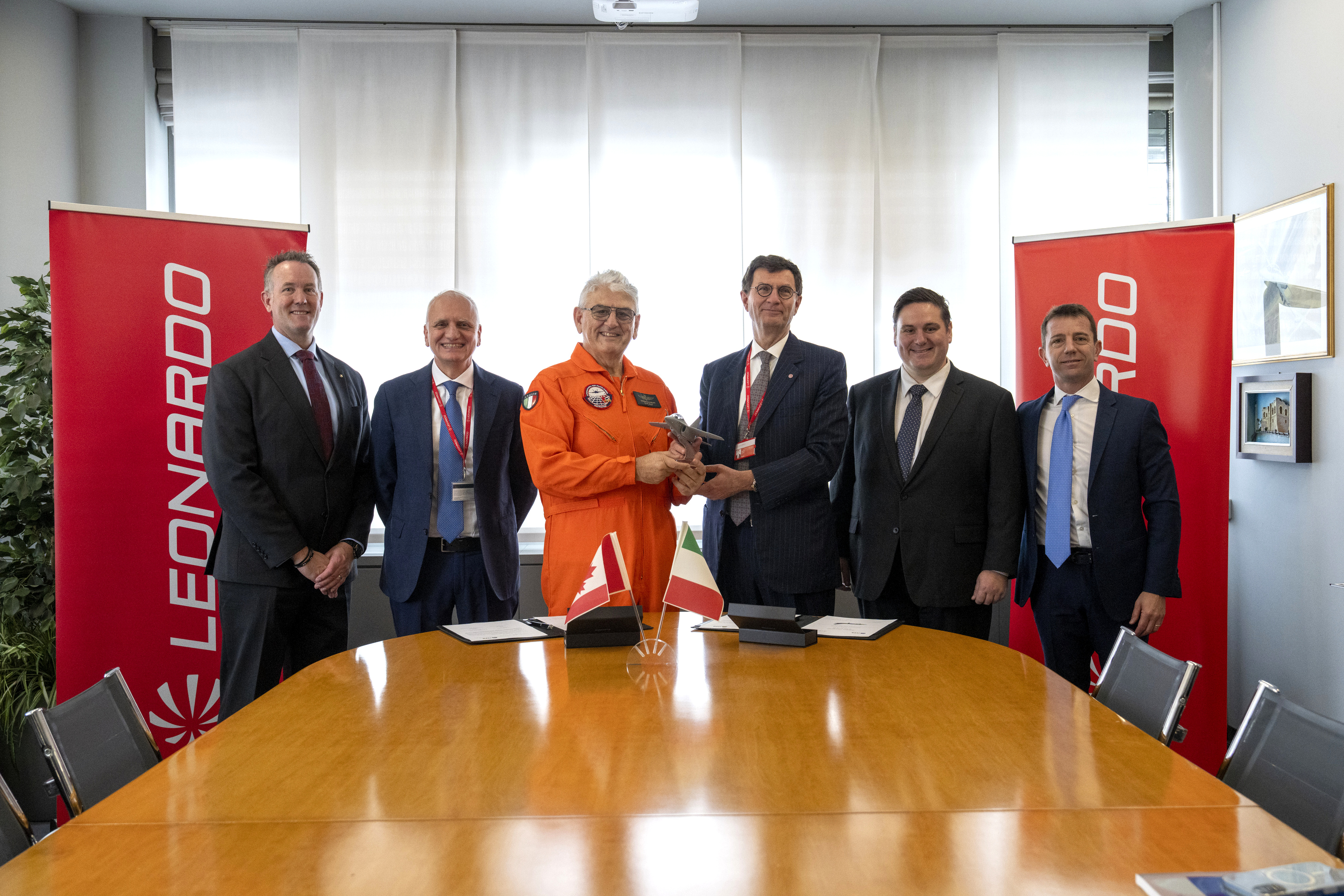
To pull that thread a bit more - it would create a very tight relationship with Leonardo and create an environment that would allow us to slip seamlessly into the UK-Italy-Japan 6th gen programme as the possible 4th key member and create a solid case for a decent manufacturing role in Canada for the 6th gen fighter.
 
Deep thought.

I proposed several years ago that we buy the "Scorpion" jet. This aircraft is much more capable that the Scorpion - it's got a full spectrum of air combat capability - multi-mode RADAR with a bunch of fancy features, hardpoints for dropping guided ordnance as well as short and medium range AAMs, air to air refueling, etc.

What if we're going to skip right past the Grippen, buy about 100+ of these not just as lead in trainers, but also as 'low cost' interceptors in permissive air environments and thus it lets us reduce the number of F-35s that we buy?

Buy 100 of these, cut our F-35 buy down to the original 65, we get new Flight Trainer, new Snowbirds, and 'light' interceptor?

Saves money compared to the Grippen.

Saves money on the F-35 buy and lets the 'elbows up' folks feel like they're winning.

Meets original NORAD numbers (pre-88)

Common platform within a dual fleet environment.

Win win all around...right?
To pull that thread a bit more - it would create a very tight relationship with Leonardo and create an environment that would allow us to slip seamlessly into the UK-Italy-Japan 6th gen programme as the possible 4th key member and create a solid case for a decent manufacturing role in Canada for the 6th gen fighter.
Biggest sticking point is Canada/many of the Gripen supporters are interested in that platform due to the supposed IP and domestic industrial workshare benefits from it, simply ordering a souped up trainer from abroad wouldn't satisfy this unless we opened a licensed production line in Canada.
 
To pull that thread a bit more - it would create a very tight relationship with Leonardo and create an environment that would allow us to slip seamlessly into the UK-Italy-Japan 6th gen programme as the possible 4th key member and create a solid case for a decent manufacturing role in Canada for the 6th gen fighter.
Yes. Now folks are starting to appreciate the multi-nation pan-industrial collaboration space. Gripen, GlobalEye, M-346, A400M, etc. on the air side. Subs, etc.
 
Biggest sticking point is Canada/many of the Gripen supporters are interested in that platform due to the supposed IP and domestic industrial workshare benefits from it, simply ordering a souped up trainer from abroad wouldn't satisfy this unless we opened a licensed production line in Canada.
Lot's of balls in the air.

The ordering of 22 M346's looks to be larger than what we require IF the RCAF is set to have only 88 fighters, in whatever mix that maybe. I'm in the camp, solidly, that the days of us having only 88 fighters is over. The RCAF will end up having a total number north of 110. I'm basing this simply on the size of the growth the RCN and the CA is going through or about to go through in terms of absolute net new and expanded capabilities.

Maybe this order to 22 M346's is the first stage of increasing that number to be north of 80 and they are to be used as @NavyShooter outlines and they are an interim step towards us being a 4th pillar in the UK-Italy-Japan 6th gen consortium.
 
Back
Top