- Reaction score
- 13,964
- Points
- 1,160

Low Rhine water levels hit Germany harder than the Netherlands, economist says
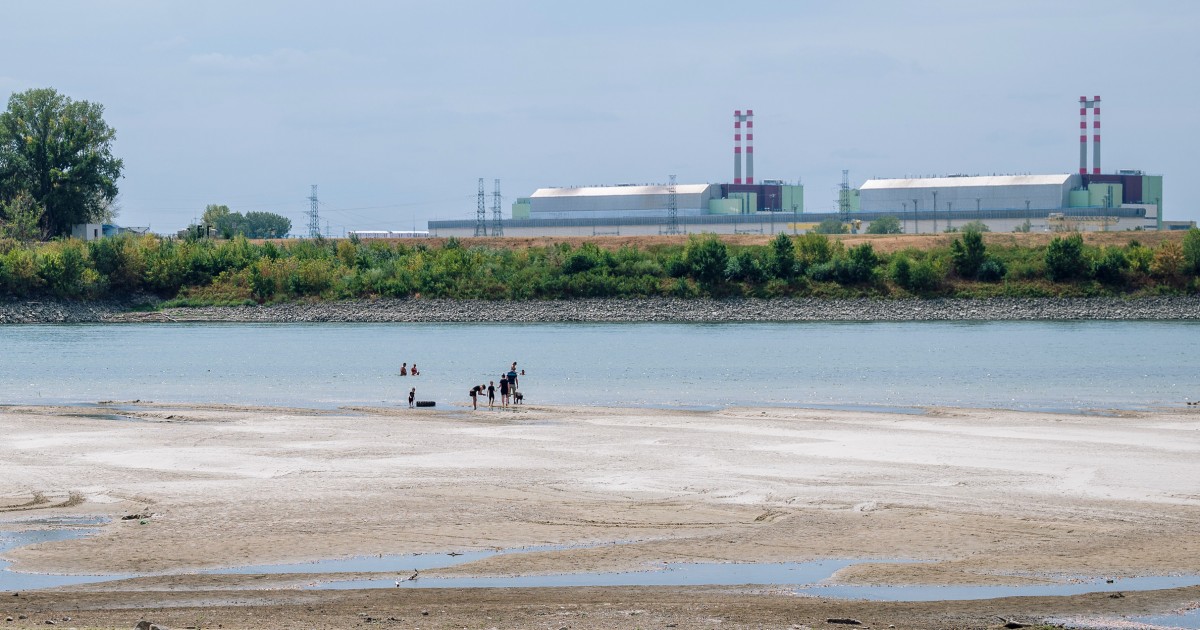
The Dutch economy is less affected by low water levels than the German economy, according to ING economist Rico Luman. The Netherlands has more alternative routes thanks to its extensive network of waterways, while a large part of the country is also still relatively easy to navigate, he explained.
 nltimes.nl
The Panama Canal is reducing the amount of cargo it can handle because a lack of water in the mountains has reduced the depth of the canal and the available draft. Ships have to lighten load.
Fortunately Mexico has just opened a short rail link between the Pacific and Atlantic.
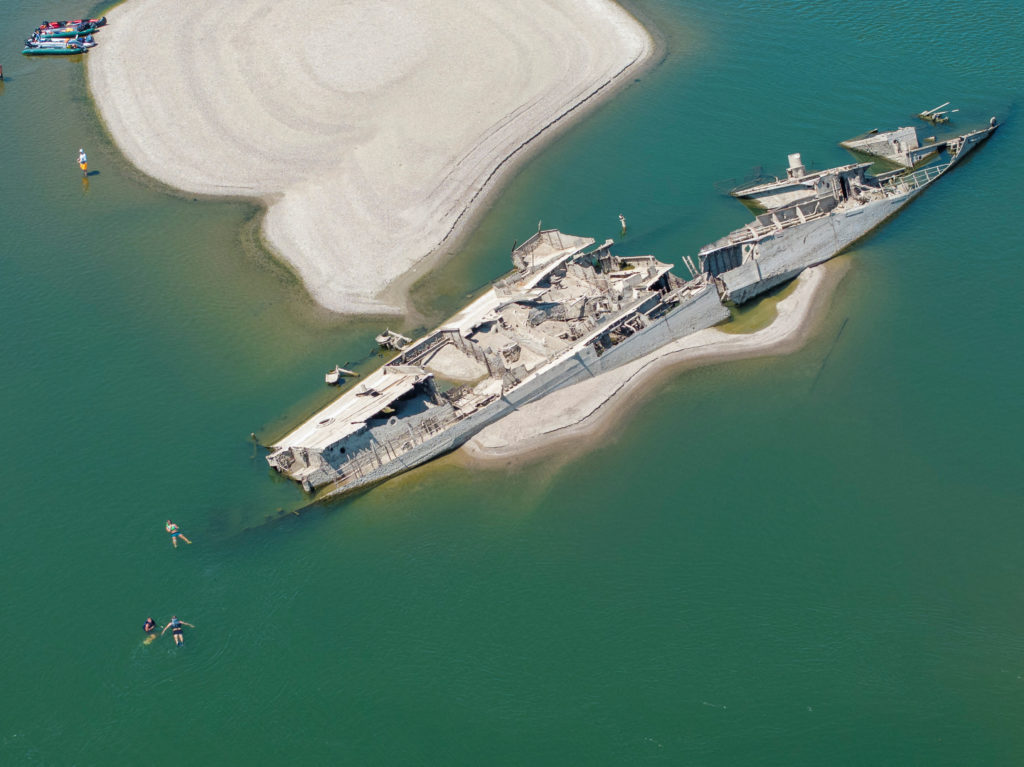
Europe has a related problem. The Alps drain east through the Danube, north through the Rhjne and south through the Rhone. The same lack of water that is behind all these wildfires is shutting down trade. The higher altitude canals are being shut down.
The Netherlands, the south of France and Romania can all move some freight internally by water but transit north of Lyon, south of Koblenz and west of the Iron Gates is becoming problematic. This puts the European industrial heartland, Germany in particular, at significant risk. This at a time Europe is trying to recreate its industrial base as a defence base and exland it.
This puts coastal states in an advantageous position but threatens the Rheinland, Bavaria, Saxony, Austria, Switzerland and Hungary.
One boat equals 20 trucks fully laden but low water means it can now only 4 trucks equivalency if it can move at all. There aren't enough trucks or drivers to take up the slack and rail isn't an option for a variety of reasons.