- Reaction score
- 28,522
- Points
- 1,360
Touché! Quatre-vingts cinq.Which one?


Touché! Quatre-vingts cinq.Which one?
Plutôt quatre-vingt quinze.Touché! Quatre-vingts cinq.

 calgaryherald.com

There's a very silver lining here. AB separatism is a weak movement, highly unlikely to succeed. In the meantime, every extreme measure they take is going to generally discredit separatist movements in Canada.Something stinks. And they're clearly not confident about reaching the already extremely lowered to the floor requirements.

Funny thing is, doing this is against elections AB rules, so any signatures signed outside AB are invalidSomething stinks. And they're clearly not confident about reaching the already extremely lowered to the floor requirements.
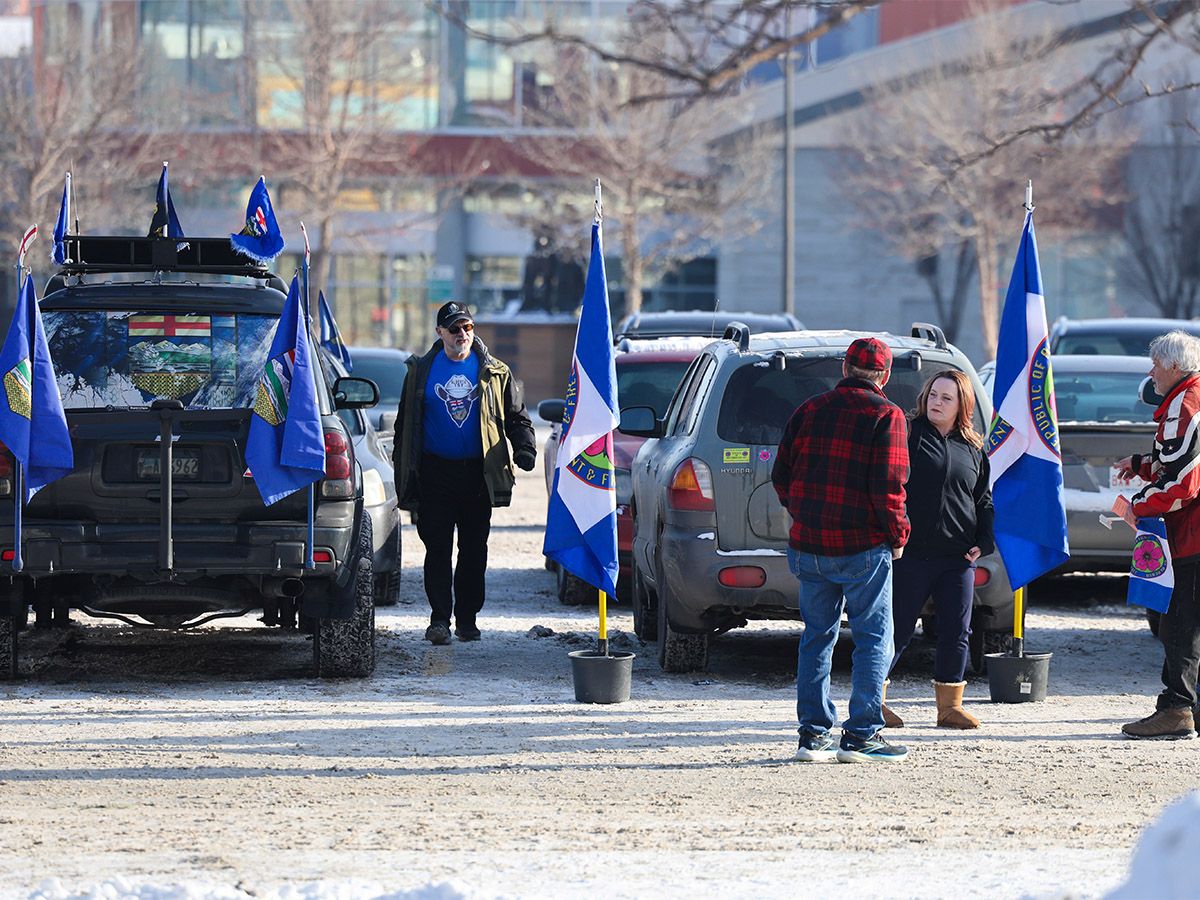
ArchiveBraid: Fury erupts at separatist hunt for referendum signatures in the U.S.
Elections Alberta says it's okay to seek separatist signatures outside Alberta — even in the U.S. — but federalists are furious.

Funny thing is, doing this is against elections AB rules, so any signatures signed outside AB are invalid
weak case or not....every time the issue is raised in the media regardless of outcome it's a cut on the confidence of business/capital/people of "do I want to live/invest/stay here".In the article you shared, they all seemed to agree obtaining signatures from ordinary residents of Alberta anywhere is legal. With a quote from Elections Alberta no less.
I muse at the uproar on this whole thing... by many accounts it's a weak movement. If that is the case it will die rather quickly and there is no need to be upset by a handful of loud upstarts.


 www.aptnnews.ca
 calgary.citynews.ca
 calgaryherald.com

 www.richmond-news.com

 globalnews.ca

241 days from this post, and counting!
Alberta announces date of referendum
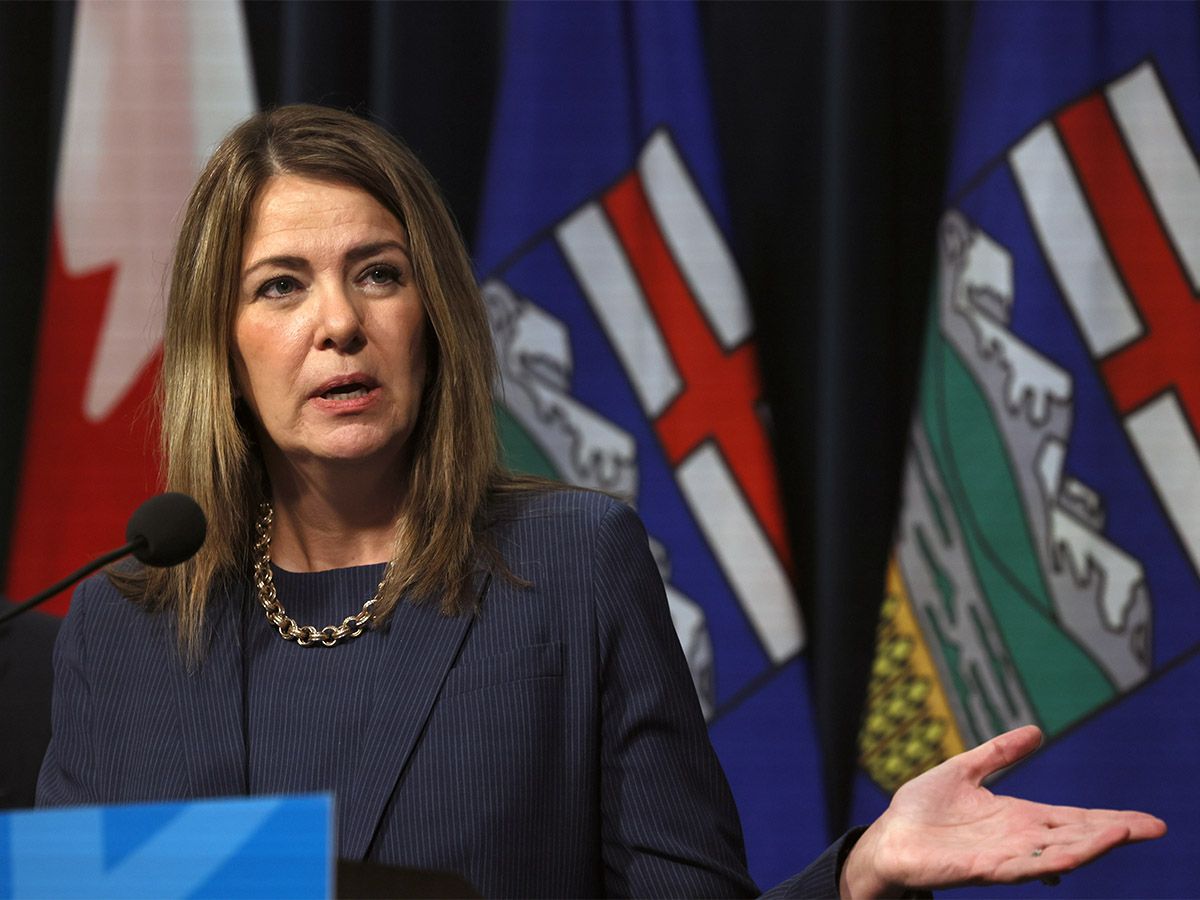
Alberta Premier Danielle Smith says voters will get their say in a provincial referendum on Oct. 19 on several proposals that could have major implications for Alberta’s relationship with the federal government.Here are the referendum questions to be put to Albertans this year
Here is a full list of the "yes or no" referendum questions that will be put to Albertans on October 19, 2026.Braid: Smith unveils government referendum in move to spike separatists
Premier Danielle Smith promises a referendum intended to spike separatism and limit immigration, writes columnist Don Braid.Alberta's Smith to put immigration, Constitution questions on fall referendum
EDMONTON — Alberta Premier Danielle Smith's government is putting nine questions to a provincewide referendum on Oct. 19, including proposals to restrict social services from some immigrants.Alberta government accused of ‘weaponizing immigration’ to win votes | Globalnews.ca
Alberta Premier Danielle Smith said immigration is one of the issues she plans to discuss during a province-wide television address on Thursday, Feb. 19.

- Assuming that all Canadian citizens and permanent residents continue to qualify for social support programs as they do now, do you support the Government of Alberta introducing a law requiring all individuals with a non-permanent legal immigration status to reside in Alberta for at least 12 months before qualifying for any provincially-funded social support programs?
- Assuming that all Canadian citizens and permanent residents continue to qualify for social support programs as they do now, do you support the Government of Alberta introducing a law requiring all individuals with a non-permanent legal immigration status to reside in Alberta for at least 12 months before qualifying for any provincially-funded social support programs?

But I would change the qualifying time spent in Alberta to a dollar threshold one must have contributed before you can draw, scaling up for the size of the family.

Contributed to what? If one defines "social support programs" as what was once called "welfare", there is no fund into which individuals pay for qualification unlike EI (a federal program) or CPP (another federal program). If one uses provincial income tax paid (the only 'fund' that Alberta residents currently pay into) as the threshold amount how does a non-income or low income person, who if below the poverty line doesn't pay any or extremely low income tax, reach your "dollar threshold"?
Contributed to what? If one defines "social support programs" as what was once called "welfare", there is no fund into which individuals pay for qualification unlike EI (a federal program) or CPP (another federal program). If one uses provincial income tax paid (the only 'fund' that Alberta residents currently pay into) as the threshold amount how does a non-income or low income person, who if below the poverty line doesn't pay any or extremely low income tax, reach your "dollar threshold"?

Better to have dissent/dissatisfaction out in the open where it can be assessed, as well as to bleed some of the pressure off. Sometimes people just want to be heard and feel like they were heard. Politicians can't attempt to address grievances they don't know about, and are disinclined to attempt to change the thermostat if they don't think the temperature is enough of a problem. Then we get blindsided (the word "unexpectedly" appears in a lot of headlines), and the crises of confidence are worse.weak case or not....every time the issue is raised in the media regardless of outcome it's a cut on the confidence of business/capital/people of "do I want to live/invest/stay here".
Good call the referendum for a month from now. Rip the band aid of stupid, and then let everyone carry on with their lives knowing where things actually stand.

I didn’t think separation was on the menu in Smith’s referendum. I thought it was a bunch of separatist dog whistles.Good call the referendum for a month from now. Rip the band aid of stupid, and then let everyone carry on with their lives knowing where things actually stand.