You’re welcome, friend!
Usually when people talk about “direct democracy” it’s more in the sense of binding ballot initiatives like we might see in some U.S. states, or Swiss direct-democratic initiatives that will actually impact law.
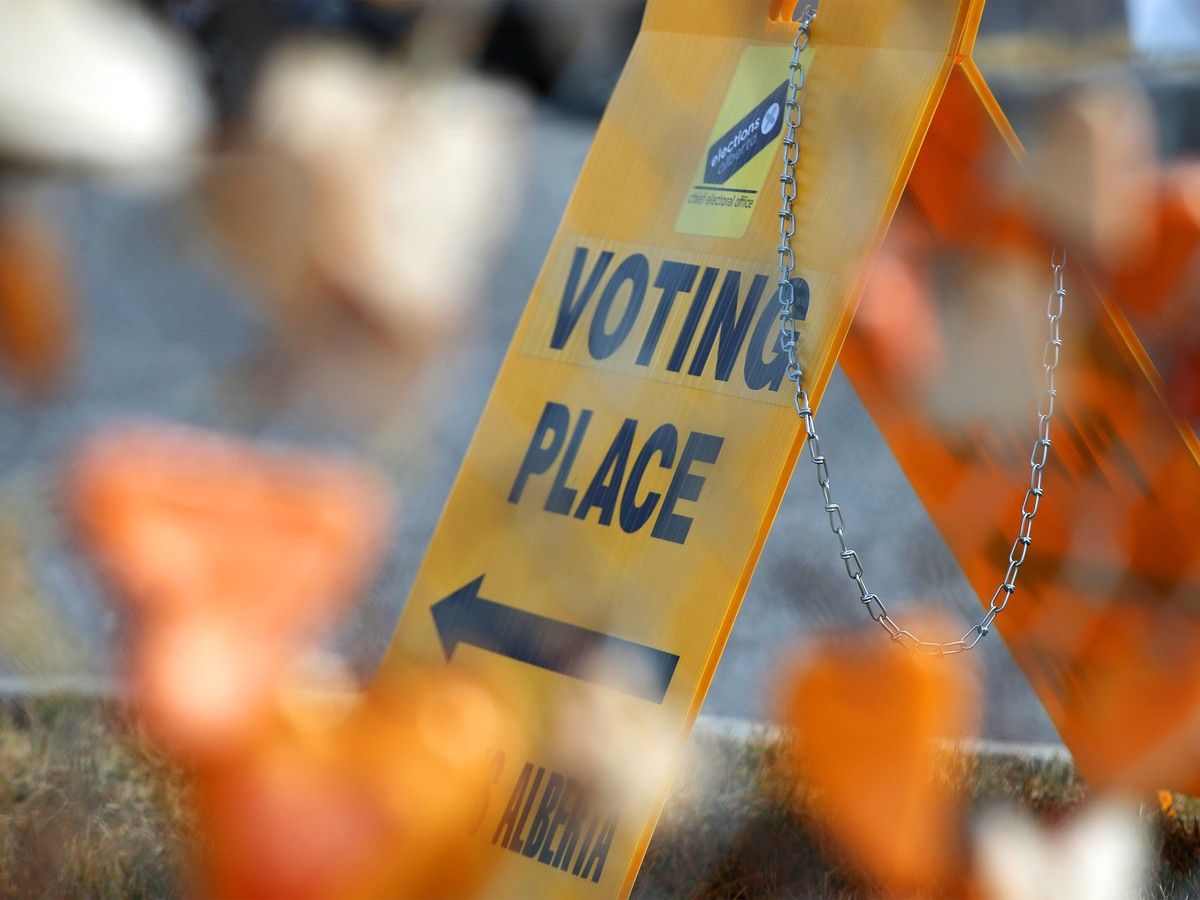
A non-binding referendum is little more than a wastefully expensive way to take the population’s temperature on one or more issues that they could have just polled… But then again, in yesterday’s case it’s more a piece of UCP political theatre than really moving any needles.
Considering DS has been talking about the nine questions openly for the last while. Putting in limitations and cost recovery for services. Which use to happen but somehow this past few years went to the wayside.
For example if you use our health services and you are not a citizen of Alberta you would pay up front. IE if one needs to visit the walk in clinic, they would have to pay a Dr fee upfront, then claim it back through their provincial system.
If they could not pay for the service then they would have to get pre authorized for such. If it is an emergency they would be looked after, the costs dealt with later. Similar processes were done for Immigrants where the cost would be recovered from the Federal government and or paid by the person.
This is similar to school attendance. Depending on how a person came to Canada would change who pays for the service. At the end of the day someone pays for that seat in the classroom. It is no different than many other countries. If you are not a citizen you have to pay for services rendered.
When we look at funding models for public services they are based on the population as indicated through the census reports.
This has been causing lots of funding to be misused in areas. Both excessive and underfunding.
With a province such as Alberta where a surge of people go to where the work is it has major effects on all public services both municipal, provincial and federal. Then when the Federal government surged immigrants across the provinces and then told the provinces to figure it out without the proper funding. Well some had the ability to grow basic services to deal with it. Others had a very tough time.
Generally speaking we have not been able to perform a cost recovery for services required across the country and hence why we are seeing critical system overwhelmed. Healthcare across the country has slipped in service levels, Policing, fire, sewage treatment, schools. etc have falling. Because the cost to grow theses serviced need to come from somewhere.
If you increase the population, do not increase the tax base then (those people are being subsidized by tax dollars) the money does not magically appear. To place that burden upon the provinces and municipalities without being able to recover that money is a disaster waiting to happen.
Some of those questions are also legally dubious:
Q2 - You can't deny someone healthcare based on their citizenship or immigration status
Q3 - Same thing as Q2
You can't but you can ensure someone somewhere covers the cost. If it forces the federal government to slow down immigration to manageable levels then it will make things better.
India said the other day Canada will need fifteen million immigrants to keep up with projected investment requirements.
We are struggling to manage an increase of three to four million over 6 years. IF we doubled those numbers our institutions would crumble.