• Thanks for stopping by. Logging in to a registered account will remove all generic ads. Please reach out with any questions or concerns.

CAN-USA Tariff Strife (split from various pol threads)

I wont put you on ignore and you wont put me on ignore so I guess we're stuck with this... Merry Christmas.
I don't find this unduly unpleasant.

You talk, I talk, you're respectful, I'm respectful.

Seems like dialog to me.

Merry Christmas, all the best to you and yours.
 
Those Canadian tourists dispersed to other countries won't make much a difference in those places either. This is small potatoes.
Canadians spend 53b on international tourism.

Picking up extra pieces of that pie is in no way small potatoes to many countries.

I know when I was in Mexico, the staff were commenting on how they are seeing more Canadian visitors, and how periods of lull are now actually busy. While anecdotal, I think this points towards other nations being happy to have the influx of Canadian tourists.
 
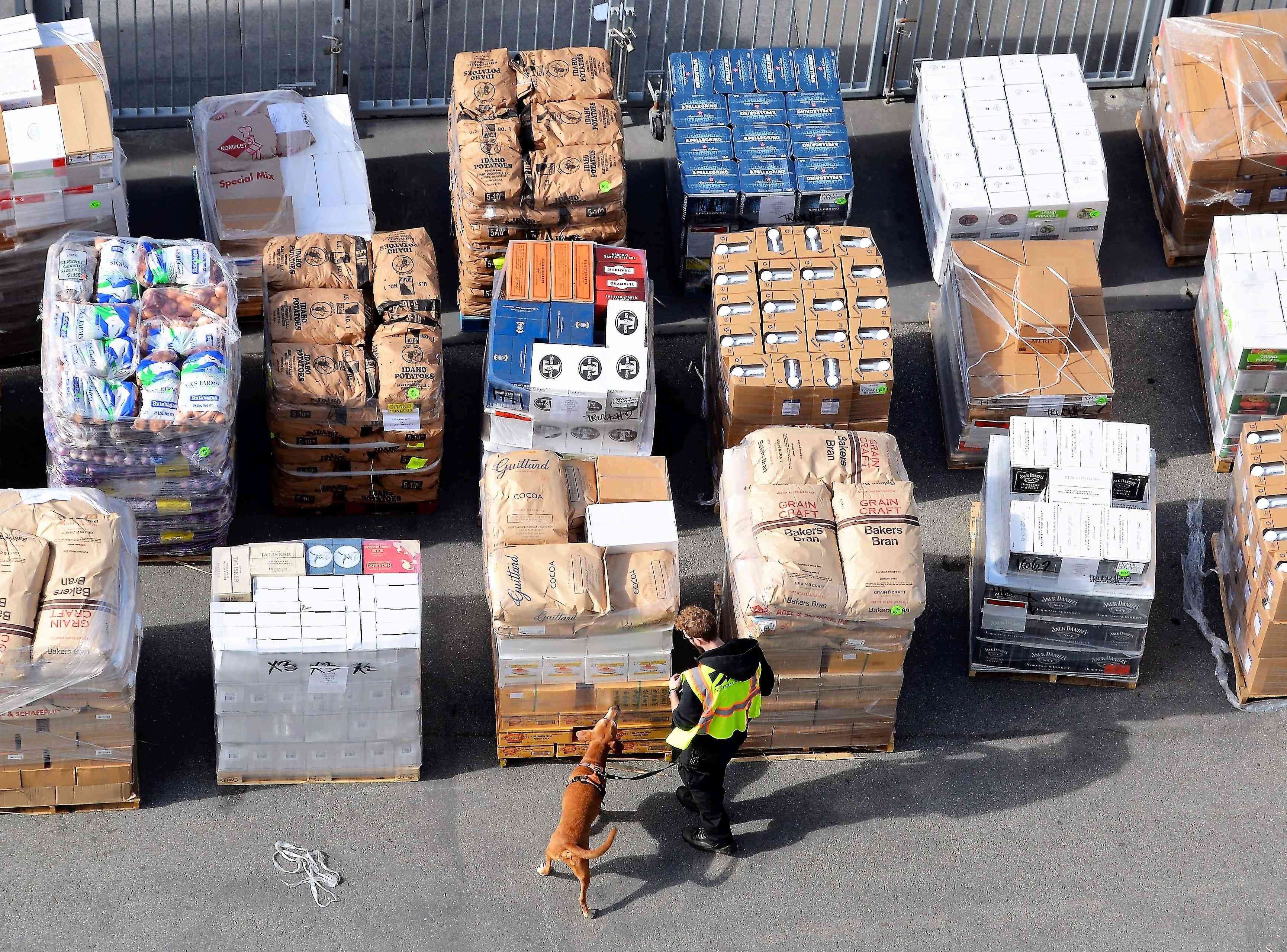
Sounds like it's not an uncommon situation due to the huge volume of containers that are being moved around the planet.

By comparison (according to ChatGPT):
At the Port of Los Angeles (which, together with the Port of Long Beach forms the largest port complex in the U.S.), only a small fraction of arriving cargo containers are physically inspected. The exact percentage varies by source and inspection type, but the broadly cited figures are:

📦

• Physical inspections:
Only about 2 % (or less) of containers unloaded at U.S. ports are physically opened and examined by customs officials. This low rate reflects the challenge of physically inspecting a huge volume of cargo without disrupting commerce. GovInfo+1

• X‐ray or scanner screenings:
Historical reporting (e.g., at Los Angeles/Long Beach) indicates roughly about 6 % of containers might be selected for scanning (e.g., X-ray / radiation screening) upon arrival, with a smaller fraction of those then unloaded for detailed inspection. Los Angeles Times
 
I went to Hawaii back in 2010 and Fargo ND in 2014. Even though it was several years after the Great Recession, I heard nothing but comments from folks there grateful to Canadians who were still able to come visit and spend money then when everyone else in the Western world were not going so well.

If the Yanks noticed our presence during the Great Recession, they will notice our absence now.
 
Sounds like it's not an uncommon situation due to the huge volume of containers that are being moved around the planet.

By comparison (according to ChatGPT):

It's complicated...

Shipping takes action on drug smuggling​


Global drug activity has increased by an estimated 23% between 2011 and 2021, with some 296 million users worldwide, per United Nations Organization on Drugs and Crime (UNODC). Traffickers have been particularly successful at evading detection at ports, and have begun to utilise increasingly innovative methods to achieve their aims — such as hacking into customs computer systems to preclear consignments before inspection.

“Drug use is increasing,” Chris Trelawny, Deputy Secretary General of INTERPORTPOLICE tells ICS Leadership Insights, adding that seafarers carry the risk of becoming “the unwitting victims of traffickers” if they are arrested for involvement in illegal activities.

Given the vast amount of trade moving quickly, resolving the issue will be challenging. Per Europol’s March 2023 report, only 2-10% of containers transiting EU ports are physically inspected, making detection of illicit goods extremely challenging and allowing a number of such shipments to slip through loopholes in port procedures.

“Over the last five years, the size of the consignments has increased significantly.” David Caunter, Assistant Director, Criminal Networks at INTERPOL tells ICS Leadership Insights. “Additionally, destination countries rarely scan and search 100 percent of the containers, making this a very lucrative business model.”

The industry has launched multiple countermeasures in response to this concern. The EU recently allocated funds of €200m to Port of Antwerp-Bruges (PoAB)’s proposal, Certified Pick Up. The digital platform was launched in January 2024 and implements an efficient and faster way of managing container transport.

“By passing the digital release right to the next party in the chain you know which parties are involved in import container flow. Also, every container needs to clear customs before it can leave the terminal and be picked up on the basis of identity.” Kurt Van Loon, Project Manager of Certified Pick up tells ICS Leadership Insights. “This will prevent fraud, improve security and make acting with bad intentions more difficult.”

 
Saying it out loud, in plain language ....
The U.S. wants Canada to expand dairy market access for American products and lift provincial bans on U.S. alcohol as part of the upcoming review of the Canada-U.S.-Mexico Agreement (CUSMA), Washington’s top trade envoy says.

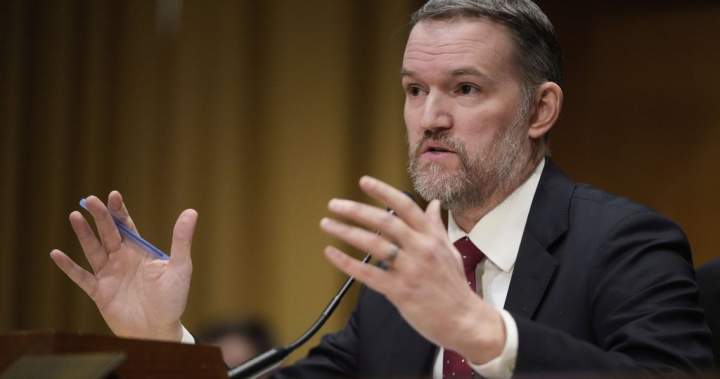
U.S. Trade Representative Jamieson Greer told members of Congress this week the joint review “will depend on the successful resolution” of those and other issues, according to a copy of his opening statement shared online after the closed-door meetings ...
... with the full wish list attached.
 

Attachments

If it means lower prices I'm all for it
The top item on their list of gripes against us is dairy, then a bit of bitching about some US alcohol difficulties exporting in some provinces, complicated export forms and Alberta being hard on some Montana energy consumers or something.
 
Back
Top