• Thanks for stopping by. Logging in to a registered account will remove all generic ads. Please reach out with any questions or concerns.

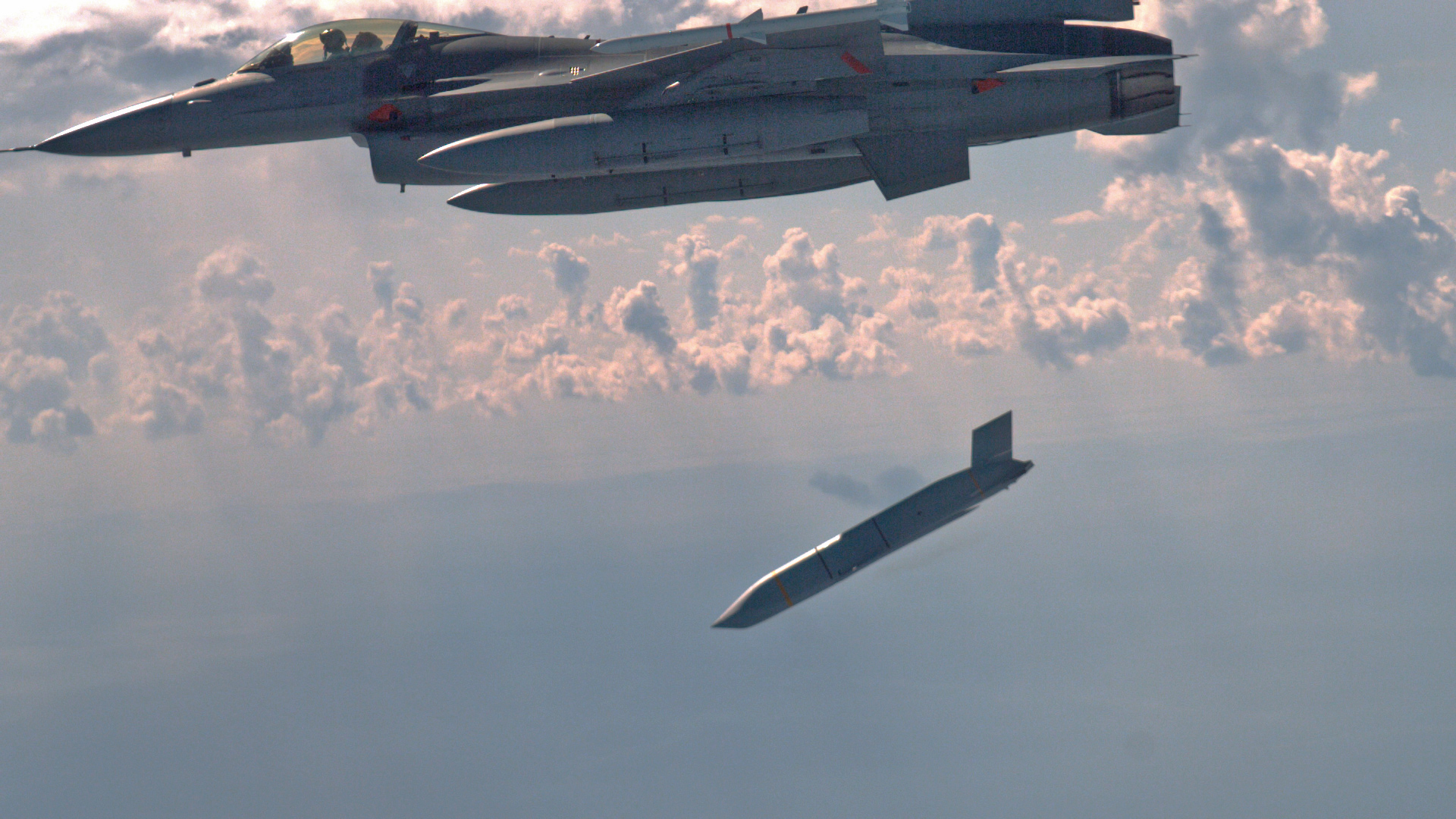
Canada seeks to buy Long Range Precision Rockets (probably US MLRS or HIMARS)

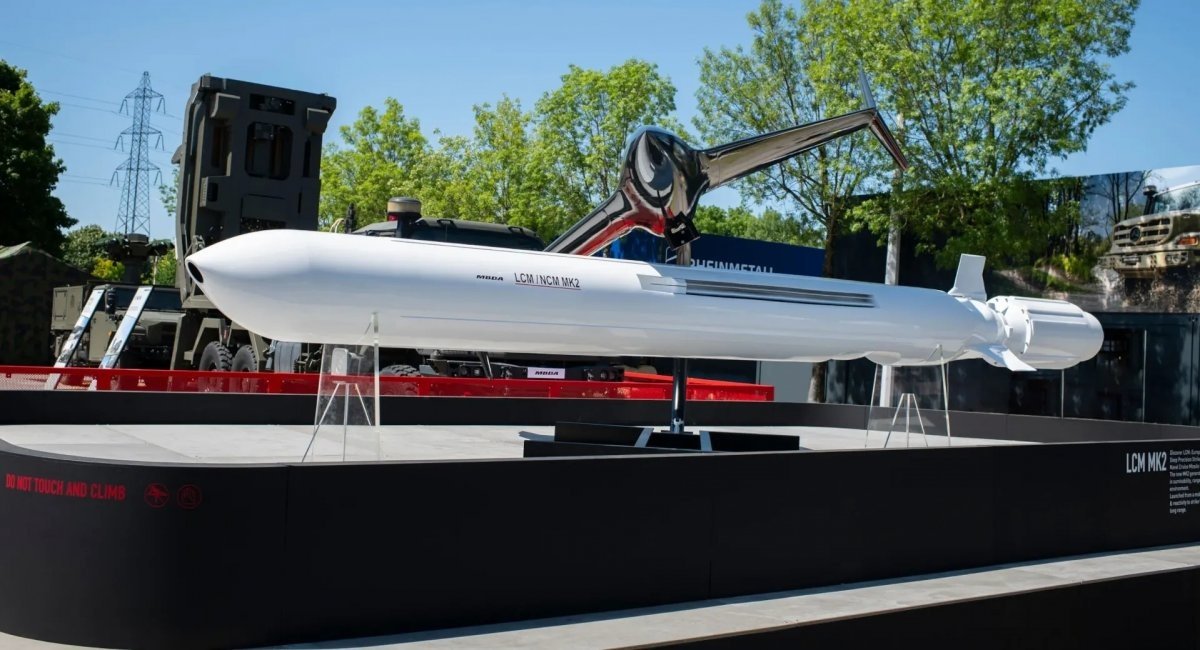
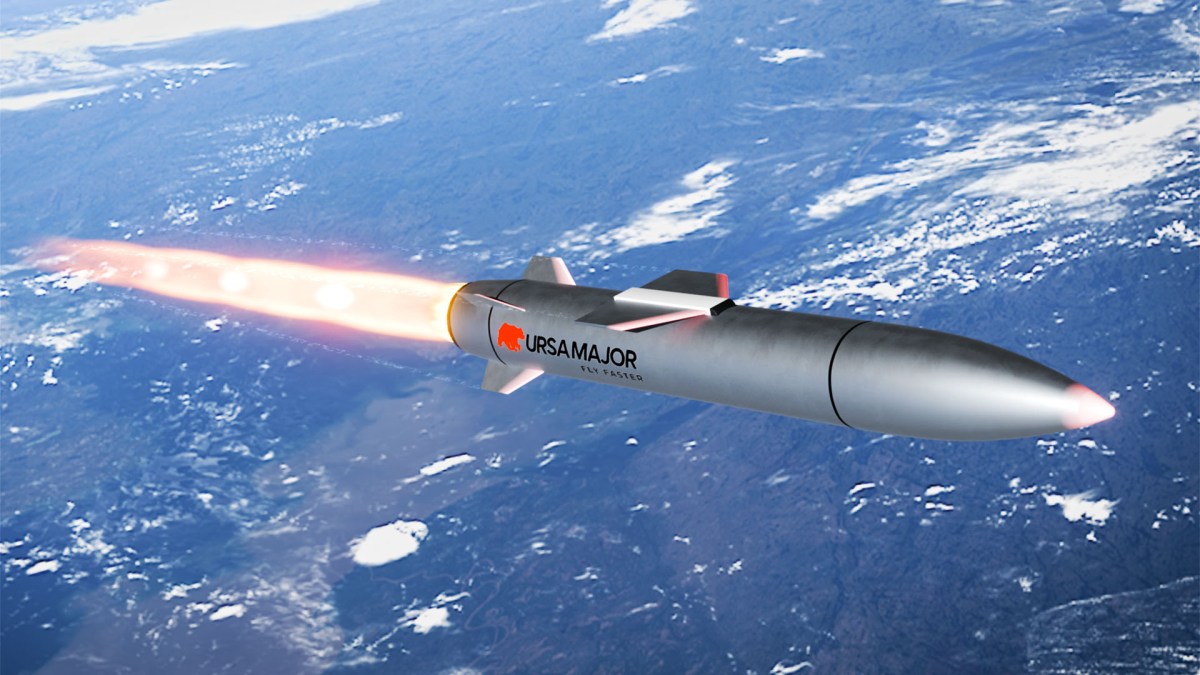
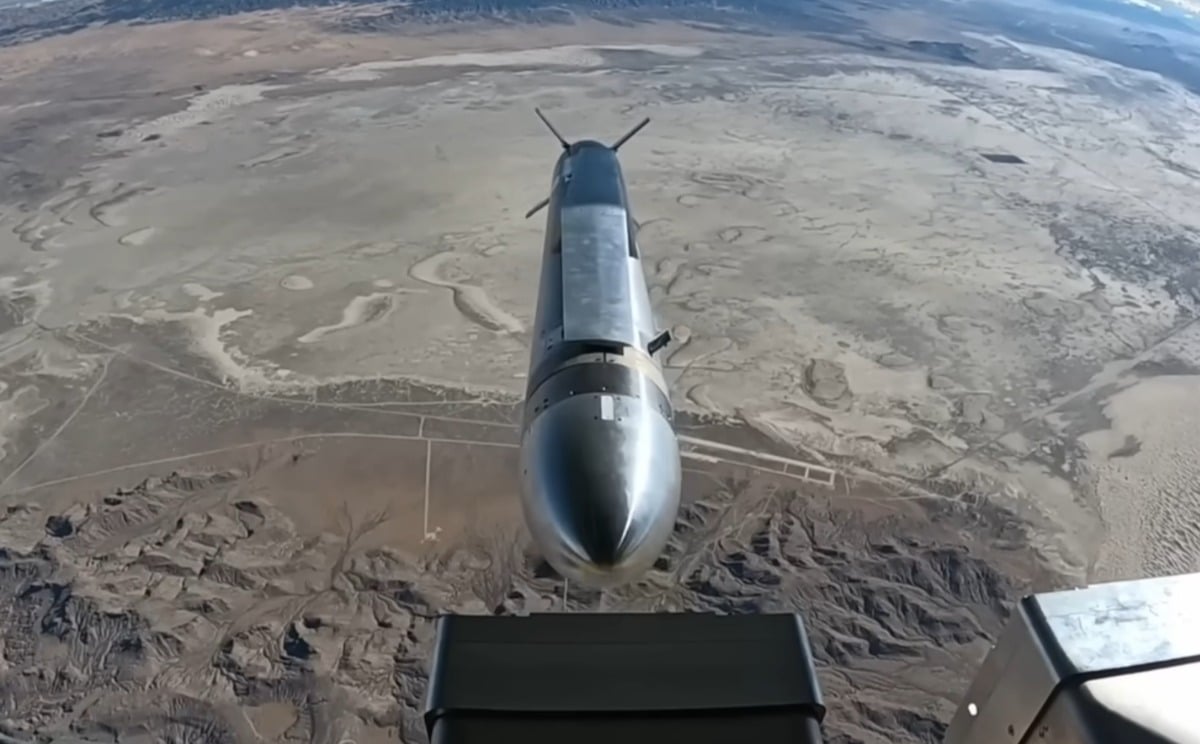
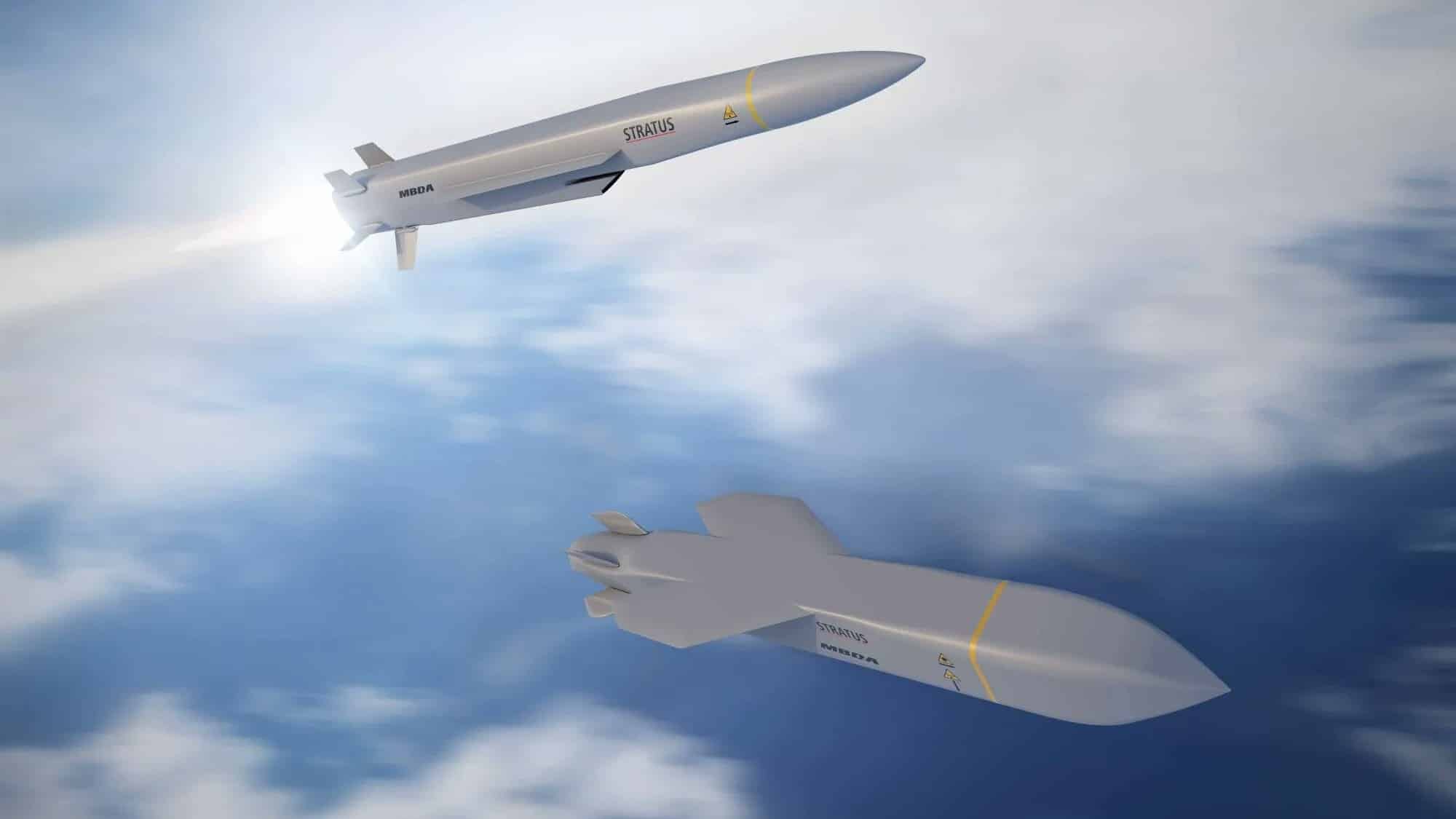
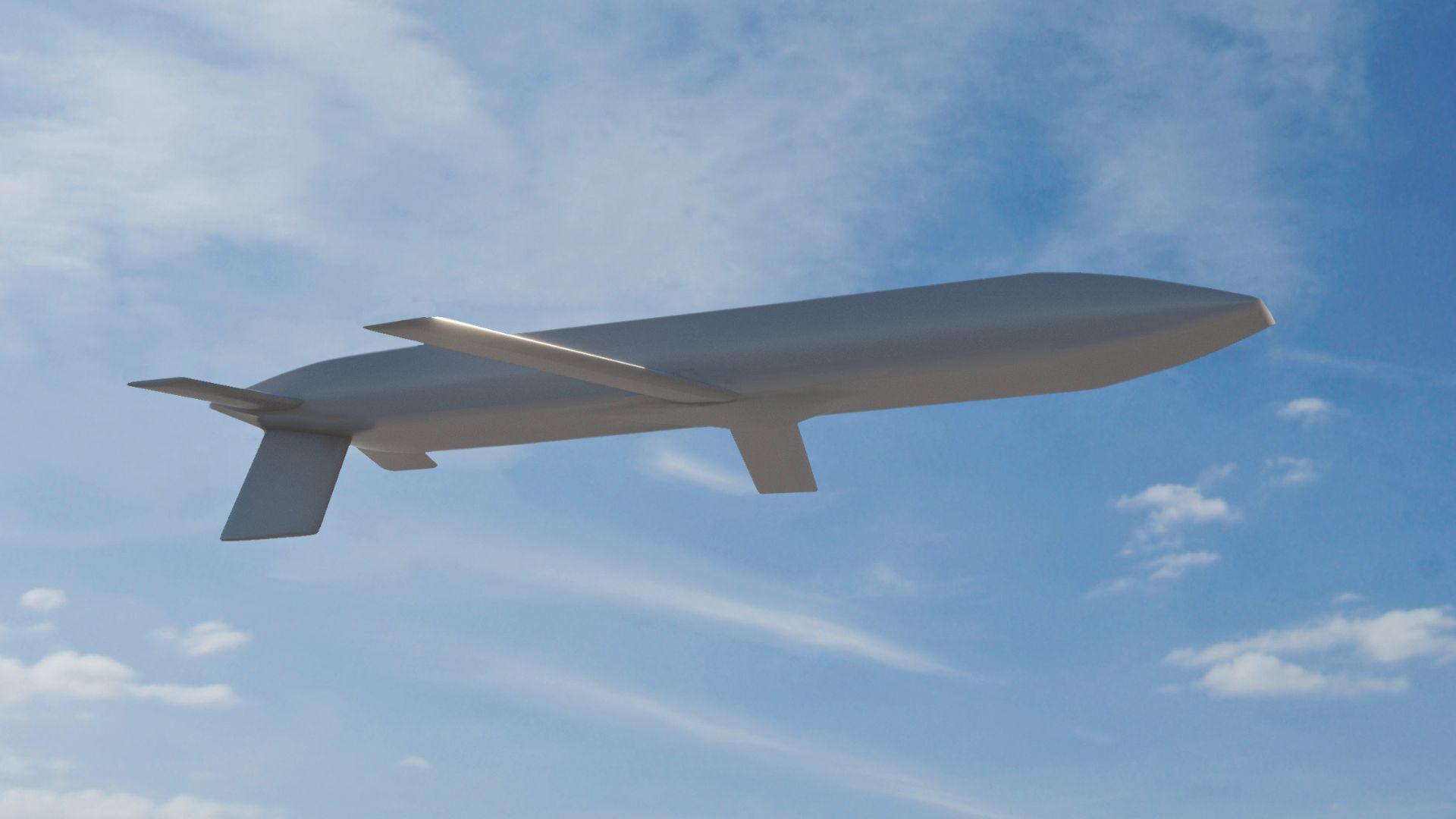
New 250 km effector for 26 RA One Way Effector Troop.
This is one of my disappointments about Aimpoint 1. Aimpoint 1 reorganizes the artillery by creating what IMHO is a perfectly suitable artillery structure for the 1980s Cold War fight. Fd regiments with SP batteries with their integrated FOOs and STA (with a tiny UAV capability) and a divisional LRPS regiment with HIMARS launcher batteries. The former suitable for the close support of battalions and brigades, the latter for general support of a division. The single connecting factor is that each is based on heavy equipment which will not change over the next few decades. The ammunition might but the equipment not so much.

IMHO, each regiment needs a general support battery that is a more flexible organization attuned to UAV strike launchers and STA assets (including FPV systems) which can be quickly replaced and improved as technology and counter technology advances. The only difference between the SP regiment's general support battery and that of the HIMARS regiment is the reach of their respective weapon systems. Again, the CS regiments systems would be of a class to support a manoeuvre brigade and those of the HIMARS regiment to support the division's deep fight and even beyond.

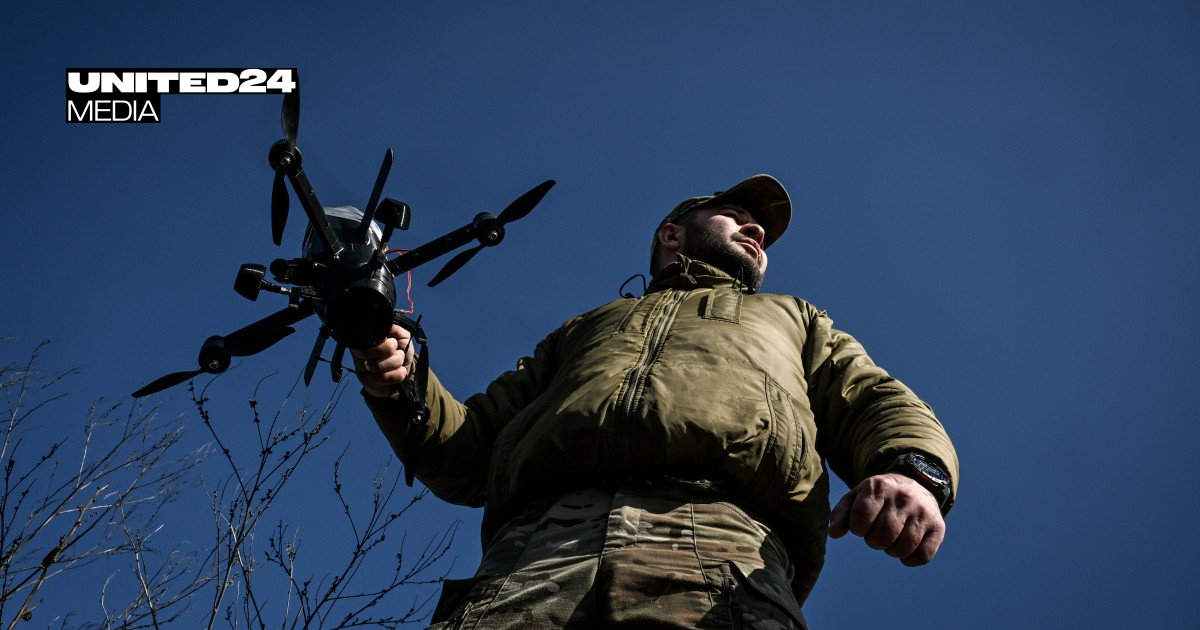
I sense that the vague role assigned to an as yet nonexistent divisional Target Acquisition unit's and the struggle as between an RCAF v RCA role may be indicative of why the artillery may be hesitant to delve too deeply into the bigger and heavier piloted and autonomous strike munitions. After the gains being made by IFM and LRPS maybe medium and long range strike munitions is just a bridge too far. In fairness loitering munitions are being looked at - such as the UOR Switchblade for Latvia - but again this seems to be at the battle group level. And don't get me wrong. I'm all for battalion-level organic UAV strike capabilities. I just think that we should already have an establishment within our CS and GS arty units that will cater to their employment. The actual system is irrelevant as it is primarily a munition; it will, or should, change many times and often in the coming years. An organization designed for the employment of that class of weapon, like 26th Field's, OWE Troop is needed now and at battery-level scale so that the appropriate doctrine and TTPs are developed, and exercised.

$0.02

🍻
 
That said, the civilian employer/employee legislation is entirely inadequate. Right now it's mostly provincial on the presumption that labour and employment law is a provincial constitutional thing. IMHO, all of that can and should be governed by the federal's overarching constitutional mandate over all things defence. IMHO, employer/employee issues relating to reservists (not all labour and employment, just as it relates to things military) ought to be a new division in the NDA.

What those laws should be are wide open but it should give very clear direction that would mandate that individuals must be allowed absences for limited specified training (around 40 days annually in my mind) and unlimited periods of operational deployment when placed on active service without any adverse effect to their civilian pension programs and civilian vacation rights. I'm of the view that there must be a covenant that is formed as between the reservist and his family as one party, the civilian employer as the second party and DND as the third party with responsibilities and rights clearly defined on each together with a mediation/enforcement mechanism. Within that general ambit there could be dozens of responsibilities and benefits in order to make the concept function.

🍻
I often think of the Australian RFS volunteers for emergancy service. Volunteers, trained by the state, mobilized by the state...but:
1) as I understand it they are paid a standard wage while on RFS service. Not tied to day job
2) employeers who release their staff for RFS duties are allowed to claim back the additional OT/temp. replacement wages needed to back fill the position. So the employer does not incur a loss due to staff gone other than the individual and their specific knowledge.
3) RFS does a much better job than many agencies on promoting the different backgrounds folks are coming from so companies get highlighted that they allowed their staff to deploy...aka free promotions.
4) while much of the RFS is "grunt work" and a region might have 1,000's of volunteers the training is done by a core of full time staff to national standards. So very similar the CAF reg. force vs. reserve force discussions as to who trains to what standard and who is eligible. And yes...the internal politics can be just as bad as the CAF discussions.

The second point is the easy win in my books. Change the rules so that employers can claim the "cost" of a CAF member attending training and/or deployment. Should be as simple as the CAF issuing a tax credit for member X deploying for Y days and a wage rate of Z. Add a 50%? bonus (accounts for OT etc.) and it's a formal write-off on profits. Could even extend it to have a base salary write-off to incentivize hiring CAF reservists in the first place (10% of wages?, government employees not counted?).

But options exist
 
Back
Top