Are German tanks too complicated?
So what about the claim that German tanks are just over-engineered? Comparisons are being made between the Leopard and Germany's Second World War tanks.
These include the formidable Tiger 1, which could easily knock out Allied tanks but was unreliable and costly to maintain.
It's a neat comparison, but the Tiger's problems were more to do with a lack of parts, ammunition and fuel than any inherent design flaws, which it did undoubtedly have.
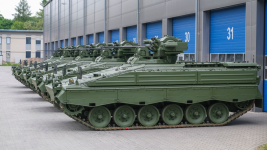
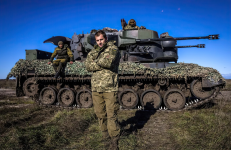
And crucially, the leaked report says many of the weapons Germany has given to Ukraine, like the Marder infantry fighting vehicle and the Gepard anti-aircraft tank, have been very effective indeed.
There have also been reports that the intensity of combat in Ukraine means some systems, like the PzH 2000, have been pushed beyond their design limits.
The PzH was intended to fire up to 100 rounds a day, but in Ukraine, that's regularly being exceeded, increasing wear and tear on the systems.
Germany has established dedicated repair facilities in countries like Lithuania, and both Rheinmetall and KNDS, the makers of the Leopard, have now set up workshops inside Ukraine itself.
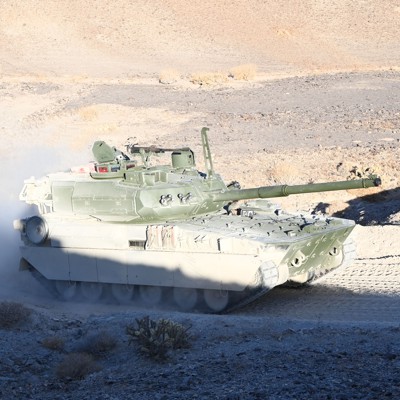
While the headlines don't paint a flattering picture of the Leopard 2, it's still among the best tanks in the world.
And critically, it's provided huge survivability for the crews using it.
What the conflict in Ukraine has done is shift the dial, with forces looking increasingly at sustainability, not just firepower.
While this report says "hardly any German heavy equipment is suitable for war", it's a conclusion that many Russian soldiers at the receiving end of a Leopard 2 may well take issue with.