

You are using an out of date browser. It may not display this or other websites correctly.
You should upgrade or use an alternative browser.
You should upgrade or use an alternative browser.
Guns or Drones or Both?
- Thread starter Kirkhill
- Start date
Some details have come out about Hedgehog 2025 held last May in Estonia.
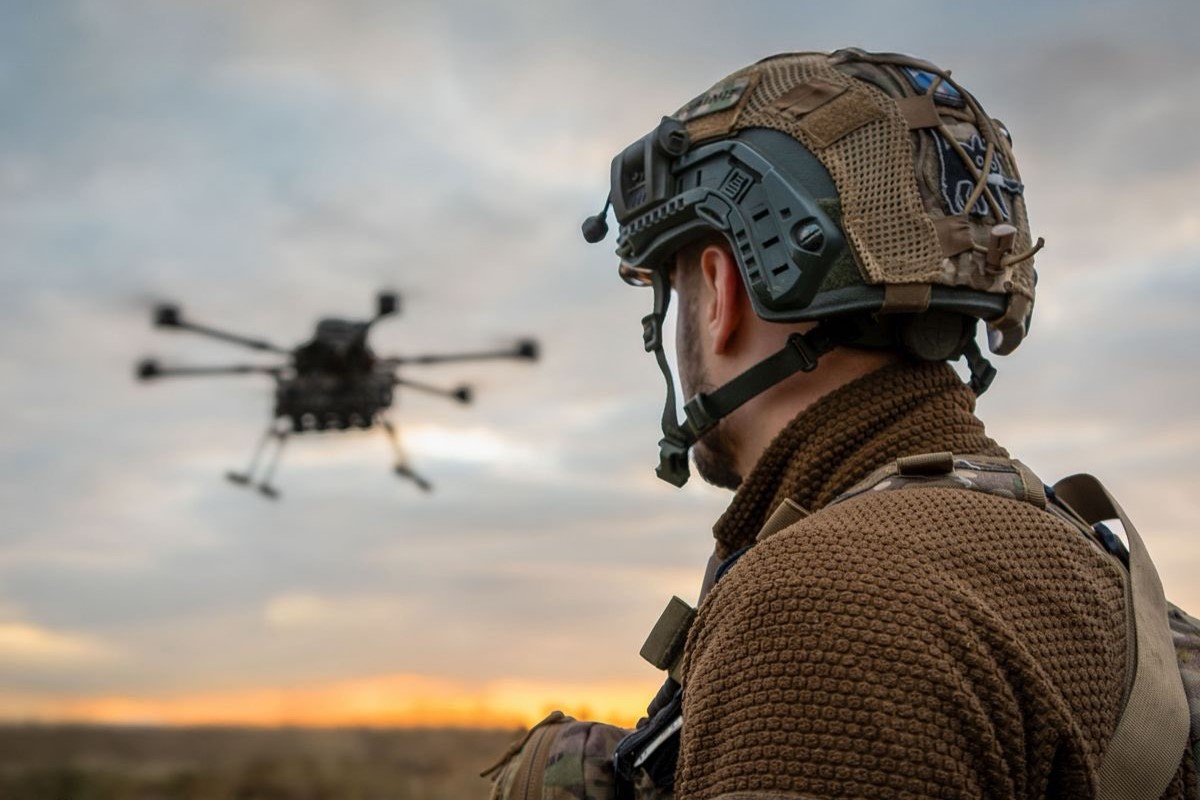
“We are f—”: 10 Ukrainians with drones wipe out two NATO battalions in war game - Euromaidan Press
Ukrainian drone team wiped out two NATO battalions in a day during Estonia's Hedgehog 2025 exercise, exposing the alliance's drone warfare gap.euromaidanpress.com
This sounds like the army version of when F-22 Raptors get killed during exercsises. It's a purposely handicapped exercise. Yes, there's a lot to learn about drone use at the tactical level. But also, Ukraine is not how near-peer war with NATO would happen.

- Reaction score
- 7,060
- Points
- 1,160
While that may be true it also may indicate that there are a number of fieldcraft lessons regarding dispersion, deception and camouflage that need to be (re)learned. It also probably indicates how woefully NATO armies are behind in deployed EW (both offensive and defensive), C-UAS and AD capabilities in relation to the modern battlefield.This sounds like the army version of when F-22 Raptors get killed during exercsises. It's a purposely handicapped exercise. Yes, there's a lot to learn about drone use at the tactical level. But also, Ukraine is not how near-peer war with NATO would happen.

- Reaction score
- 10,676
- Points
- 1,260
It also likely reflects a lot of "trainingitis" in Western nations. We know what we should be doing, but since it's just an exercise, we will do what is convenient.While that may be true it also may indicate that there are a number of fieldcraft lessons regarding dispersion, deception and camouflage that need to be (re)learned. It also probably indicates how woefully NATO armies are behind in deployed EW (both offensive and defensive), C-UAS and AD capabilities in relation to the modern battlefield.
The real danger comes in when trainingitis hits during real events... Like when PRO's attack teams didn't use AFFF because they did so many repetitive(and dull/pointless) fire exercises where the wand wasn't dipped in the AFFF that when the real thing happened people did exactly as they had been trained.

- Reaction score
- 13,985
- Points
- 1,160
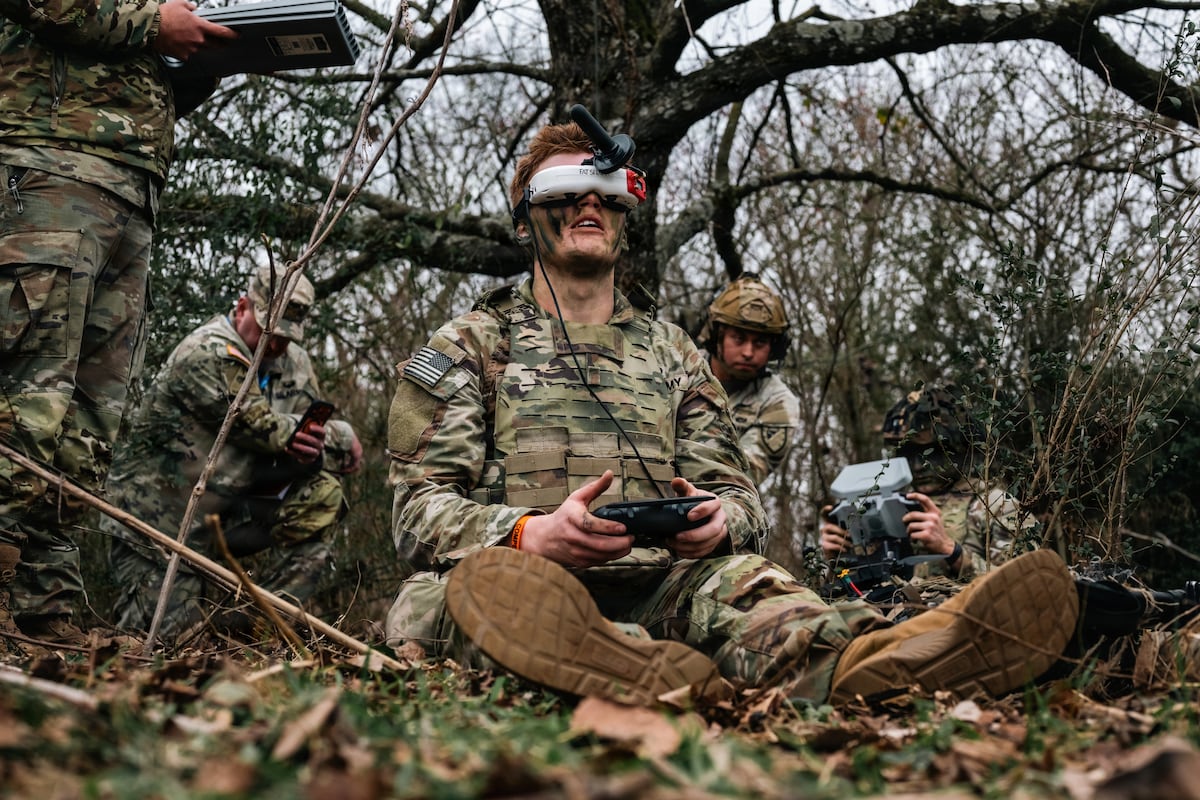
Drones ‘change everything’ about combined arms combat, US Army aviation chief says
The commanding general of the U.S. Army Aviation Center of Excellence discusses the impact of unmanned systems on U.S. Army aviation and combined arms.
 www.militarytimes.com
“We would be fools not to pay attention and not to take a lot of lessons from them, which we’re doing, but we can’t take the wrong lessons,” Gill said. “Just because it didn’t work in Russia-Ukraine doesn’t mean it might not work for us.”

HavokFour
Army.ca Veteran
- Reaction score
- 4,458
- Points
- 1,040
Now here's an interesting dilemma. A lot of the drones sent to Ukraine from the West are often obsolete compared to what gets made in-country by the time it gets there. Traditional supply lines and R&D in the West still hasn't reached the speed necessary for how quickly the technology is evolving.
Ukraine ends up scrapping a lot for parts.

 www.ft.com
Archive
www.ft.com
Archive
Ukraine ends up scrapping a lot for parts.
Can drones be stockpiled? Europe wrestles with weapons dilemma
Finland struggles to replicate cold war-era artillery depots for high-tech weaponry that rapidly turns obsolete
www.ft.com

- Reaction score
- 25,104
- Points
- 1,010
Stockpile parts (rotor blades, batteries, electric motors, chassis parts, droppable munitions). Those don’t go obsolete very quickly. Update your assembly plans weekly/monthly.Now here's an interesting dilemma. A lot of the drones sent to Ukraine from the West are often obsolete compared to what gets made in-country by the time it gets there. Traditional supply lines and R&D in the West still hasn't reached the speed necessary for how quickly the technology is evolving.
Ukraine ends up scrapping a lot for parts.
ArchiveCan drones be stockpiled? Europe wrestles with weapons dilemma
Finland struggles to replicate cold war-era artillery depots for high-tech weaponry that rapidly turns obsolete
- Reaction score
- 7,060
- Points
- 1,160
Also set common standards for things like connectors, mounting points for various components, etc. Allows for multiple suppliers to provide different components rather than relying on a single OEM to provide a final product.Stockpile parts (rotor blades, batteries, electric motors, chassis parts, droppable munitions). Those don’t go obsolete very quickly. Update your assembly plans weekly/monthly.
HavokFour
Army.ca Veteran
- Reaction score
- 4,458
- Points
- 1,040
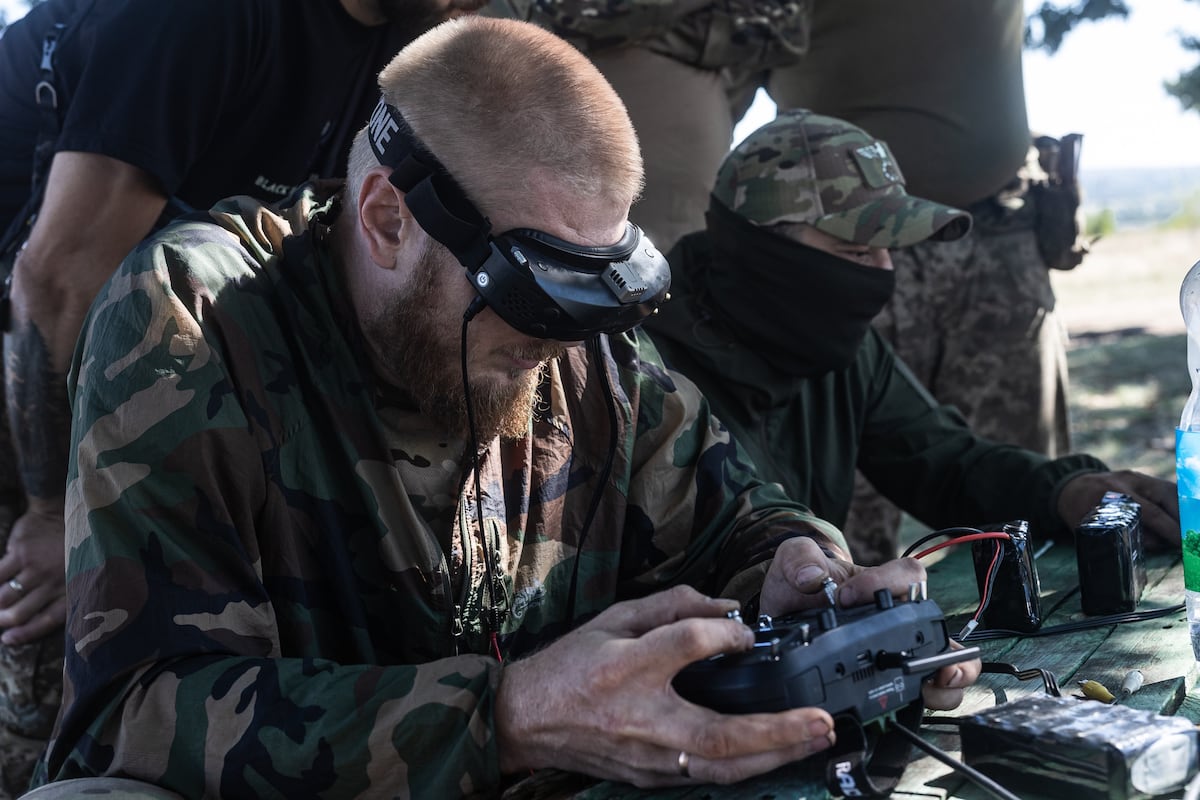
Ukraine's treasure trove of battlefield AI data is being made available to allies. Exactly the kind of thing our newly announced Drone Innovation Hub that the NRC is creating should have access to.
 www.defensenews.com
Ukraine opens battlefield AI data to allies in world-first move
Ukraine is giving international partners and defense companies access to its trove of real combat data to train AI models for autonomous drone systems.
www.defensenews.com
HavokFour
Army.ca Veteran
- Reaction score
- 4,458
- Points
- 1,040
Some details have come out about Hedgehog 2025 held last May in Estonia.
“We are f—”: 10 Ukrainians with drones wipe out two NATO battalions in war game - Euromaidan Press
Ukrainian drone team wiped out two NATO battalions in a day during Estonia's Hedgehog 2025 exercise, exposing the alliance's drone warfare gap.
And again. Ukraine is definitely showing some major gaps the west has when it comes to this inexpensive drone age.
Under the exercise rules, the winner was the first to successfully launch an attack on enemy ships. During a simulated strike on a convoy, the "Red" team achieved enough hits on a NATO frigate that it would have been destroyed in actual combat.
“The problem was not that they could not stop us—they did not even see our weapons,” a source told the newspaper.
During the maneuvers, Ukraine demonstrated several versions of its MAGURA V7 maritime drone. One model featured reconnaissance equipment and an explosive charge, while another was equipped with a machine gun.
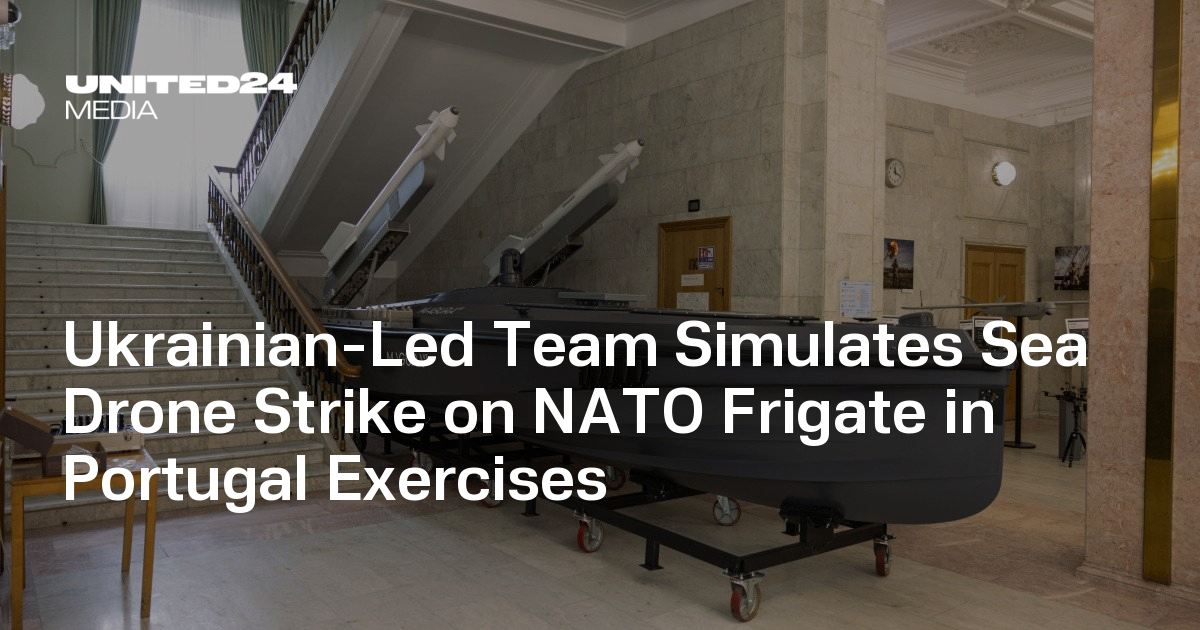
Ukrainian-Led Team Simulates Sea Drone Strike on NATO Frigate in Portugal Exercises
Ukraine-led Red force in REPMUS/Dynamic Messenger 2025 used Magura drones to breach NATO convoy defense, showing gaps in maritime detection.
 united24media.com
HavokFour
Army.ca Veteran
- Reaction score
- 4,458
- Points
- 1,040
Lucky it didn't wash up on the Russian part of the Black Sea coast.

 news.az
U.S.‑made AEGIR‑W military sea drone found near Ordu, Türkiye - VIDEO | News.az
The AEGIR‑W is an unmanned naval drone built by Sierra Nevada Corporation. It is designed for long‑range maritime missions and can carry up to abo...
news.az

- Reaction score
- 19,188
- Points
- 1,160
FPV drones take out 2x Ka-52
HavokFour
Army.ca Veteran
- Reaction score
- 4,458
- Points
- 1,040
FPV drones take out 2x Ka-52
~$5000 worth of FPVs is a mighty fine trade for $32 million worth of attack helicopters.
Last edited:
- Reaction score
- 19,188
- Points
- 1,160

- Reaction score
- 19,188
- Points
- 1,160
Downside of unmanned systems
A high-tech maritime mystery washed ashore on the Turkish coast this weekend as civilians discovered a sophisticated, U.S.-made AEGIR-W Unmanned Surface Vessel (USV) near the city of Ordu. The discovery, made on March 21, 2026, has sent ripples through regional defense circles, providing a rare look at advanced American autonomous hardware currently operating in the increasingly contested Black Sea theater.
The vessel, identified by experts as a product of the U.S.-based Sierra Nevada Corporation (SNC), was found largely intact on the beach. Local authorities immediately secured the area, and specialized teams from the Turkish Underwater Defense (SAS) were dispatched to inspect the drone for potential explosive payloads before its scheduled destruction.
The AEGIR-W is not a standard recreational craft; it is a military-grade tool designed for high-stakes maritime operations.
 Specifications: The vessel is approximately 10 meters long and is capable of reaching speeds exceeding 25 knots.
Endurance: It boasts a staggering operational range of up to 900 kilometers, allowing it to transit nearly the entire width of the Black Sea autonomously.
Modular Payload: The drone can carry roughly 300 kg of specialized equipment, which can include electronic warfare (EW) suites, reconnaissance sensors, or offensive strike warheads.
The Ukraine Connection: Defense analysts from Defense Express suggest the drone may have been involved in ongoing operational testing or combat missions related to the war in Ukraine. While its presence in Ukrainian service has not been officially confirmed, the Black Sea has become a primary "live-fire lab" for such American autonomous systems.
This discovery is the latest in a series of incidents where the technology of the Russo-Ukrainian conflict has drifted into Turkish waters, testing the neutrality and security of the NATO member.
Washing Ashore: Since the beginning of the year, several drones have been recovered along the Turkish coast. In February, a Russian-made Geran-2 (based on the Iranian Shahed design) was found off Istanbul, and earlier in March, a suspected Russian reconnaissance UAV was inspected in the Ordu province.
Navigational Hazards: The drift of these systems, some potentially armed with "fail-safe" explosives, poses a persistent threat to commercial shipping and local fishing fleets.
Turkey's Stance: Ankara has repeatedly warned both Moscow and Kyiv to exercise greater caution to prevent the "spillover" of maritime warfare into Turkey’s Exclusive Economic Zone (EEZ).
The recovery of an AEGIR-W is particularly sensitive because it represents current-generation U.S. "Export-Ready" technology.
Industrial Competition: If the U.S. is testing systems like the AEGIR-W in the Black Sea, it is likely using the environment to refine the drone into a direct competitor for established platforms like Ukraine's Magura V5 on the global arms market.
A high-tech maritime mystery washed ashore on the Turkish coast this weekend as civilians discovered a sophisticated, U.S.-made AEGIR-W Unmanned Surface Vessel (USV) near the city of Ordu. The discovery, made on March 21, 2026, has sent ripples through regional defense circles, providing a rare look at advanced American autonomous hardware currently operating in the increasingly contested Black Sea theater.
The vessel, identified by experts as a product of the U.S.-based Sierra Nevada Corporation (SNC), was found largely intact on the beach. Local authorities immediately secured the area, and specialized teams from the Turkish Underwater Defense (SAS) were dispatched to inspect the drone for potential explosive payloads before its scheduled destruction.
The AEGIR-W is not a standard recreational craft; it is a military-grade tool designed for high-stakes maritime operations.
Specifications: The vessel is approximately 10 meters long and is capable of reaching speeds exceeding 25 knots. Endurance: It boasts a staggering operational range of up to 900 kilometers, allowing it to transit nearly the entire width of the Black Sea autonomously. Modular Payload: The drone can carry roughly 300 kg of specialized equipment, which can include electronic warfare (EW) suites, reconnaissance sensors, or offensive strike warheads. The Ukraine Connection: Defense analysts from Defense Express suggest the drone may have been involved in ongoing operational testing or combat missions related to the war in Ukraine. While its presence in Ukrainian service has not been officially confirmed, the Black Sea has become a primary "live-fire lab" for such American autonomous systems.This discovery is the latest in a series of incidents where the technology of the Russo-Ukrainian conflict has drifted into Turkish waters, testing the neutrality and security of the NATO member.
Washing Ashore: Since the beginning of the year, several drones have been recovered along the Turkish coast. In February, a Russian-made Geran-2 (based on the Iranian Shahed design) was found off Istanbul, and earlier in March, a suspected Russian reconnaissance UAV was inspected in the Ordu province. Navigational Hazards: The drift of these systems, some potentially armed with "fail-safe" explosives, poses a persistent threat to commercial shipping and local fishing fleets. Turkey's Stance: Ankara has repeatedly warned both Moscow and Kyiv to exercise greater caution to prevent the "spillover" of maritime warfare into Turkey’s Exclusive Economic Zone (EEZ).The recovery of an AEGIR-W is particularly sensitive because it represents current-generation U.S. "Export-Ready" technology.
Industrial Competition: If the U.S. is testing systems like the AEGIR-W in the Black Sea, it is likely using the environment to refine the drone into a direct competitor for established platforms like Ukraine's Magura V5 on the global arms market.
- Reaction score
- 13,985
- Points
- 1,160
Downside of unmanned systems
A high-tech maritime mystery washed ashore on the Turkish coast this weekend as civilians discovered a sophisticated, U.S.-made AEGIR-W Unmanned Surface Vessel (USV) near the city of Ordu. The discovery, made on March 21, 2026, has sent ripples through regional defense circles, providing a rare look at advanced American autonomous hardware currently operating in the increasingly contested Black Sea theater.
The vessel, identified by experts as a product of the U.S.-based Sierra Nevada Corporation (SNC), was found largely intact on the beach. Local authorities immediately secured the area, and specialized teams from the Turkish Underwater Defense (SAS) were dispatched to inspect the drone for potential explosive payloads before its scheduled destruction.
The AEGIR-W is not a standard recreational craft; it is a military-grade tool designed for high-stakes maritime operations.
This discovery is the latest in a series of incidents where the technology of the Russo-Ukrainian conflict has drifted into Turkish waters, testing the neutrality and security of the NATO member.
The recovery of an AEGIR-W is particularly sensitive because it represents current-generation U.S. "Export-Ready" technology.
The USN has a Rear Admiral overseeing Task Force 66, aka The Black Sea Battle Lab.
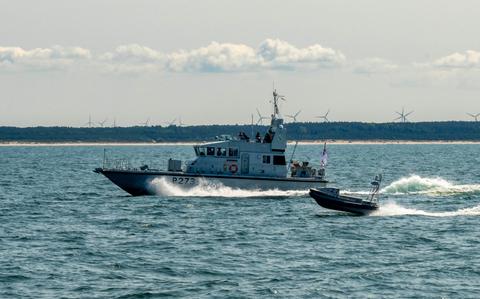
Black Sea combat actions by Ukraine offer trove of insights for Navy and NATO, leading admiral says
Ukraine’s Black Sea operations against Russia are shaping U.S. Navy and NATO thinking on the future of drones, mines and missile tactics in global maritime warfare.
- Reaction score
- 13,985
- Points
- 1,160
One of the toys.
25 knot cruise
900-1200 NM range
80 to 100 kt burst speed
4000 lb (2 ton) payload

 bluezonegroup.com.au
25 knot cruise
900-1200 NM range
80 to 100 kt burst speed
4000 lb (2 ton) payload
Devil Ray T38 - BlueZone Group
The Devil Ray T38 is a medium USV system based on a high-performance dual sponson platform that has multiple world records for manned speed and stability.
bluezonegroup.com.au
HavokFour
Army.ca Veteran
- Reaction score
- 4,458
- Points
- 1,040
Reverse engineered copy of a Russian fixed wing FPV.
80km range.
The original Russian design costs $300-800.
Both are mostly plywood.
Fixed wing FPVs can carry a much bigger payload than their quadcopter cousins.
80km range.
The original Russian design costs $300-800.
Both are mostly plywood.
Fixed wing FPVs can carry a much bigger payload than their quadcopter cousins.
- Reaction score
- 13,985
- Points
- 1,160
Downside of unmanned systems
A high-tech maritime mystery washed ashore on the Turkish coast this weekend as civilians discovered a sophisticated, U.S.-made AEGIR-W Unmanned Surface Vessel (USV) near the city of Ordu. The discovery, made on March 21, 2026, has sent ripples through regional defense circles, providing a rare look at advanced American autonomous hardware currently operating in the increasingly contested Black Sea theater.
The vessel, identified by experts as a product of the U.S.-based Sierra Nevada Corporation (SNC), was found largely intact on the beach. Local authorities immediately secured the area, and specialized teams from the Turkish Underwater Defense (SAS) were dispatched to inspect the drone for potential explosive payloads before its scheduled destruction.
The AEGIR-W is not a standard recreational craft; it is a military-grade tool designed for high-stakes maritime operations.
This discovery is the latest in a series of incidents where the technology of the Russo-Ukrainian conflict has drifted into Turkish waters, testing the neutrality and security of the NATO member.
The recovery of an AEGIR-W is particularly sensitive because it represents current-generation U.S. "Export-Ready" technology.
You mean unmanned things like this?

That sat on the beach front in Ayr when I was growing up. I think a lot of the beaches had them. It was a charity box, like the Sally Ann's kettle.

- Reaction score
- 13,985
- Points
- 1,160
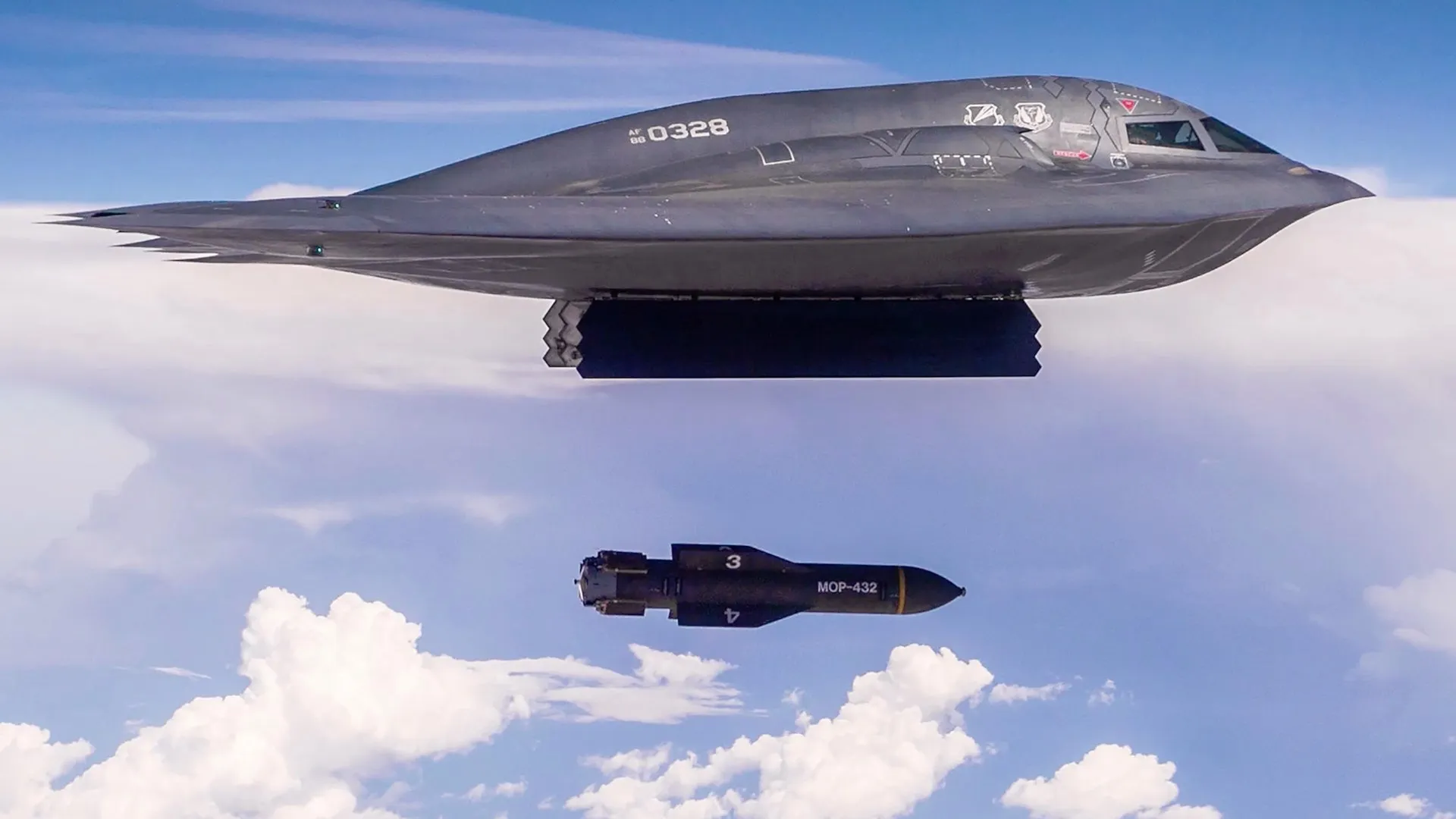
"The office of the Director of Operational Test and Evaluation released its annual report this month, looking at 18 major Air Force programs in various stages of testing. Of those 18, four are for munitions."
 www.airandspaceforces.com
"One such weapon made major headlines in 2025: the Guided Bomb Unit-57 Massive Ordnance Penetrator. The Air Force dropped 14 GBU-57s in Operation Midnight Hammer in June 2025 when it struck Iranian underground nuclear facilities."
Does that qualify as operational testing?
...
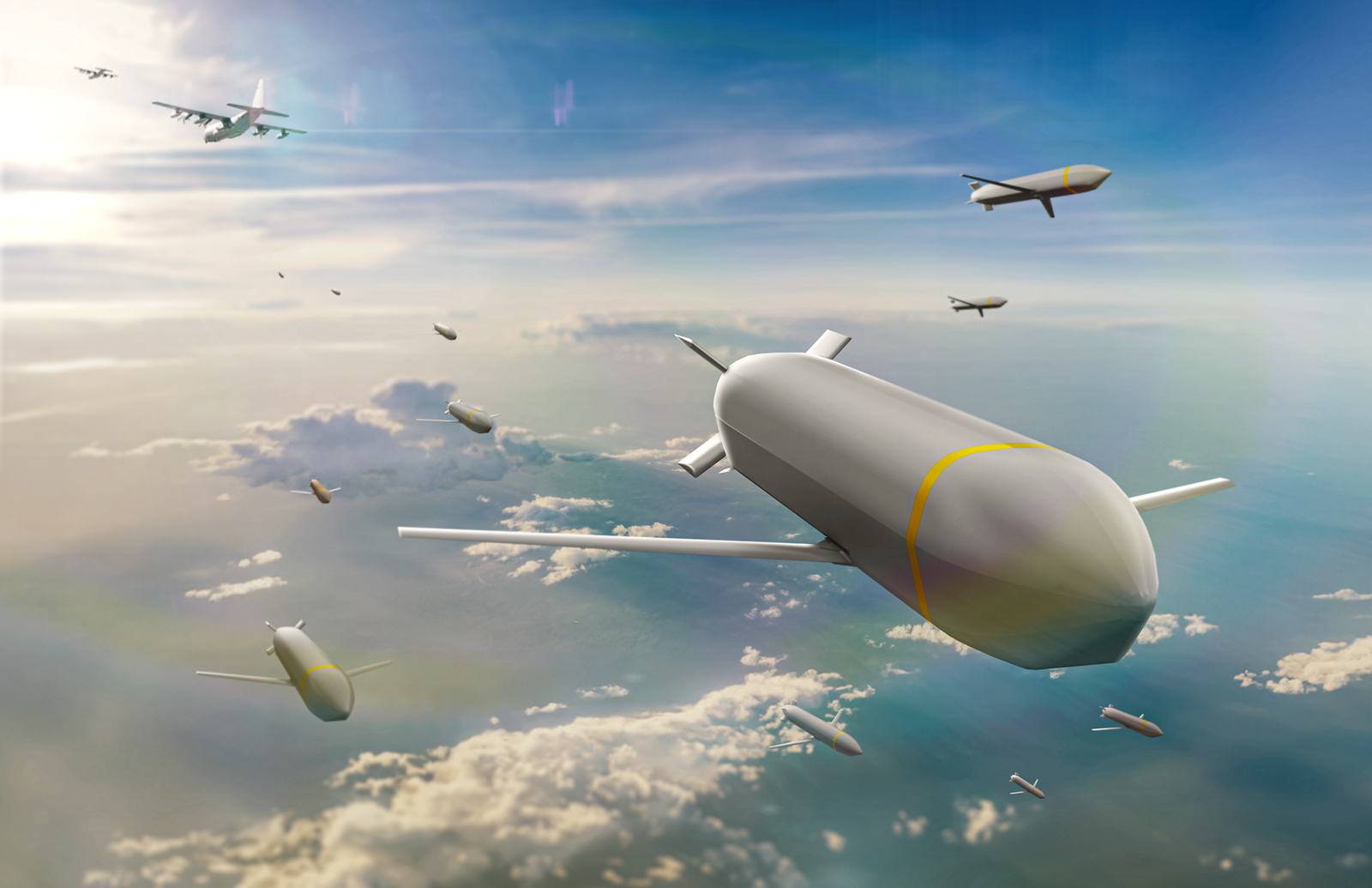
Regardless the common link is Dollars, Dollars, Dollars. And more mass.
 www.airandspaceforces.com
 www.airandspaceforces.com
The Air Force is still having difficulty accept the value of the least exquisite solution, it seems.
Testing Shows Progress on Key Air Force Missiles and Bombs | Air & Space Forces Magazine
Four key Air Force munitions have met testing goals that extend range, improve networking, and enable production decisions for hypersonic missiles.
www.airandspaceforces.com
"One such weapon made major headlines in 2025: the Guided Bomb Unit-57 Massive Ordnance Penetrator. The Air Force dropped 14 GBU-57s in Operation Midnight Hammer in June 2025 when it struck Iranian underground nuclear facilities."
Does that qualify as operational testing?
...
Regardless the common link is Dollars, Dollars, Dollars. And more mass.
Air Force Going Fast to Develop ‘New Class’ of Low-Cost Munitions
Brig. Gen. Robert P. Lyons III, a top weapons acquisition official, said the Air Force is developing a “new class of low-cost munitions.”
www.airandspaceforces.com
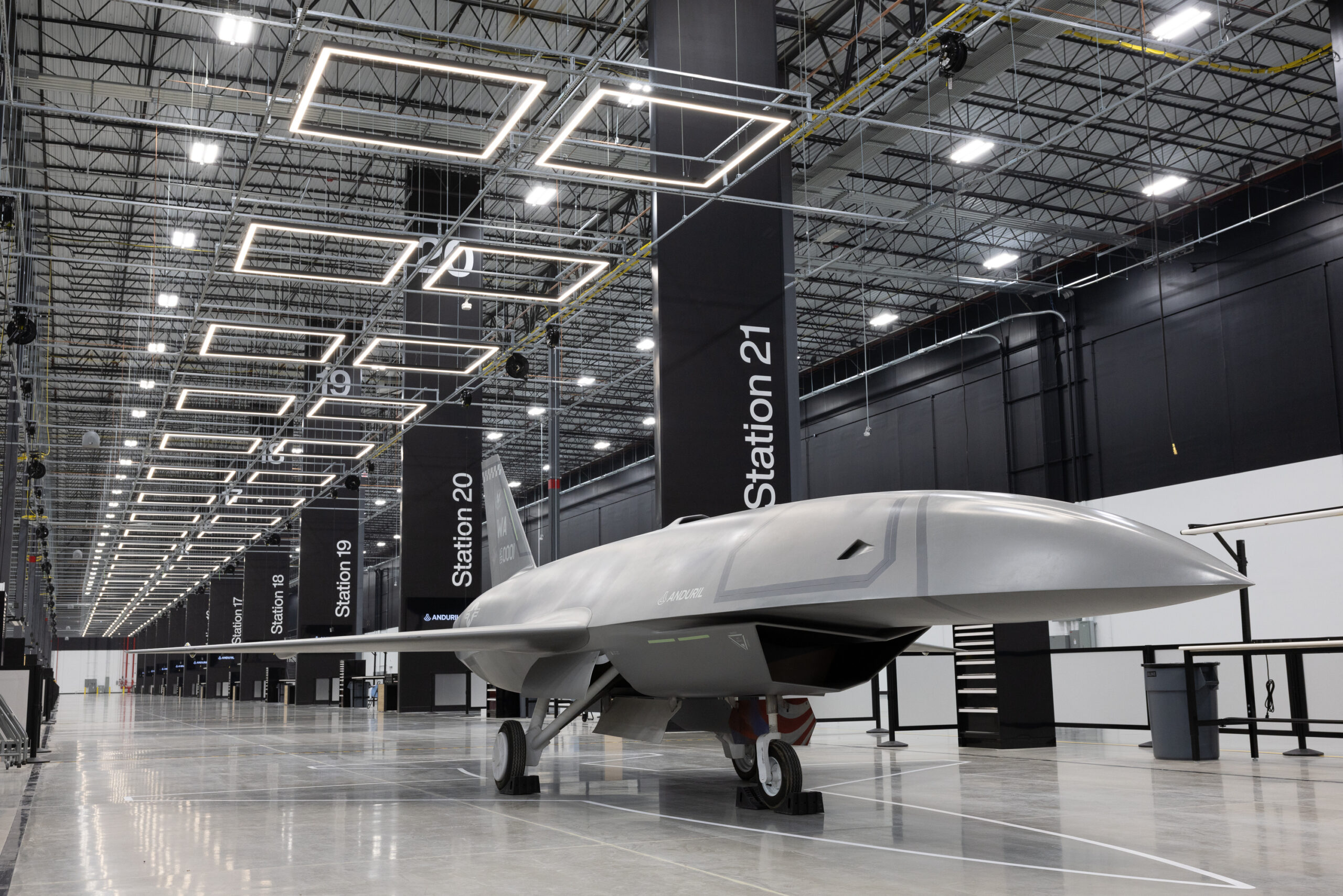
Air Force Officials Say They’re Beating Cost Goal for CCA Drones
The Air Force’s Collaborative Combat Aircraft (CCA) program is beating its goal of producing drone wingmen at one-third the cost of an F-35.
www.airandspaceforces.com
The Air Force is still having difficulty accept the value of the least exquisite solution, it seems.
Similar threads

- Replies
- 1
- Views
- 975


- Replies
- 26
- Views
- 7K
