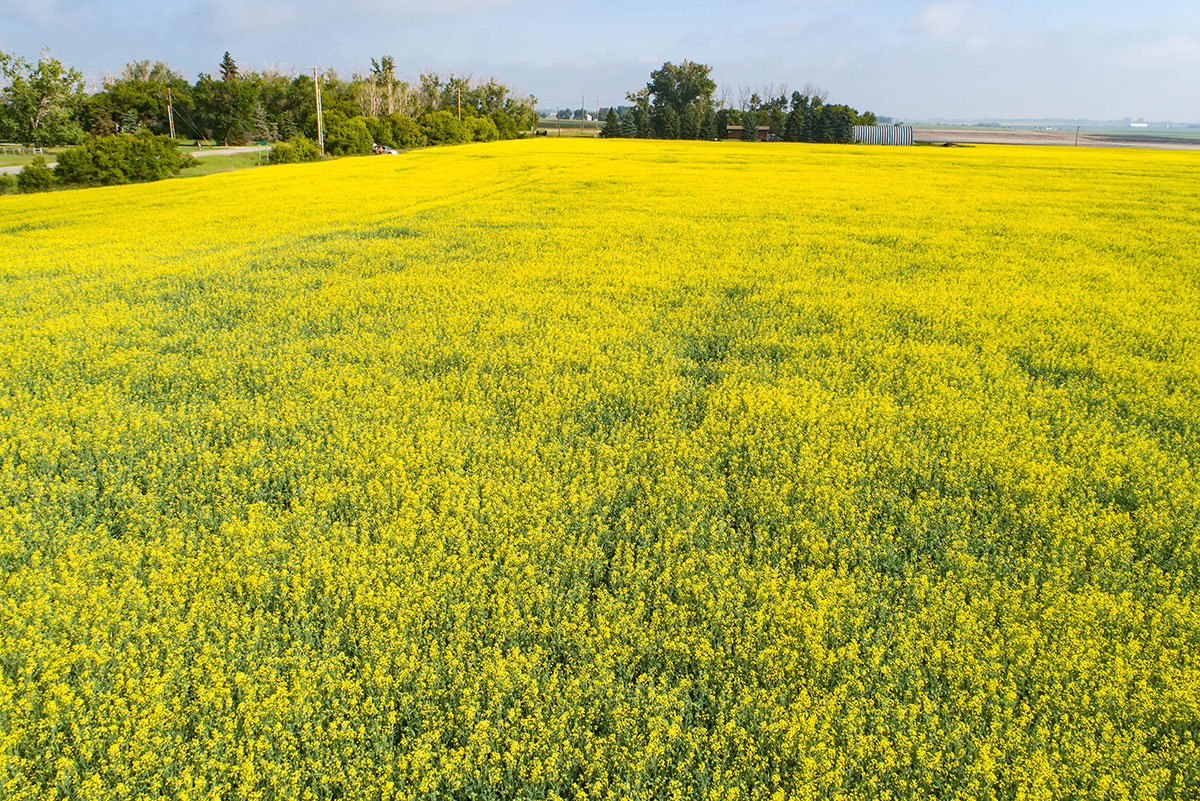
As for high prices for fertilizer, I wonder some shifts in how fields are managed might be in order. Put a field into a cycle with a crop that requires minimal or no fertilizer and then raze it to add nutrients more naturally. Smaller yields, but perhaps more resilient?
My roomie & I have a backyard garden.
We grow everything from carrots, to potatoes, to tomatoes, to beats (beets?), to turnip, parsley, spinach, onions,etc.
We even have a few rhubarb plants on the go.
...
Last year, we probably pulled about 1000 tomatoes (various sizes) and about 320+-ish giant potatoes (and countless little guys)
No idea how many beats, but we still have Borsche every few weeks so I guess we grew a lot of them too
For fertilizer, I guess we kind of make our own.
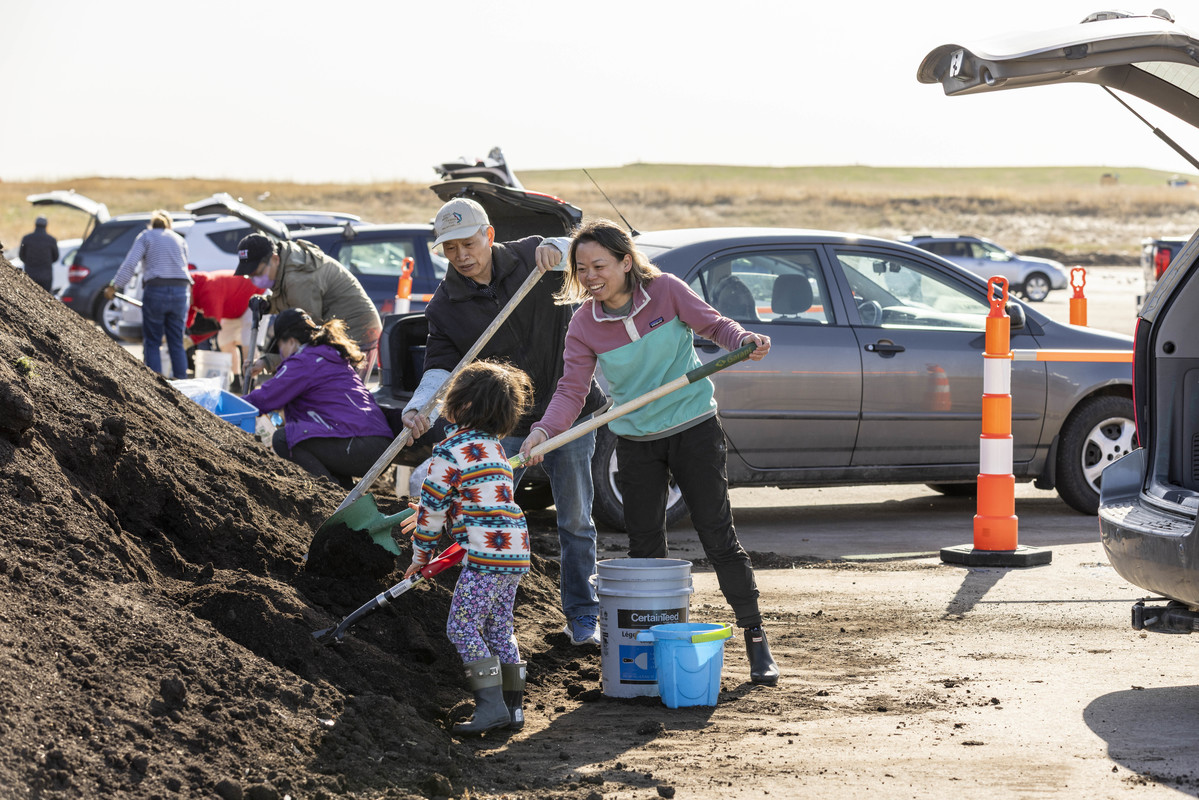
We just collect all of the organic food waste throughout the year + the grass clippings from mowing the lawn, and dump it in a back corner of our yard. (Plus our very own, proprietary trick)
It freezes during the winter, but come spring we have a ton of squishy, smelly, super potent, all organic fertilizer to help all our veggies grow
(It doesn't smell until we start digging into it to use, so we keep that hole we break on the surface as small as possible to keep the smell at a minimum)
...
It's a shame we don't have a better system in place here in Canada (although I have no idea how on Earth a different system could even be set up, really)
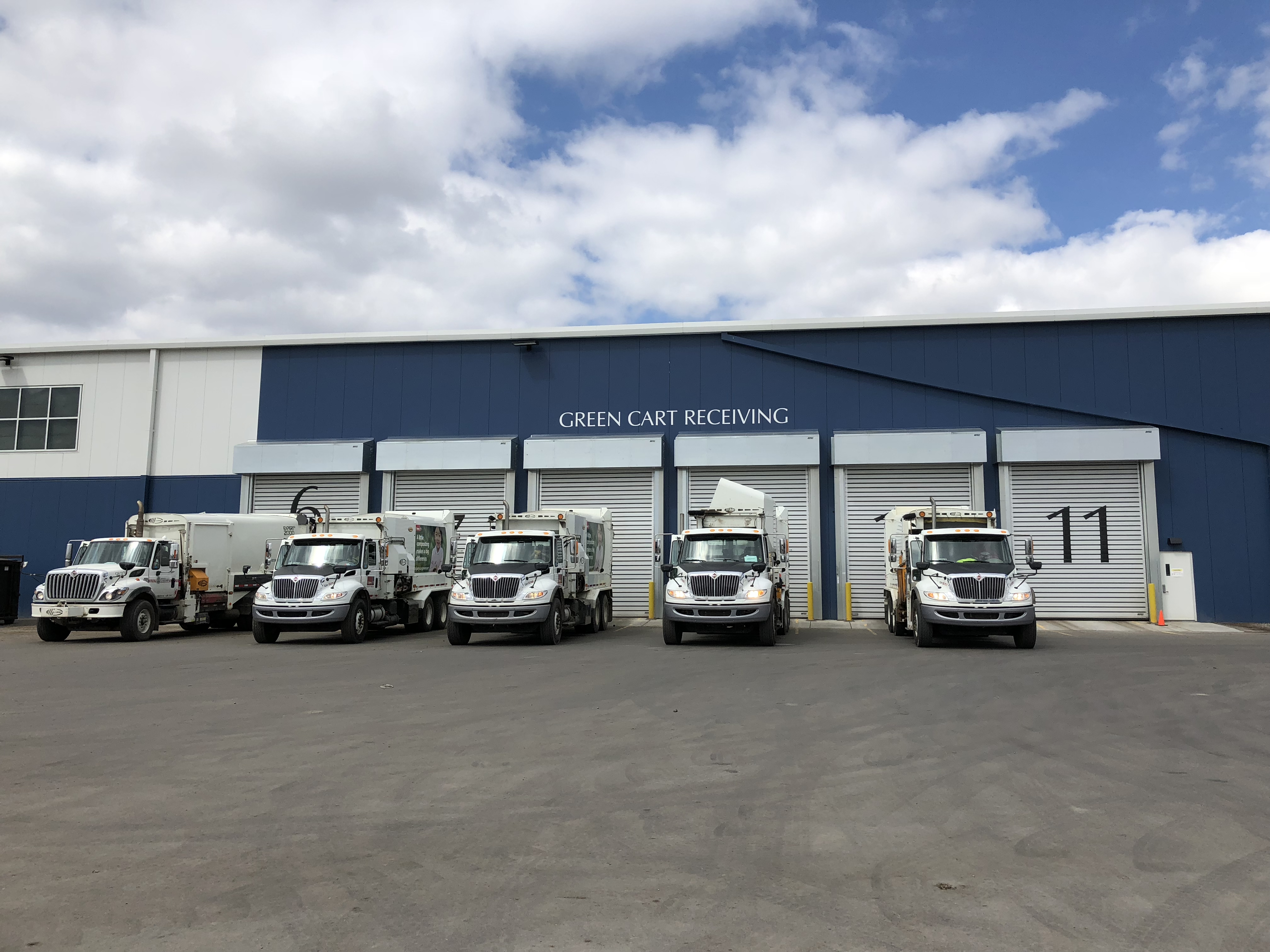
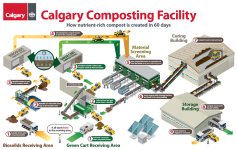
If there was a way to collect/consolidate the organic food waste from households & turn it into fertilizer, it could be sold to local farmers for cheaper than the commercial stuff.
EDIT - It's early & I'm tired. Disregard the above. I was thinking of compost...