- Reaction score
- 1,827
- Points
- 1,160
I asked my browsers AI this question:
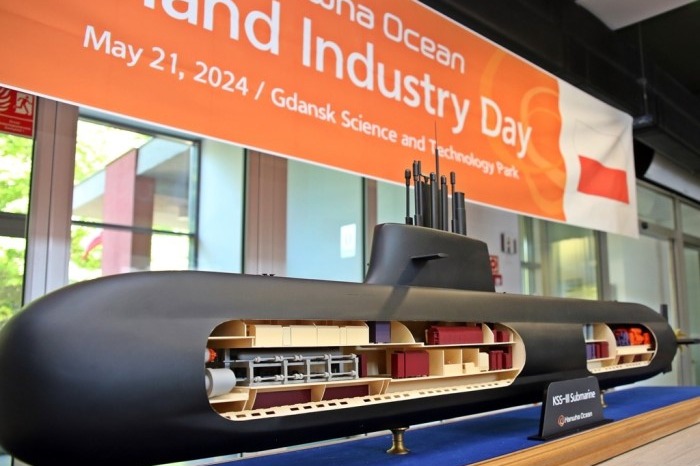
How does the Lithium-Ion batteries work on the South Korean KS-III submarines?
Answer: The South Korean KSS-III (Dosan Ahn Changho-class) Batch-II submarines use advanced lithium-ion (Li-ion) batteries developed by Samsung SDI to replace traditional lead-acid systems. These batteries work in tandem with a fuel-cell-based Air Independent Propulsion (AIP) system to provide exceptional underwater endurance and speed.
Key Operational Features
Performance Metrics
Configuration and Safety
And if you are wondering how the AIP system works, here is a good article on the subject and how different countries are utilizing different AIP technologies:
 euro-sd.com
How does the Lithium-Ion batteries work on the South Korean KS-III submarines?
Answer: The South Korean KSS-III (Dosan Ahn Changho-class) Batch-II submarines use advanced lithium-ion (Li-ion) batteries developed by Samsung SDI to replace traditional lead-acid systems. These batteries work in tandem with a fuel-cell-based Air Independent Propulsion (AIP) system to provide exceptional underwater endurance and speed.
Key Operational Features
- Enhanced Energy Storage: Lithium-ion batteries provide significantly higher energy density than lead-acid batteries, allowing the submarine to store more power in the same volume.
- Propulsion Synergy: The Li-ion batteries are used as the primary energy source for high-speed bursts and standard maneuvering. They are complemented by the Bumhan PEM fuel-cell AIP, which allows for extremely quiet, low-speed cruising and battery recharging while submerged.
- Fast Recharging: These batteries can be recharged much faster than lead-acid counterparts, reducing the time a submarine must spend "snorkeling" (running diesel engines near the surface), which is when it is most vulnerable to detection.
- Underwater Performance: The system enables the submarine to sustain maximum underwater speeds up to three times longer than lead-acid versions.
Performance Metrics
- Submerged Endurance: The KSS-III Batch-II can remain submerged for more than 21 days (three weeks) and has a total cruising range exceeding 7,000 nautical miles.
- Operational Longevity: The batteries offer a life cycle twice as long as lead-acid batteries and require significantly less maintenance due to their simplified mechanical and chemical requirements.
Configuration and Safety
- Distributed Array: The battery system is split into two major groups: approximately 100 strings located in the forward bottom of the hull and another 100 strings in the aft.
- Safety Engineering: Developed in collaboration with the Korea Electrotechnology Research Institute (KERI), the system includes a Battery Management System (BMS) to prevent thermal runaway and has been tested against extreme fire, salt water, and shock conditions.
And if you are wondering how the AIP system works, here is a good article on the subject and how different countries are utilizing different AIP technologies:
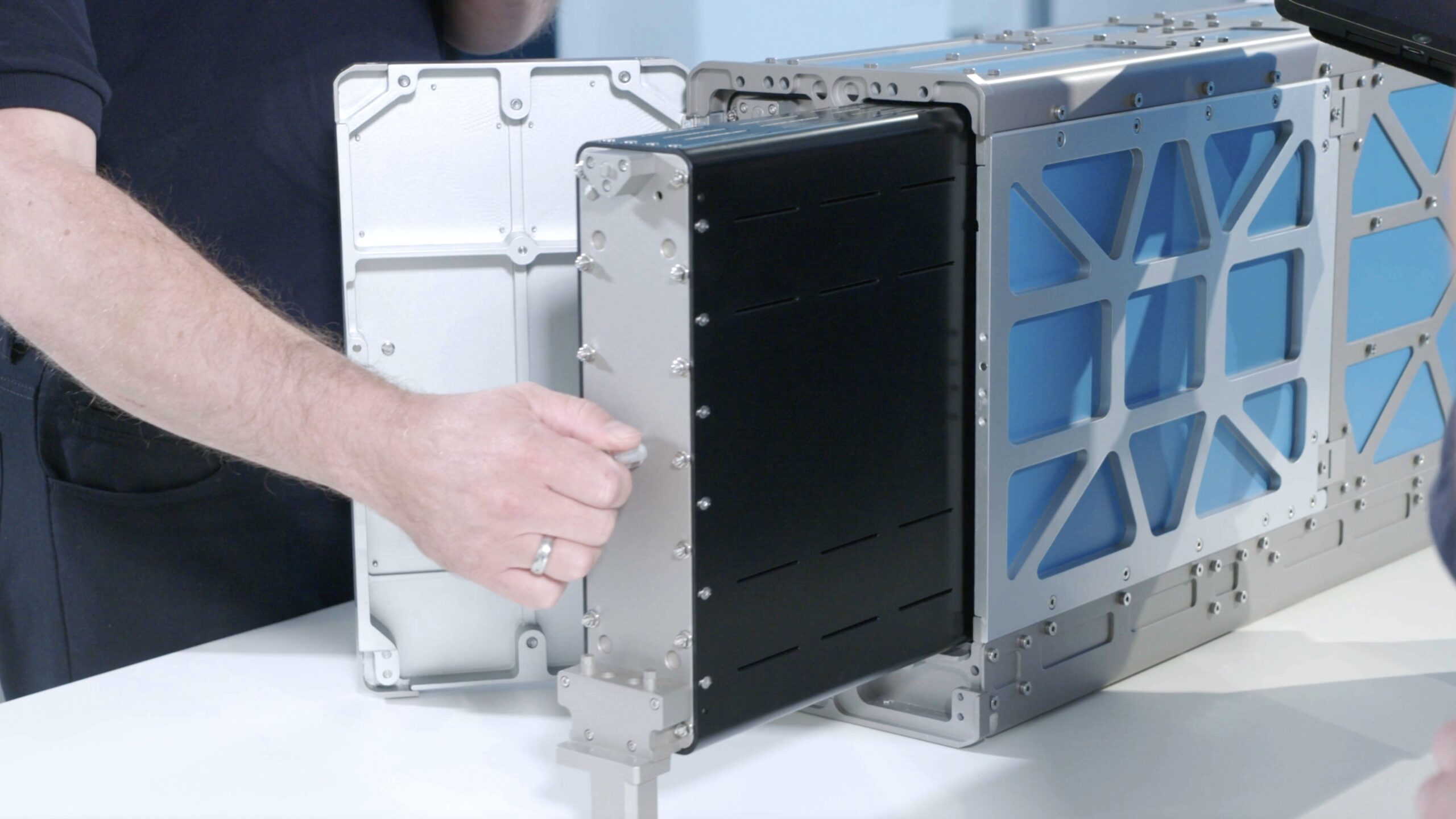
Developments in Lithium-ion Batteries and AIP Systems for Submarines
The latest developments in Lithium-ion battery (LIB) systems in the underwater domain have resulted in significant advantages for submarine operations compared to standard lead-acid batteries and have increased the number of new submarine procurement programmes.
euro-sd.com