• Thanks for stopping by. Logging in to a registered account will remove all generic ads. Please reach out with any questions or concerns.

RN Project Cabot and Atlantic Bastion


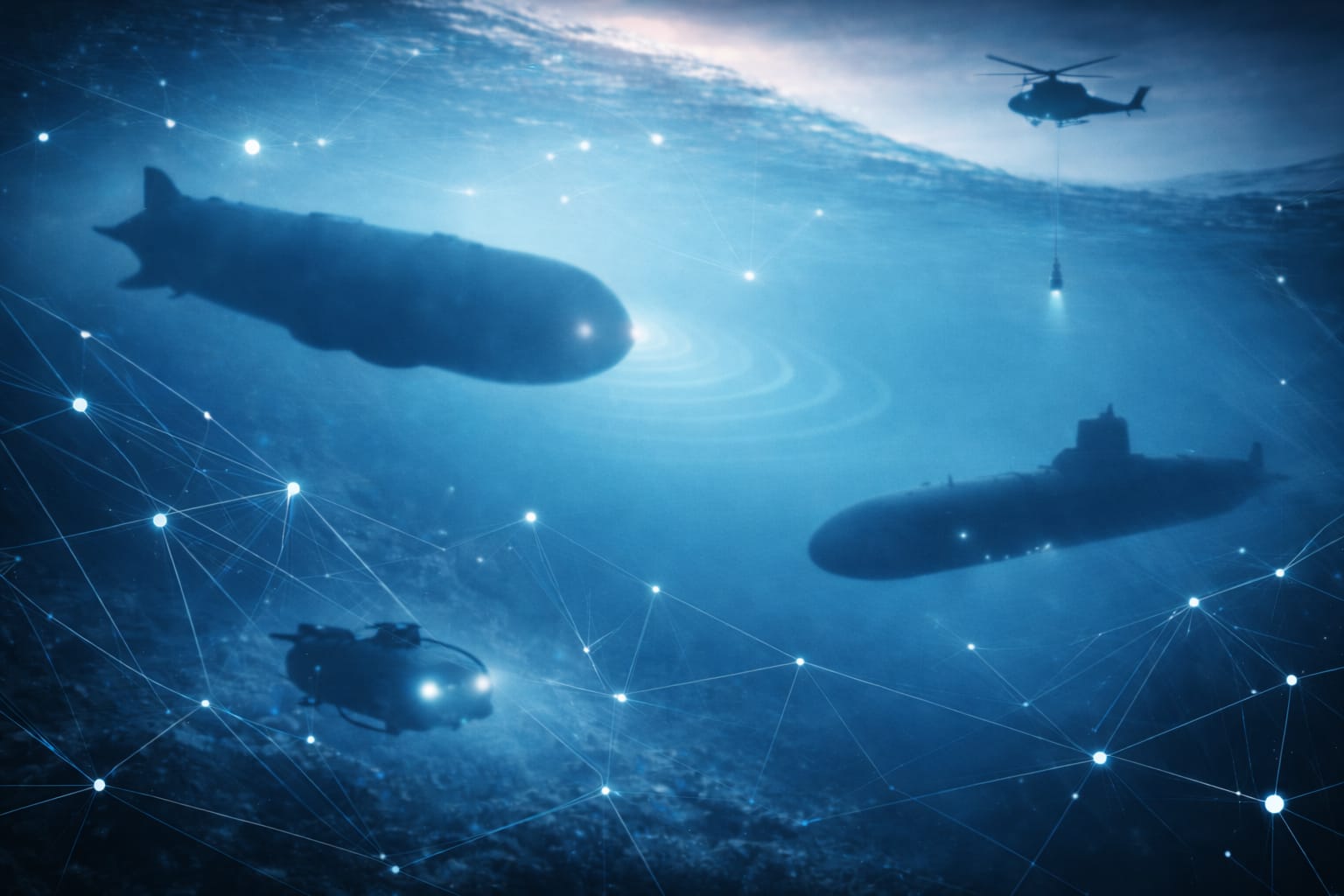
The undersea domain is one of the most strategically significant arenas in modern defence, long providing advantages in times of peace while also proving a decisive factor in times of war.​


....advances in artificial intelligence, data processing and quantum computing are likely to reshape the undersea battlespace through acceleration rather than disruption. For decades, navies have collected vast volumes of sonar and sensor data but lacked the computing power to exploit it fully. That is now changing. Machine processing is beginning to unlock that data at scale, while developments in compact computing architectures are pushing analytical capability closer to the tactical edge. The trajectory is therefore evolutionary, with autonomy representing the continuation of a long-term trend towards more capable, responsive and operationally effective undersea systems.
 
I am putting this here because I am starting to suspicion something other than a coincidental relation between Ukraine and the RN.


Type 31 Status

Current Project Status (As of early 2026):
  • HMS Venturer (Ship 1): The lead ship was launched (floated off) in June 2025 and is currently in the outfitting and systems integration phase at Rosyth.
  • HMS Active (Ship 2): In early 2026, the second ship emerged from the build hall and is undergoing fitting out.
  • HMS Formidable (Ship 3): Construction is underway, with the keel laid in December 2025.
  • HMS Bulldog (Ship 4): Steel was cut for the fourth vessel in early 2026.
  • HMS Campbeltown (Ship 5): The final ship of the class is planned for construction following the others.
The Type 31 frigate (Inspiration-class) has a targeted average production unit cost of £250 million (approx. $320–$336 million) to the UK MoD, with a total program cost of around £2 billion for five ships. The contract, awarded to Babcock in 2019, aims for a low-cost, general-purpose platform, though total costs per vessel may rise due to enhancements.

.....

Type 26 Status

UK Royal Navy Construction Status
  • HMS Glasgow (1): Currently undergoing final outfitting at the Scotstoun yard. The ship was formally named in May 2025 and is on track for a 2028 service entry.
  • HMS Cardiff (2): Joined HMS Glasgow in the dry dock for outfitting.
  • HMS Belfast (3) & HMS Birmingham (4): Construction and block assembly are progressing, with modules being assembled inside the new Janet Harvey Hall.
  • HMS Sheffield (5): Steel was cut in December 2024, marking the start of its construction.
  • HMS Newcastle, Edinburgh, & London (6–8): Long-lead procurement is underway, with production scheduled to continue through the mid-2030s.
The Type 26 frigate is a high-end, anti-submarine warship with costs varying by nation and batch. The UK's Batch 1 costs roughly £1.31 billion per unit, with Batch 2 averaging just under £1 billion per unit. International projects are costlier due to technology transfer, with Canada’s 15-ship program estimated near C$70-80 billion, and Norway planning to acquire 5 for £10 billion.

....

Upcoming Type 26 Milestones
  • 2028: Expected Initial Operating Capability for HMS Glasgow.
  • Mid-2030s: All eight Type 26 frigates expected to be complete.
  • 2029: Expected delivery of the first Norwegian Type 26.
....

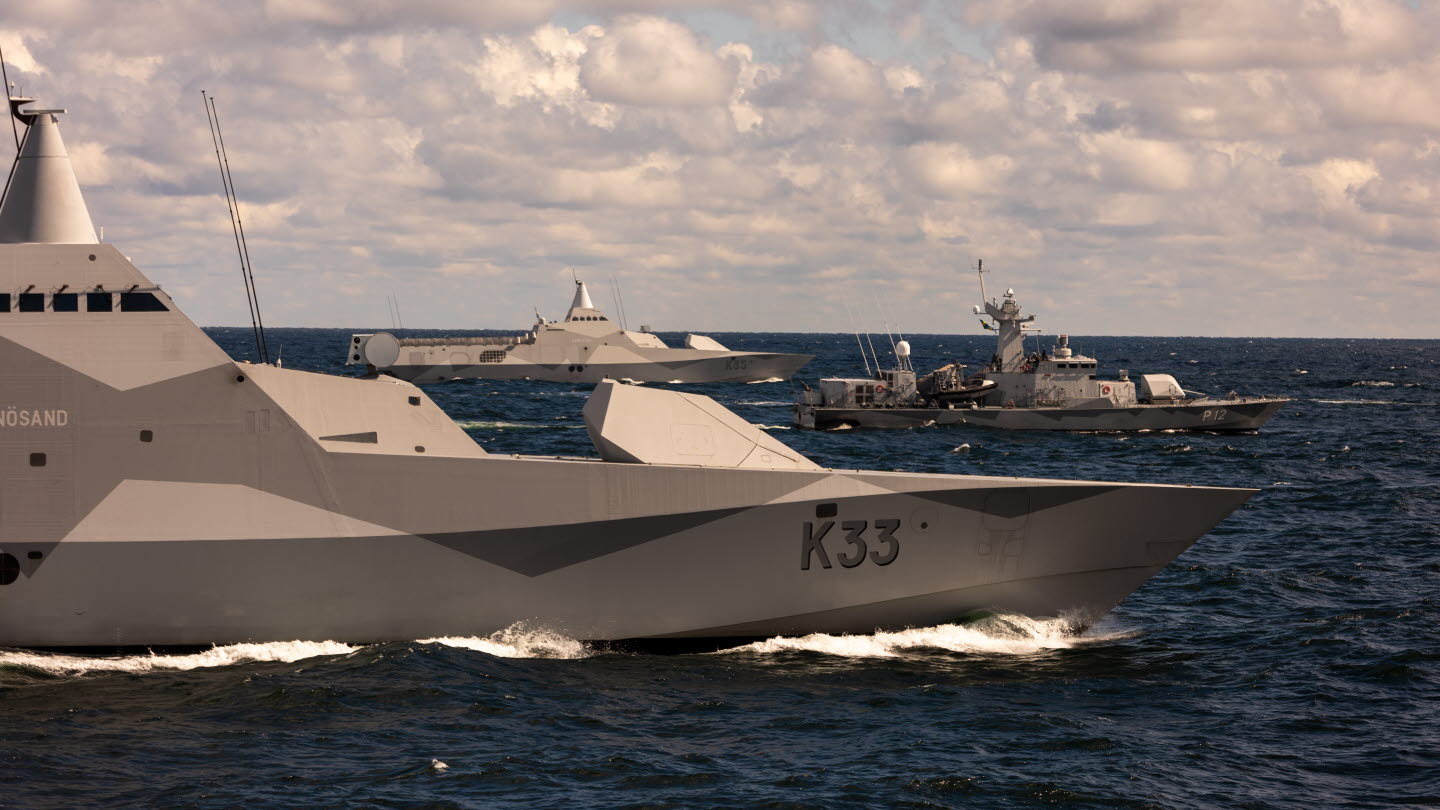
The Type 31 is a step up from the Rivers they will be replacing

I wonder if th RN is prioritzing the delvery of the Type 31s - more hulls faster for less.
 
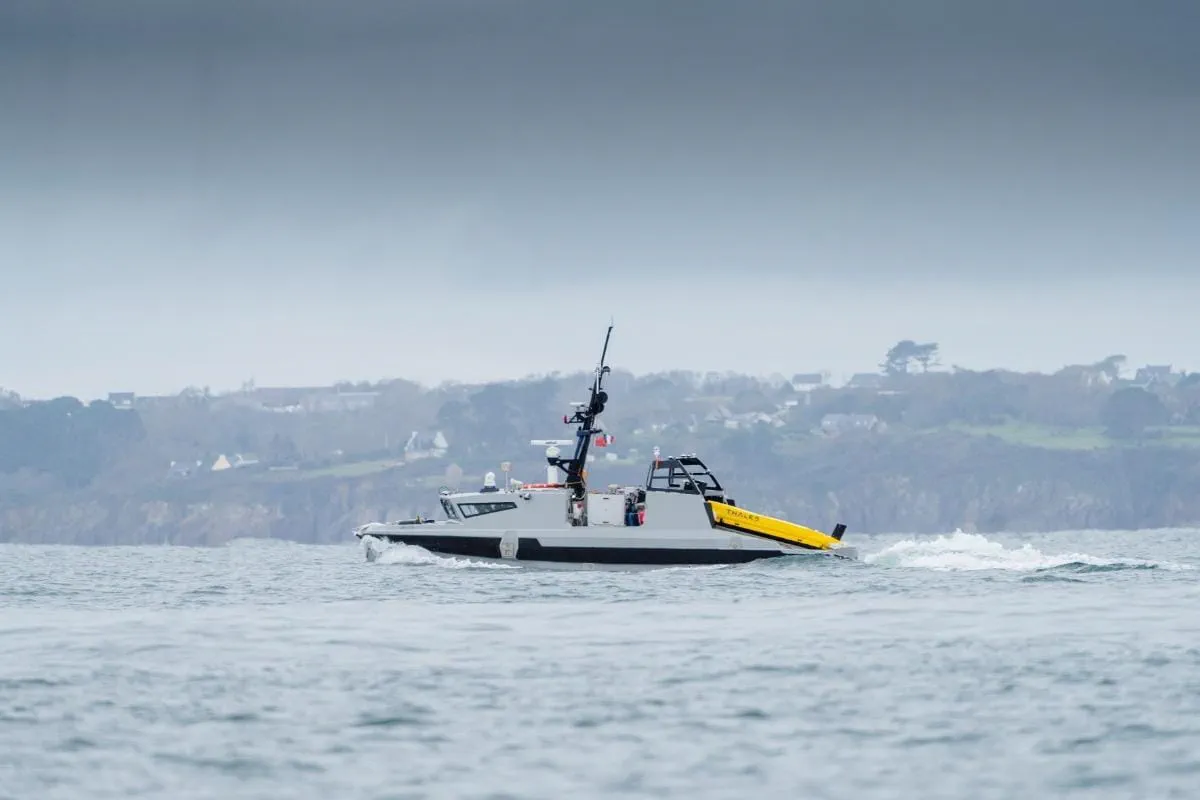
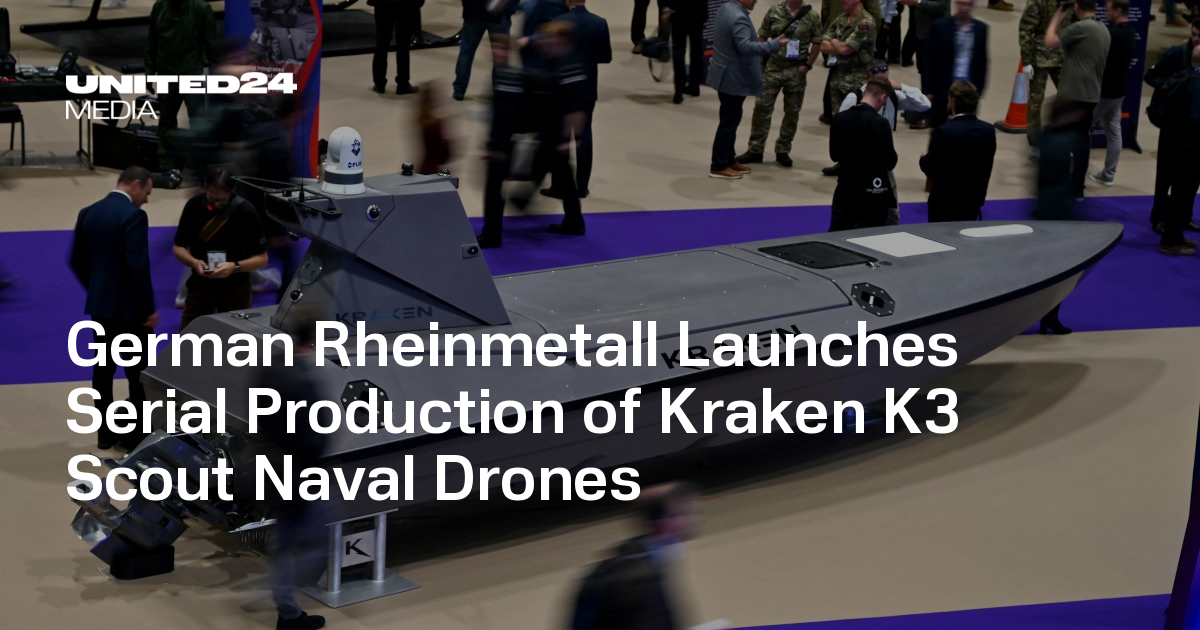
"Kraken says it can deliver as many as 500 remote-controlled vessels in the current year and twice that in 2027, in part through deals with shipyards in places including Germany and the Pacific rim."

"Kraken now offers a range of drones, with the 8.5-metre Scout Medium currently arguably the most popular and easiest to mass-produce — but it will not say if any of its craft have so far seen action in the Middle East or the Black Sea."

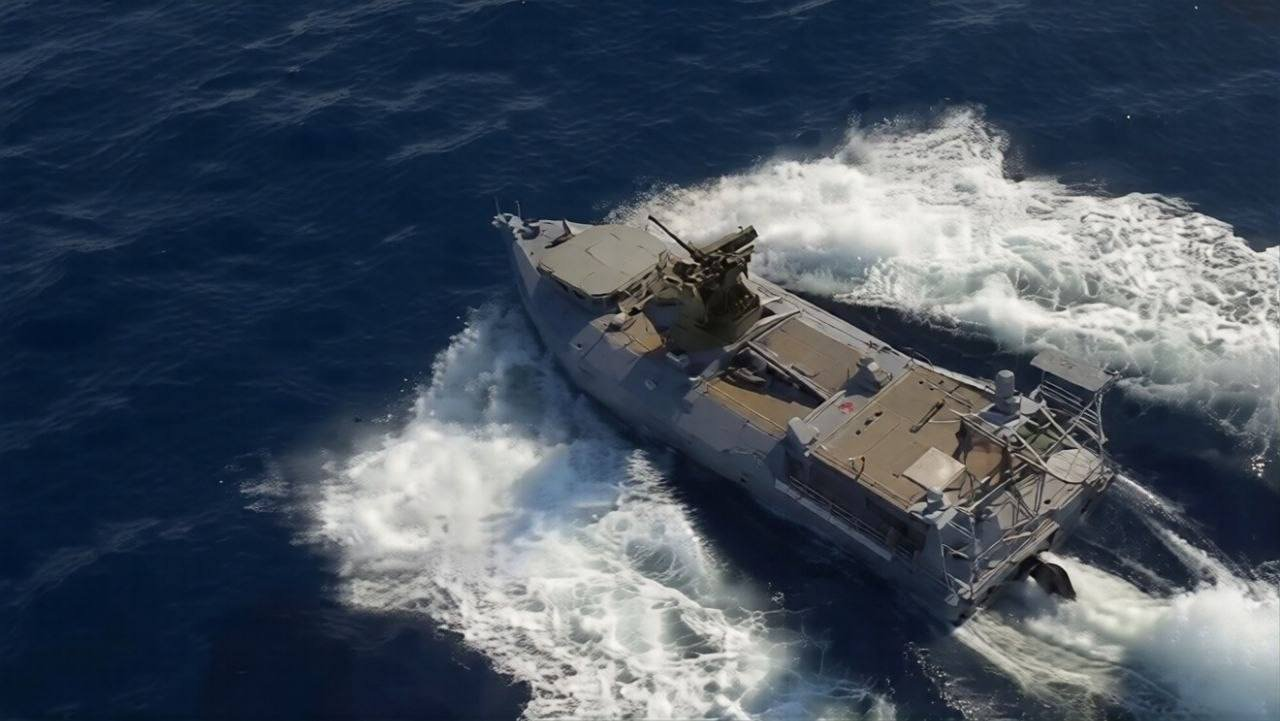
"Such vessels can carry a range of weapons and other payloads, including surveillance cameras, machineguns or enough on-board explosives to sink a large ship."


Last edited:

Yesterday I was debating with myself whether these two projects might be linked and another example of speedy purchasing decisions,
Then I said "Nah!''. Sea Giraffe and Giraffe are not the same.

But they are. They are the same radar packaged differently with the Sea Giraffe being packaged, at higher cost, to endure a life at sea.

But this morning I got to wondering about how long a life a radar on a USV would have to endure. It isn't going to be 40 years. It might not even be 4 years. 4 Months is not an impossibility. So, given that, how long do the experts think a Giraffe, or other radar, that is not marinized, could survive at sea?

One of the key criterion of the new UAVs is engines that are not repairable and are expected to have lives measured in hours and not thousands of hours. Surely the same rationale would apply to USVs, whose loss would not be mourned, and also to all the sensors and other systems associated with any of these UxVs?
 

Yesterday I was debating with myself whether these two projects might be linked and another example of speedy purchasing decisions,
Then I said "Nah!''. Sea Giraffe and Giraffe are not the same.

But they are. They are the same radar packaged differently with the Sea Giraffe being packaged, at higher cost, to endure a life at sea.

But this morning I got to wondering about how long a life a radar on a USV would have to endure. It isn't going to be 40 years. It might not even be 4 years. 4 Months is not an impossibility. So, given that, how long do the experts think a Giraffe, or other radar, that is not marinized, could survive at sea?

One of the key criterion of the new UAVs is engines that are not repairable and are expected to have lives measured in hours and not thousands of hours. Surely the same rationale would apply to USVs, whose loss would not be mourned, and also to all the sensors and other systems associated with any of these UxVs?
Not all UXV's are created equal. What might be "disposable" on a one-way attack drone (air or sea) would not be for an MQ-9B or an unmanned arsenal ship.

In broad terms I'd say the difference is between UXV's that you are treating as a "munition" and those that you're treating as a "platform".
 
Not all UXV's are created equal. What might be "disposable" on a one-way attack drone (air or sea) would not be for an MQ-9B or an unmanned arsenal ship.

In broad terms I'd say the difference is between UXV's that you are treating as a "munition" and those that you're treating as a "platform".

I'd say that the difference is the difference between cost and value.

In times gone by whole ships have been sacrificed, regardless of their cost, because their value was greater.

St-Nazaire comes to mind.

Another example is expending 2x 5 MUSD SAMs to down an $50,000 UAV if the target is the Head of State or a hospital.

...

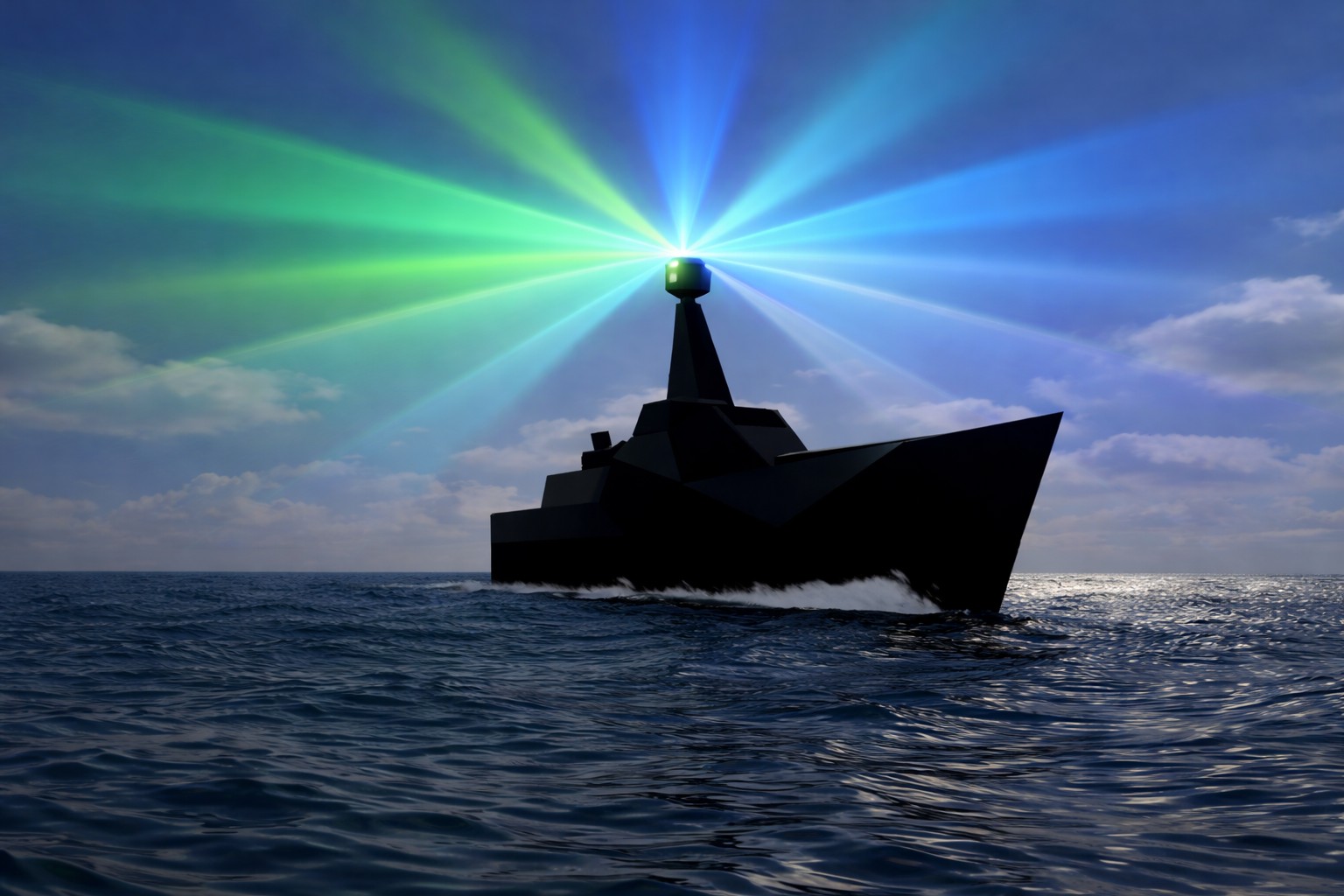
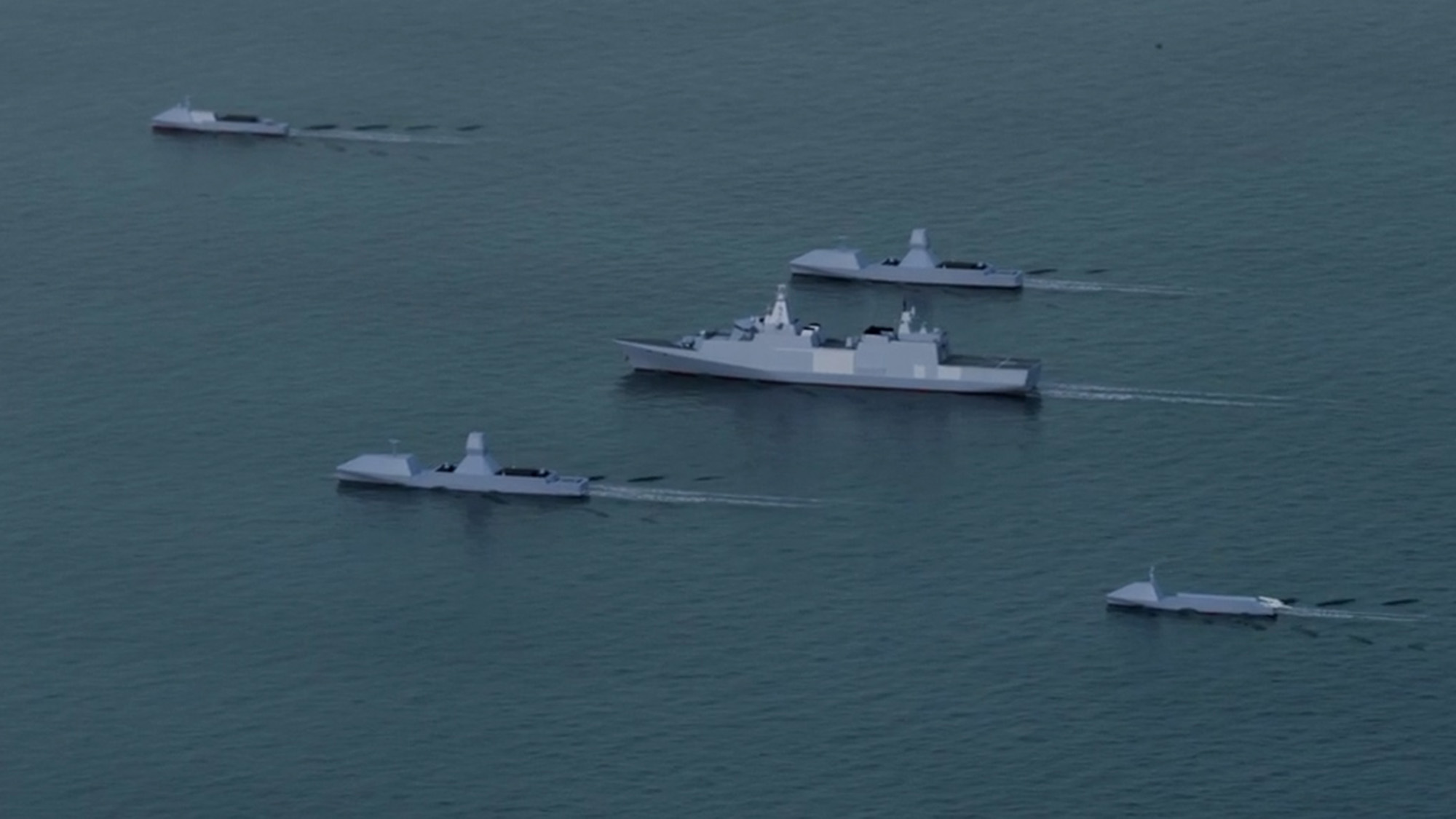
If the primary purpose of an AAW vessel is to act as a picket, essentially a platform for a radar, does the radar need a billion dollar platform and 200 sailors at risk?

Or can a similar effect be created by floating 16x 2 MUSD Giraffes on 350 KUSD 8m Kraken K3 Scouts?

Kraken is reckoning that they can manufacture 500 hulls a year. They have 4 models of the K3 - light (5.5m and 1500 kg) , medium (8.4m and 2500 kg), heavy (12m and 6000 kg) and max (18.5m and 30,000 kg). Endurance of all models is 30 days, range is over 1000 km at 25 knots and max speeds are 55 knots for all but the max which is limited to 40 knots.

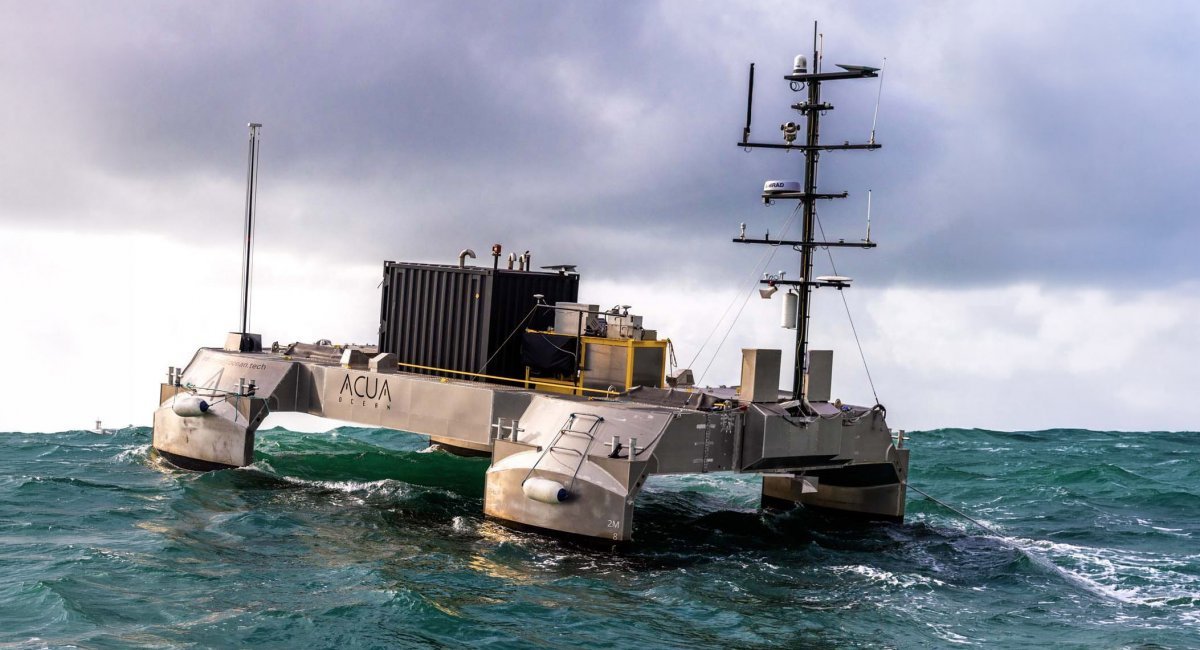
I don't know if this applies to the Krakens but one possibility with the USVs is that they are designed to be self-righting. Even if they turn turtle in a storm they could pop back up again.

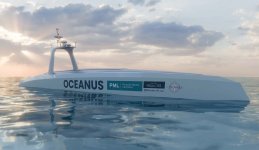
Oceanus is apparently self-righting

1775677701419.jpeg


....


Red Cat, currently printing drones for Ukraine, is planning on bringing their systems to the US.


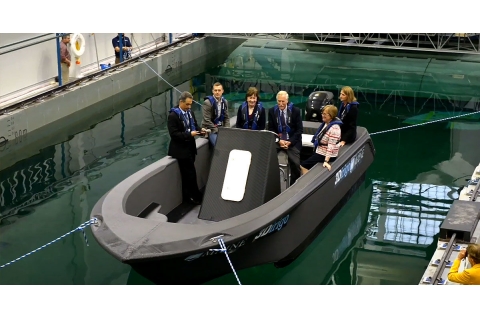
3D printing a boat in 2019 (the world's first back then, seven years ago)


Your pickets.


1775681426618.jpeg

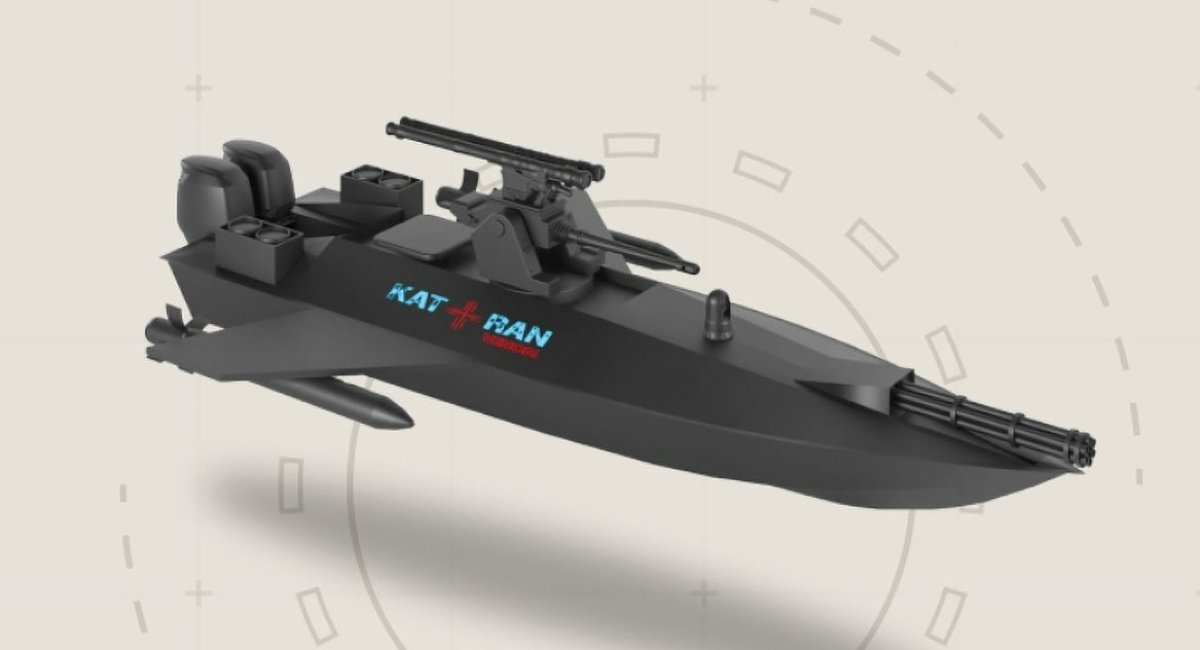
Ukrainian officials have confirmed the development and combat use of a new Ukrainian Katran VENOM Unmanned Surface Vessel (USV), which is capable of carrying a powerful set of weapons and equipment, including torpedoes, MANPADS, machine guns, electronic warfare and a system for shooting traps against artillery shells​


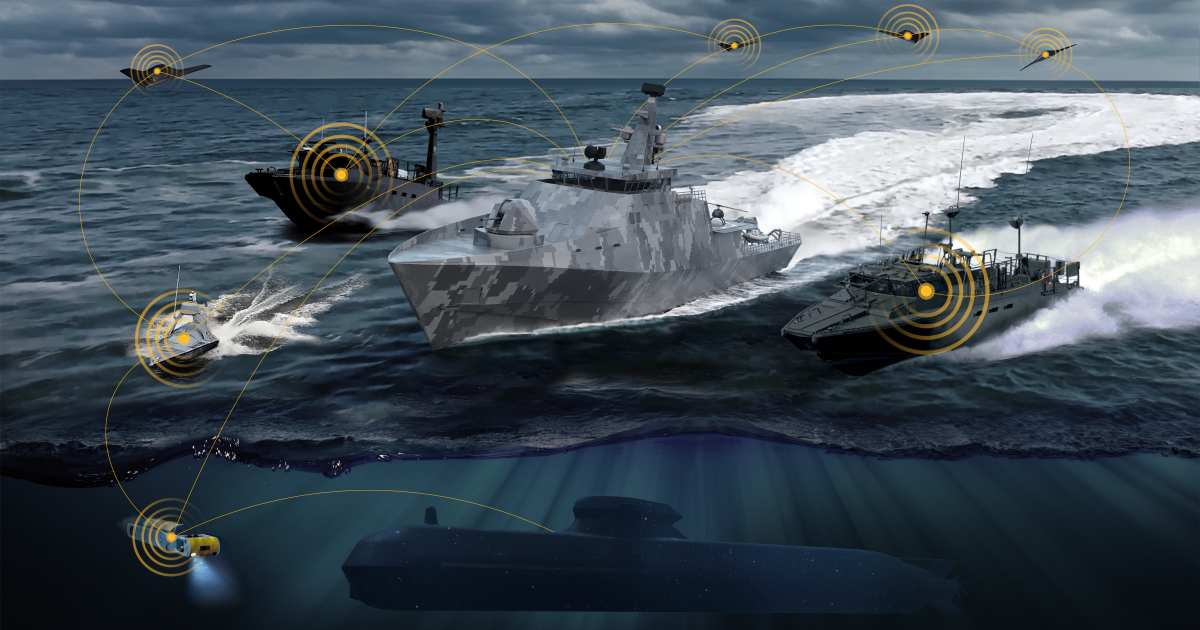
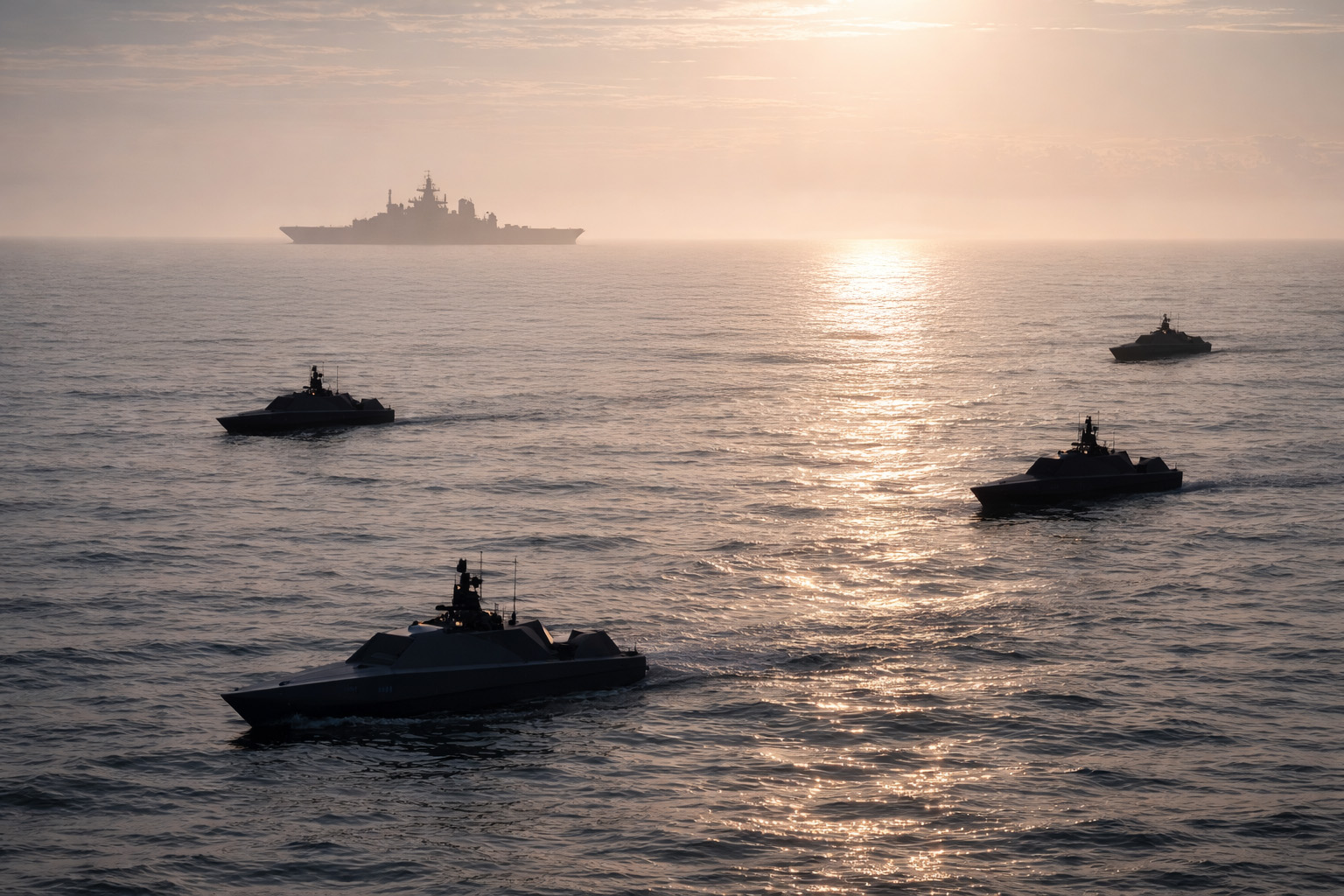
And the Swedes - Sea Giraffe on autonomous CB90s


"The Royal Navy’s move towards crewed and uncrewed teaming in anti-submarine warfare could reshape how operations are conducted, but speakers at UDT 2026 set out a series of practical challenges that still need to be worked through.

David Shutt of QinetiQ said the fundamentals of ASW remain unchanged, with multiple intelligence sources feeding into the kill chain. “That basic construct hasn’t changed, but what will change is the composition of that team,”

Shutt pointed to a clear direction of travel from the Royal Navy, noting that “by 2026 we will have sensors in the water… and within two years… autonomous escorts operating alongside crewed vessels.” He described programmes such as Atlantic Bastion as potentially transformative, comparing the scale of change to earlier shifts in naval warfare. “This is the potential to be an epoch defining change… comparable in scale to the advent of the submarine and the arrival of the aircraft carrier.”

At the core of this approach is what he described as “mass through disaggregation”, with multiple specialised platforms combining into a wider system. However, he was clear that ambition alone is not enough. “Hybrid ASW raises fundamental questions about training, tactics, command, control,” he said.

......A central issue is data. Hybrid operations will generate large volumes of information, particularly from sonar systems

......[uncrewed vehicle] must process that data on board using AI…

......while long-range remote control has been demonstrated, it introduces dependency on secure links. “Communications failure is always possible,”

.....One approach centres on remote control from distance, while another treats uncrewed systems as extensions of a crewed platform. “Uncrewed vehicles are treated as extensions of a crewed ship’s combat system,” Shutt said, describing a more local “loyal wingman” (Edit: presumably this is entirely a discussion of what "range", "remote" and "line-of-sight" mean)

Observation: Legal issues are rightly identified and caution and a measured pace are advised. I wonder if our adversaries' Admirals and Generals are getting the same advice from their lawyers, bureaucrats and politicians? And if they are listening to it. I suggest that the current situation has demonstrated that our enemies' actions are setting the pace and we will have to catch up. The imperative will be to find the technical solutions which can work right now. The discussion of which may work, in the sense of which are allowed to work, will follow later, often much later.

..............................
 

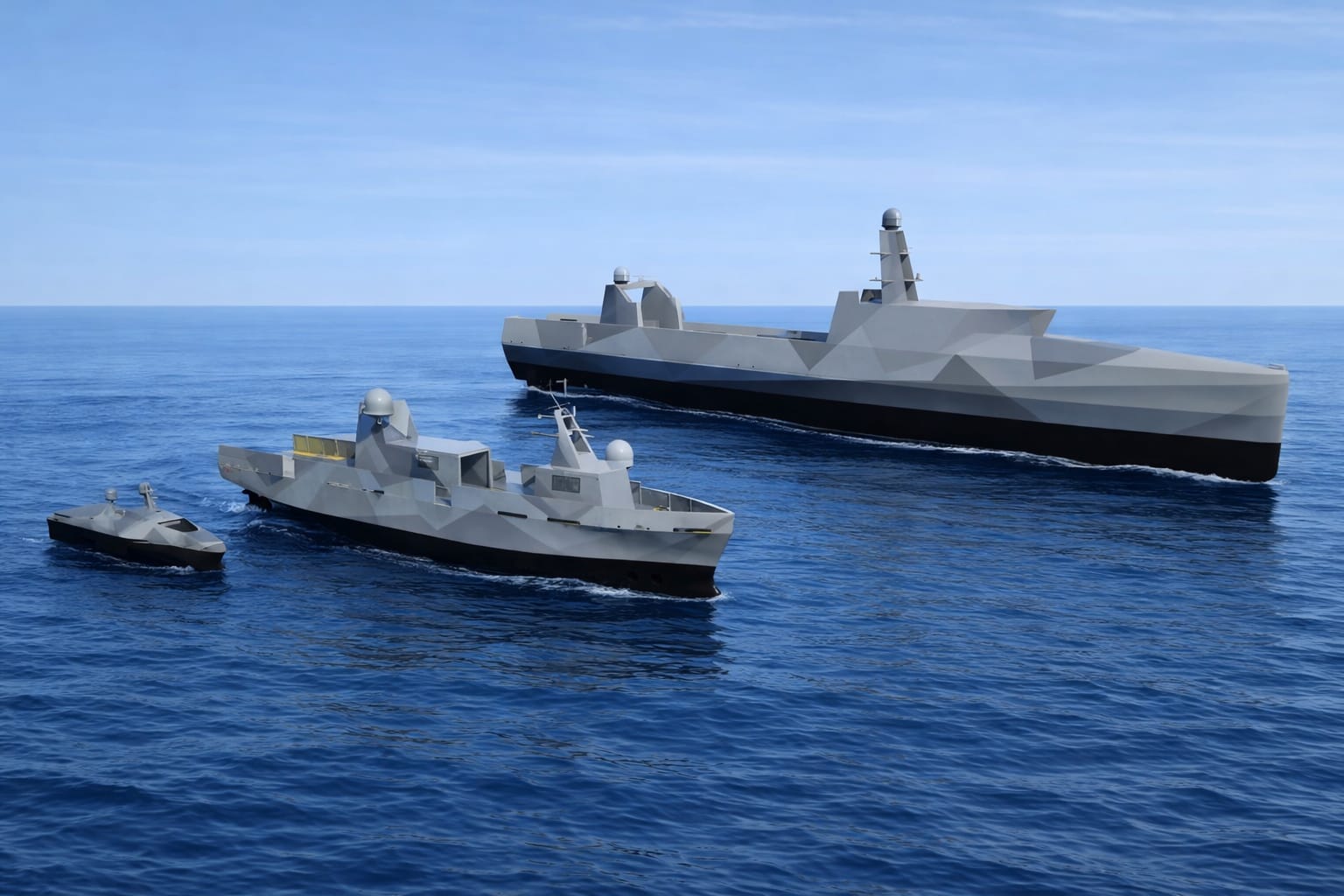
"A modular family of uncrewed surface vessels designed for sustained undersea operations is being developed by BMT, building on its MODUS concept first revealed in 2025.

... “a family of uncrewed vessels” rather than a single platform, spanning designs from around 20 metres up to 70–80 metres, with early work focused on underwater warfare applications.

...MODUS is designed from the outset as fully uncrewed, which has driven a departure from conventional naval architecture.

...the current MODUS concept structured around six design principles: autonomy, modularity, availability, buildability, adaptability and affordability.

BMT has prioritised three initial use cases where uncrewed systems offer the most immediate value: persistent data gathering, seabed warfare and anti-submarine warfare. These include hydrographic and oceanographic survey, monitoring of critical undersea infrastructure and acting as part of a distributed ASW barrier. “We wanted sort of 30 to 60 day missions where this vessel could be out on station, working around the clock,” Yarrien said.

Rather than pursuing a single modular hull, the company has opted for a family of designs, concluding that a one-size-fits-all approach introduced unnecessary complexity and cost. The result is a tiered set of platforms, broadly aligned to different operating environments, from coastal to open ocean.

Removing the crew has a significant impact on design trade-offs. Rigby said that while internal volume increases by around 30 per cent, this shifts the constraint from space to weight. “You see the free space and think you can just fill that with fuel, but you still have to be hydrodynamically efficient,” he said, with weight becoming the key driver for endurance beyond 30 days. Reliability also becomes critical, given the absence of onboard personnel to carry out routine maintenance.

The larger variants, reaching up to around 75 metres, are intended to support demanding roles such as towing sonar arrays in the North Atlantic, where seakeeping remains essential. Rigby noted that size in this context is driven by performance rather than cost, adding that “steel is cheap and air is free” when compared to the expense of complex systems.

A recurring theme throughout the discussion was that autonomy requires different operating concepts. “If we just look to employ these vessels in the same way that we employ crewed vessels today, you’re not going to see the change,” Rigby said, pointing to the need for new deployment models and force structures.

During the discussion, BMT also outlined how MODUS platforms could act as motherships for smaller uncrewed systems. Medium and large variants are designed to deploy and recover additional assets, including remotely operated vehicles and other off-board systems. “By packaging them… like a sort of Russian doll piece, you enable that as a package to operate for 30 days plus,” Rigby explained, highlighting features such as moon pools and modular launch and recovery arrangements.

The question of whether platform design should follow operational concepts, or vice versa, was also raised during the session. Yarrien described it as “a bit chicken and egg,” while Rigby pointed to a phased approach as the practical way forward. “That is exactly why we’re proposing that stepping stone approach,” he said, noting that the MODUS concept has already evolved over several years of development.

BMT is now looking to move into prototyping and experimentation, starting with smaller platforms before scaling up, while continuing to refine both the design and its role within future naval force mixes.

....

Chicken and egg arguments are best resolved iteratively. Should form follow function or function follow form? Buy some chickens and buy some eggs and see what happens. The answers will present themselves.

I do question a couple of points though:

""The larger variants, reaching up to around 75 metres, are intended to support demanding roles such as towing sonar arrays in the North Atlantic, where seakeeping remains essential. Rigby noted that size in this context is driven by performance rather than cost, adding that “steel is cheap and air is free” when compared to the expense of complex systems."

Do towed arrays have to be large or can the same result be generated by many small arrays?
Do towed arrays have to be towed from the surface?
Do arrays have to be towed?
Is steel necessary?
Is air necessary for buoyancy?
What does sea-keeping mean for a vessel that has no crew?

I can get a battery and an electric motor to float simply by spraying them with foam.

 
Do towed arrays have to be large or can the same result be generated by many small arrays?
Not necessarily. But if you go for small ones, you have to have a larger number co-located within a reasonably small area working together in order to provide you with the same info as a larger one.
Do towed arrays have to be towed from the surface?
Again, not necessarily, but if towed underwater, you have to have a communication system that lets you communicate your data, and it's a lot of data, with the surface. So surface towing is a lot simpler.
Do arrays have to be towed?
It's the ocean: If you can provide me with another way of making sure they stay fully deployed and oriented to the bearing you want, I am listening.
Is steel necessary?
No.
Is air necessary for buoyancy?
Yes. Even your foam floats because it is full of air. So does wood. If you think that wood that has impregnated with water over time floats, I suggest you go cruise the West Coast and look out for deadheads.
What does sea-keeping mean for a vessel that has no crew?
It means floating and staying upright with the sensitive equipment (radars and comms) staying above water at all times (can be "sprayed", but not go under) and capable of shedding ice by itself, for the North Atlantic in winter.
I can get a battery and an electric motor to float simply by spraying them with foam.

But would it be a useful piece of naval warfare gear?
 
Excellent! Thanks for engaging. 😁
Where's the enjoyment otherwise?

Not necessarily. But if you go for small ones, you have to have a larger number co-located within a reasonably small area working together in order to provide you with the same info as a larger one.

Stipulated. But I think that problem is being addressed, if not entirely solved to everyone's satisfaction. Given the rate of employment of these UxVs, their rate of change, and the multifarious means of communication being employed, often in parallel then it appears to me as if there is already a workable floor from which to start building these systems.

The fact that we are discussing how the RN might be going about implementing this course of action seems to suggest that there is at least a solid basis for discussion and development.

That appears to be backed by the contracts for small launches and submersibles and suitable sensors. It also seems to be backed by the number of contracts including Starlink within their comms specs.

Again, not necessarily, but if towed underwater, you have to have a communication system
that lets you communicate your data, and it's a lot of data, with the surface. So surface towing is a lot simpler.

Simpler but not impossible. Captain Cook worked with a burst transmission every three years. WW2 data transmission operated at the pace of Morse Code.

There are means of communicating underwater. There are means of connecting the sub-surface comms domain to the air domain. And if there are range problems underwater then the solution could be to deploy more nodes.


And Cellula Robotics has some interesting ideas on how to manage some of this while minimizing breaches of the surface.


Comms options across the subsurface-air barrier could be as simple as doing the equivalent of releasing a carrier pigeon. When relevant information is discovered then the subsurface could release a buoy or a glider with a beacon and a burst transmitter.

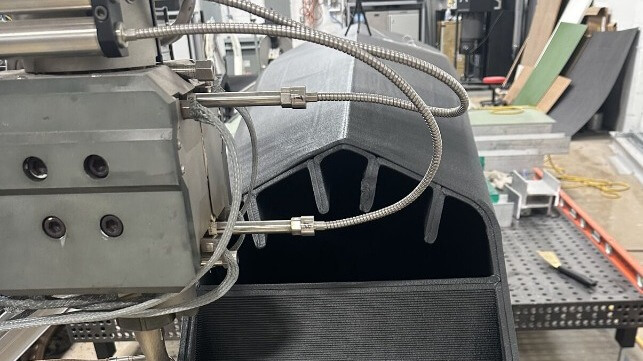
Another solution is very close range underwater optical transmission


Transmitter and receiver have to approach within 100 m or so but they don't require docking to remain discrete, fast and accurate.

It's the ocean: If you can provide me with another way of making sure they stay fully deployed and oriented to the bearing you want, I am listening.

Dynamic positioning with a pair of UxVs? One at each end? Anchored like the old SOSUS system? Mid column with UUVs? Powered or Gliders? Mid column with USVs towing? (Sail, diesel or electric?)


Great. Agreed.

Yes. Even your foam floats because it is full of air. So does wood. If you think that wood that has impregnated with water over time floats, I suggest you go cruise the West Coast and look out for deadheads.

I just finished washing my dishes by hand. I detest washing plastic containers because unlike decent cutlery and crockery they won't stay on the bottom where I left them.

And I am pretty sure that there is no air in polypropylene line. Polypropylene has a density of about 0.9 kg/l. As do many other oil derived plastics. And that is before being expanded with nitrogen or CO2 or other gas of your choice.

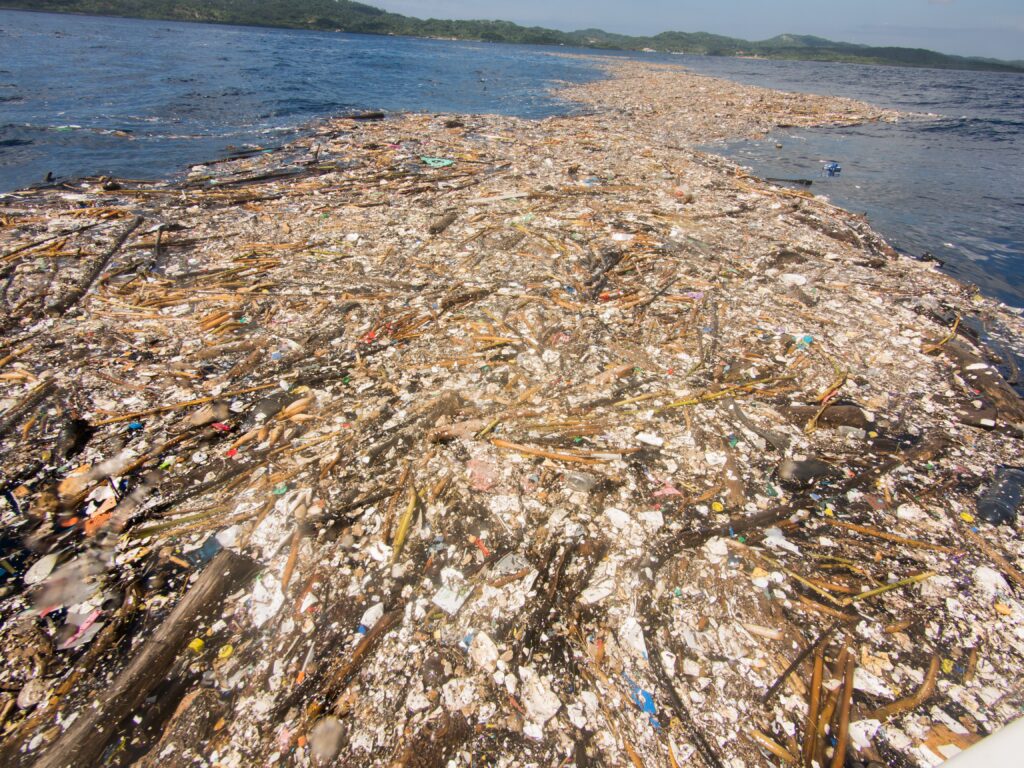
Straws and plastic cups make up a significant chunk of these Garbage Patches


One of the more fascinating things about those floating islands, beyond their enduring character, is that the ocean is adapting to them. Life of all sorts is invading them, modifying them, adapting them and growing them. They are becoming perches and roosts and hunting grounds.

Way back when Churchill promoted the intrinsically unsinkable iceberg and woodchip aircraft carrier. The ice floated.

My point here is that there are many promising construction materials that do not require trapping air to stay afloat.

I wonder how difficult it would be to destroy a sensor or weapon embedded in a structure like those garbage patches? Or even a more environmentally conscious solution like these?


It means floating and staying upright with the sensitive equipment (radars and comms) staying above water at all times (can be "sprayed", but not go under) and capable of shedding ice by itself, for the North Atlantic in winter.

How about if enclosed in a radome on a self-righting boat? And keep in mind we are talking about multiple units operating in parallel and creating a resilient network with a lot of redundancy.

The non-existent crew doesn't have to worry about keeping the sensor operating to defend themselves. Nor do they have to worry about capsizing if the weather gets too rough.

But would it be a useful piece of naval warfare gear?

What do you want to attach to the battery and motor?

I look forwards to the response. 😁
 
Back
Top