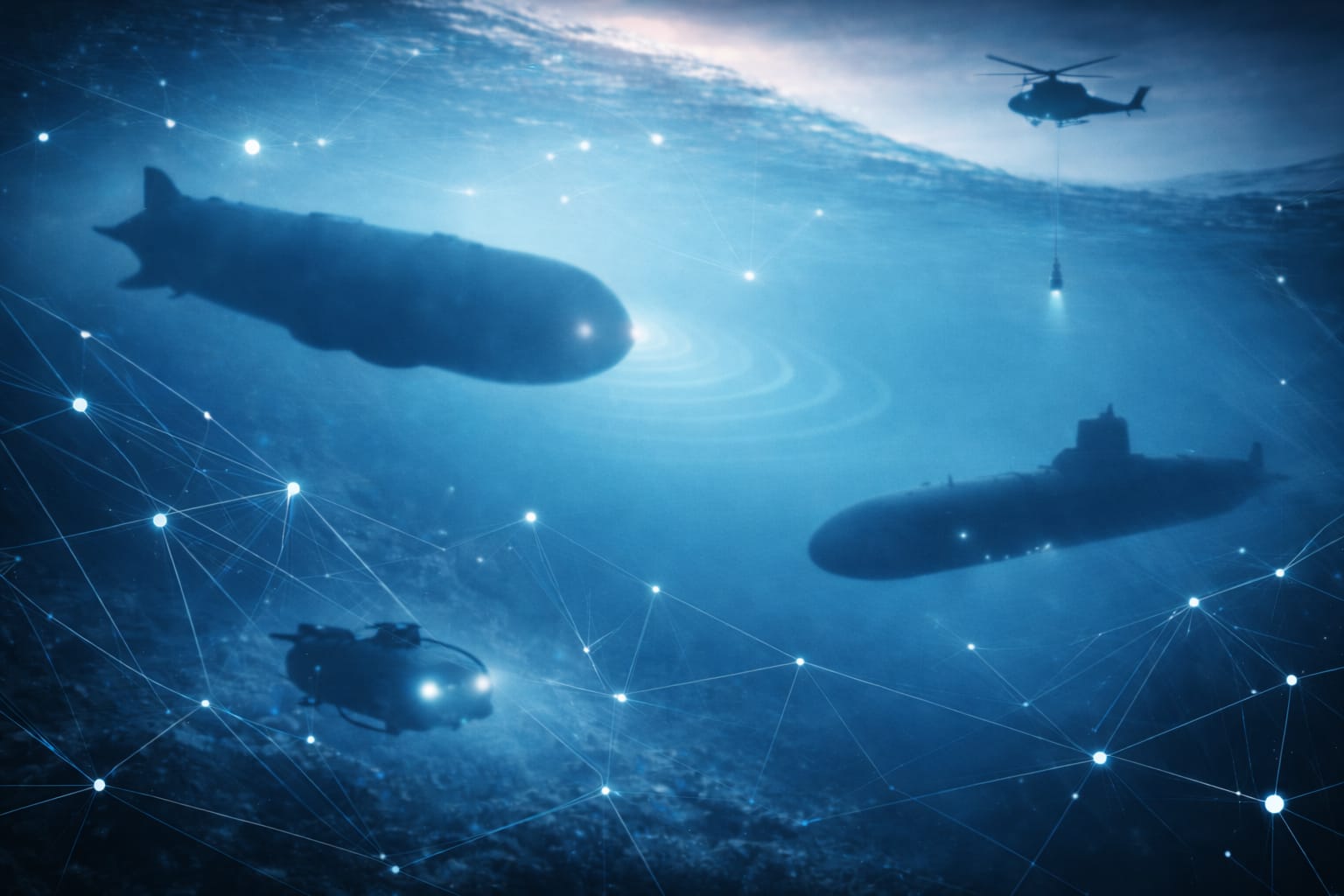
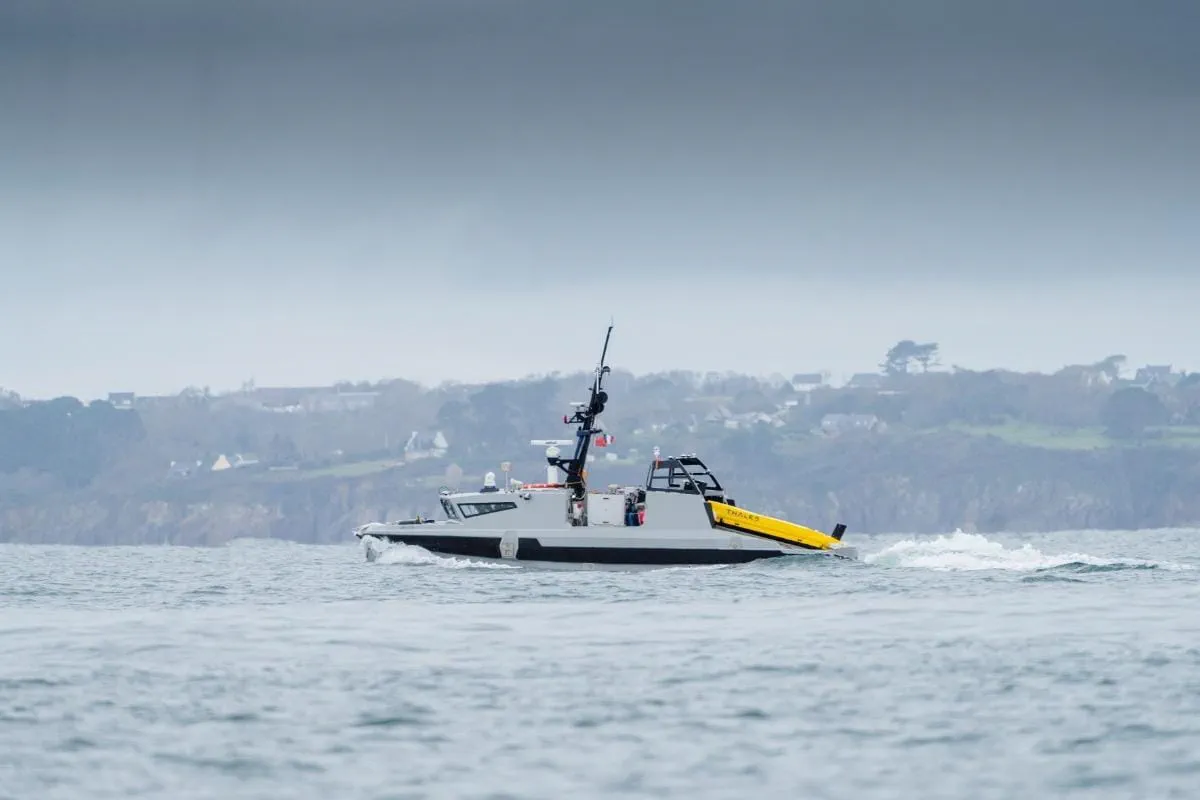
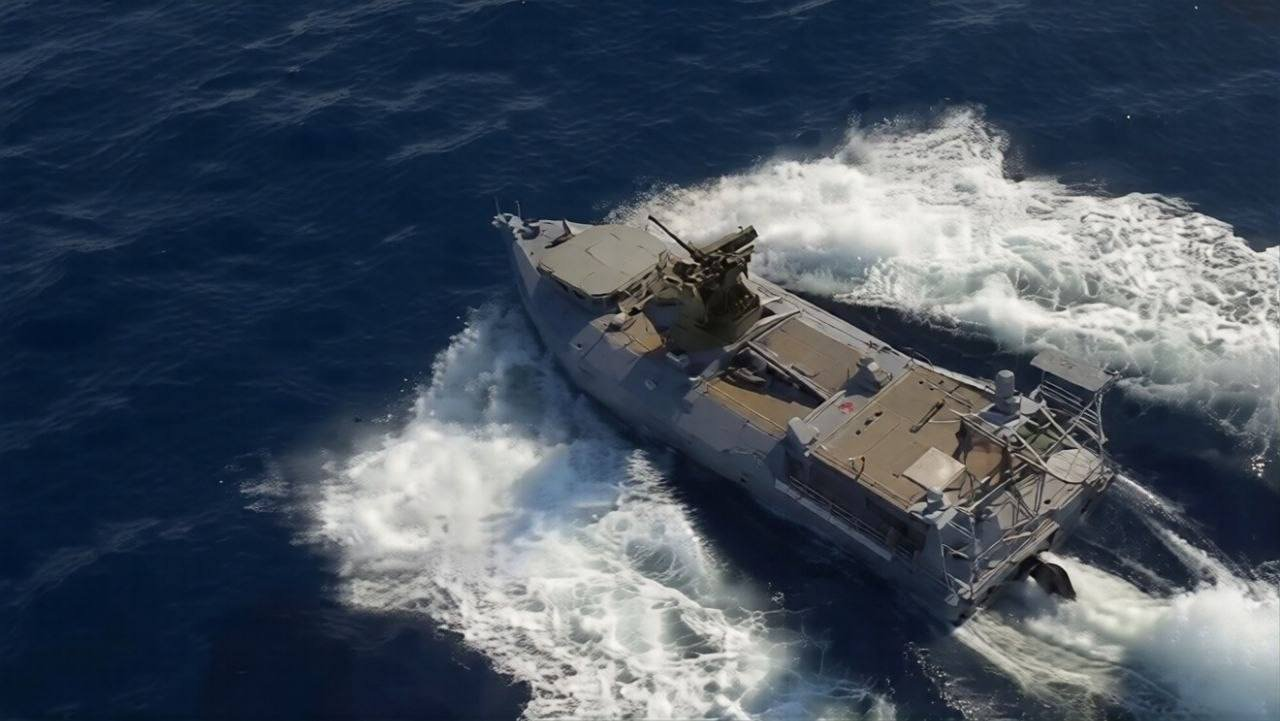
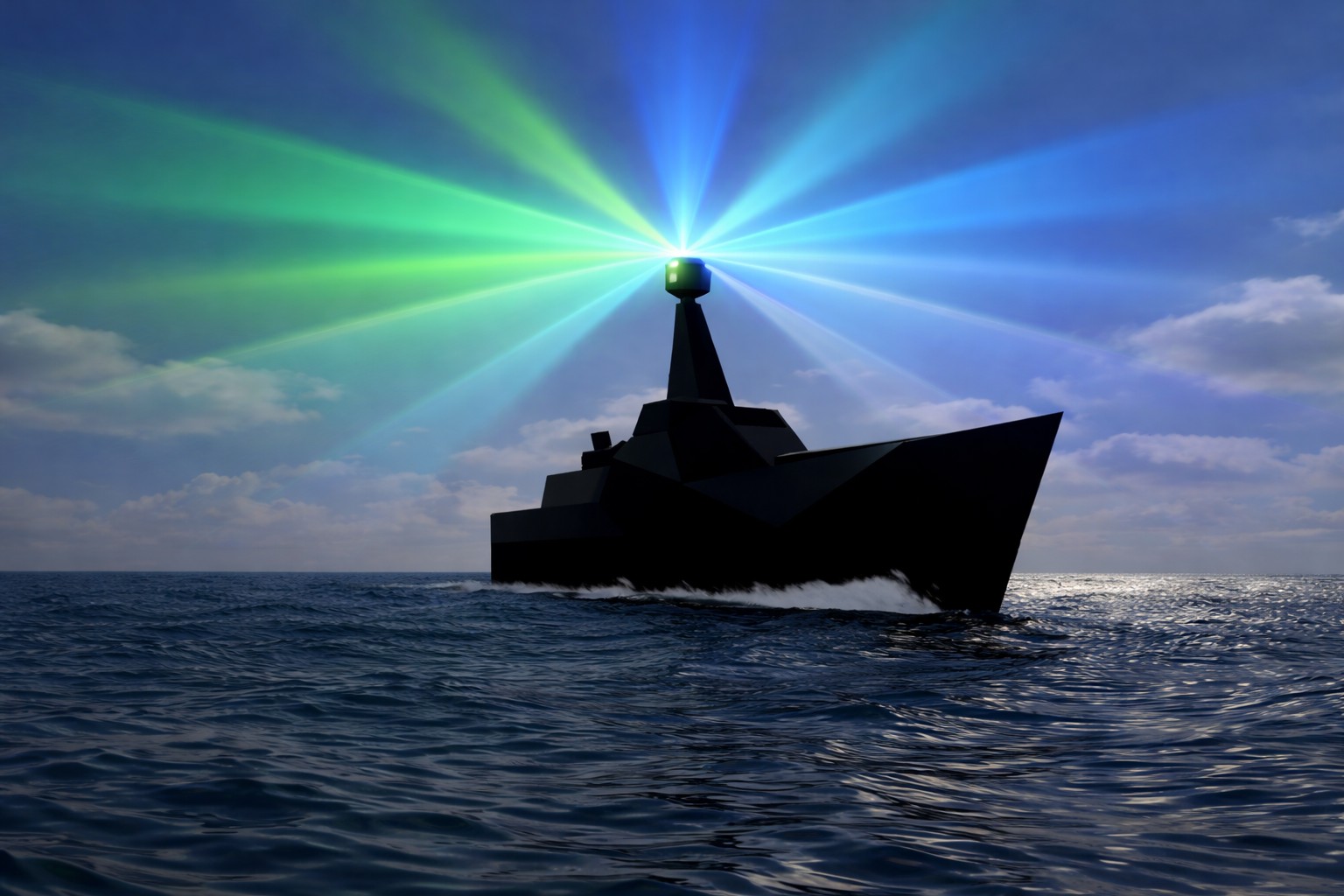
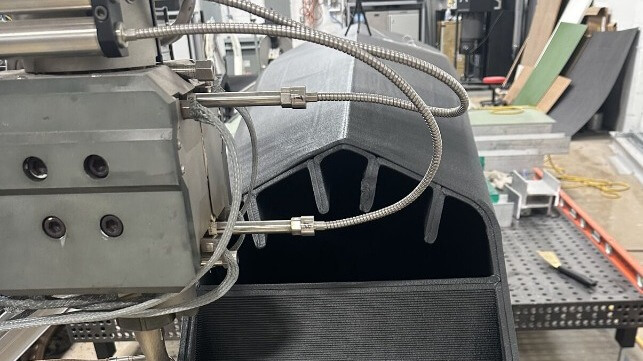
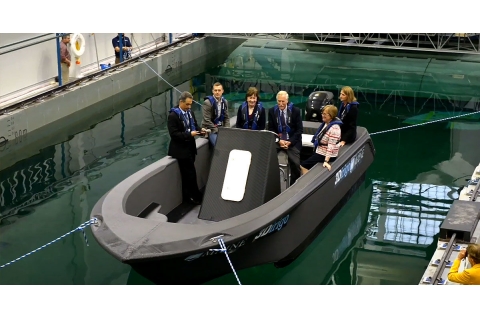
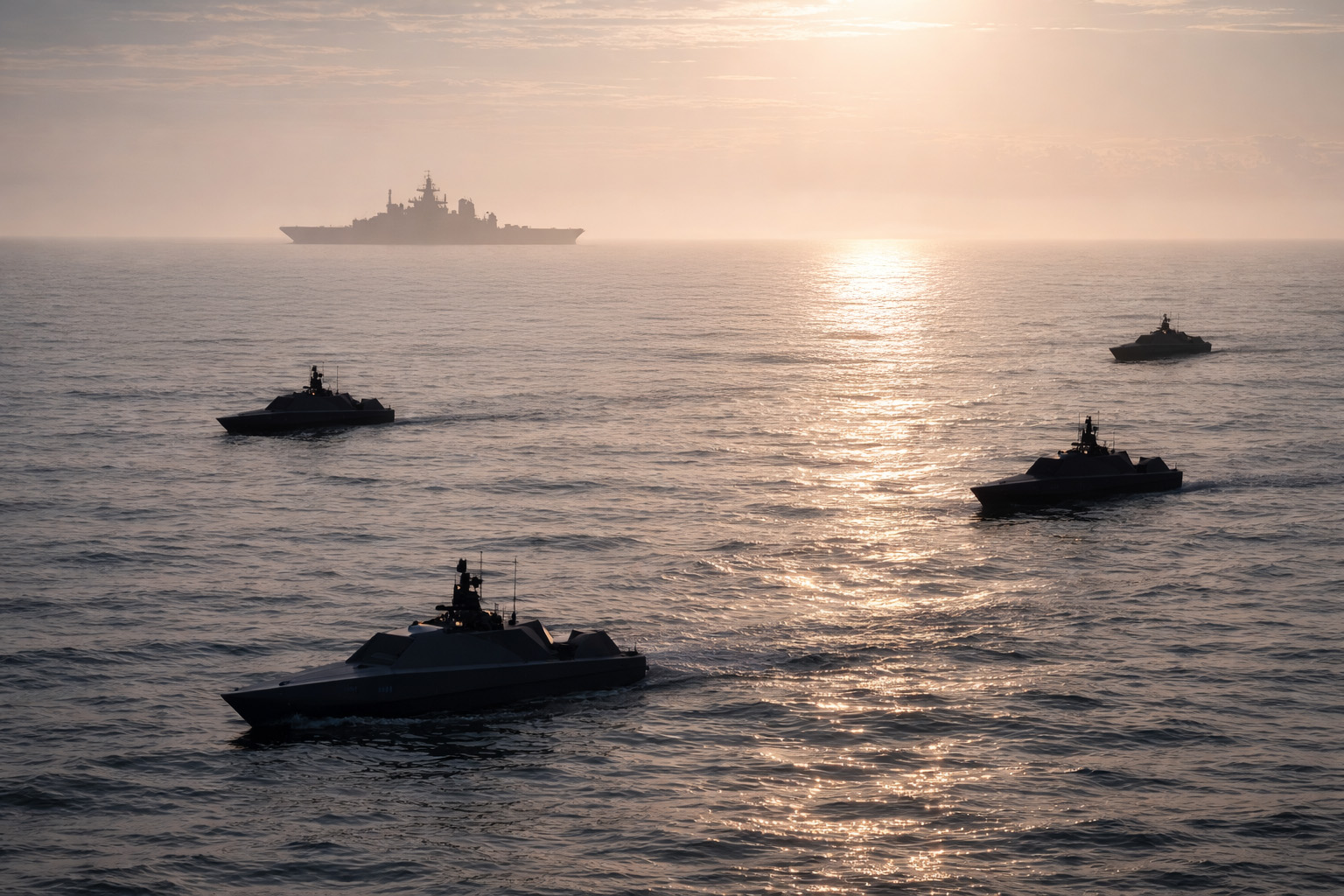
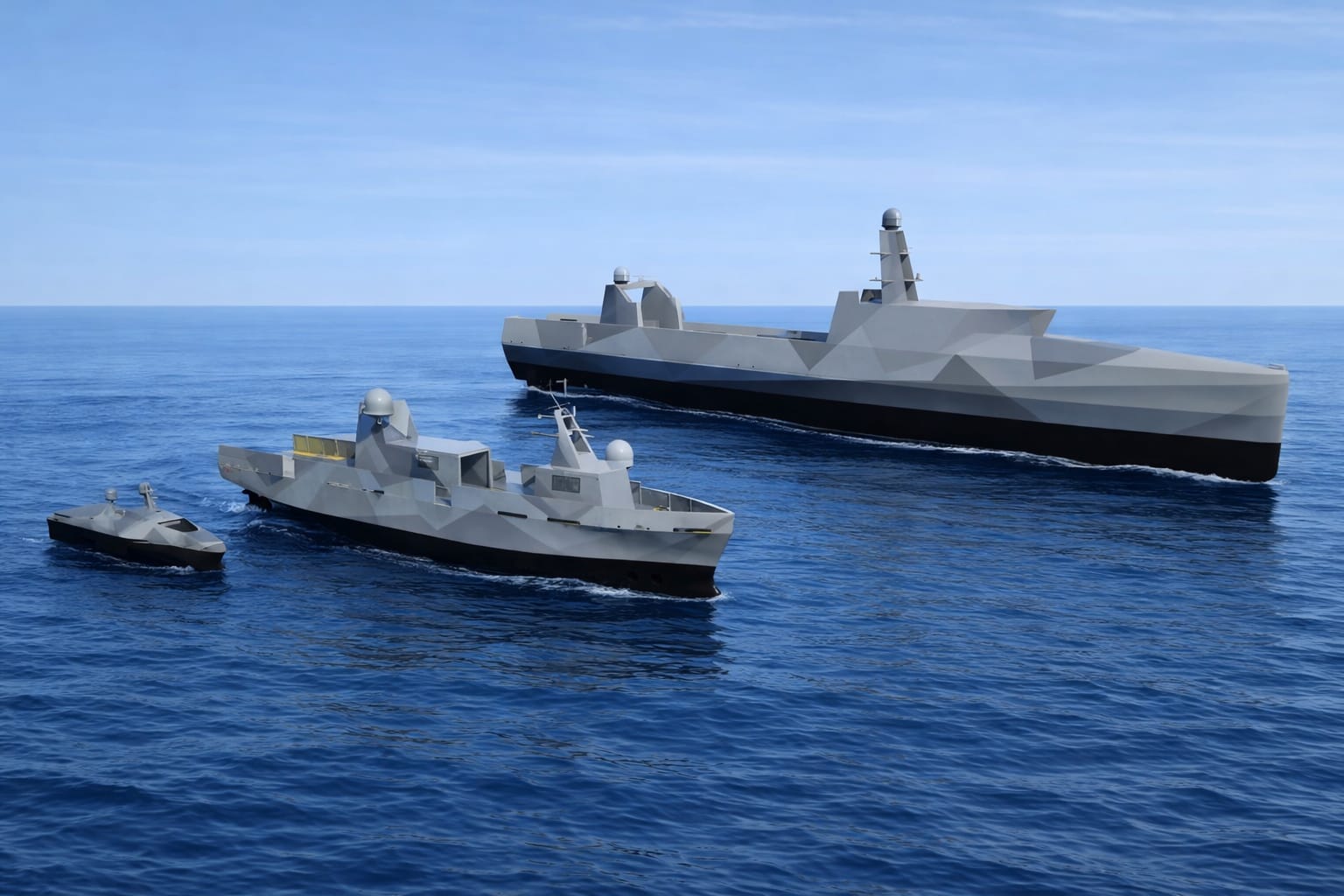
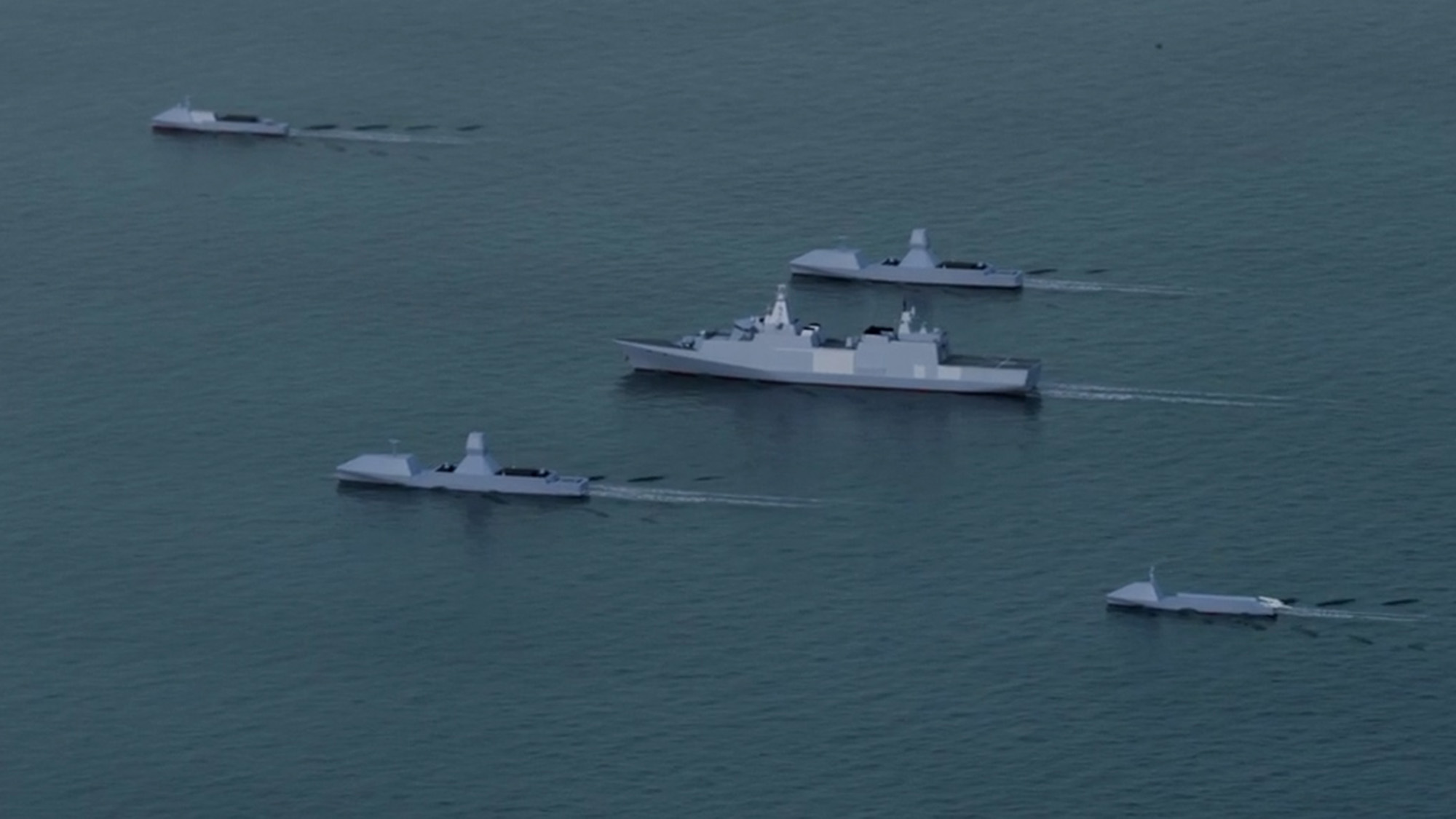
BMT outlines thinking behind MODUS uncrewed vessel concept for ASW and seabed roles, focused on modular design and long-endurance ops. #UDT2026

ukdefencejournal.org.uk
"A modular family of uncrewed surface vessels designed for sustained undersea operations is being developed by BMT, building on its MODUS concept first revealed in 2025.
... “a family of uncrewed vessels” rather than a single platform, spanning designs from around 20 metres up to 70–80 metres, with early work focused on underwater warfare applications.
...MODUS is designed from the outset as fully uncrewed, which has driven a departure from conventional naval architecture.
...the current MODUS concept structured around six design principles: autonomy, modularity, availability, buildability, adaptability and affordability.
BMT has prioritised three initial use cases where uncrewed systems offer the most immediate value: persistent data gathering, seabed warfare and anti-submarine warfare. These include hydrographic and oceanographic survey, monitoring of critical undersea infrastructure and acting as part of a distributed ASW barrier. “We wanted sort of 30 to 60 day missions where this vessel could be out on station, working around the clock,” Yarrien said.
Rather than pursuing a single modular hull, the company has opted for a family of designs, concluding that a one-size-fits-all approach introduced unnecessary complexity and cost. The result is a tiered set of platforms, broadly aligned to different operating environments, from coastal to open ocean.
Removing the crew has a significant impact on design trade-offs. Rigby said that while internal volume increases by around 30 per cent, this shifts the constraint from space to weight. “You see the free space and think you can just fill that with fuel, but you still have to be hydrodynamically efficient,” he said, with weight becoming the key driver for endurance beyond 30 days. Reliability also becomes critical, given the absence of onboard personnel to carry out routine maintenance.
The larger variants, reaching up to around 75 metres, are intended to support demanding roles such as towing sonar arrays in the North Atlantic, where seakeeping remains essential. Rigby noted that size in this context is driven by performance rather than cost, adding that “steel is cheap and air is free” when compared to the expense of complex systems.
A recurring theme throughout the discussion was that autonomy requires different operating concepts. “If we just look to employ these vessels in the same way that we employ crewed vessels today, you’re not going to see the change,” Rigby said, pointing to the need for new deployment models and force structures.
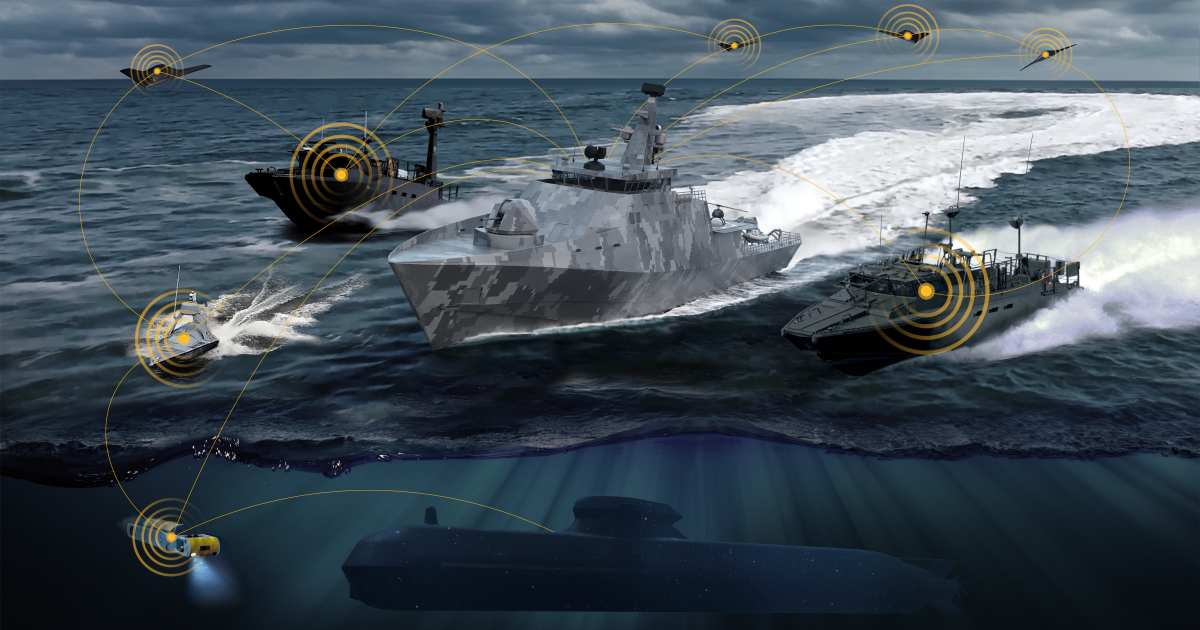
During the discussion, BMT also outlined how MODUS platforms could act as motherships for smaller uncrewed systems. Medium and large variants are designed to deploy and recover additional assets, including remotely operated vehicles and other off-board systems. “By packaging them… like a sort of Russian doll piece, you enable that as a package to operate for 30 days plus,” Rigby explained, highlighting features such as moon pools and modular launch and recovery arrangements.
The question of whether platform design should follow operational concepts, or vice versa, was also raised during the session. Yarrien described it as “a bit chicken and egg,” while Rigby pointed to a phased approach as the practical way forward. “That is exactly why we’re proposing that stepping stone approach,” he said, noting that the MODUS concept has already evolved over several years of development.
BMT is now looking to move into prototyping and experimentation, starting with smaller platforms before scaling up, while continuing to refine both the design and its role within future naval force mixes.
....
Chicken and egg arguments are best resolved iteratively. Should form follow function or function follow form? Buy some chickens and buy some eggs and see what happens. The answers will present themselves.
I do question a couple of points though:
""The larger variants, reaching up to around 75 metres, are intended to support demanding roles such as towing sonar arrays in the North Atlantic, where seakeeping remains essential. Rigby noted that size in this context is driven by performance rather than cost, adding that “steel is cheap and air is free” when compared to the expense of complex systems."
Do towed arrays have to be large or can the same result be generated by many small arrays?
Do towed arrays have to be towed from the surface?
Do arrays have to be towed?
Is steel necessary?
Is air necessary for buoyancy?
What does sea-keeping mean for a vessel that has no crew?
I can get a battery and an electric motor to float simply by spraying them with foam.