• Thanks for stopping by. Logging in to a registered account will remove all generic ads. Please reach out with any questions or concerns.

RN Project Cabot and Atlantic Bastion


So, situation to date

North Atlantic Strategy has four elements

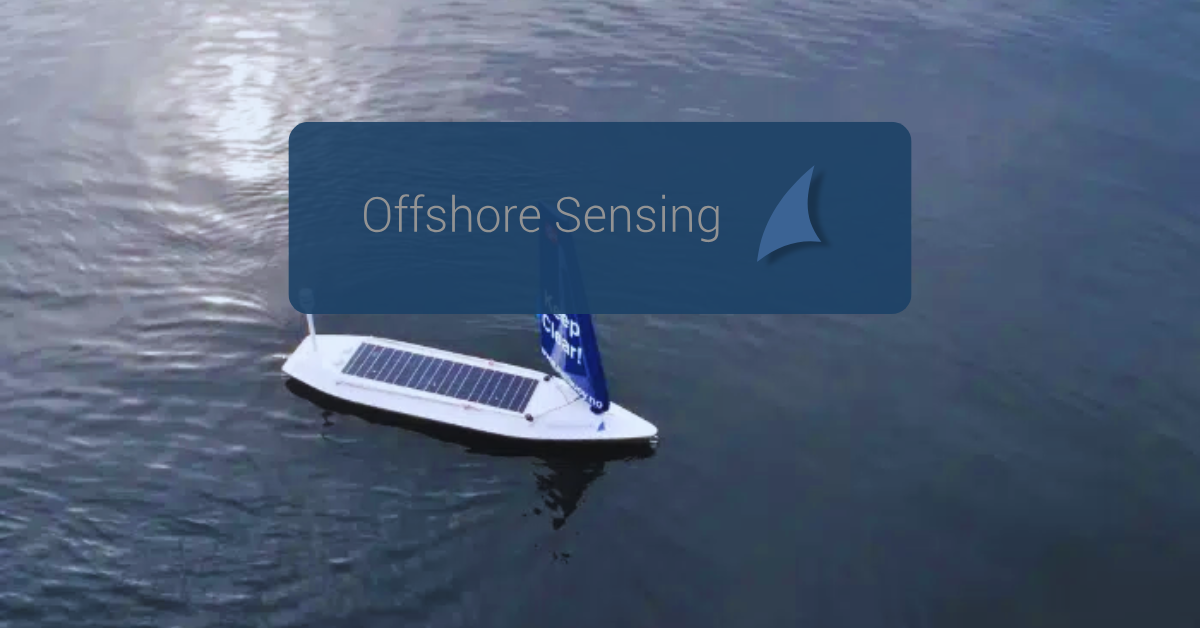
Atlantic Net - Sense (Commercial partner to be announced imminently - based on autonomous sensors with year long durations)
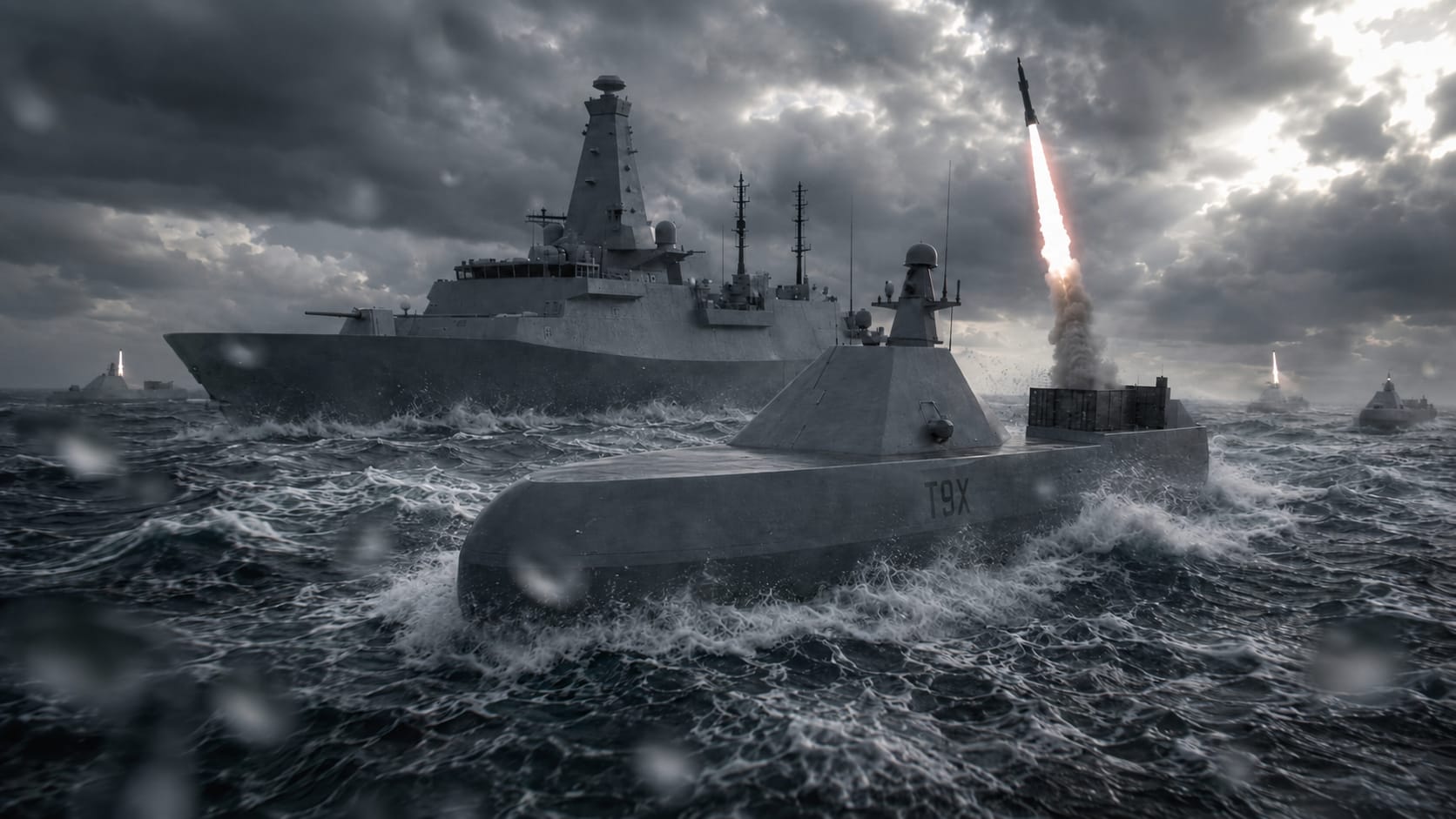
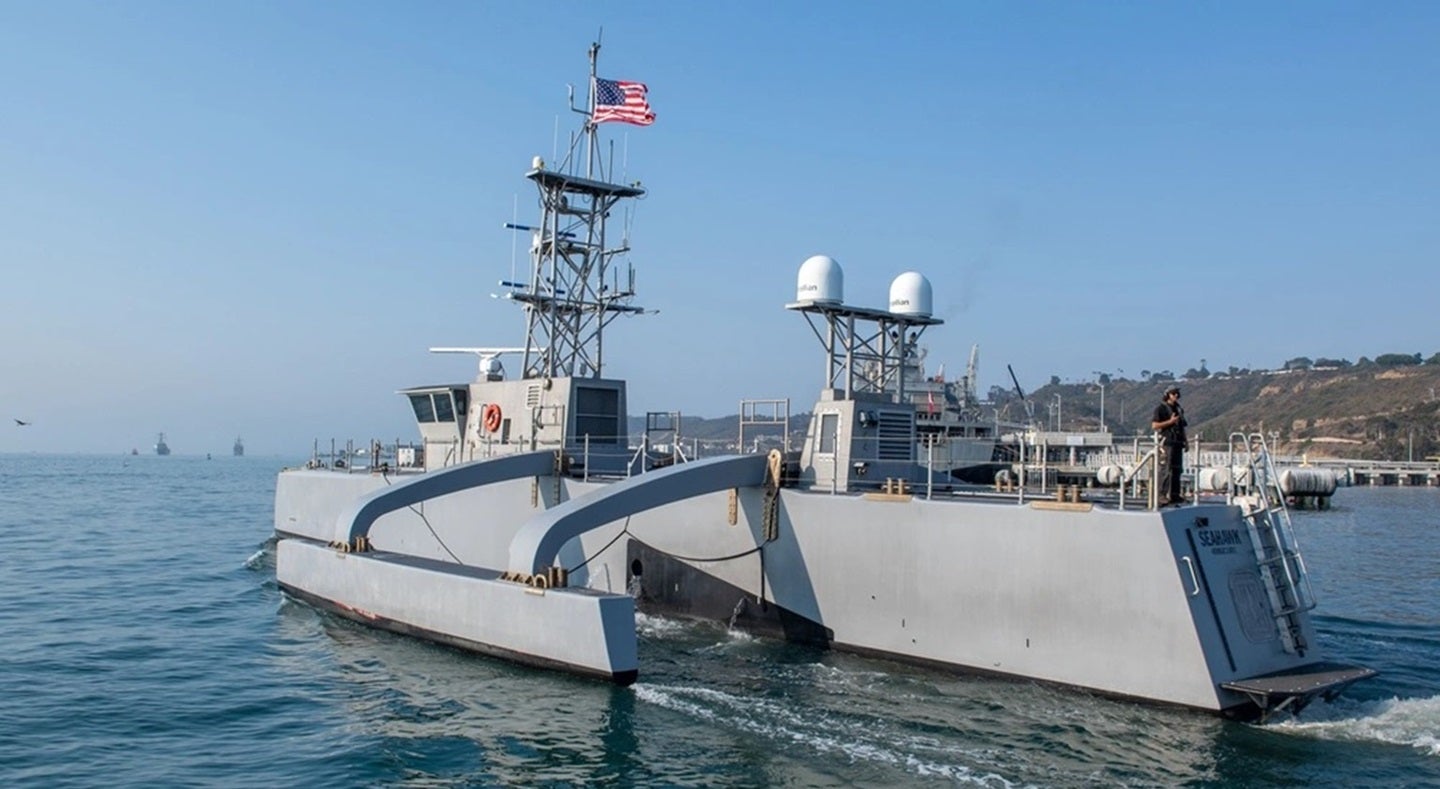
Atlantic Bastion - ASW/Infrastructure Shield (Based on the Type 92 LUSV (ASW Sloop) and the Type 93 XLUUV)
Atlantic Shield - AAW/IAMD Shield (Bssed on the Type 94 LUSV (AAW Picket))
Atlantic Strike - LRPF/AAW (Based on the Type 91 LUSV (Missile Platform))

The LUSVs and XLUUVs will be expected to deploy autonomously for 30 days with no maintenance and remote supervision.

These will operate in conjuction with

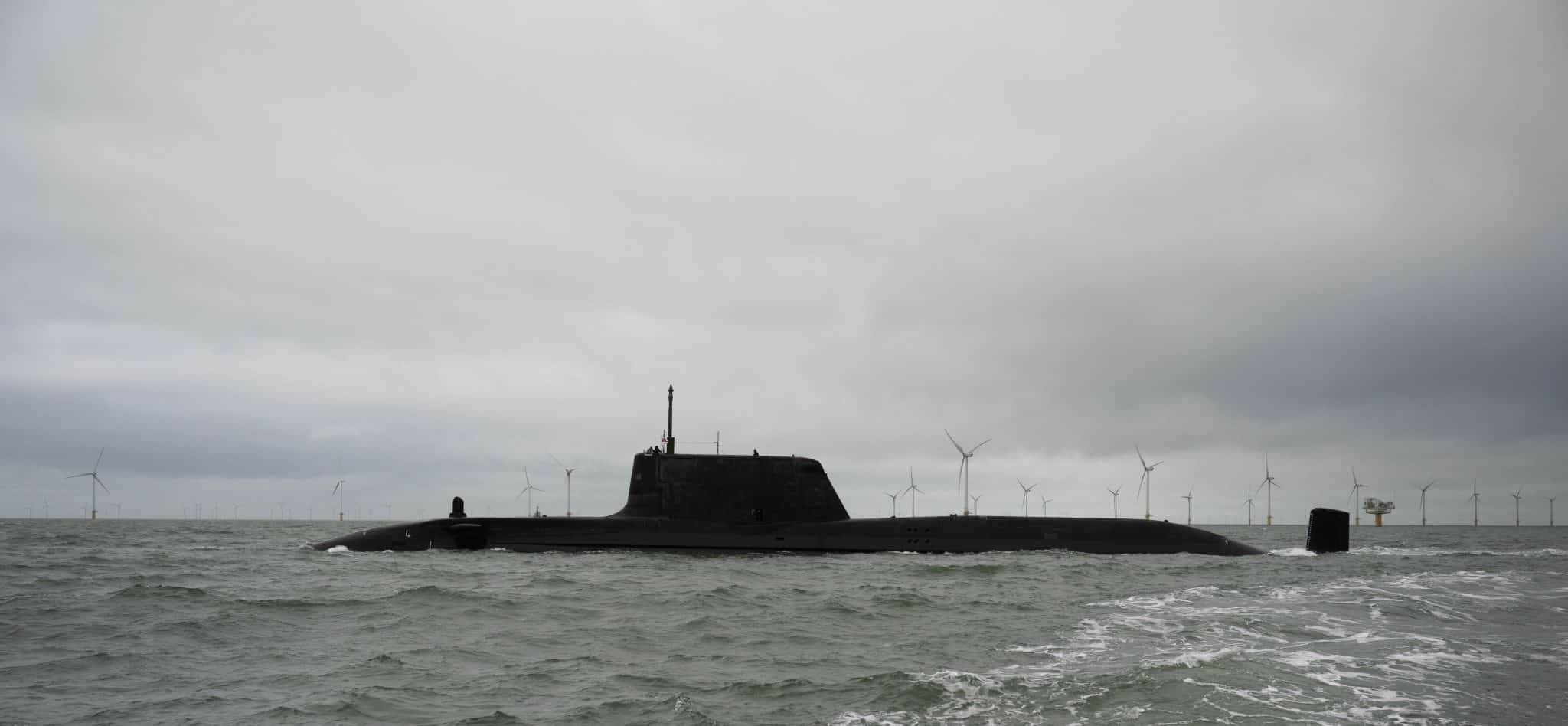
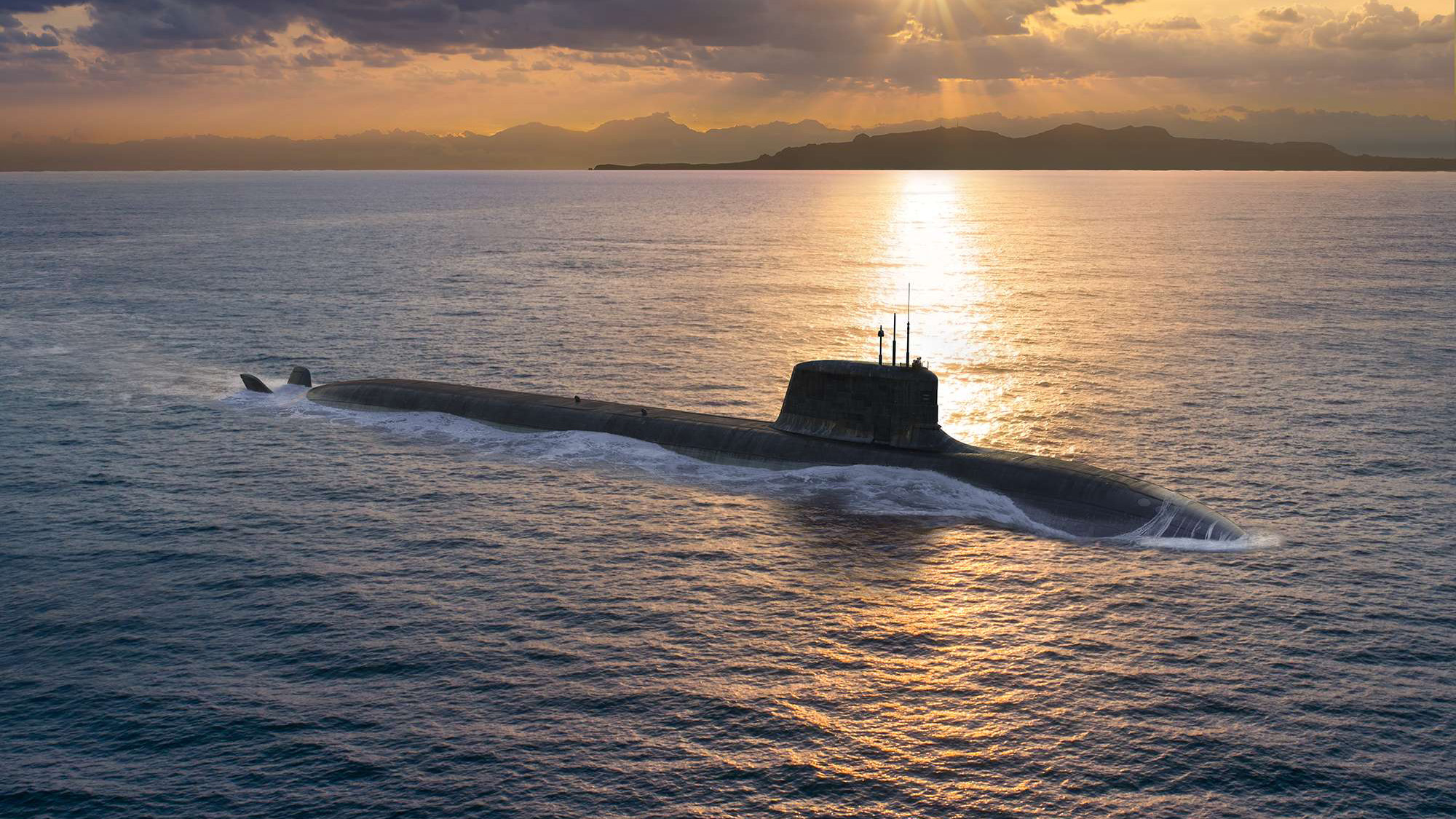
7 Astute SSNs
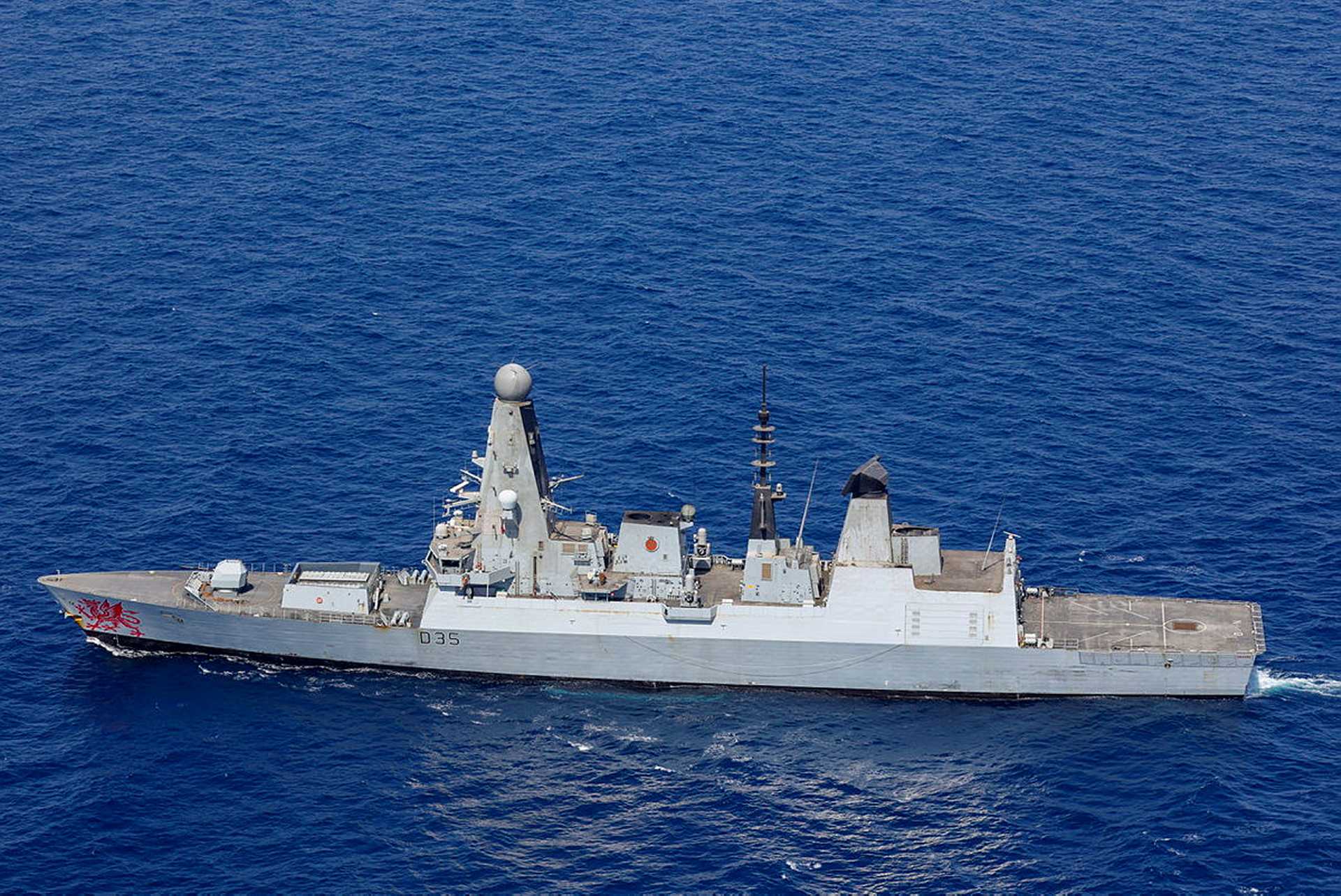
6 Type 45 AAW Destroyers (to be phased out)
8 Type 26 ASW Frigates (2028-2035)
5 Type 31 GP Frigates (2026-2028)
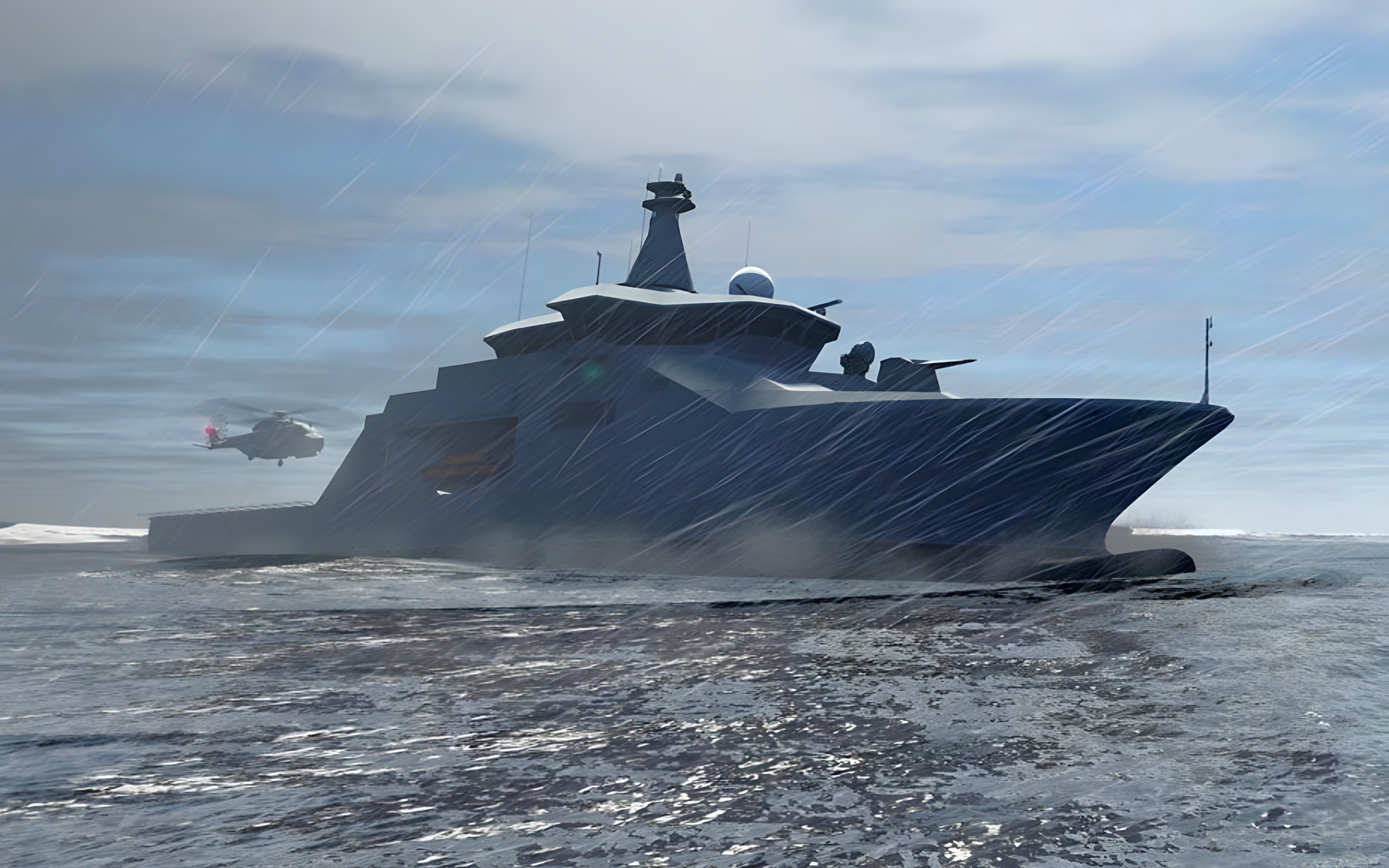
6 Common Combat Vessels (originally proposed by BAE as Type 31 variants for Command and Control of the Hybrid Fleet)
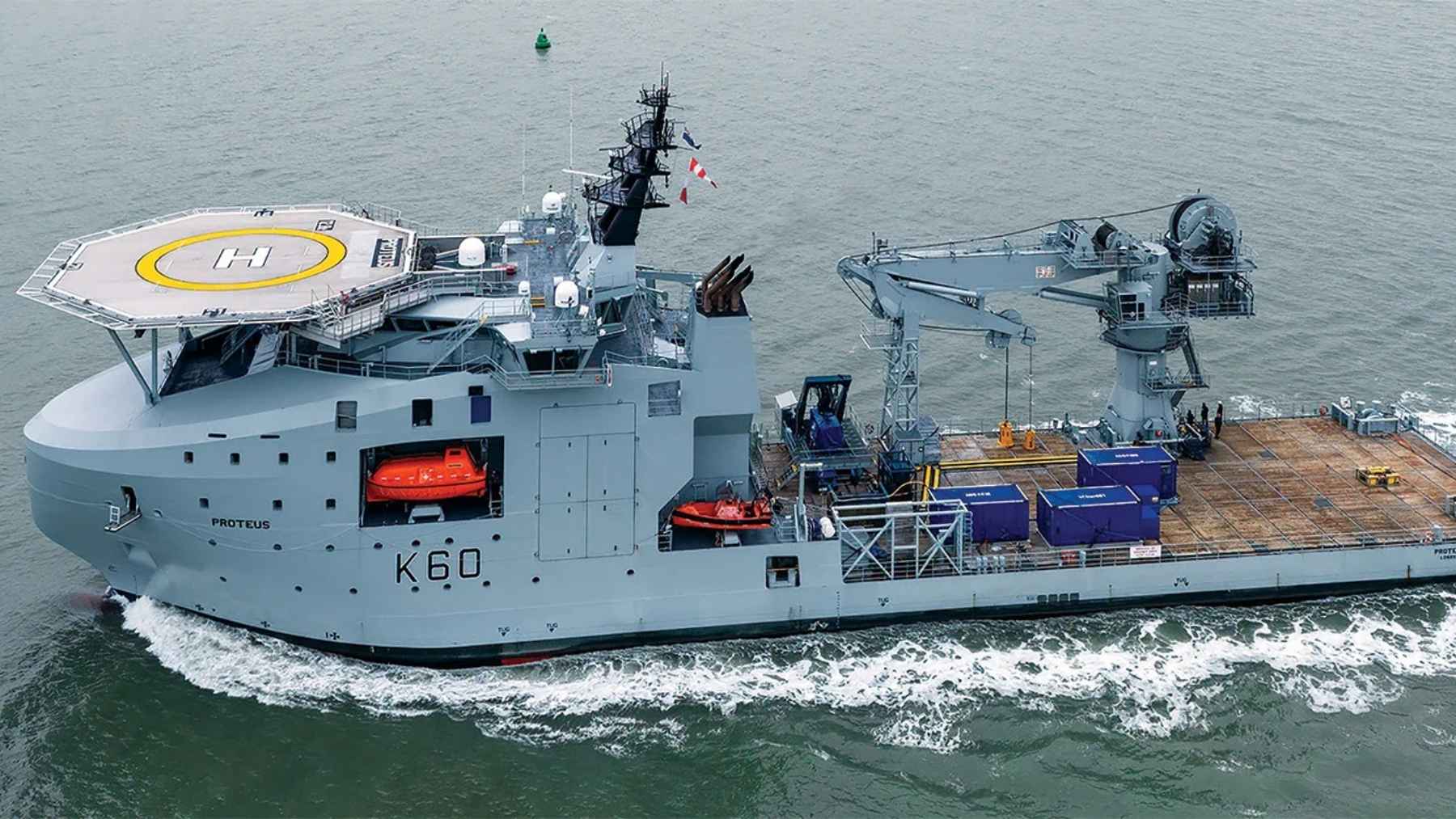
4 OSV Motherships (to support minehunting and underwater infrastructure patrols)

Underwater infrastructure protection will also be managed by the commercial operators of the infrastructure. This will add to the Sense aspects, increasing the sensing of movements of ships and submarines.

Other Blue Water Assets

4 Vanguard SSBNs
2 Queen Elizabeth CVs
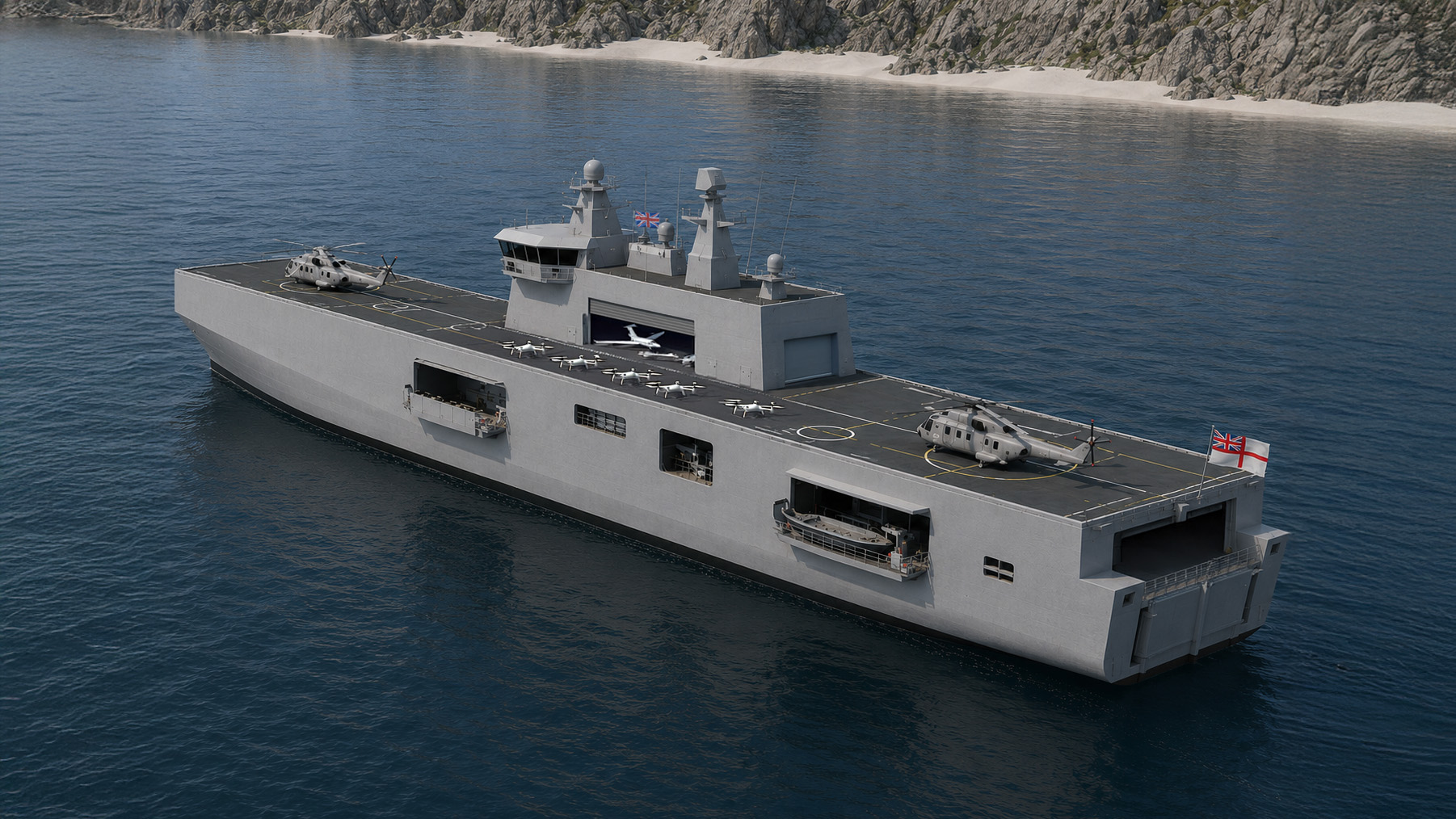
3 Bay Class LSD(A)s (to be phased out and replaced and/or expanded with new Amphibious Transport Ships)
8 River Class OPVs (to be modernized and/or expanded)

In addition the Royal Marines will be getting

60 Future All Terrain Vehicles (BVS10 Beowulfs to replace their BVS10 Vikings)
30? Joint Commando Craft (24 m, 60 tonne, 40-50 knots, long range, long endurance, capable of landing marines, ATVs and UGVs) - in conjunction with Norway for Norwegian style coasts (Rocky)

Weapons and Munitions

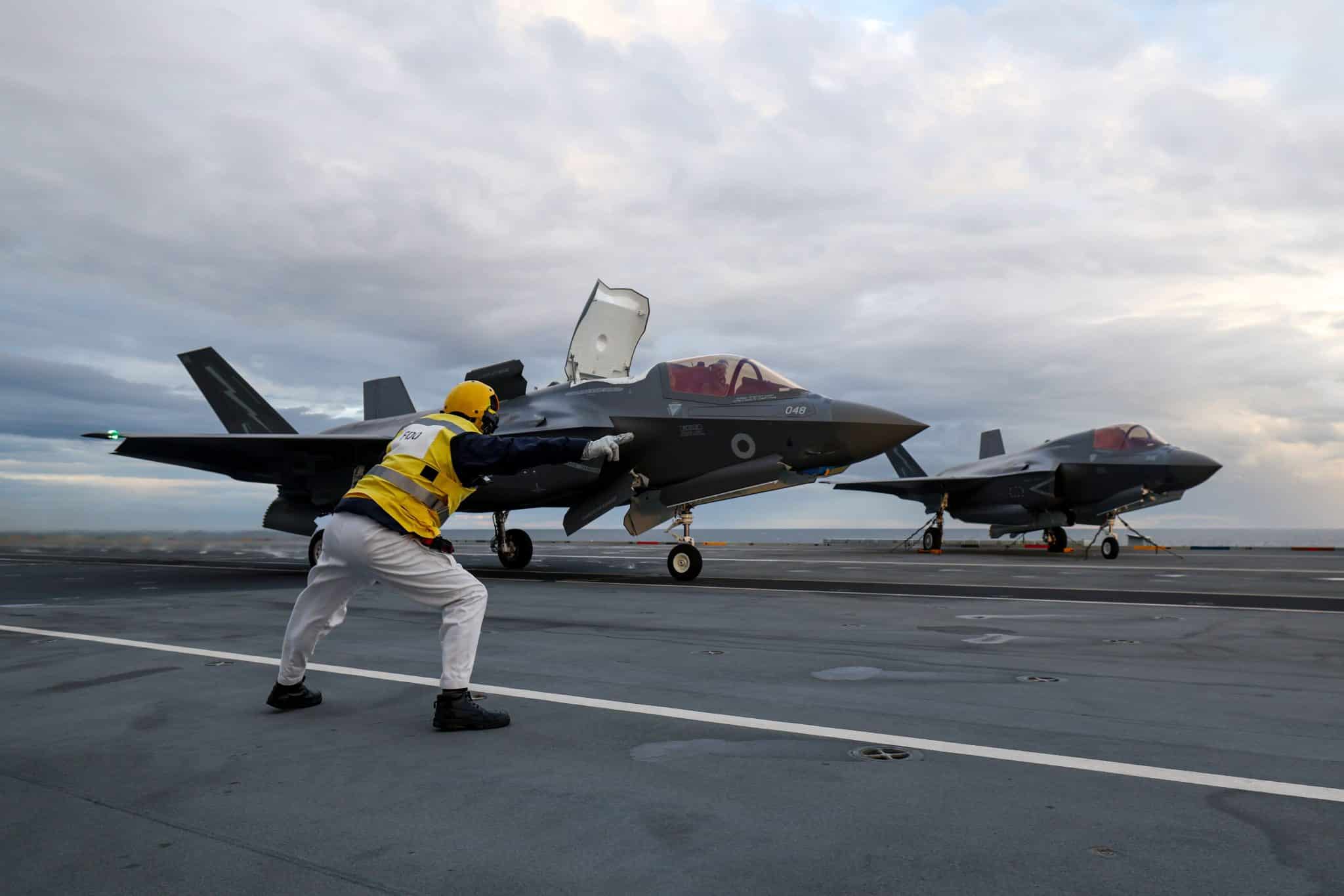
CCA UAVs launching from the Queen Elizabeth CVs by end of 2027 (Project Vanquish)
MQ-9 (STOL) launching from the Queen Elizabeth CVs for persistent sensing (AEW and Surface Search) - leading contender
UAVs and Heavy Lift Drones to replace phased out Wildcat Helicopters

Spearfish Torpedoes
CAMM SAMs
Martlet LMM Multipurpose Missiles
ASRAAM AAM/SAM Missiles
NLAW ATGMs
Sea Viper ABMs
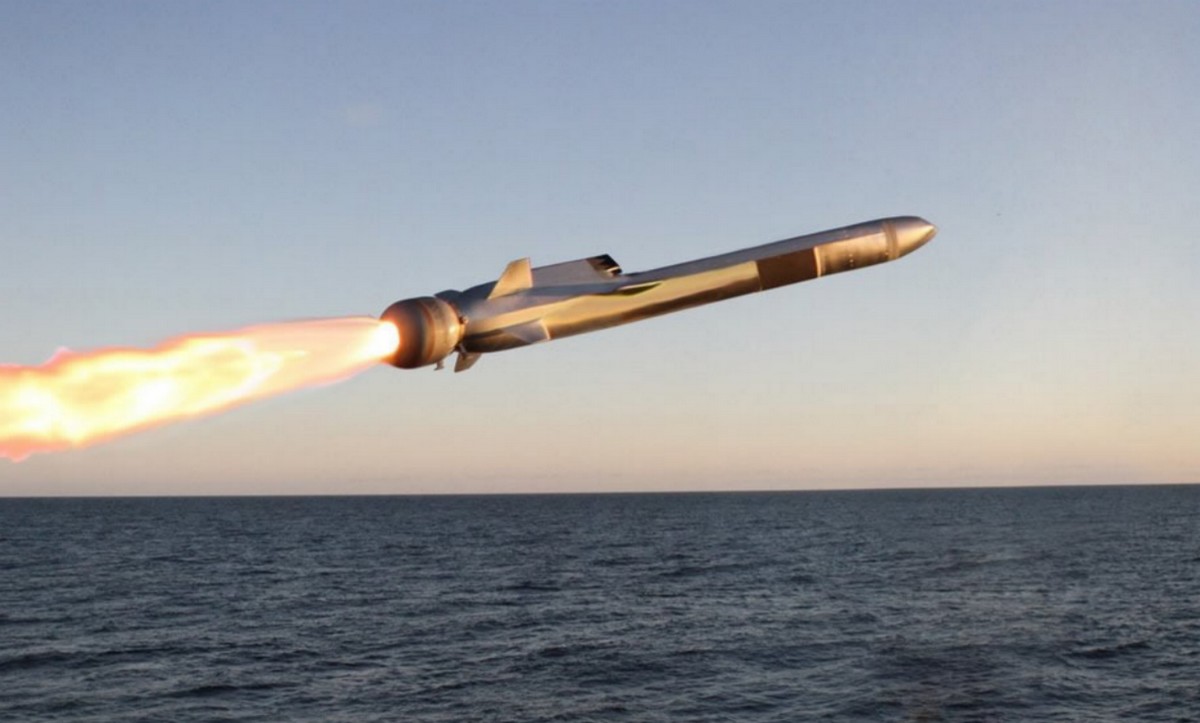
NSM SSMs
Apache Weapons (JAGMs? Brimstones? APKWS IIs? Martlets? 30x113m Prox Rounds?)
Deep Precision Strike (2000 km by the 2030s)
Stratus Missile (RS - Hypersonic (500 km) and LO - Stealth (100 km) both designed for launch from Typhoons and Type 26s and 31s)
PrSM (US SRBMs in common with the US and Australian HIMARS/MRLS launchers)
Low Cost Cruise Missiles
One Way Effectors
Inexpensive Autonomous Weapons Systems for the Army, Marines and Special Forces
SPEARCAP3 and Standoff Weapons for the F35s
Directed Energy Weapons (DragonFire Lasers on the Type 45s from 2027)
New Ammuntion for the Type 31 guns (Volcano? Prox rounds for CUAS?)

6 new factories for energetics for the munitions.
 
"At least a quarter of the £5 billion announced for drone warfare is going towards a “hybrid fleet,” a fundamental re-imagining of the Royal Navy. The UK’s sole ballistic missile defence capability – the Type 45 destroyers – will no longer be replaced by a like-for-like. Instead, a network of Crewed Combat Vessels (CCVs) will act as control hubs for specialised, uncrewed boats.

"These would include Type 91 missile barges, Type 92 and Type 93 anti-submarine and underwater surveillance platforms, and Type 94 radar vessels. In principle, distributing the sense, decide and strike functions across the navy offers several advantages."


Some concern about 5 BUKP being pretty paltry.

But if the effectors are containerised and covered under the separate munitions budget, likewise for the sensors....

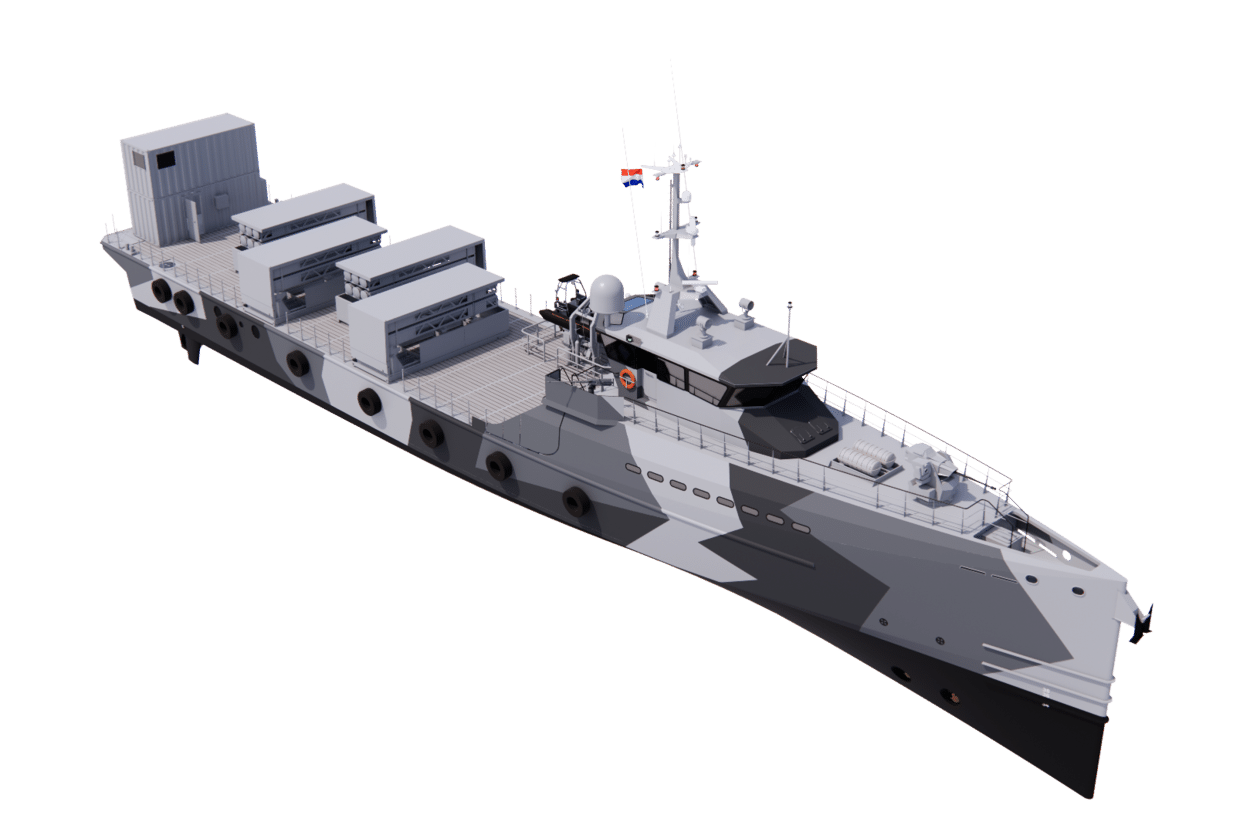
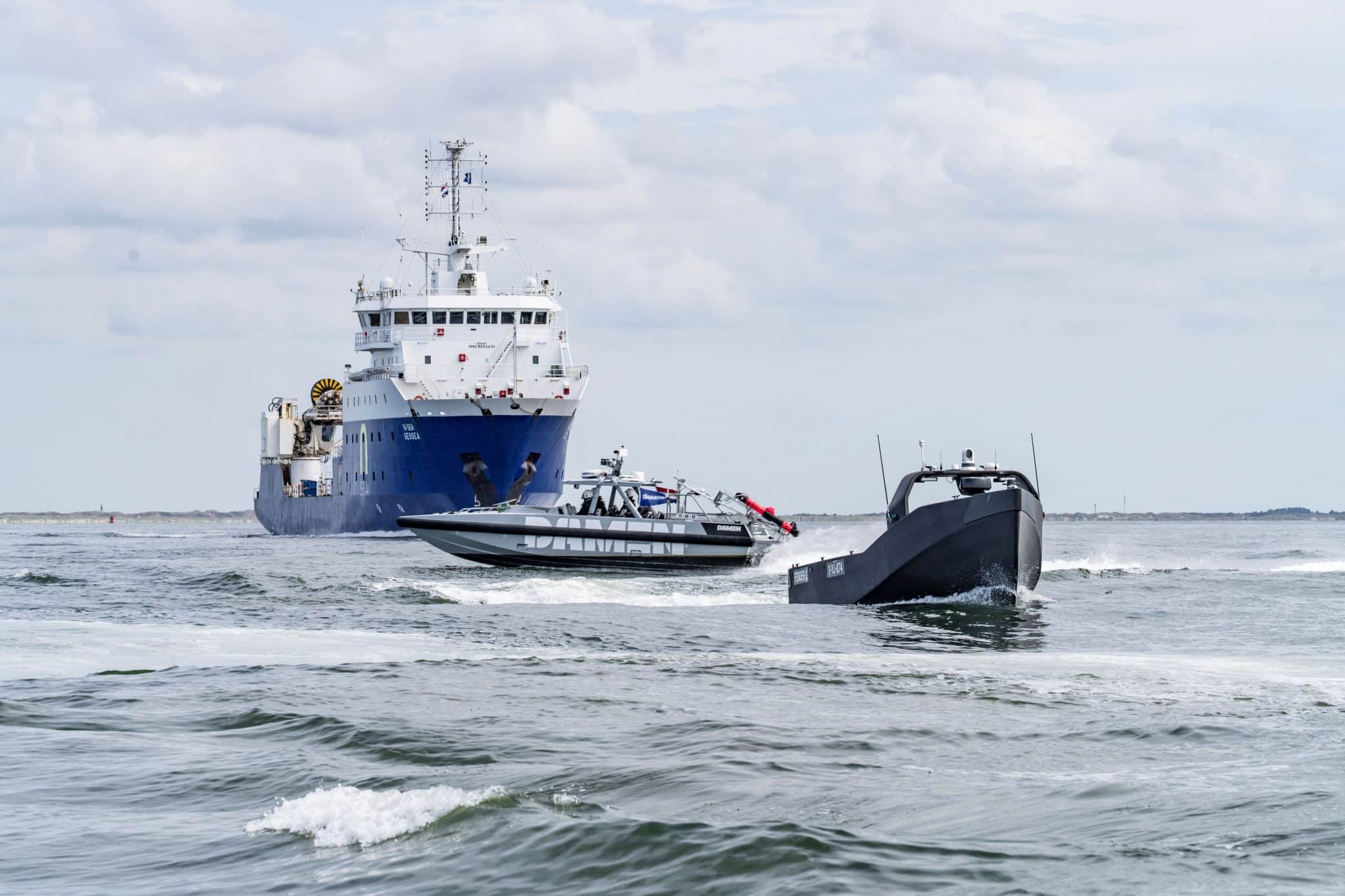
Consider that the Type 91, 92 and 94s were all configured around the Autonomous USVs, like the Dutch Multifunctional Support Ship based on the Damen Fast Crew Supplier 5009, the British XV Patrick Blackett based on the Damen Fast Crew Supplier 4008 or the USNs MUSVs modeled after the Leidos/Swiftships Fast Supply Vessel Riley Claire/Nomad.

The British solution cost 7 MUKP for the Patrick Blackett
Fast Supply Vessels like the Riley Claire cost less than 10 MUSD.
The USN is offering 15 MUSD to anybody that can supply a similar vessel ready to receive containers and sail autonomously.

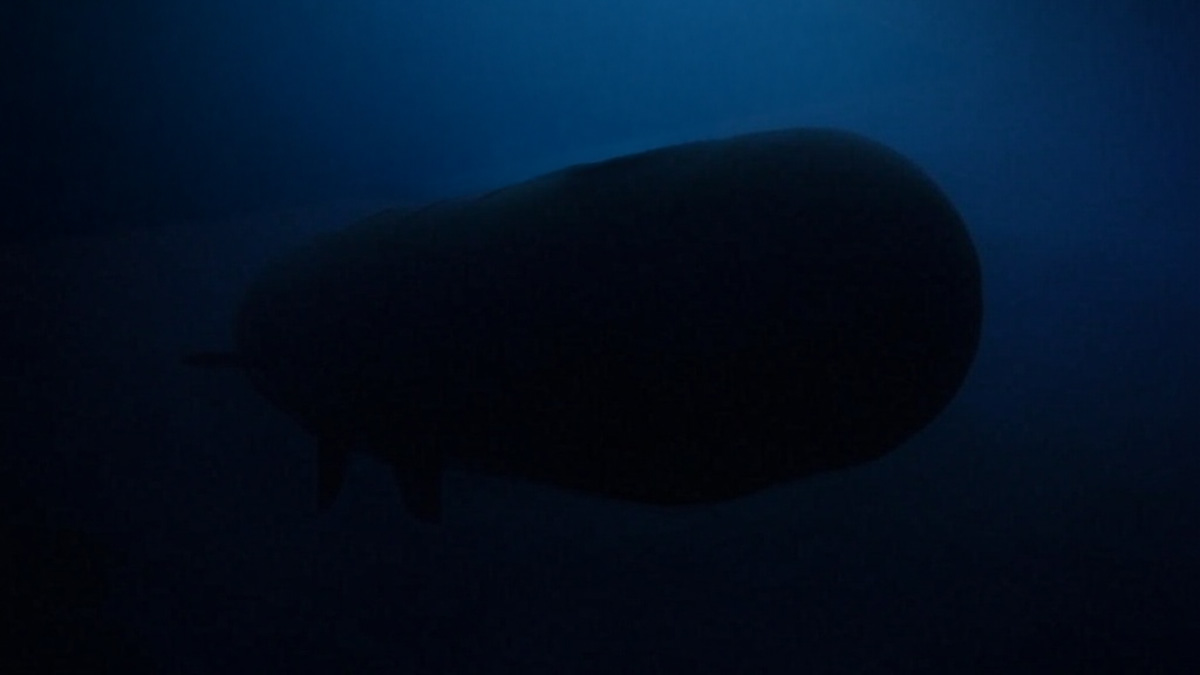
The British Cetus XLUUV XV Excalibur has as unit cost of 15 MUKP or 20 MUSD.

So.

5 BUKP = 6.8 BUSD

6800 MUSD divided by 20 MUSD per bare seaworthy hull (USV or UUV) = 340 autonomous platforms capable of riding out Sea State 4 to 6 while carrying 2 to 4 40 ft sea cans at speeds of up to 25 knots.

340 Type 91 Missile barges, Type 92 ASW sloops, Type 93 XLUUVs and Type 94 AAW Pickets (Sea Giraffes?)
 
Interesting article on the use of a 70 MUKP OSV with a moon pool as a mothership to a fleet of usvs to monitor underwater infrastructure.


I believe the RN is looking at buying three similar motherships from Norway as part of the Bastion plan.
 
"At least a quarter of the £5 billion announced for drone warfare is going towards a “hybrid fleet,” a fundamental re-imagining of the Royal Navy. The UK’s sole ballistic missile defence capability – the Type 45 destroyers – will no longer be replaced by a like-for-like. Instead, a network of Crewed Combat Vessels (CCVs) will act as control hubs for specialised, uncrewed boats.

"These would include Type 91 missile barges, Type 92 and Type 93 anti-submarine and underwater surveillance platforms, and Type 94 radar vessels. In principle, distributing the sense, decide and strike functions across the navy offers several advantages."


Some concern about 5 BUKP being pretty paltry.

But if the effectors are containerised and covered under the separate munitions budget, likewise for the sensors....

Consider that the Type 91, 92 and 94s were all configured around the Autonomous USVs, like the Dutch Multifunctional Support Ship based on the Damen Fast Crew Supplier 5009, the British XV Patrick Blackett based on the Damen Fast Crew Supplier 4008 or the USNs MUSVs modeled after the Leidos/Swiftships Fast Supply Vessel Riley Claire/Nomad.

The British solution cost 7 MUKP for the Patrick Blackett
Fast Supply Vessels like the Riley Claire cost less than 10 MUSD.
The USN is offering 15 MUSD to anybody that can supply a similar vessel ready to receive containers and sail autonomously.

The British Cetus XLUUV XV Excalibur has as unit cost of 15 MUKP or 20 MUSD.

So.

5 BUKP = 6.8 BUSD

6800 MUSD divided by 20 MUSD per bare seaworthy hull (USV or UUV) = 340 autonomous platforms capable of riding out Sea State 4 to 6 while carrying 2 to 4 40 ft sea cans at speeds of up to 25 knots.

340 Type 91 Missile barges, Type 92 ASW sloops, Type 93 XLUUVs and Type 94 AAW Pickets (Sea Giraffes?)


I need to revise this.

The Navy's share of the Drone budget for autonomous hulls is only 1.5 BUKP or 30% of the total

That means something like 100 hulls instead of 340.
 
Continued commentary on The Hybrid Navy
An uncrewed missile barge (Type 91 LUSV) by 2030 or 3 to 4 years.
The optionally crewed Dutch "missile barge", the Multifunction Support Ship, is due to enter service in 2027.
The USN anticipates 39 MUSVs in service in 2027 (delivered from at least 7 different suppliers with 7 different designs) with 83 in service by 2031.

 
This article from the US Library of Congress does a good job of summarizing developments up to the now cancelled MASC procurement model in 2025. That procurement plan has been replaced by the current marketplace model.

Rather than designing as specifying the new vessels they have asked the marketplace to supply whatever they can immediately and the USN will buy them and start using them to explore their full range of capabilities.

 
One thing that continues to fascinate me is whether or not small unit developments will outpace large unit developments and quickly render today's plans for MUSVs and LUSVs obsolescent by the time they hit the water.

There seems to be a lot of small (2 to 20m) vessels in and under the water that have useful payloads, long legs and long endurance.

They are cheap to build, fast to develop and modify and no great loss if they die r disappear. They can be easily replaced.

What does the world look like if the North Atlantic is carpeted by hundreds of 20m Saildrones, 11m launches and 6m XLUUVs, all operating within sight of each other, communicating through air and water in real time and capable of launching additional effects on, over and under the sea?

We built big to accommodate people because only people could accomplish the tasks we wanted done.

Now a lot of those tasks can be done cheaply by small macines.
And we can get actual people on to any scene anywhere in a matter of hours.


This ship has been developed by the same Plymouth UK company that has supplied the Project CETUS XLUUV XV Excalibur to the RN.


MAS is designed to carry drones and can be used as a test bed for new navigation software, renewable energy and propulsion systems for marine vessels.

Mayflower autonomous ship design and features
The Mayflower Autonomous Ship has an overall length of 15m, is 6.2m wide, has a beam of 16.8m, a draft of 0.875m and a sail area of 159m². It has a weight of 4,535kg (5t) and a capacity of 700kg for equipment.

The ship’s hull is made of glass/aramid/foam composites, while the deck is built using carbon/Nomex materials.

A trimaran design integrating a multi-hull structure is adopted for the ship to enable low-speed motoring. The hull configuration is designed to reduce windage (air resistance) and wave impact. The centre hull features a lower silhouette, while the wings and deck are separated and raised above the struts.


Lessons of the PT Boats for USVs


"Modern drone technology could make the Jeune Ẻcole strategy viable. Drones attacking en masse with strong sensors, fire control, stealth, and reliable communication assets could stall or defeat a strong adversary.

"But technology alone does not deliver success. Drones must be deployed in high numbers to proper environments, following well-developed doctrine and sound tactics. Learning from the PT boats’ failures could help reach the Hellscape objectives."

....

Hellscape is a proposed course of action for the defence of the Taiwan Straits.
I figure that the lessons are applicable to any littoral operations, including the North Atlantic.

Littoral defined in Australian terms

"The Army defines the littorals as “the areas of the sea that influence the land, and the areas of the land that influence the sea”."

 
The above represents the operating environment of the HMS Prince of Wales and its onboard "hybrid" force.


Not shown is the top cover supplied from air and space assets operated by the RAF and allies: Satellites, HAPS, RPAS MQ-9s, P-8s and Voyager/Typhoon/F35.

Also not shown is the developing subsurface environment of submarines augmented by UUVs and the linear features of the trans-oceanic cables which are developing into permanent sensors and support infrastructure for enduring UUV patrols.

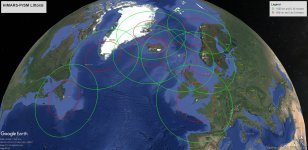
The article below includes an interesting map that includes the undersea cables that cut up the North Atlantic.

 
Last edited:
RN Updates - lots of promises and some activity.

...


T26 and T45 are mentioned in the parliamentary question. The lack of answer gets me wondering if a retrofit to the River OPVs might not be forthcoming.

....

The AUKUS subs are advancing to steel cutting.


...

The new fleet starts to take shape


...

Drones, central to the design of both the motherships and the amphibs as well as future strategy


...

But delivery of drones still up in the air

 
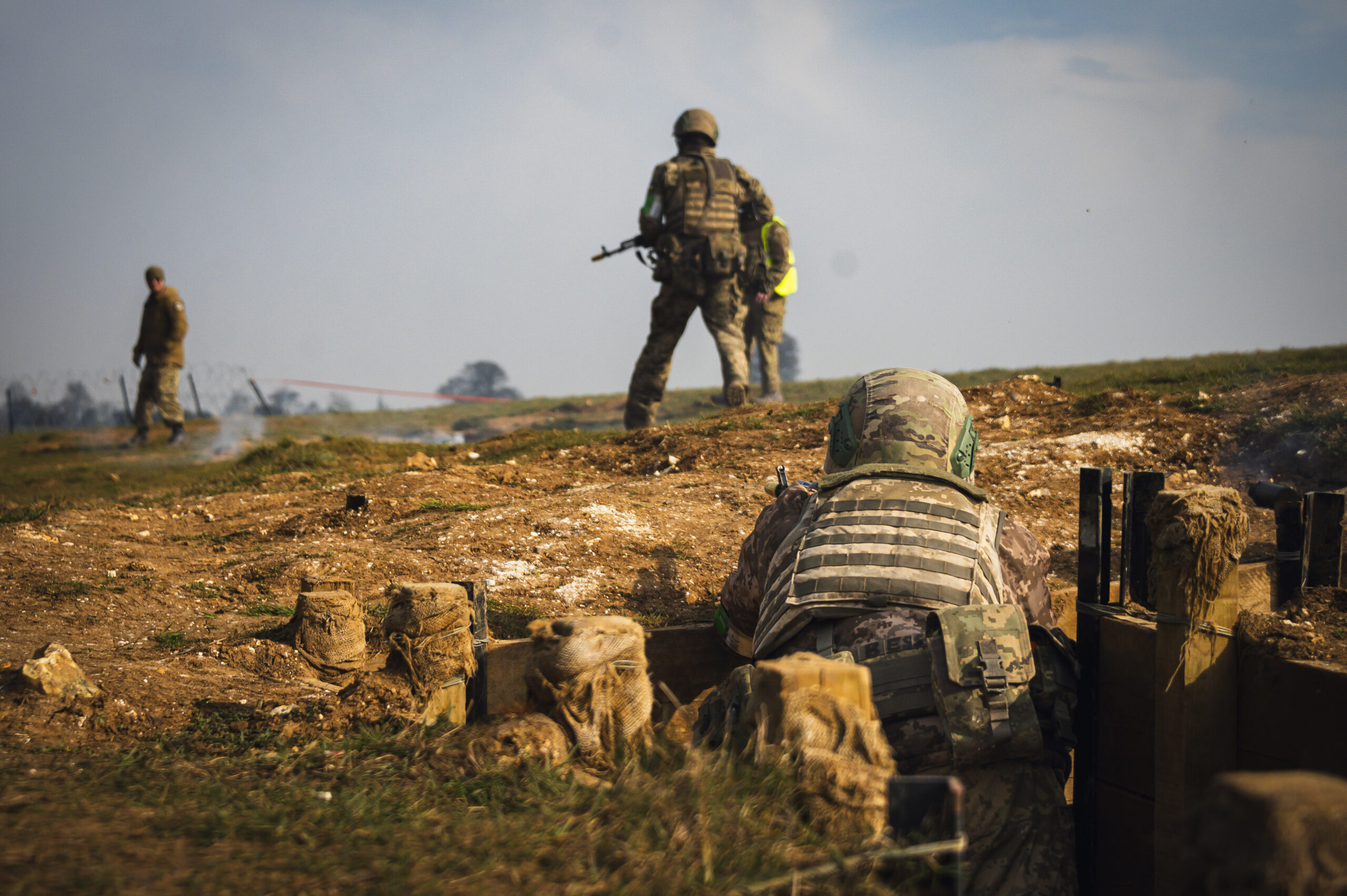
Where do you train a hybrid navy?

Salisbury Plain.

 
I hate to say this (well, not really) Kirkhill, but that bridge simulator is not even close to the one we already have at HMCS VENTURE on the West coast.

It's so realistic that, when I was there a couple of years ago and we were shown the demonstration with our spouses that were not sailors, two things happened: The simulator "tips" the picture to give the realistic feeling of being heeled over in a high speed turn, even though the actual platform is fixed and remains level. All of us sailors automatically leaned into the turn as if we were at sea as a natural reflex. Our spouses crawled to the back and grabbed on to whatever they could with fear on their face as they didn't understand what was going on. That's how realistic the sim was.
 
Given the developing association of the RN, the Dutch, Norwegian and Danish navies this, together with the Dutch missile carriers being built by Damen and the Damen built USV, the RN's XV Patrick Blackett, this seems relevant.


Also given the selection of Norway's preferred submarine by Canada, Canada's discussions with the UK/Dutch/Danish/Norwegian-inclusive Joint Expeditionary Force, and their communal acceptance of the Maritime Proposition, Canada's well established position in UUV, AUV and USV technology, it seems reasonable to assume this will impact Canadian developments.


..............

And all of this activity is against the backdrop of the US transitioning the Virginia based NATO Joint Forces Command responsible for the North Atlantic, Baltic and Arctic to a British officer.
 
"NATO planners would love it if the Canadians became experts in maritime drones. "

A Carlyle-Bloomberg take on Canada from James Stavridis USN ret'd.

"“We are rapidly scaling our capabilities through historic investments in new submarines, icebreakers, aircraft and cyber defenses, and strengthening our partnerships with Allies around the world,” Carney said after the summit.

"Those are the right priorities as the new great game heats up in the Arctic."


How Canada Can Gear Up for the Arctic Great Game
July 20, 2026 at 4:00 AM MDT

By James Stavridis
James Stavridis is a Bloomberg Opinion columnist, a retired US Navy admiral, former supreme allied commander of NATO, and vice chairman at Carlyle.


Canada is undertaking a massive buildup in defense spending to meet NATO's target of investing 5% of gross domestic product in defense by 2035.
Ottawa intends to prioritize acquisitions and upgrades, including spending on polar icebreakers, space surveillance, and maritime capabilities, to support its sovereignty in the Arctic.
Canada aims to develop indigenous systems and diversify its partnerships, including working with European NATO allies and other countries, while also investing in new submarines, aircraft, and cyber defenses.
At the North Atlantic Treaty Organization summit this month, Prime Minister Mark Carney of Canada repeatedly emphasized that his nation is undertaking a massive buildup in defense spending. “Canada is on a clear path to meet NATO’s target of investing 5% of gross domestic product in defense by 2035,” he indicated in a post-summit statement. “We are moving fast, making ambitious and strategic defense investments.”

I know Canada well from decades of operating with its naval and ground forces. In 1998, I had command of a Canadian guided missile frigate, HMCS Ottawa, as part of a destroyer squadron deployed to the western Pacific and Arabian Gulf. In the early 2010s, thousands of Canadian soldiers served under my command as part of the international force in Afghanistan. Nearly 200 were killed and several thousand were wounded. Whenever I saw that red maple leaf on a shoulder, I knew I was in the presence of a brave, professionally trained volunteer.

More recently, I participated in a wide-ranging conversation with Canadian civilian defense officials, active-duty senior officers and representatives from Canadian and US defense companies. What came through loud and clear is that Ottawa intends to follow through on Carney’s spending pledges.

So what should be Canada’s highest priorities in terms of acquisitions and upgrades? How can this “middle power” get the best bang for the Loonie?

Let’s start with geography. Because about 40% of Canada’s landmass is in the Arctic, Canadians have always had a special feel for what they call the “High North.” Only Russia has more Arctic coastline. When I was NATO commander, I asked the head of the Canadian armed forces, General Walt Natynczyk, what he would do if Russia attacked across the Arctic. Without missing a beat, he smiled and said, “Jim, if they were foolish enough to try, my mission would probably end up being search and rescue — for them.”

Levity aside, there is a new “great game” developing at the top of the world. On one side are seven NATO nations: the US, Canada, Denmark (because of Greenland), Iceland, Norway, Sweden and Finland. On the other side, of course, is Russia.

As the ice melts and major transit routes open, the competition for shipping, infrastructure, fisheries, oil, gas, strategic minerals and even tourism will intensify.

Thus, Ottawa is putting a huge chunk of its new defense bounty into supporting its sovereignty in the Arctic. It plans to spend $4 billion for two new polar icebreakers as part of a nearly $30 billion commitment for the high north. The Canadians are also planning to spend more on space surveillance, an area in which they have deep experience and a capable domestic industry. They are looking at building a stealth snowmobile and increasing every aspect of their ground-combat capabilities.

Canada is a maritime nation, with more coastline than any other country. While its naval forces perform well, it has an aging fleet in serious need of upgrades. Ottawa has selected the German shipbuilder Thyssenkrupp Marine Systems to deliver a new generation of diesel submarines and is moving toward contract negotiations.

But it also needs to upgrade its naval surface combatants, guided-missile systems, fire-control radars and electronic warfare suites. NATO planners would love it if the Canadians became experts in maritime drones. It might want to work with Pacific Ocean allies Japan, South Korea, Australia, Singapore and the US.

I have always been impressed with the high level of technical expertise in Canadian defense companies, especially in aerospace, but they have relied for too long on working with major American manufacturers.

The key for Canada is to develop indigenous systems wherever possible, and to diversify away from US prime contractors and look at other partners, particularly European NATO allies — tanker planes from Airbus, light aircraft from Swiss manufacturer Pilatus, and airborne early-warning systems from Sweden’s Saab. It should also look at working with shipbuilders in Japan and South Korea.

Of course, Ottawa will never be totally independent from the US. It is smartly showing interest in high-end aircraft such as the American F-35 Lightning and the P-8 Poseidon maritime patrol plane.

“We are rapidly scaling our capabilities through historic investments in new submarines, icebreakers, aircraft and cyber defenses, and strengthening our partnerships with Allies around the world,” Carney said after the summit.

Those are the right priorities as the new great game heats up in the Arctic.

This column reflects the personal views of the author and does not necessarily reflect the opinion of the editorial board or Bloomberg LP and its owners.


 
Canadian maritime drone manufacturers

Uncrewed Underwater Vehicles (UUVs) & AUVs

International Submarine Engineering (ISE):
Based in Port Coquitlam, BC, they are pioneers in the field. They manufacture customizable, long-range AUVs like the Explorer and Dorado platforms for under-ice and deep-water commercial/defense applications

Cellula Robotics: Headquartered in Vancouver, BC, they specialize in the design and production of long-range subsea robotic systems and autonomous underwater vehicles, including the Guardian AUV.

Kraken Robotics:
Based in St. John’s, NL, they are a major player in subsea robotics, manufacturing the ThunderFish AUVs and KATFISH towed systems used for seabed mapping and naval mine countermeasures.

MarineNav:
Located in Prince Edward Island, they design and manufacture specialized subsea ROV (Remotely Operated Vehicle) systems and marine-grade sub-surface technologies.

General Dynamics Mission Systems–Canada (GDMS-C):
Operating out of Ottawa and Halifax, they integrate global uncrewed maritime systems (such as the Bluefin and Knifefish AUVs) for the Canadian Armed Forces and NATO allies.

Uncrewed Surface Vessels (USVs)

XOCEAN:
Operating out of Dartmouth, NS, they build and operate a fleet of uncrewed surface vessels for carbon-neutral ocean data collection, seabed mapping, and environmental monitoring.

HydroSurv:
Based at the Centre for Ocean Ventures and Entrepreneurship (COVE) in Halifax, NS, they develop electric and hybrid USV platforms used for hydrographic and environmental data collection

Zero USV:
A UK-origin company that partnered with Nova Scotia’s Leeway Marine to build and charter Oceanus-class USVs for the Canadian offshore and defense markets.

QinetiQ Target Systems:
Headquartered in Medicine Hat, AB, they manufacture the "Hammerhead" kamikaze USV. This high-speed 5.2-meter vessel is deployed by the Royal Canadian Navy for swarm and live-fire threat simulations.

...

The Medicine Hat angle is a surprise. I can only assume it is tied to QintiQs association with Suffield. I have to admit, if secrecy were your intent Suffield is the last place you would expect someone to buila boat.

While Cellula and Kraken seem to be doing well enough on the UUV we may have a way to go to catch up to the Aussies and Brits on USVs.
 
Back
Top