"NATO planners would love it if the Canadians became experts in maritime drones. "
A Carlyle-Bloomberg take on Canada from James Stavridis USN ret'd.
"“We are rapidly scaling our capabilities through historic investments in new submarines, icebreakers, aircraft and cyber defenses, and strengthening our partnerships with Allies around the world,” Carney said after the summit.
"Those are the right priorities as the new great game heats up in the Arctic."
How Canada Can Gear Up for the Arctic Great Game
July 20, 2026 at 4:00 AM MDT
By James Stavridis
James Stavridis is a Bloomberg Opinion columnist, a retired US Navy admiral, former supreme allied commander of NATO, and vice chairman at Carlyle.
Canada is undertaking a massive buildup in defense spending to meet NATO's target of investing 5% of gross domestic product in defense by 2035.
Ottawa intends to prioritize acquisitions and upgrades, including spending on polar icebreakers, space surveillance, and maritime capabilities, to support its sovereignty in the Arctic.
Canada aims to develop indigenous systems and diversify its partnerships, including working with European NATO allies and other countries, while also investing in new submarines, aircraft, and cyber defenses.
At the North Atlantic Treaty Organization summit this month, Prime Minister Mark Carney of Canada repeatedly emphasized that his nation is undertaking a massive buildup in defense spending. “Canada is on a clear path to meet NATO’s target of investing 5% of gross domestic product in defense by 2035,” he indicated in a post-summit statement. “We are moving fast, making ambitious and strategic defense investments.”
I know Canada well from decades of operating with its naval and ground forces. In 1998, I had command of a Canadian guided missile frigate, HMCS Ottawa, as part of a destroyer squadron deployed to the western Pacific and Arabian Gulf. In the early 2010s, thousands of Canadian soldiers served under my command as part of the international force in Afghanistan. Nearly 200 were killed and several thousand were wounded. Whenever I saw that red maple leaf on a shoulder, I knew I was in the presence of a brave, professionally trained volunteer.
More recently, I participated in a wide-ranging conversation with Canadian civilian defense officials, active-duty senior officers and representatives from Canadian and US defense companies. What came through loud and clear is that Ottawa intends to follow through on Carney’s spending pledges.
So what should be Canada’s highest priorities in terms of acquisitions and upgrades? How can this “middle power” get the best bang for the Loonie?
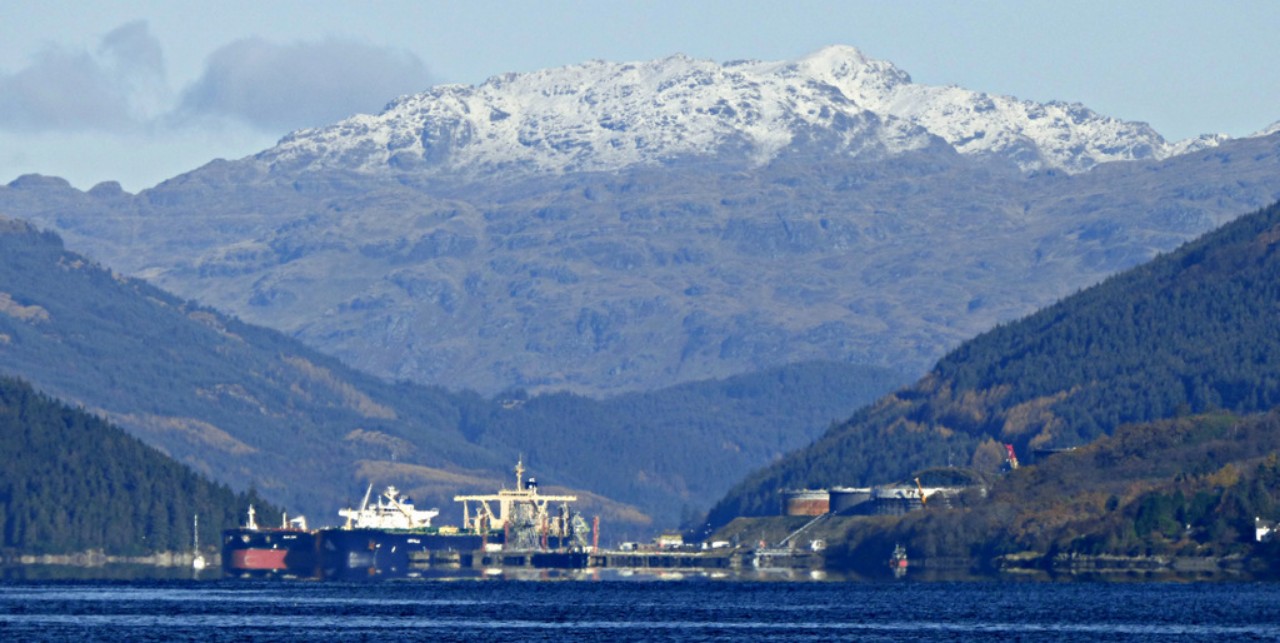
Let’s start with geography. Because about 40% of Canada’s landmass is in the Arctic, Canadians have always had a special feel for what they call the “High North.” Only Russia has more Arctic coastline. When I was NATO commander, I asked the head of the Canadian armed forces, General Walt Natynczyk, what he would do if Russia attacked across the Arctic. Without missing a beat, he smiled and said, “Jim, if they were foolish enough to try, my mission would probably end up being search and rescue — for them.”
Levity aside, there is a new “great game” developing at the top of the world. On one side are seven NATO nations: the US, Canada, Denmark (because of Greenland), Iceland, Norway, Sweden and Finland. On the other side, of course, is Russia.
As the ice melts and major transit routes open, the competition for shipping, infrastructure, fisheries, oil, gas, strategic minerals and even tourism will intensify.
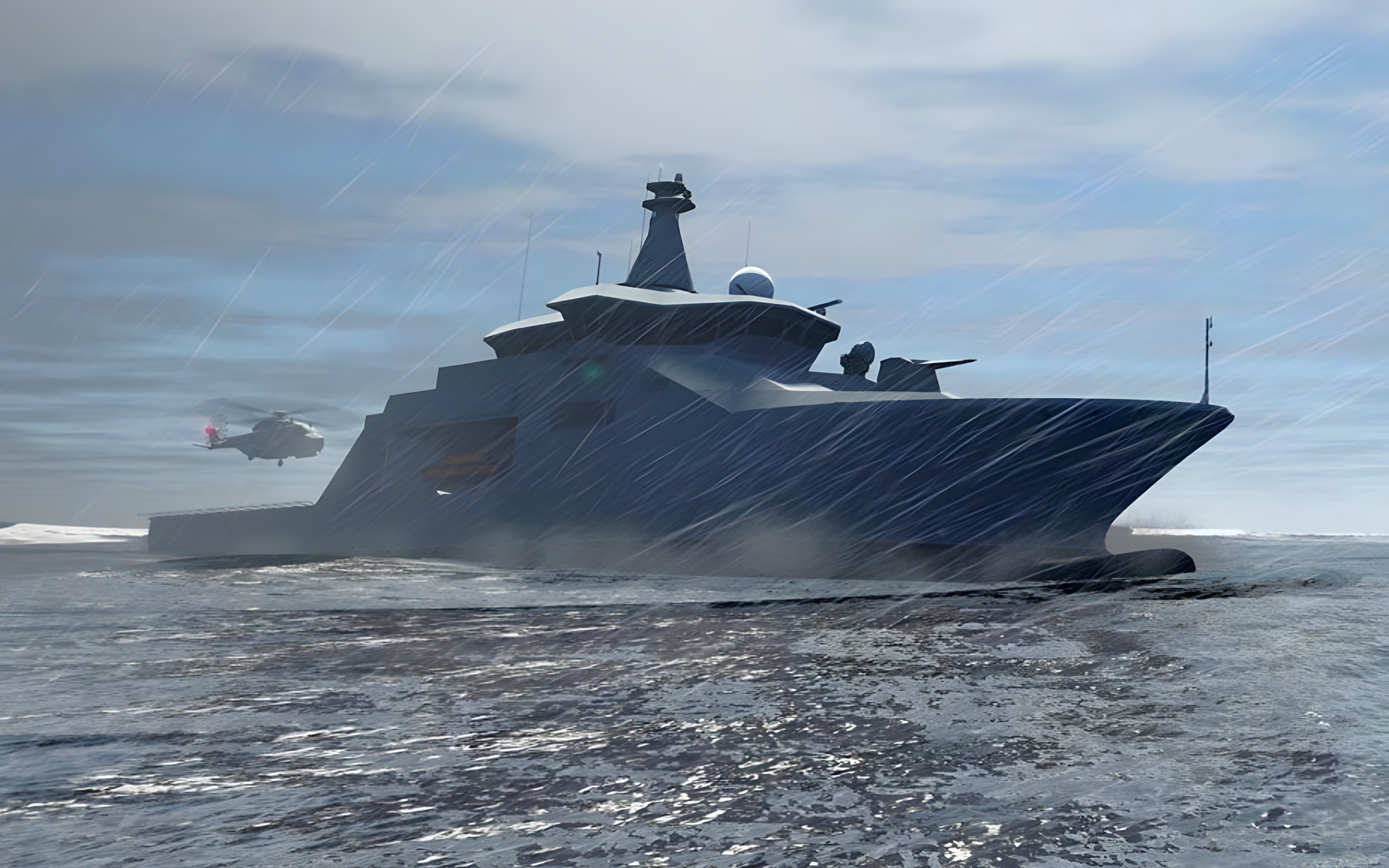
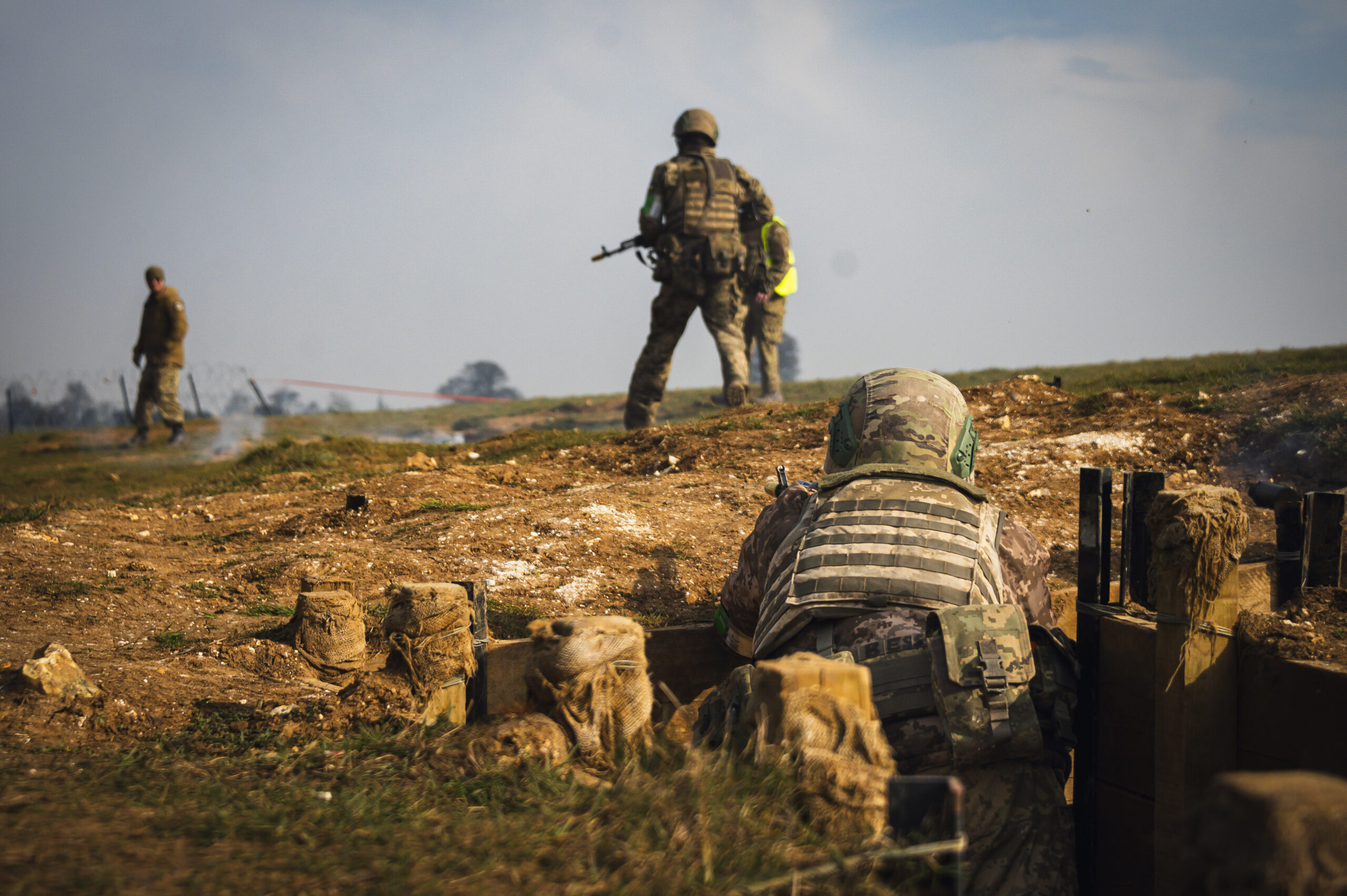
Thus, Ottawa is putting a huge chunk of its new defense bounty into supporting its sovereignty in the Arctic. It plans to spend $4 billion for two new polar icebreakers as part of a nearly $30 billion commitment for the high north. The Canadians are also planning to spend more on space surveillance, an area in which they have deep experience and a capable domestic industry. They are looking at building a stealth snowmobile and increasing every aspect of their ground-combat capabilities.
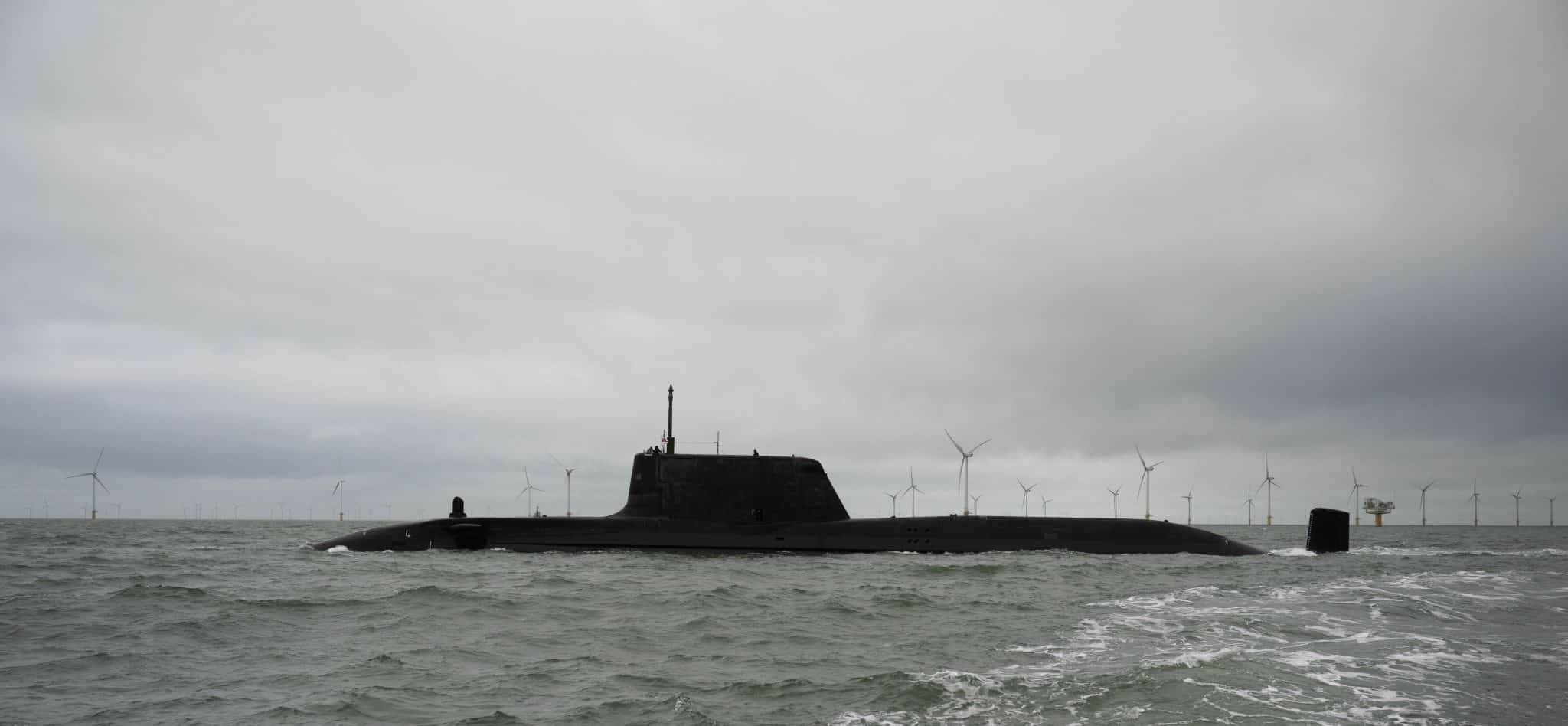
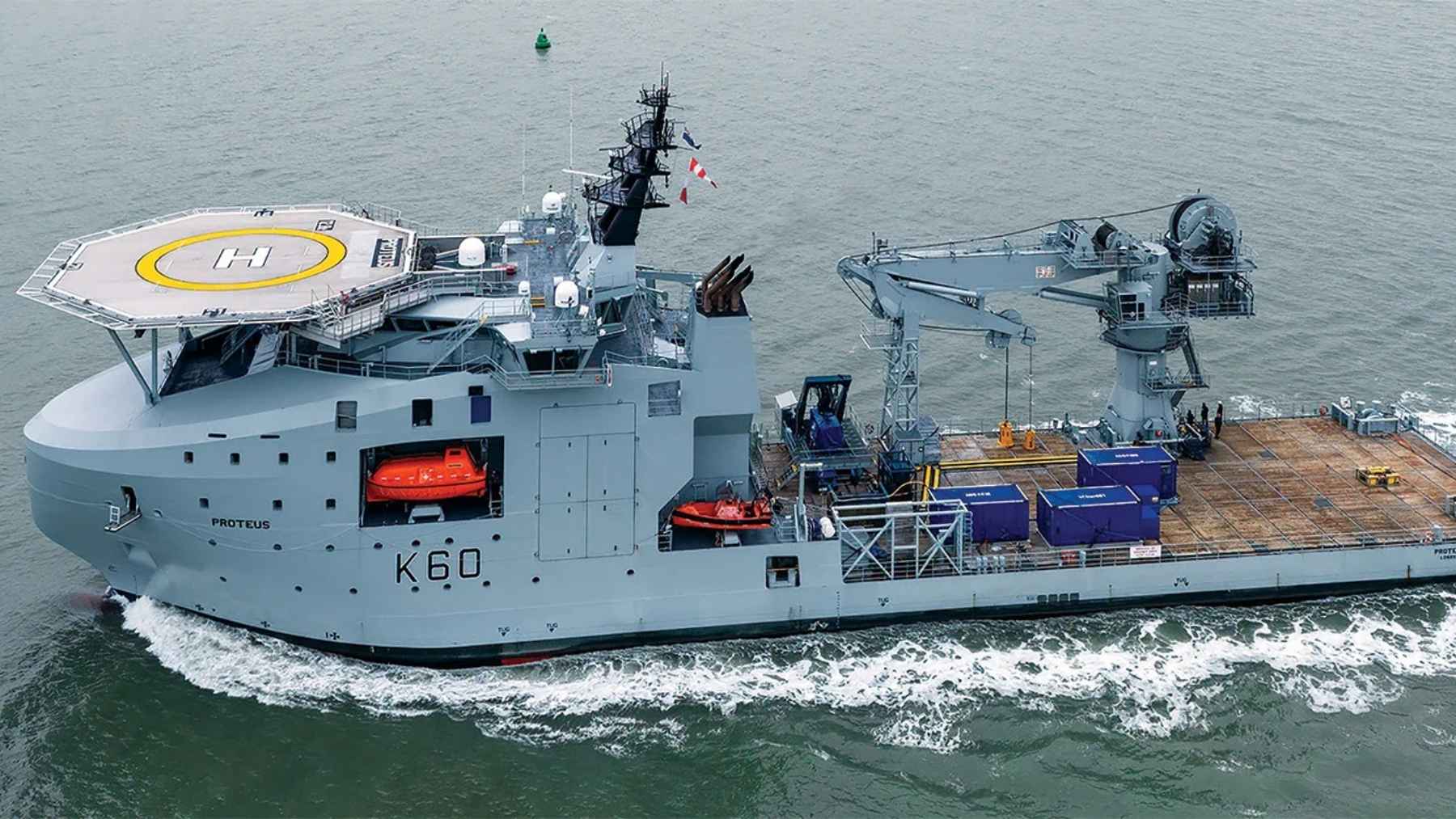
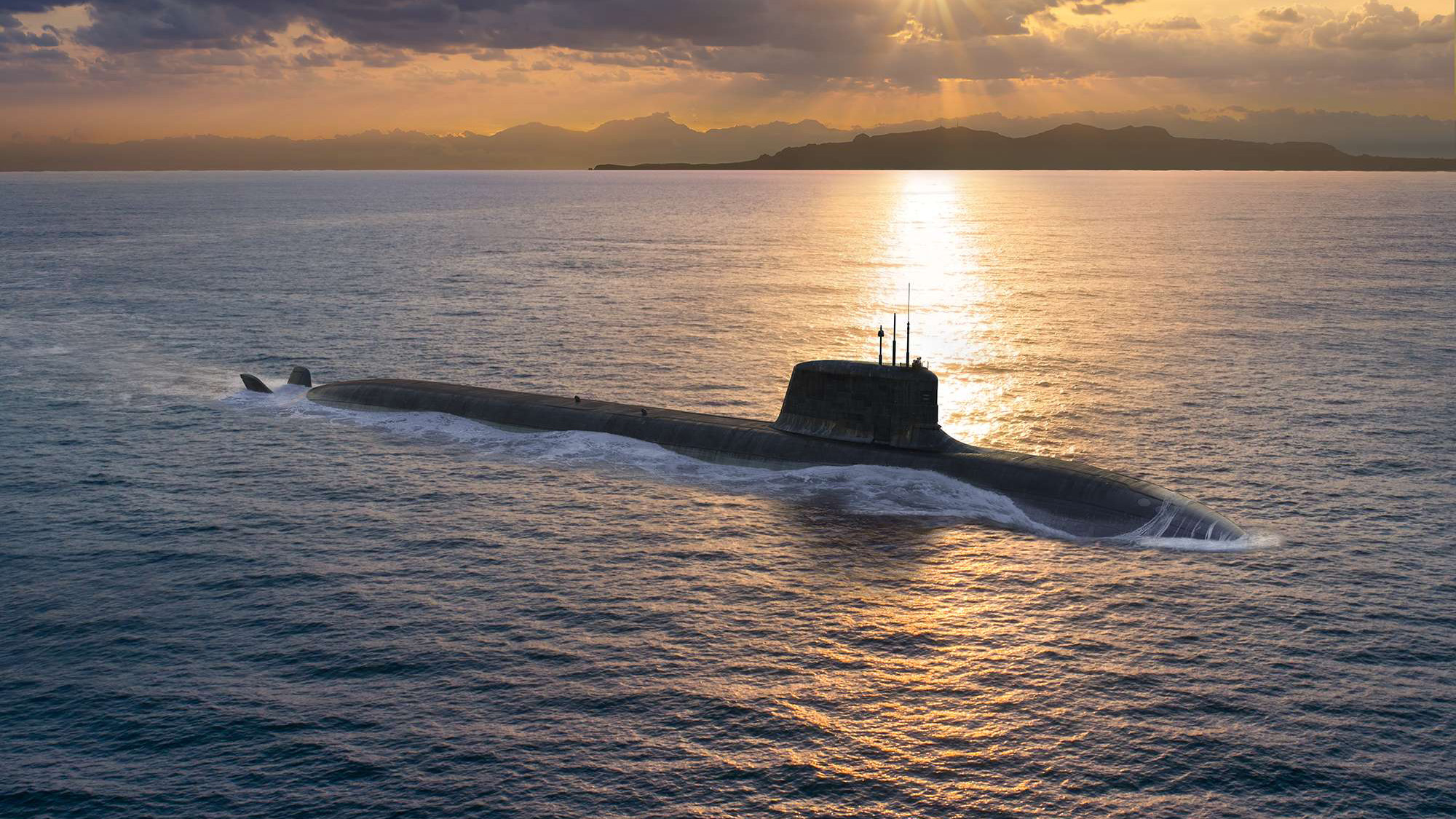
Canada is a maritime nation, with more coastline than any other country. While its naval forces perform well, it has an aging fleet in serious need of upgrades. Ottawa has selected the German shipbuilder Thyssenkrupp Marine Systems to deliver a new generation of diesel submarines and is moving toward contract negotiations.
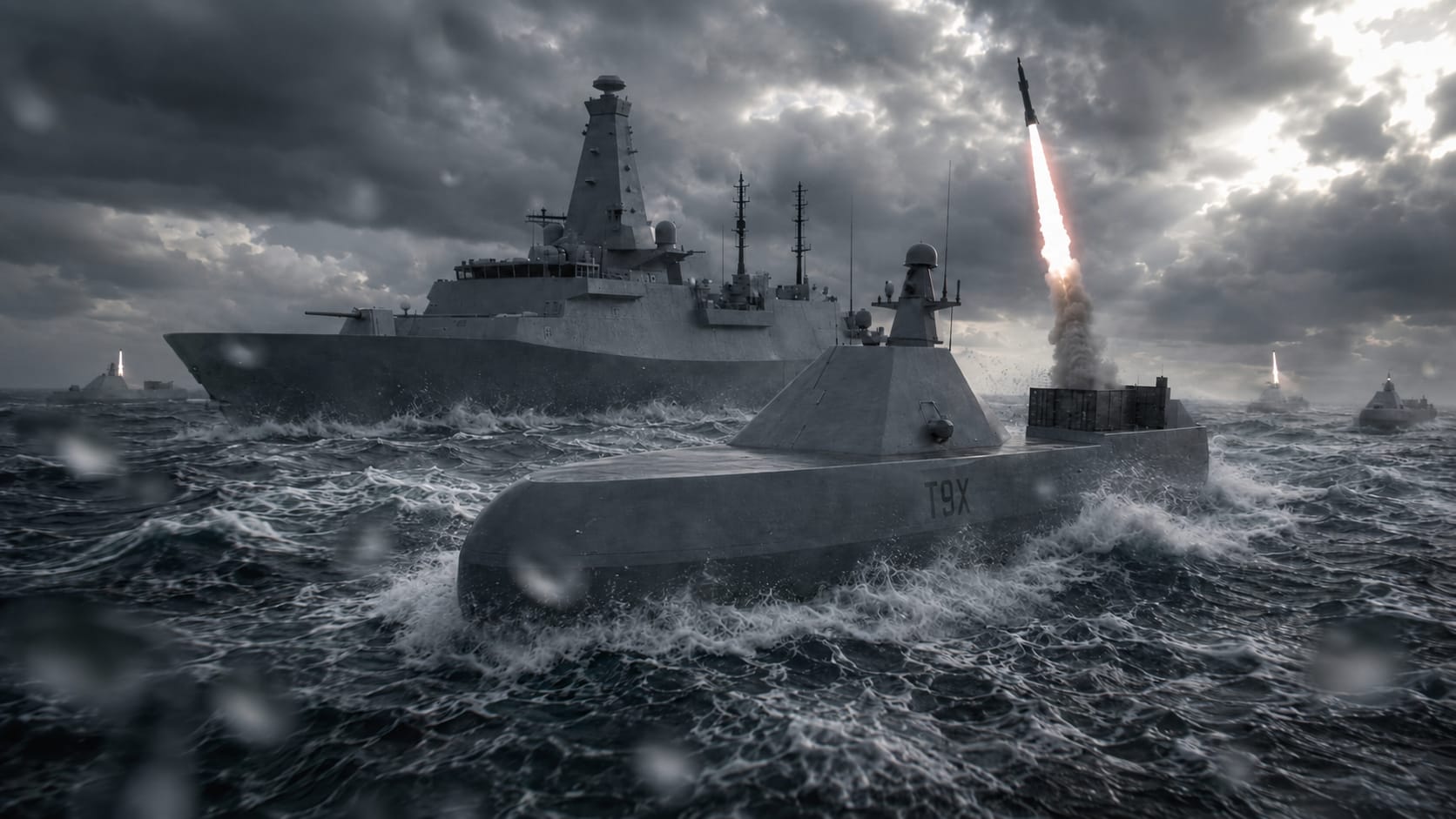
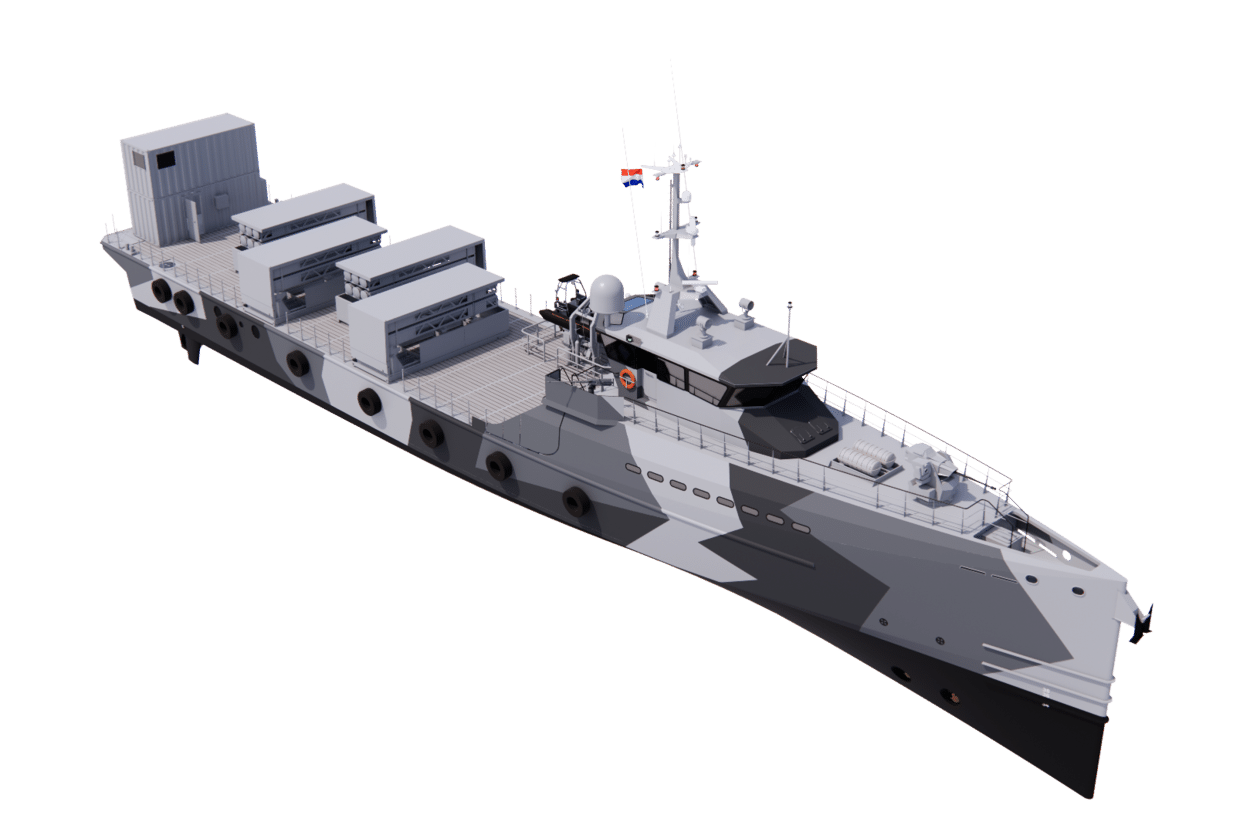
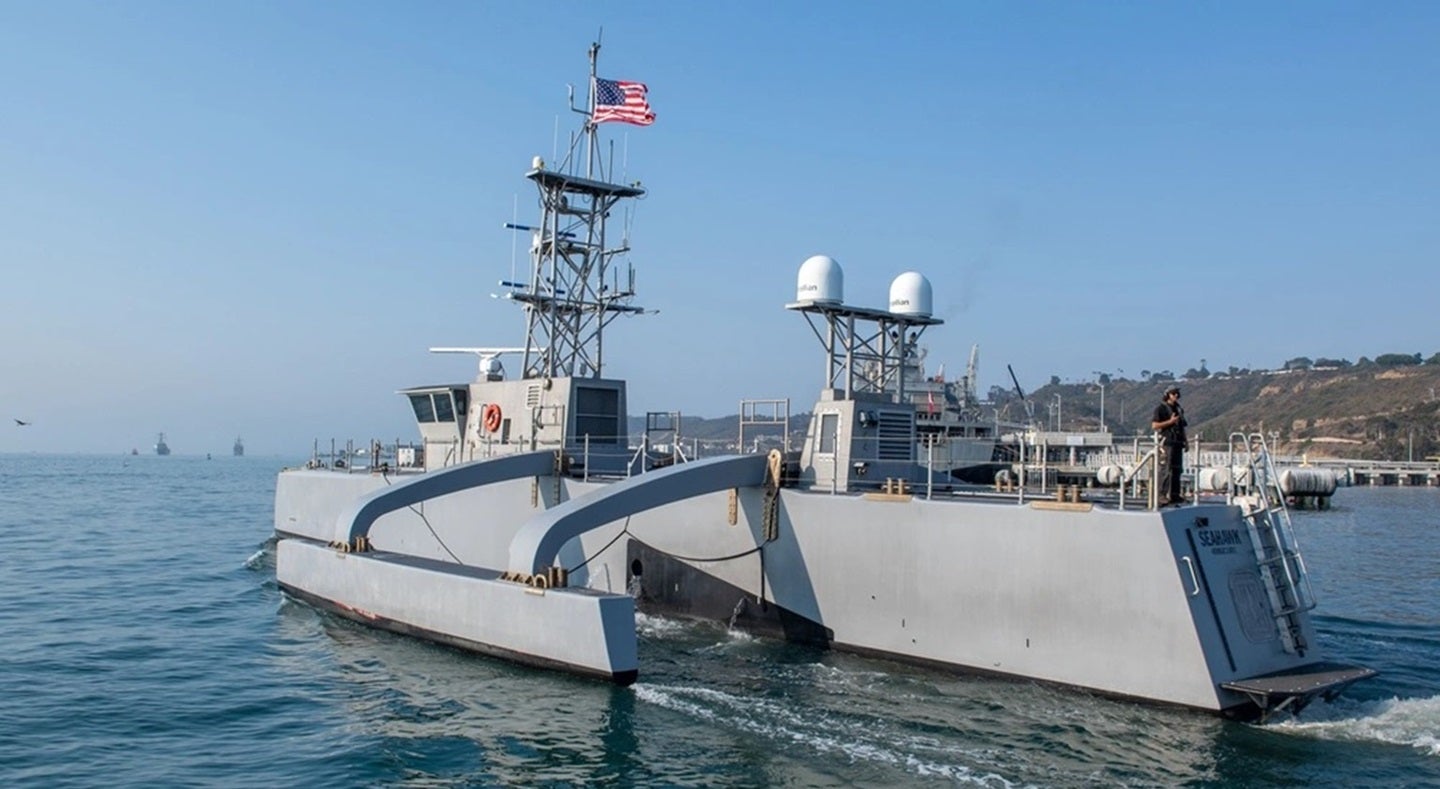
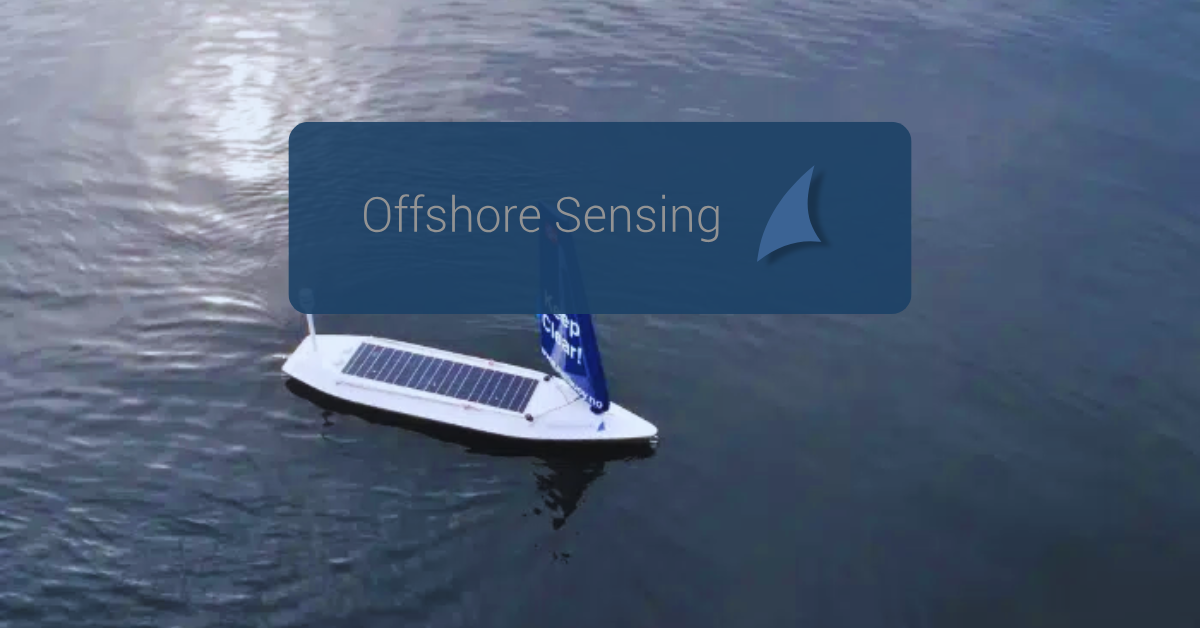
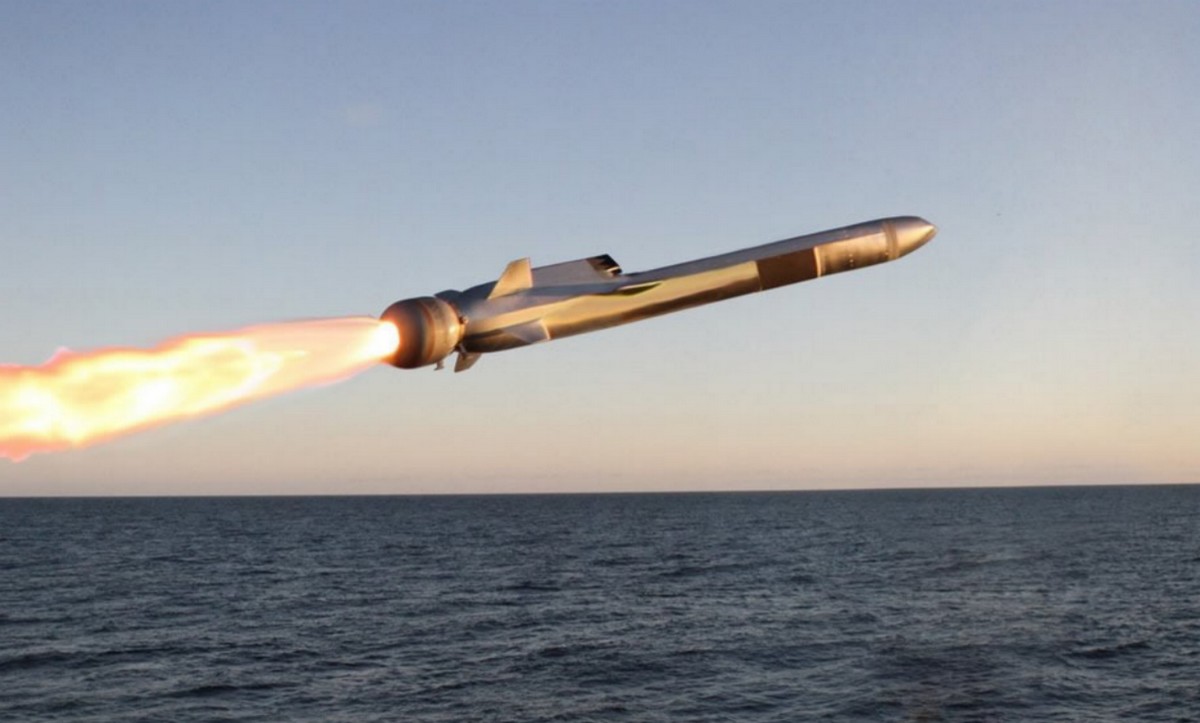
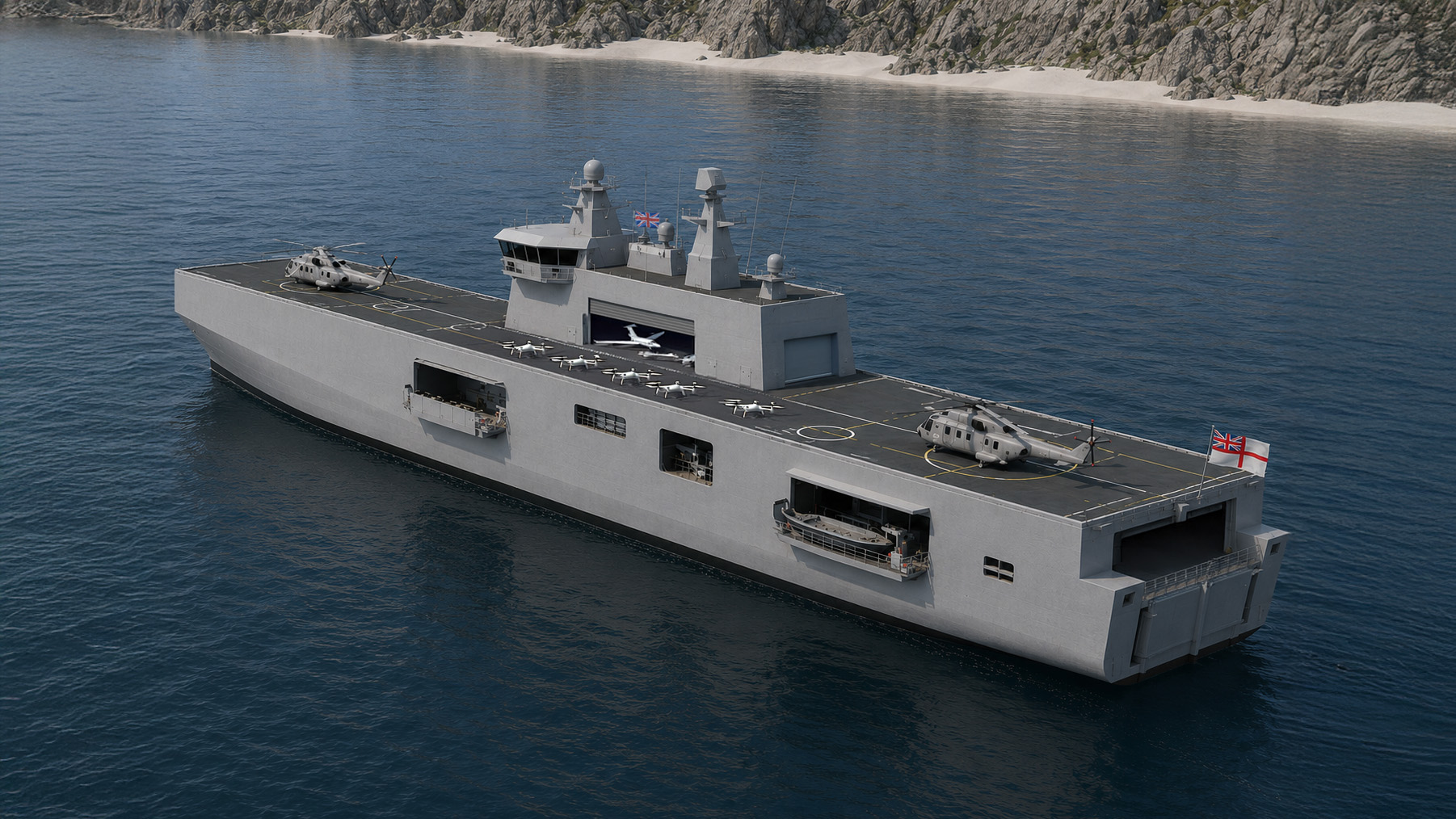
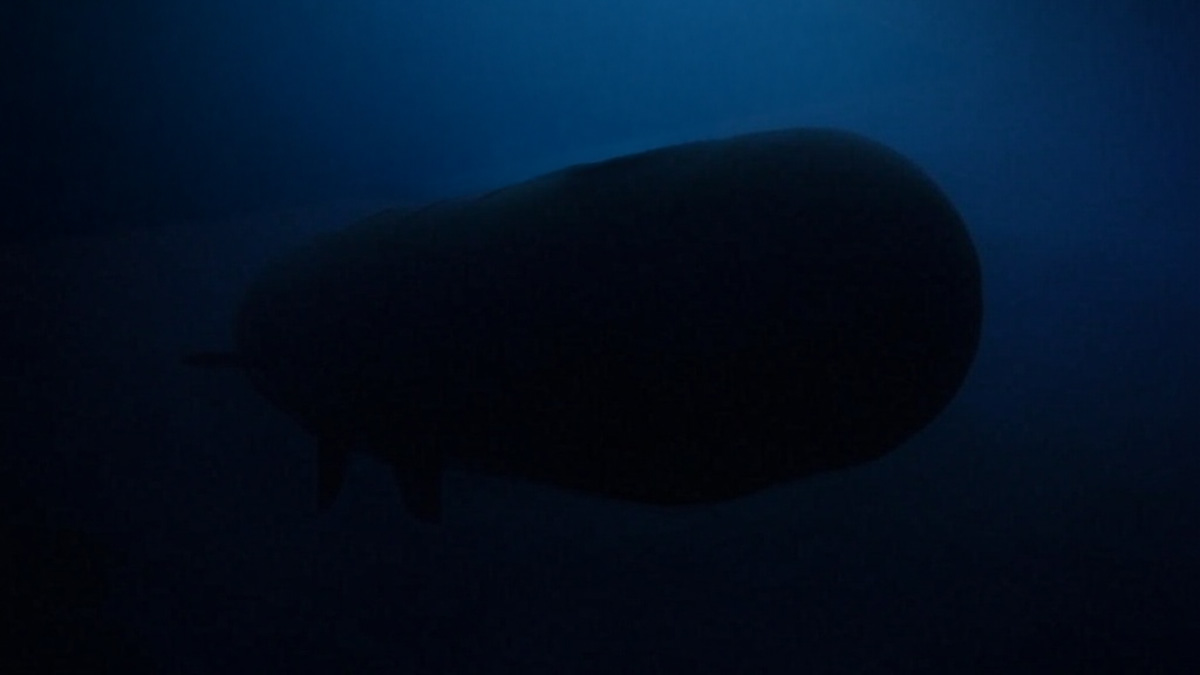
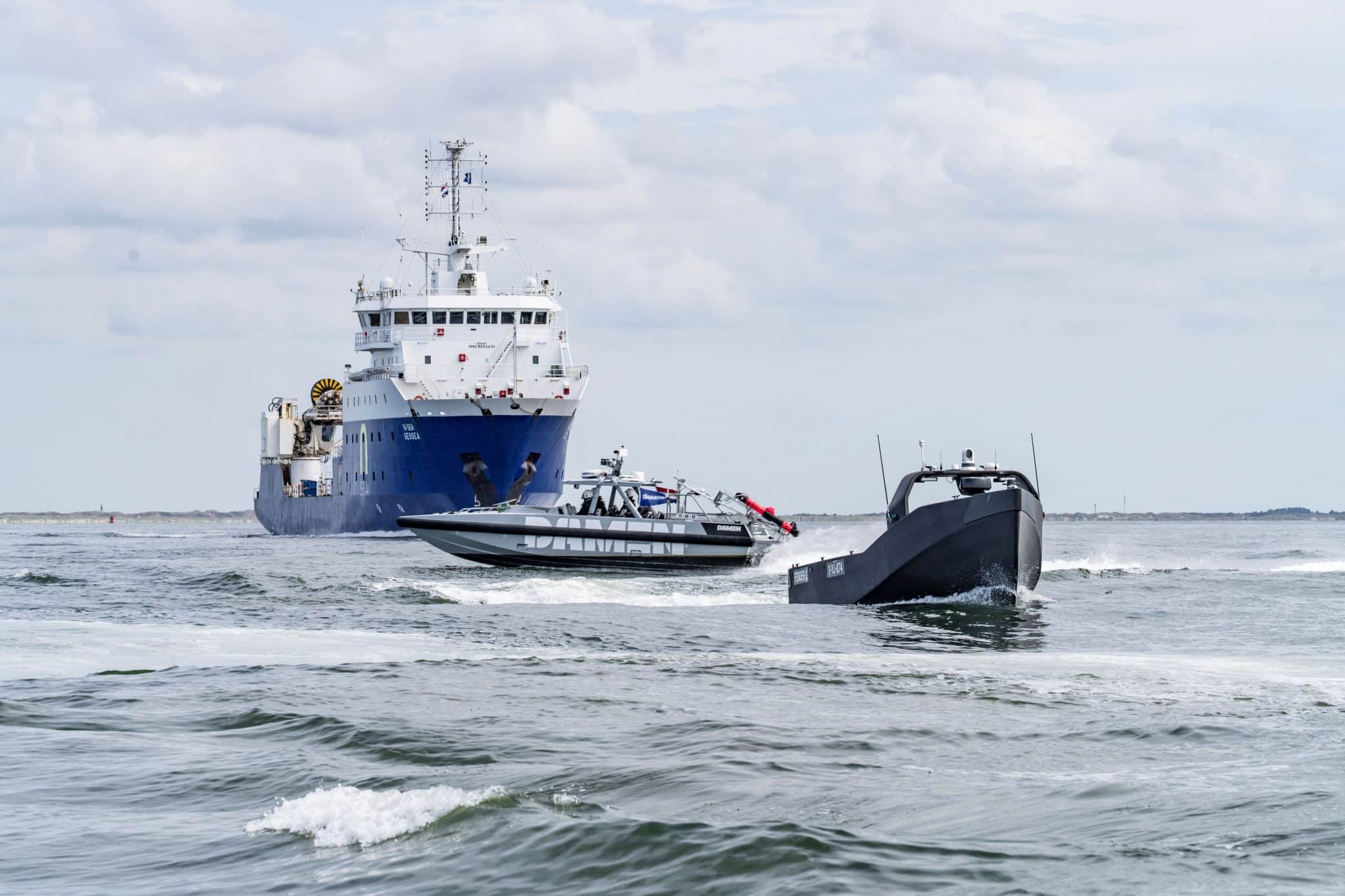
But it also needs to upgrade its naval surface combatants, guided-missile systems, fire-control radars and electronic warfare suites. NATO planners would love it if the Canadians became experts in maritime drones. It might want to work with Pacific Ocean allies Japan, South Korea, Australia, Singapore and the US.
I have always been impressed with the high level of technical expertise in Canadian defense companies, especially in aerospace, but they have relied for too long on working with major American manufacturers.
The key for Canada is to develop indigenous systems wherever possible, and to diversify away from US prime contractors and look at other partners, particularly European NATO allies — tanker planes from Airbus, light aircraft from Swiss manufacturer Pilatus, and airborne early-warning systems from Sweden’s Saab. It should also look at working with shipbuilders in Japan and South Korea.
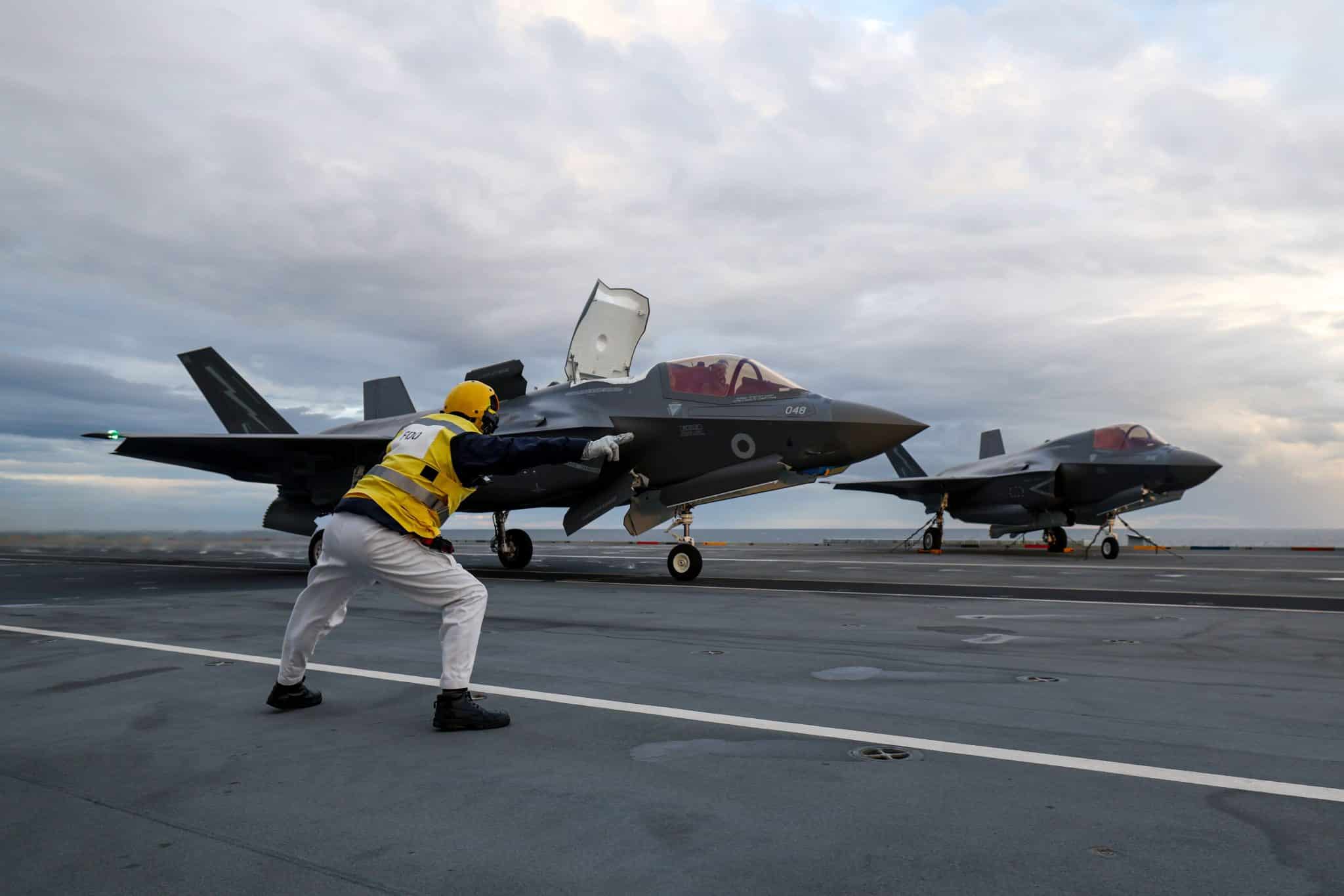
Of course, Ottawa will never be totally independent from the US. It is smartly showing interest in high-end aircraft such as the American F-35 Lightning and the P-8 Poseidon maritime patrol plane.
“We are rapidly scaling our capabilities through historic investments in new submarines, icebreakers, aircraft and cyber defenses, and strengthening our partnerships with Allies around the world,” Carney said after the summit.
Those are the right priorities as the new great game heats up in the Arctic.
This column reflects the personal views of the author and does not necessarily reflect the opinion of the editorial board or Bloomberg LP and its owners.



 www.armyrecognition.com