JEF and the North Atlantic
"we learn, adapt and keep moving forward.
"That is how we deliver capability at the pace necessary.
"Not by waiting years for a perfect solution, but by working with industry to get the latest technology into the hands of our people as quickly as possible. Of course, moving at pace carries some risk.
"But the Royal Navy has been working with risk for centuries, from Nelson to Fisher."
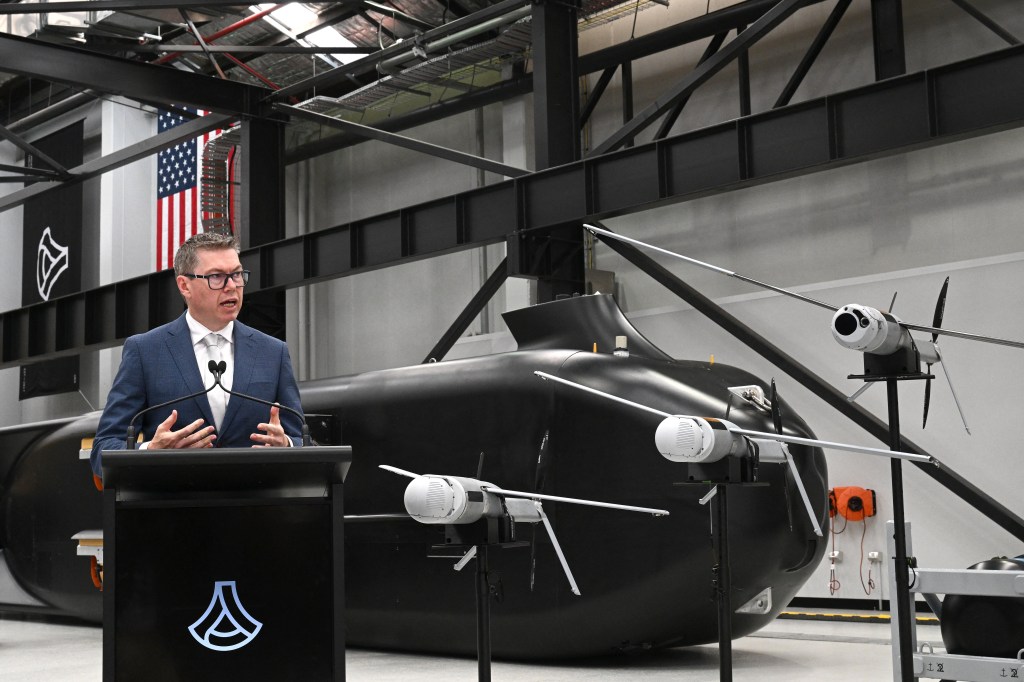
First Sea Lord General Sir Gwyn Jenkins addressed the International Sea Power Conference in Norway.

www.gov.uk
"... if we are to overcome the threats and challenges we have been discussing today, the Royal Navy has to be able to fight and generate combat power in a different way.
"That is why we are delivering the Hybrid Navy.
"Last year, when I addressed this conference, the Hybrid Navy was still largely a vision on paper.
"Today, 12 months on, that is no longer the case."
....
"Last week, we commissioned the Royal Navy’s 1st Autonomous Squadron in Portsmouth – a truly historic milestone for the Hybrid Navy.
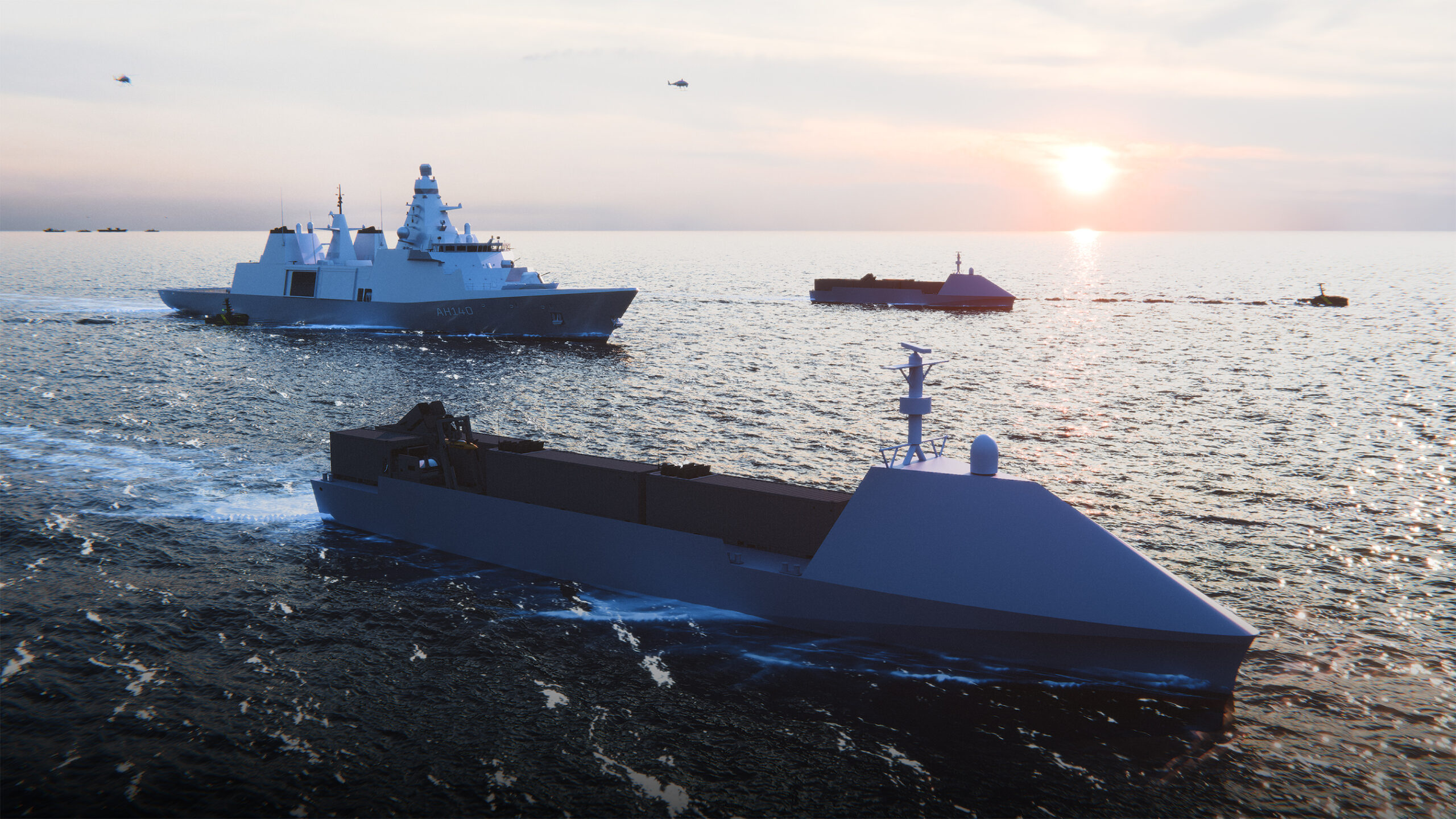
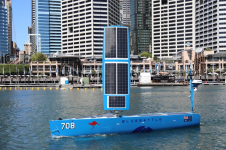
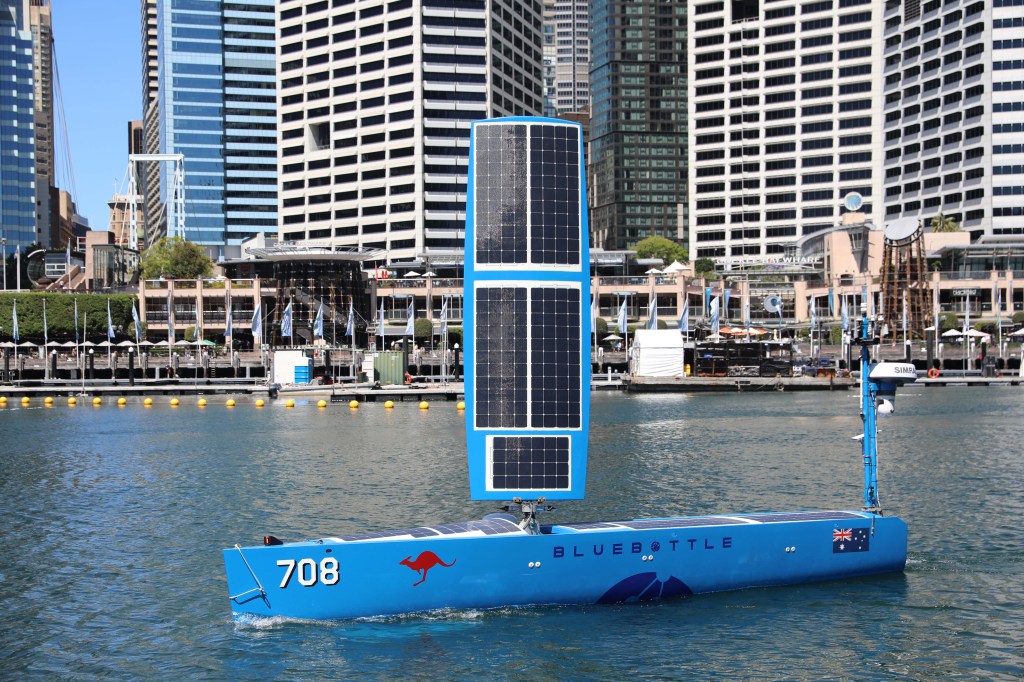
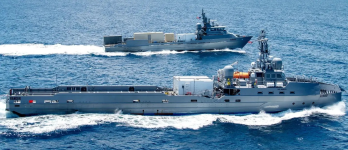
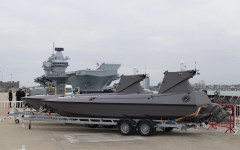
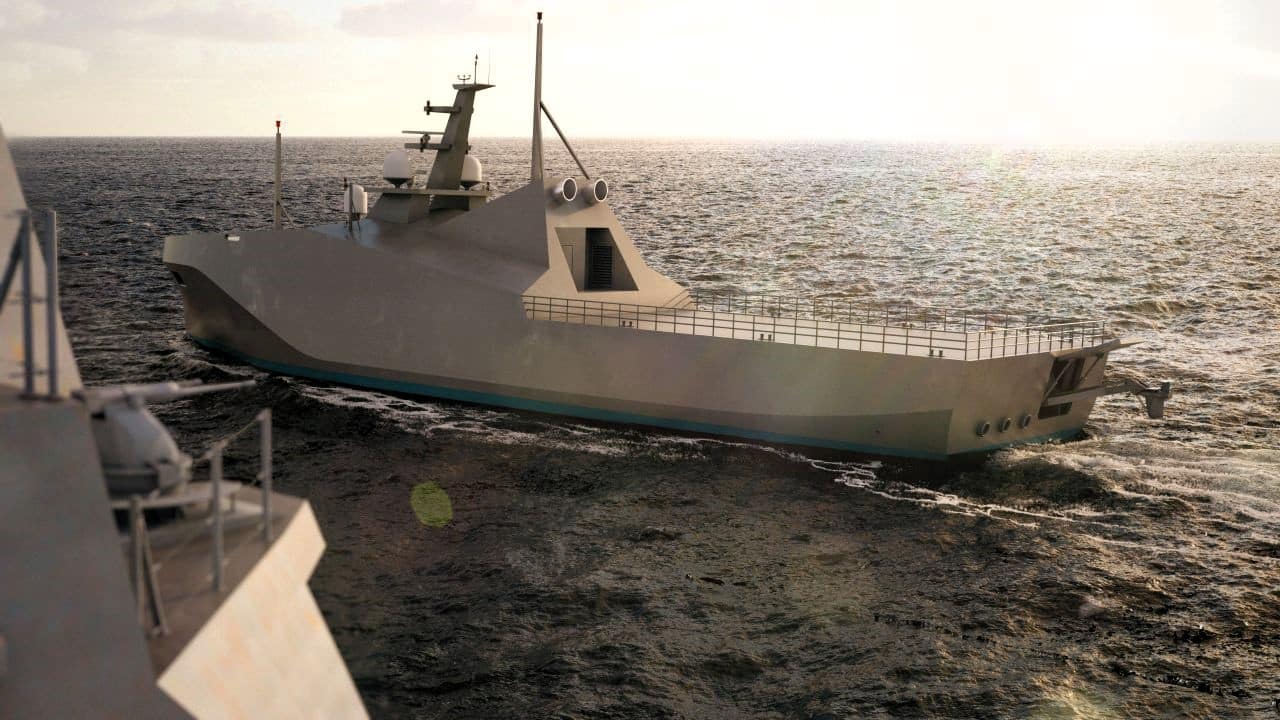
"For the first time, autonomy has a permanent operational home in the Fleet. At its heart will be our fleet of Kraken scouts.
"The Squadron’s first task will be coastal defence, using uncrewed vessels to monitor our approaches, protect critical infrastructure and respond more quickly to hostile activity.
"And the Kraken fleet will not stand still.
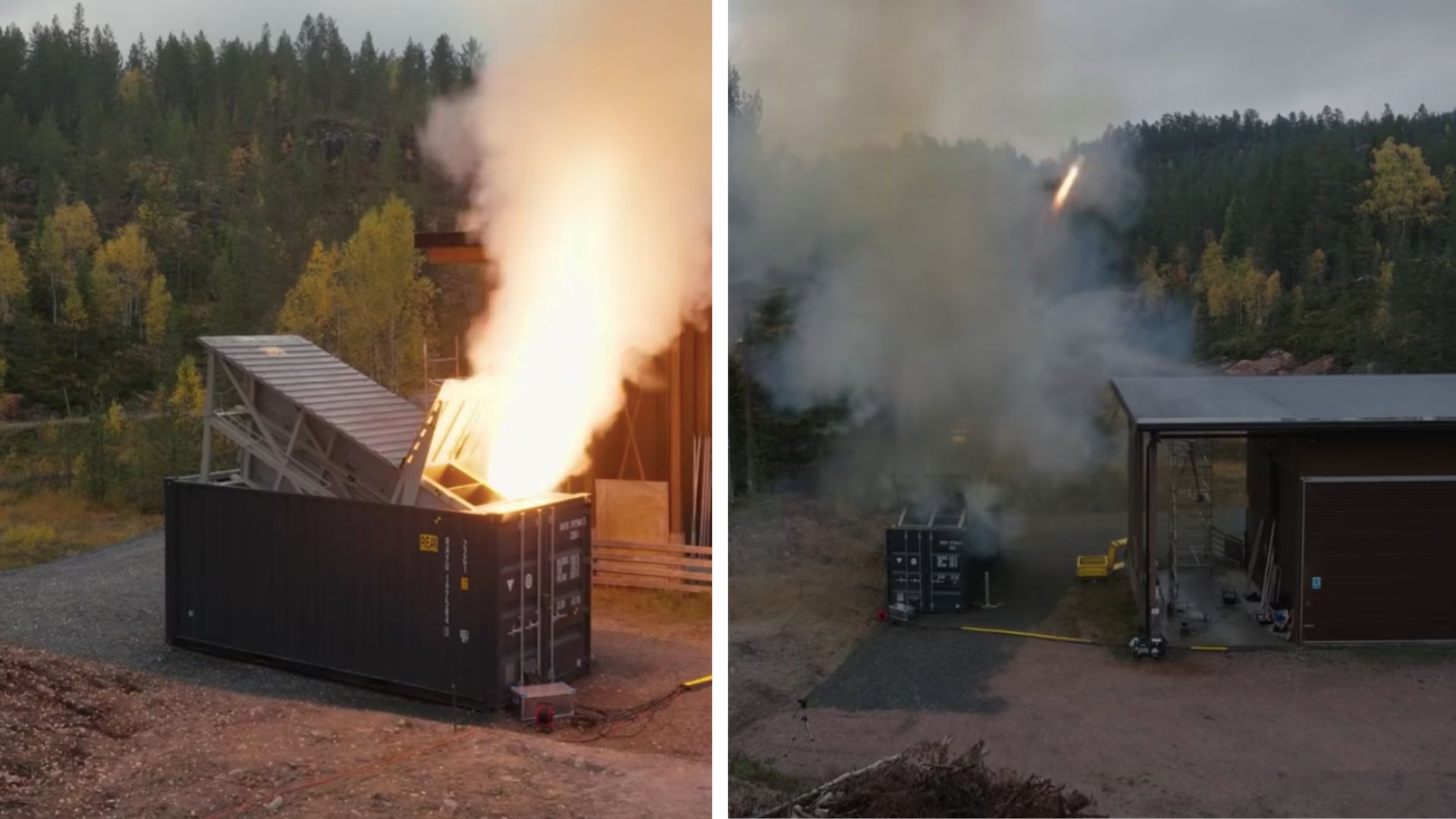
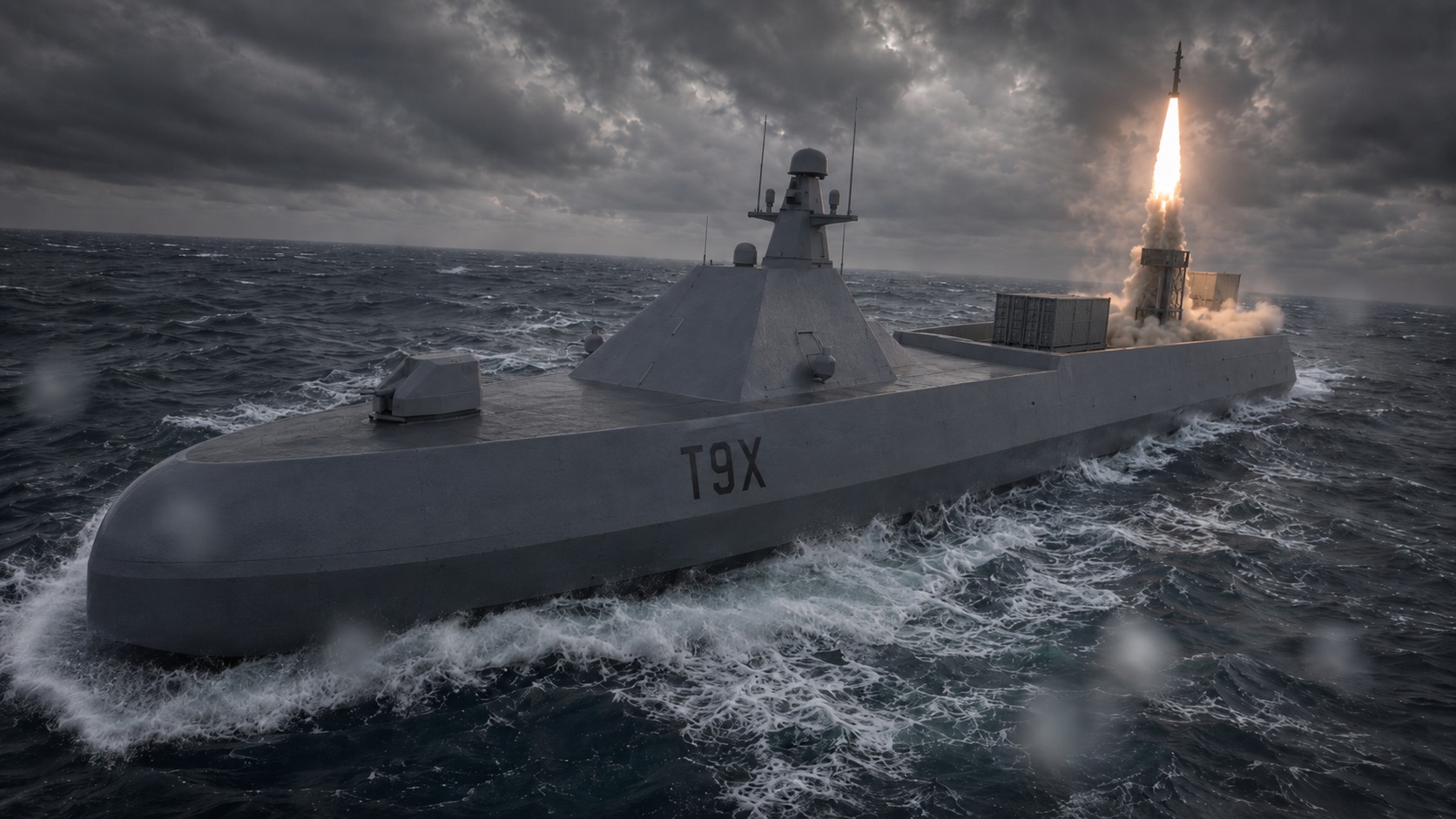
"Today, I can announce that we will integrate a counter-drone capability onto our Kraken scouts in the new year.
"That will give us a lower-cost and adaptable way to defeat airborne threats, preserving our most advanced missiles for the threats that genuinely require them.
"That is a clear advantage that Hybrid Navy gives us.
"By integrating these interceptors on Kraken, we are learning lessons from Ukraine and demonstrating that a sledgehammer is no longer required to crack a nut.
"Alongside the new Squadron, last week we also opened the Royal Navy Capability Accelerator Hub in Portsmouth.
"It is a delivery engine for the Hybrid Navy, bringing operators, capability teams, engineers and industry together under one roof.
"Its purpose is to identify what the Fleet needs, rapidly test proven or near-ready technology, integrate it safely and get capability to the front line at the pace we need.
"The Squadron and the Accelerator are two parts of the same system. One accelerates the Hybrid capability. The other takes it to the fight. It has been a year of action.
"But we are still on a journey – and next year there is even more to come. As the Minister announced this morning, phase one of Atlantic Bastion, Atlantic Net, will become operational within months.
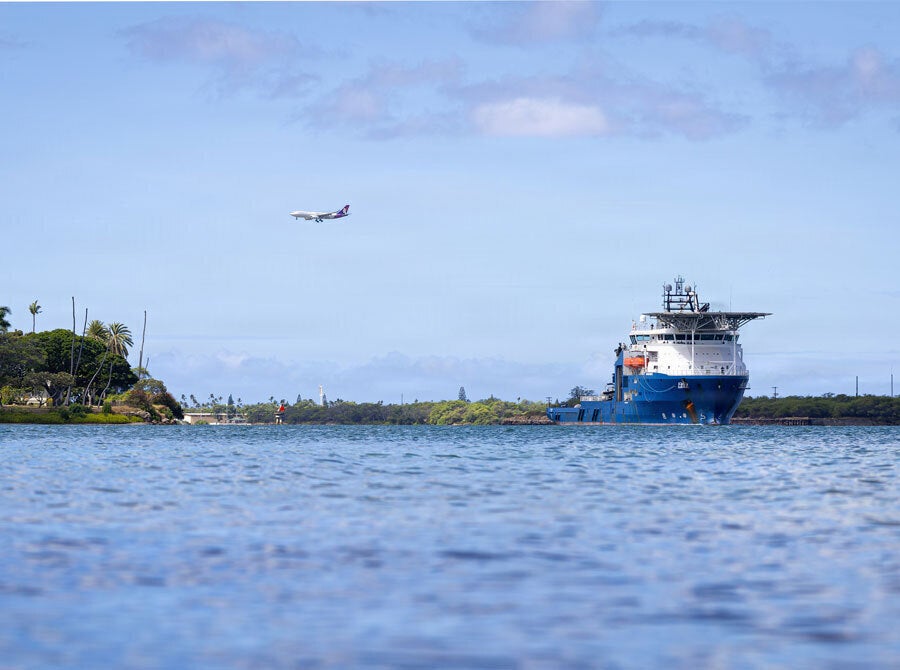
"Working with Ocean Infinity, it will help us detect hostile underwater activity earlier and strengthen our protection of critical infrastructure."
....
"this hangar is home to our F-35Bs, Merlins and Wildcats. But in future, they will not be stationed here alone.
"They will be joined here by uncrewed teammates who put the ‘Hybrid’ into our Hybrid Air Wing.
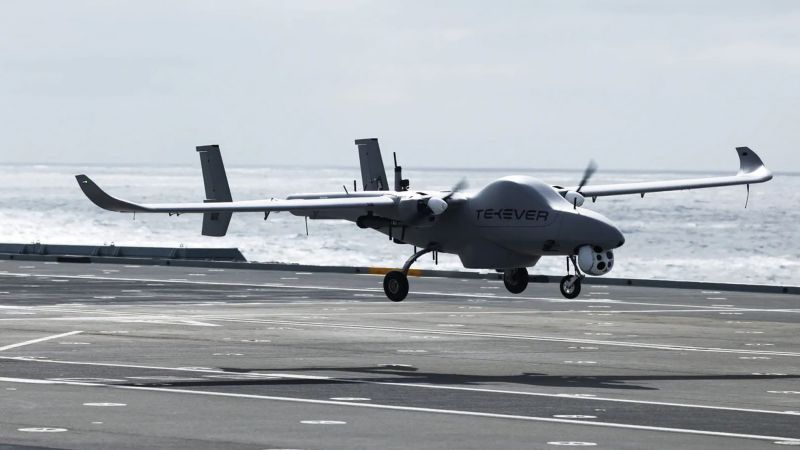
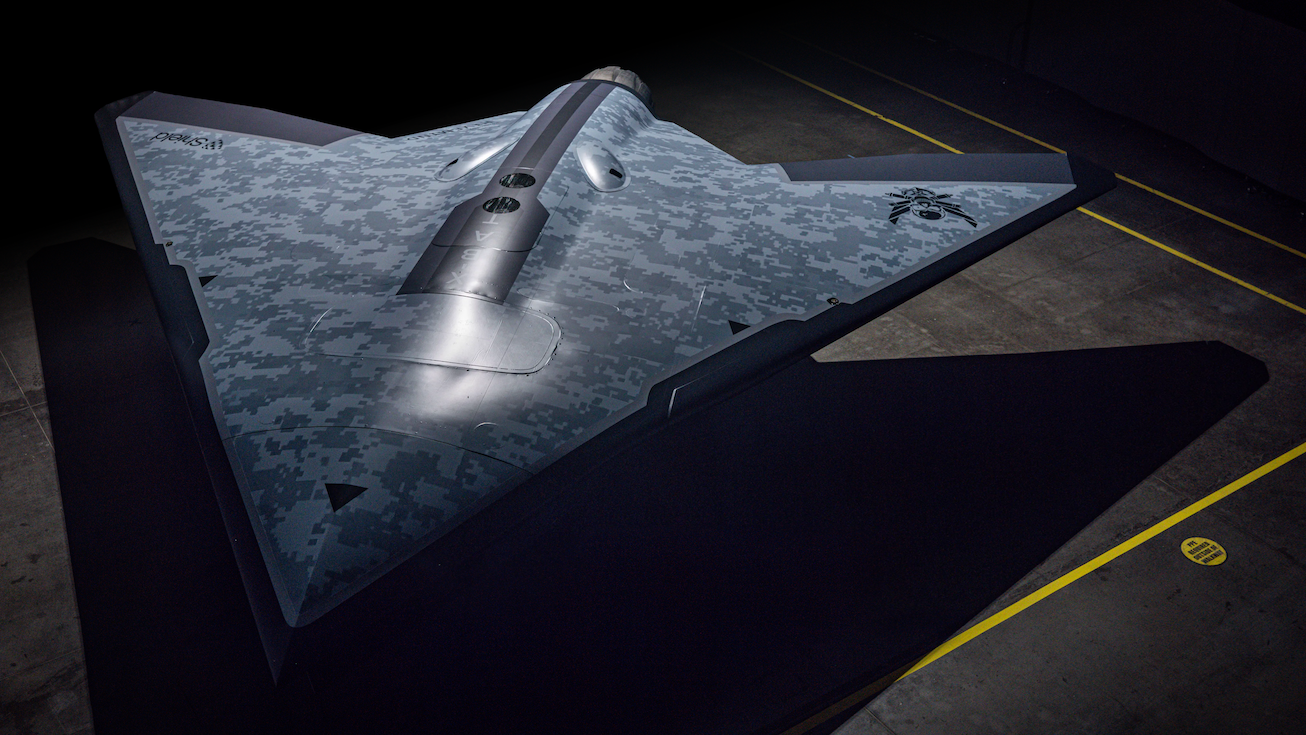
"Among them will be our first jet-powered drones, known as the Collaborative Combat Aircraft, or CCA.
"Last year, I said I wanted the first of those CCAs to be launched from the carrier flight deck by next year.
"When I said that, there was probably a bit of scepticism in the room. Well today, here in Oslo, I can confirm that we are taking another big step forward.
"In two days’ time, on this carrier, I will sign a statement of intent with our friends at Northrop Grumman to prepare their TALON demonstrator for trials with the Royal Navy under Project VANQUISH.
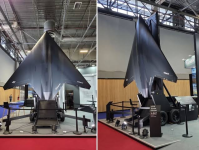
"That demonstrator is here with me on this stage.
"Through that agreement, we will work towards a demonstration in UK waters in 2027, including a launch from the carrier."



 www.defensenews.com