• Thanks for stopping by. Logging in to a registered account will remove all generic ads. Please reach out with any questions or concerns.

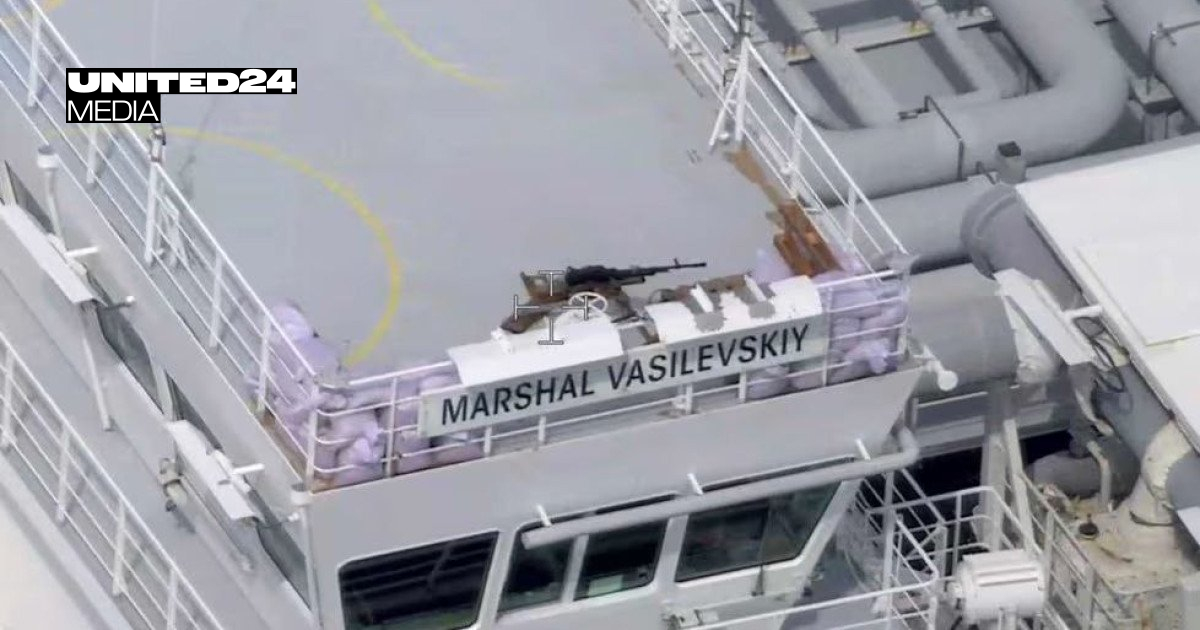
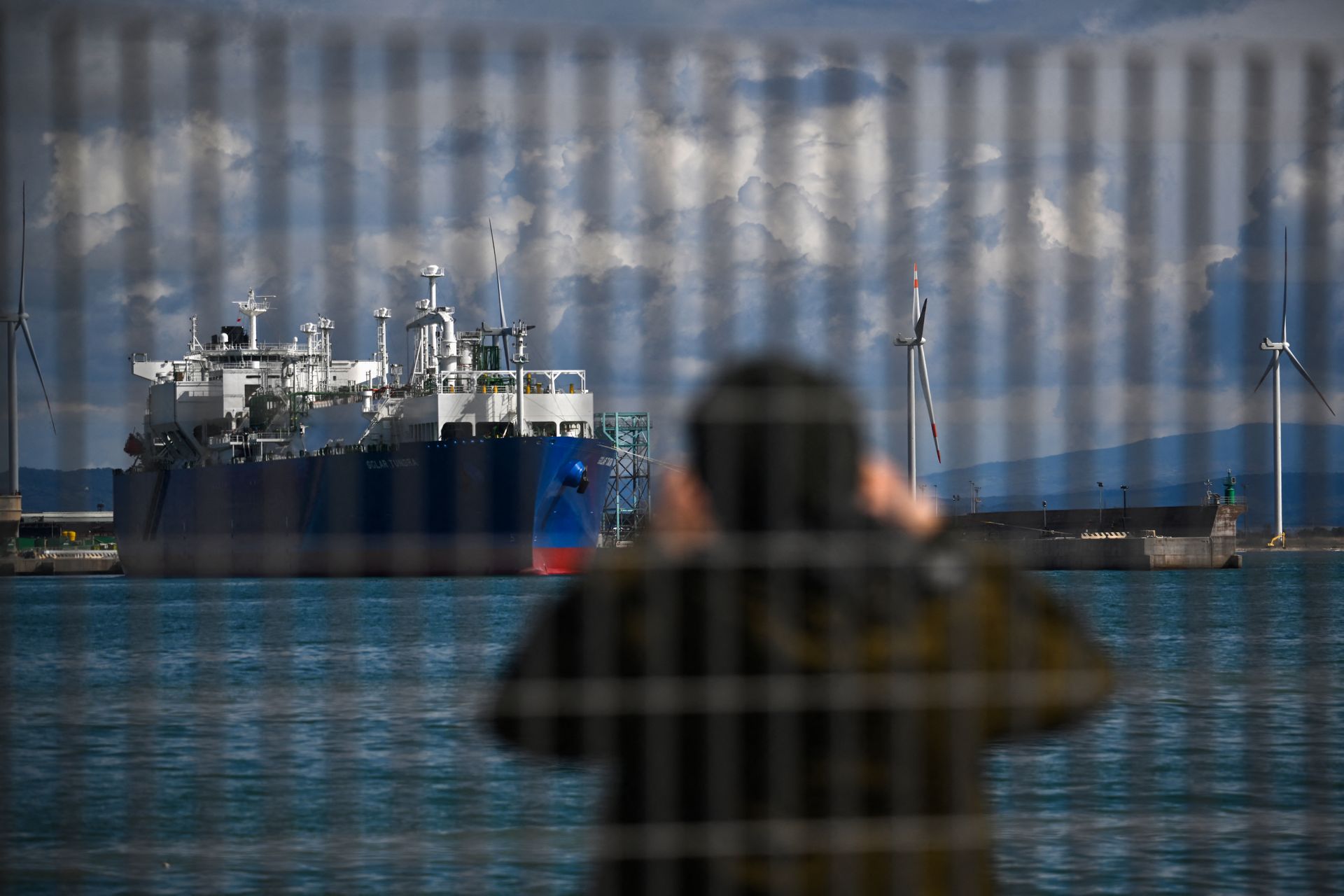
The Shadow Fleet

Even assuming the numbers/impacts are greatly exaggerated, which I think is reasonable to do until there’s more thorough analysis- this has to be hitting really hard.
 
Even assuming the numbers/impacts are greatly exaggerated, which I think is reasonable to do until there’s more thorough analysis- this has to be hitting really hard.

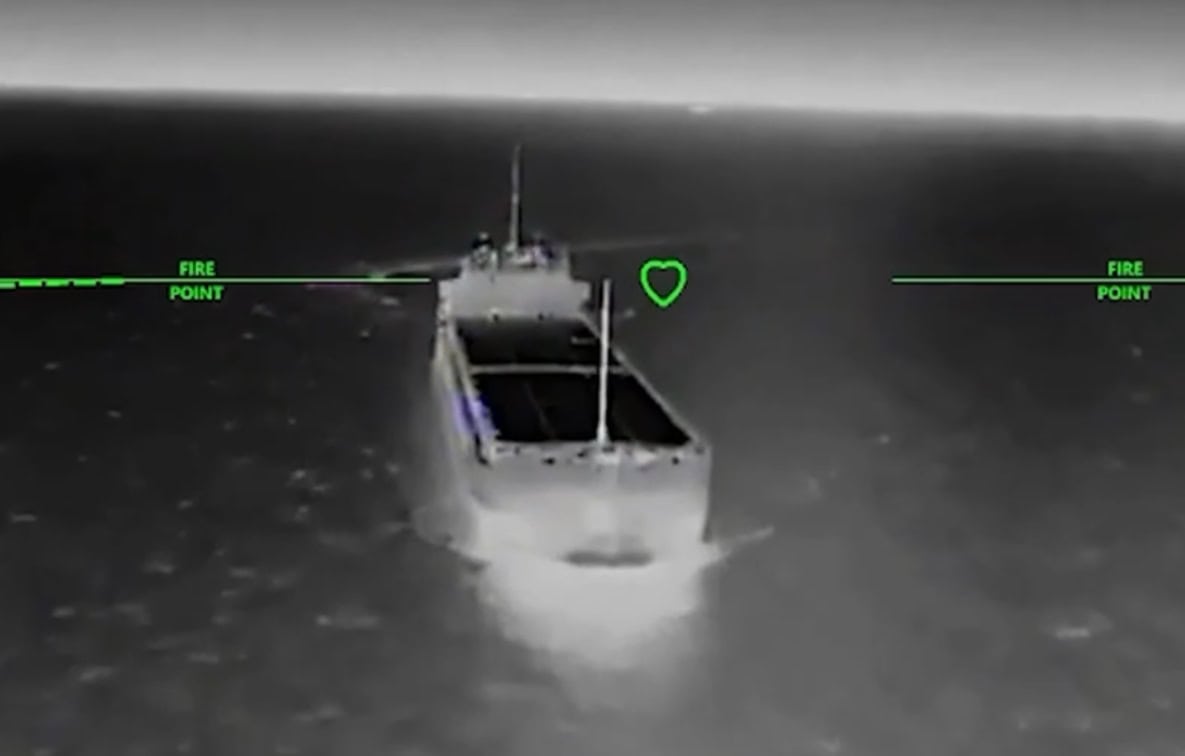
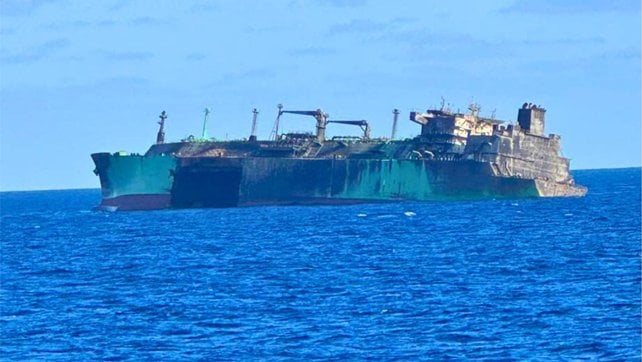
Many of the ships getting hit in the Sea of Azov are designed to operate in rivers, channels, and coastal waters. They were being used as a way to transfer cargo to bigger ships out in the open water because the terminals in the region are now too dangerous / high risk to use. With the pause on letting traffic through the Don-Azov channel a lot of these ships are now fleeing the fish in a barrel situation Azov has become into the Black Sea, where they risk damage and possibly even sinking should the weather take a turn into something they can't handle.

Things are going great. ;)
 
20 more

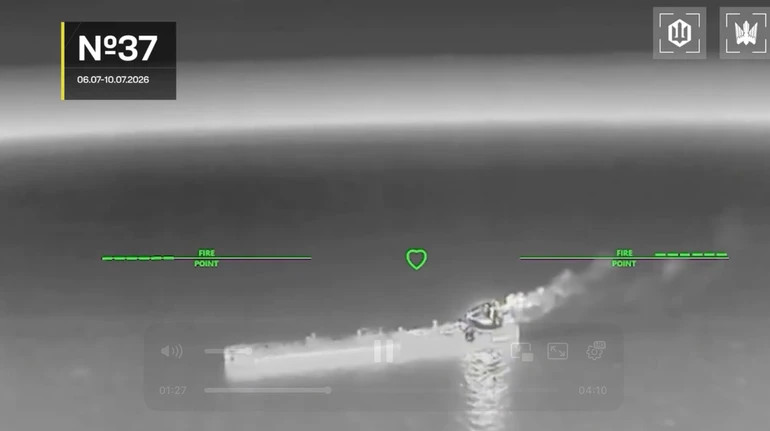
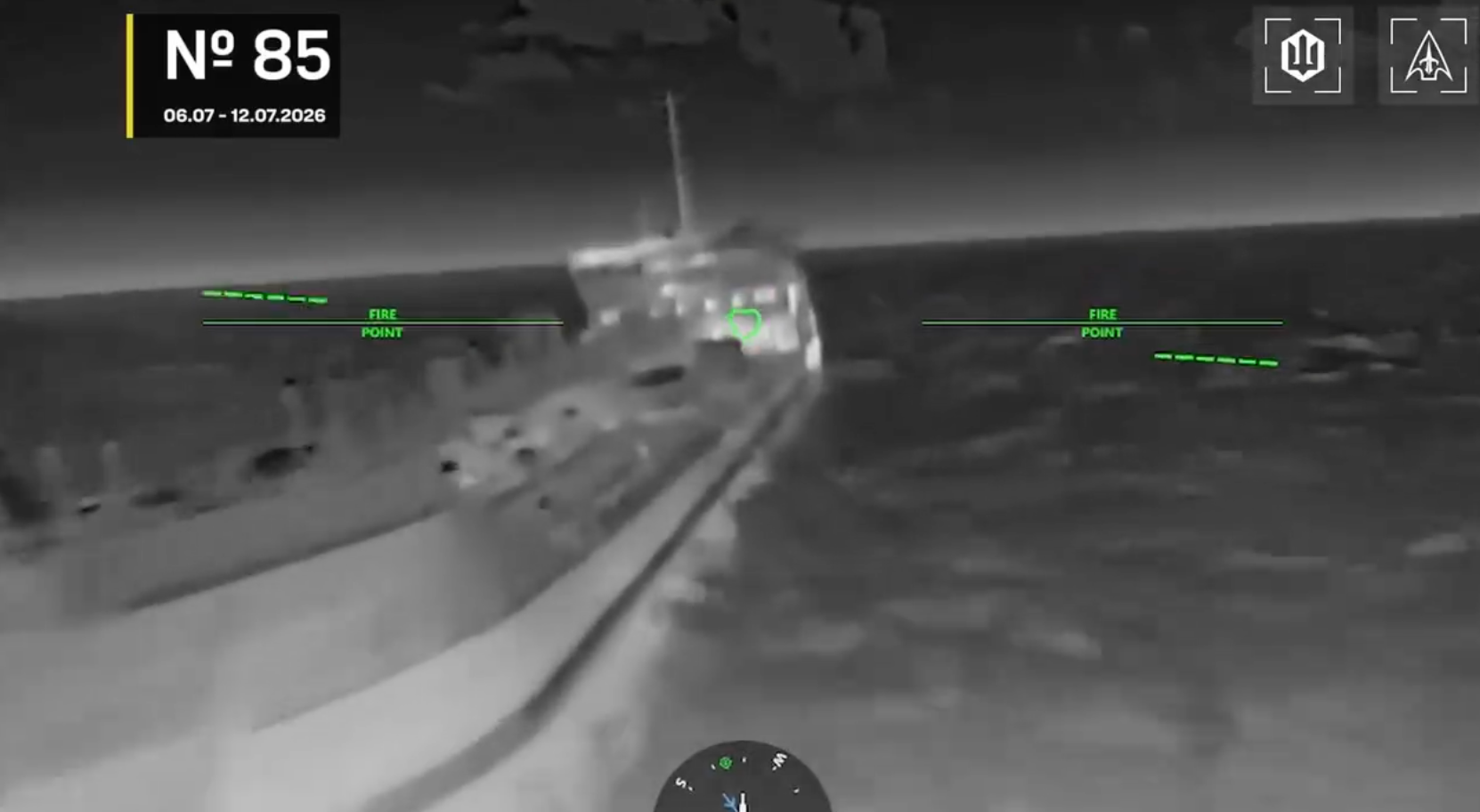
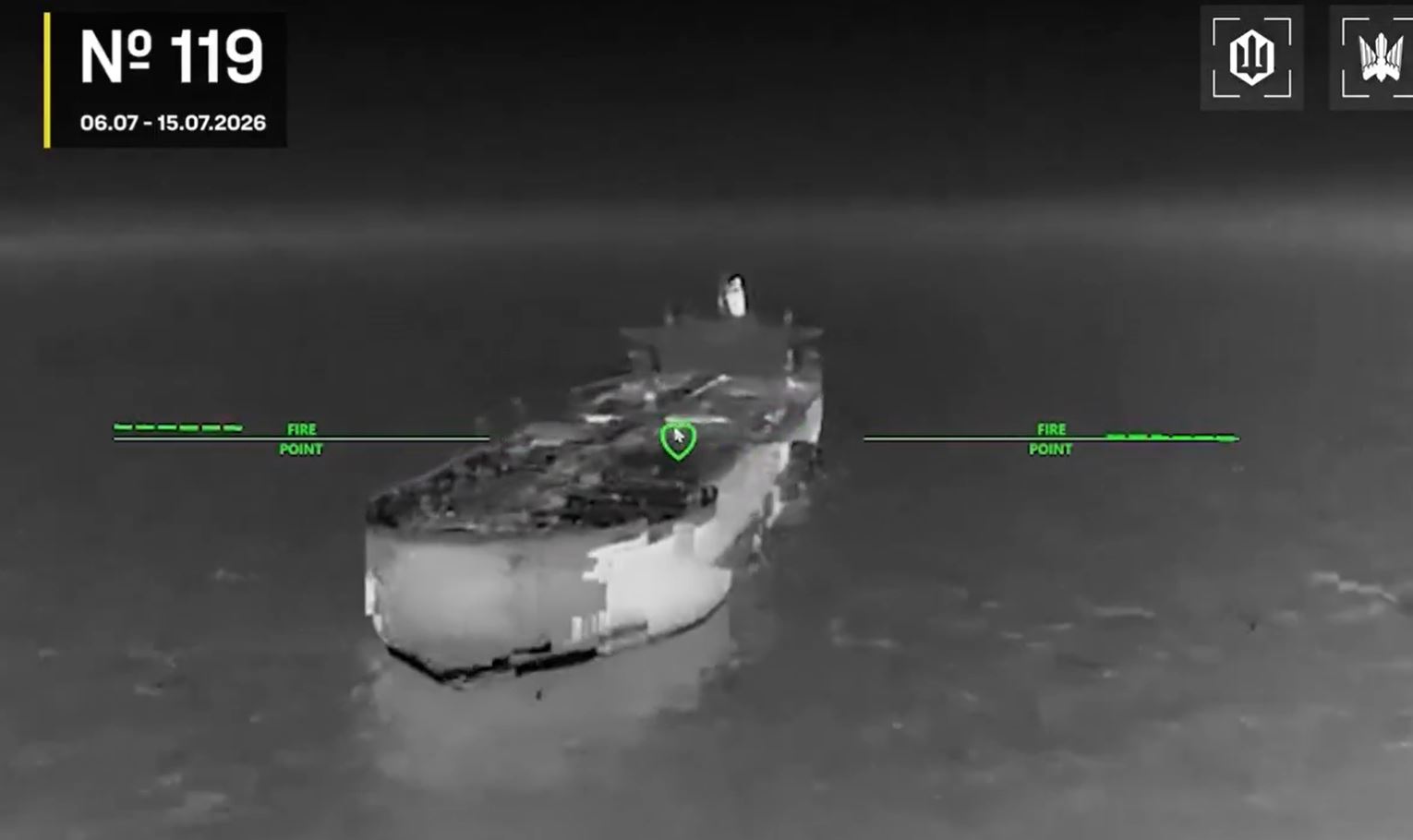
These were hit in the Black Sea and apparently represent a new phase after hitting 117 vessels in the Sea of Azov on the otherside of the Kerch bridge. The Azov campaign forced the Russian tankers into the Black Sea.


This is all starting to give be West Africa Squadron vibes.

In 1815 Britannia ruled the waves. The French and Spanish weren't up for the fight anymore and nobody else came close.
The Anti-Slavery cause gave Britain the moral pretext to enact laws the justified the policing of the high seas, extending their activity against pirates and smugglers to slave traders. On that basis they had grounds to board any civil ship and decide its fate. International trade was decided in The Admiralty in London.

This new shadow fleet campaign feels like it might be a similar campaign with the intention of replacing The Admiralty, and the United Nations, with a more Western/US friendly court.


Amsterdam replaced Madrid
London replaced Amsterdam
Washington continues to replace London.

And Moscow, Beijiing and Mecca detested them all.
 

"With more than 80% of global trade by volume being transported by sea, maritime shipping lanes are indispensable to the world economy. That fact was starkly illustrated by the war in Iran, which saw Tehran effectively close the Strait of Hormuz to commercial traffic and Washington respond with a blockade of Iranian ports.

"Yet such recent events are an aberration from much of the post-Cold War period, during which economic sanctions were enforced far from the sea. Governments relied on financial infrastructure – bank messaging systems, insurance markets, shipping registries and port access rules – to restrict trade without physically stopping ships.

"But that system is now under strain. As the United States and its partners have relied more heavily on sanctions as a tool of geopolitical conflict, targeted countries have developed effective evasion networks. In response, the U.S. and its partners are increasingly returning to a more direct form of economic pressure: boarding ships at sea."


....


"A legal system built for another era

"This global expansion of maritime interdiction is colliding with an international legal framework that was not designed for it.

"Under the U.N. Convention on the Law of the Sea, ships on the high seas fall under the jurisdiction of their flag state. This principle was intended to ensure predictability and limit interference with global shipping.

"There are narrow exceptions. Warships may board vessels suspected of piracy, slave trading, statelessness or false flagging. Outside these cases, boarding is generally prohibited.

"Modern sanctions enforcement is increasingly being fitted into these exceptions."
 
Back
Top