• Thanks for stopping by. Logging in to a registered account will remove all generic ads. Please reach out with any questions or concerns.

Future Armour


While the exact, proprietary manufacturing cost of a FANUC R-2000iC robot is not publicly disclosed, industry estimates for large, high-payload industrial robots suggest that the manufacturing cost is significantly lower than the list price, often ranging between $30,000 and $150,000+ per unit depending on production scale and component complexity.

For a high-demand model like the
FANUC R-2000iC
(which often lists for $90,000–$130,000+ for the full system), the manufacturing cost includes specialized, high-rigidity components.

Key Factors Influencing Manufacturing Cost:
  • Components: The cost includes 6-axis motors, precision gearboxes (RV reducers), high-strength cast iron/aluminum castings, and the R-30iB Plus controller.
  • Production Scale: High-volume production reduces the per-unit cost of research and development.
  • Market Price Comparison: While manufacturing costs are lower, the new purchase price for a complete R-2000iC cell can exceed $100,000 due to overhead, R&D, and software licensing.
Refurbished R-2000iC robots are often available for around $30,000–$40,000, which reflects the depreciated value of the hardware rather than the original manufacturing cost.

Make these the heart of your RWS system. It could also come in handy loading and unloading, and with the right tools, digging holes and changing track.
 

While the exact, proprietary manufacturing cost of a FANUC R-2000iC robot is not publicly disclosed, industry estimates for large, high-payload industrial robots suggest that the manufacturing cost is significantly lower than the list price, often ranging between $30,000 and $150,000+ per unit depending on production scale and component complexity.

For a high-demand model like the
FANUC R-2000iC
(which often lists for $90,000–$130,000+ for the full system), the manufacturing cost includes specialized, high-rigidity components.

Key Factors Influencing Manufacturing Cost:
  • Components: The cost includes 6-axis motors, precision gearboxes (RV reducers), high-strength cast iron/aluminum castings, and the R-30iB Plus controller.
  • Production Scale: High-volume production reduces the per-unit cost of research and development.
  • Market Price Comparison: While manufacturing costs are lower, the new purchase price for a complete R-2000iC cell can exceed $100,000 due to overhead, R&D, and software licensing.
Refurbished R-2000iC robots are often available for around $30,000–$40,000, which reflects the depreciated value of the hardware rather than the original manufacturing cost.

Make these the heart of your RWS system. It could also come in handy loading and unloading, and with the right tools, digging holes and changing track.
They are used in CNC production. They aren’t designed to work outdoors.
 
Ran across this quite interesting deep dive into a comparison of the older Marder A3 compared to a CV9040 as deployed in Ukraine. Yes, its about IFVs, but the vehicles - especially the CV 90 have potential roles not only as cavalry but of course as part of a combined arms team. I think that makes it useful for discussion on "future armour." Note its a long video. Note as well that my confirmation bias as to tracked vehicles and mud et al has once again been - well - confirmed. I simply can't see why anyone wants wheels and don't even bother about that simple maintenance crap and strategic mobility. I won't listen.


Also, this video at looking at Canada's search for new armour etc. It's a bit off on a few background facts.


🍻
 
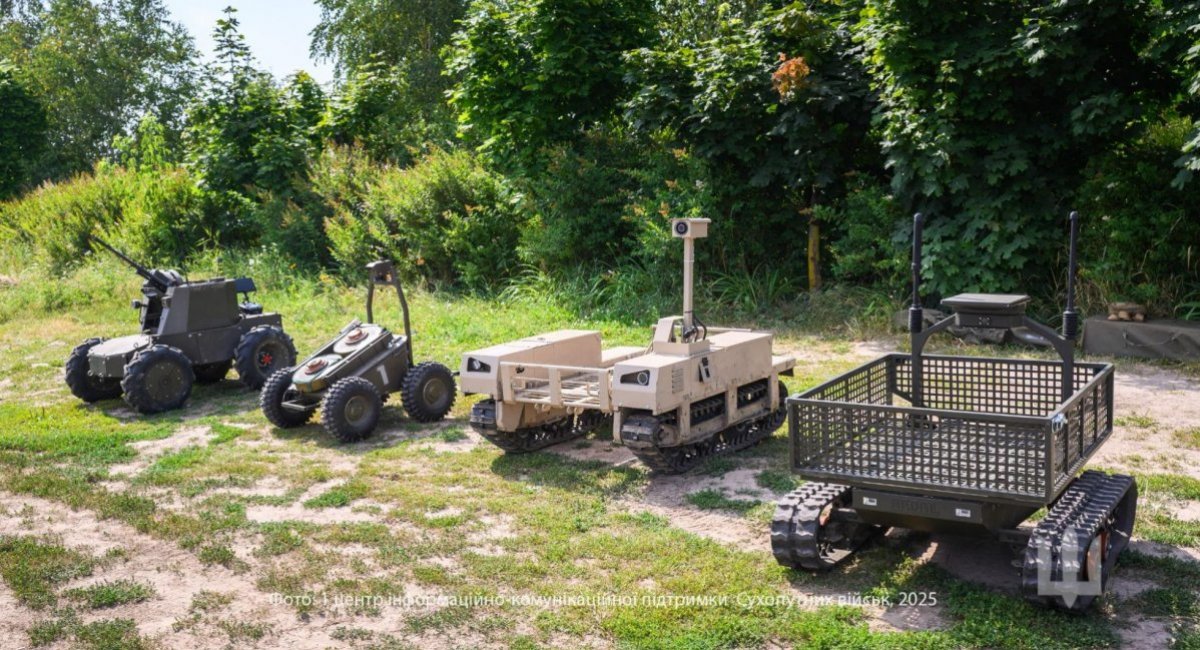
"Another Ukrainian manufacturer of UGVs, Tencore, produced more than 2,000 UGVs for the Ukrainian army in 2025.

"Its director, Maksym Vasylchenko, expects demand to jump to around 40,000 units in 2026, at least 10-15% of them armed with weapons."


1773186338201.jpeg

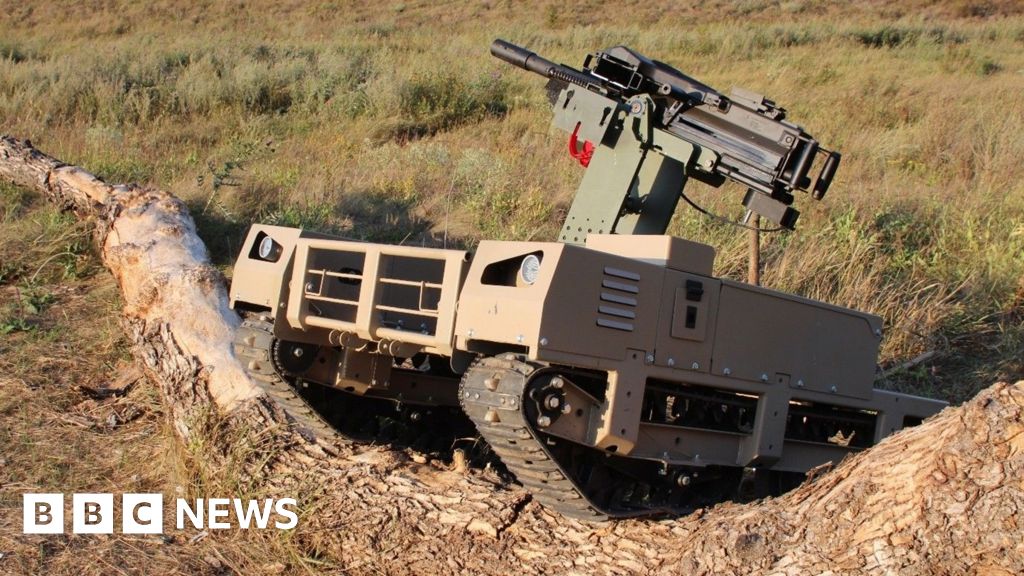
"Robot wars are already happening," says Oleksandr Afanasiev from the Ukrainian army's K2 brigade. He commands its UGV battalion - the world's first, he says.

Ukrainian and Russian killer robots are even said to have clashed without humans being present at the site of the battle.

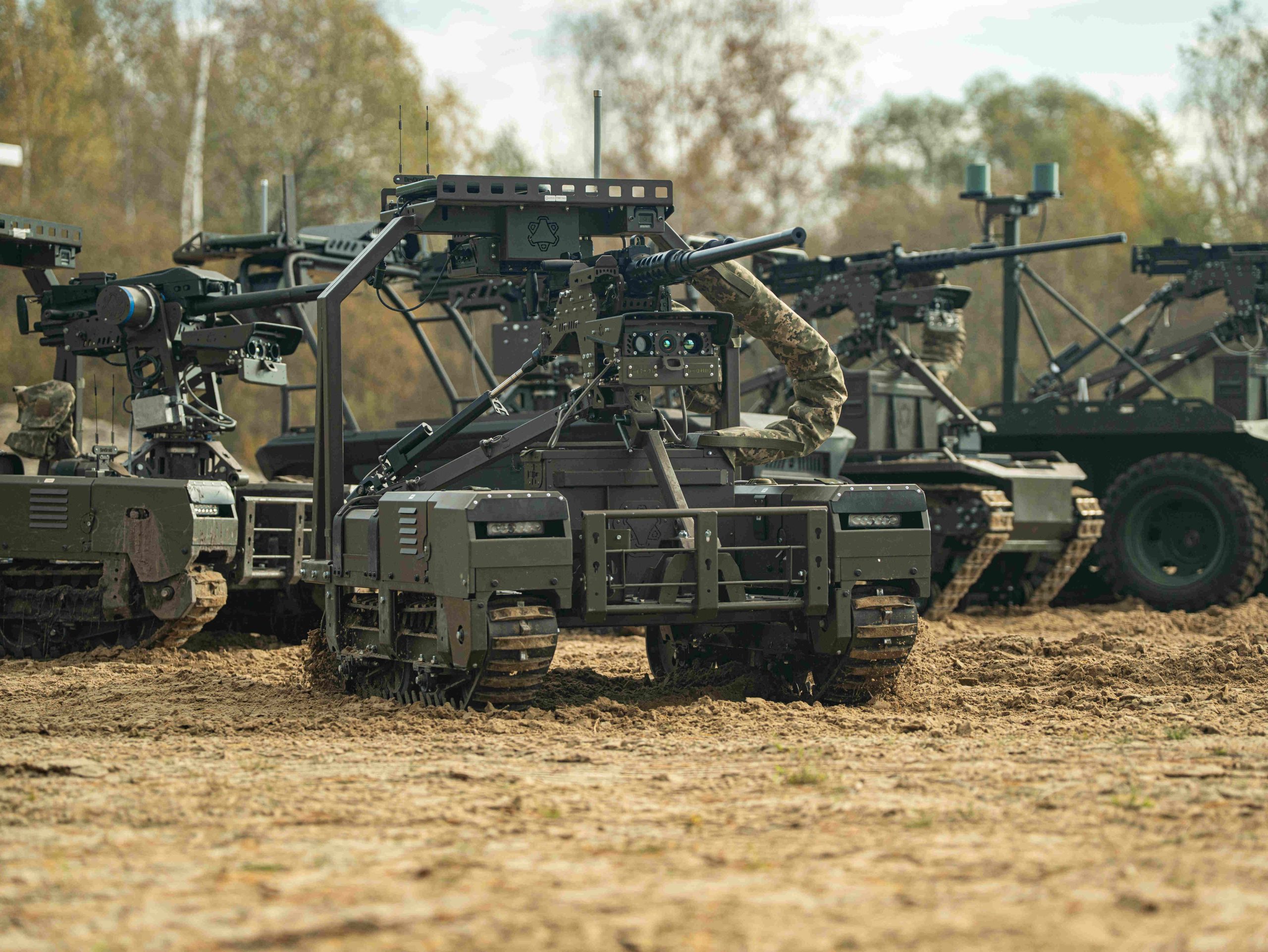
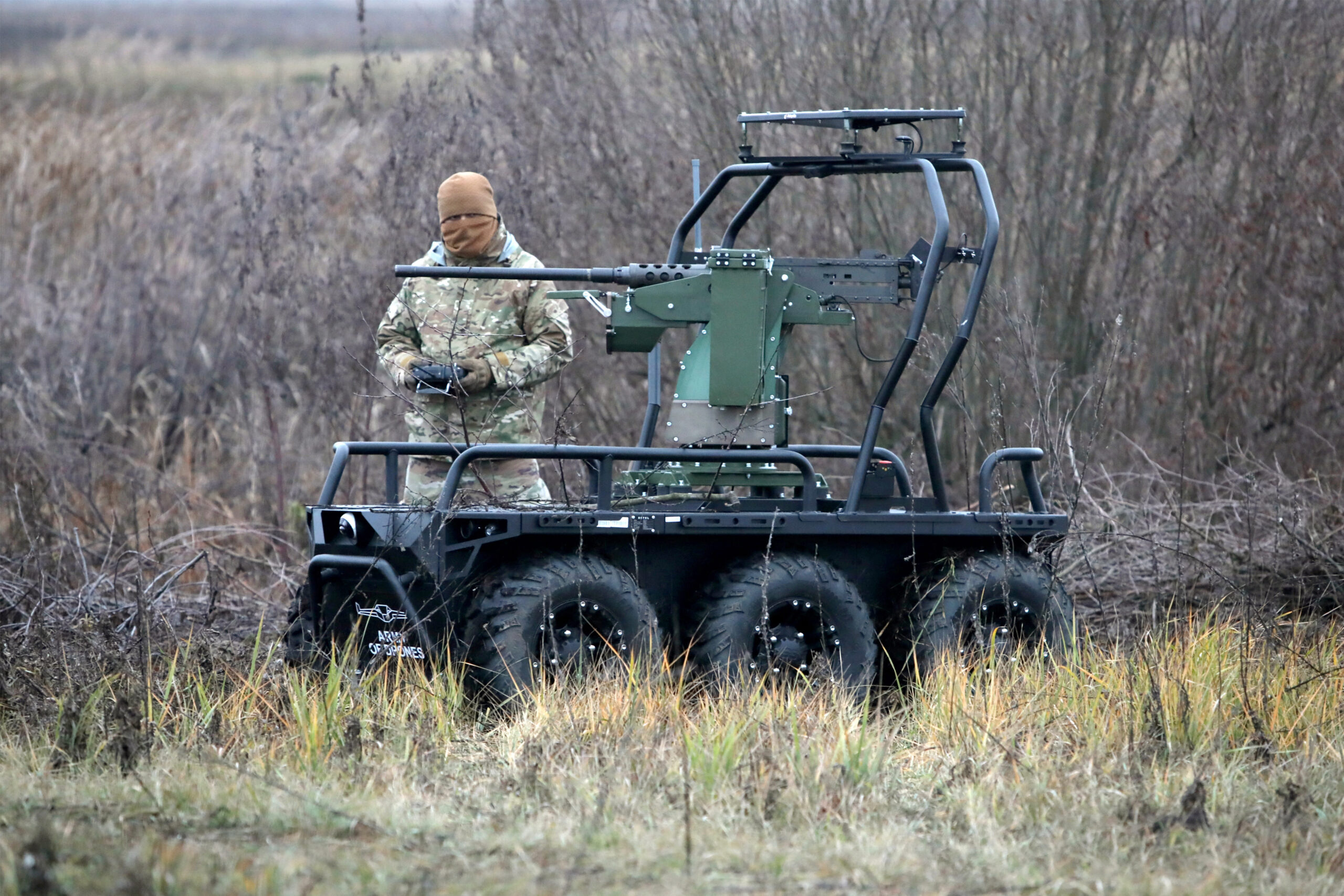
One way in which the brigade has been using these robots is by mounting Kalashnikov machine guns on top.

"They open fire on a battlefield where an infantryman would be afraid to turn up. But a UGV is happy to risk its existence," Maj Afanasiev says.

............

"Modern UGVs are part-autonomous. They can move on their own, they can observe and detect the enemy. But still, the decision to open fire is made by a human, their operator," Afghan says.

"Robots can misidentify the wrong person or attack a civilian. That's why the final decision must be made by an operator."

Which means that in most cases on the battlefield armed UGVs are remote-controlled by operators over the internet from a safe distance.

......

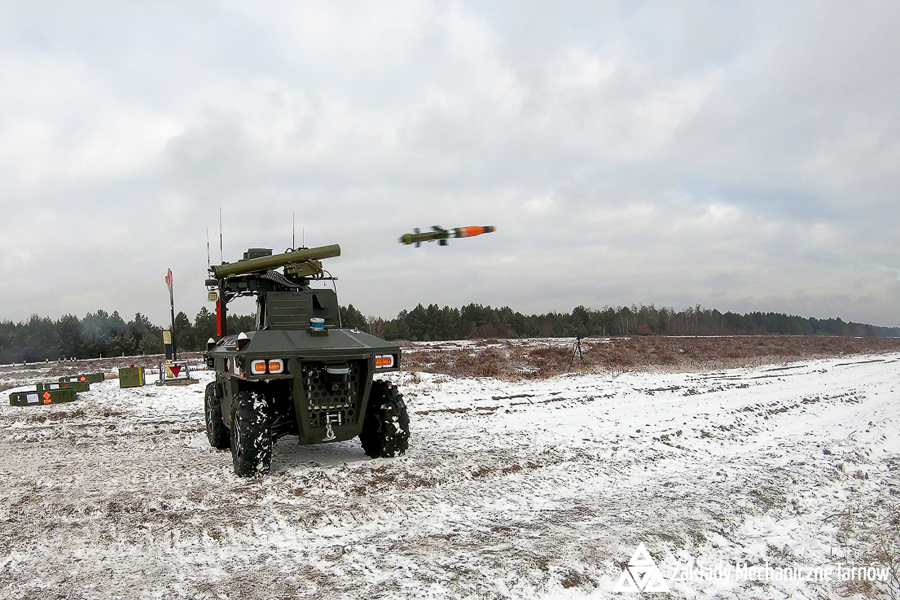
Ukraine's lethal UGVs can be armed with grenade launchers as well as machine guns, and can also be deployed to plant landmines or barbed wire.

.....

But the vast majority of its uncrewed vehicles are still used for their original purpose of delivering supplies and evacuating the wounded.

.....

Necessity is a key factor driving innovation in this field. Drones in the air have made it infinitely more dangerous for humans to be present on the battleground, expanding Ukraine's so-called "kill zone" to 20-25km (12-15 miles) from the line of contact.

(Question: In that event where is the "line of contact"?

Is it Ukrainian FLOT + 20-25 km, Russian FLOT - 20-25 km or are the two FLOTs 20-25 km apart?)
 
"Another Ukrainian manufacturer of UGVs, Tencore, produced more than 2,000 UGVs for the Ukrainian army in 2025.

"Its director, Maksym Vasylchenko, expects demand to jump to around 40,000 units in 2026, at least 10-15% of them armed with weapons."


View attachment 98908

"Robot wars are already happening," says Oleksandr Afanasiev from the Ukrainian army's K2 brigade. He commands its UGV battalion - the world's first, he says.

Ukrainian and Russian killer robots are even said to have clashed without humans being present at the site of the battle.

One way in which the brigade has been using these robots is by mounting Kalashnikov machine guns on top.

"They open fire on a battlefield where an infantryman would be afraid to turn up. But a UGV is happy to risk its existence," Maj Afanasiev says.

............

"Modern UGVs are part-autonomous. They can move on their own, they can observe and detect the enemy. But still, the decision to open fire is made by a human, their operator," Afghan says.

"Robots can misidentify the wrong person or attack a civilian. That's why the final decision must be made by an operator."

Which means that in most cases on the battlefield armed UGVs are remote-controlled by operators over the internet from a safe distance.

......

Ukraine's lethal UGVs can be armed with grenade launchers as well as machine guns, and can also be deployed to plant landmines or barbed wire.

.....

But the vast majority of its uncrewed vehicles are still used for their original purpose of delivering supplies and evacuating the wounded.

.....

Necessity is a key factor driving innovation in this field. Drones in the air have made it infinitely more dangerous for humans to be present on the battleground, expanding Ukraine's so-called "kill zone" to 20-25km (12-15 miles) from the line of contact.

(Question: In that event where is the "line of contact"?

Is it Ukrainian FLOT + 20-25 km, Russian FLOT - 20-25 km or are the two FLOTs 20-25 km apart?)
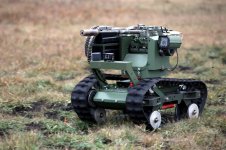
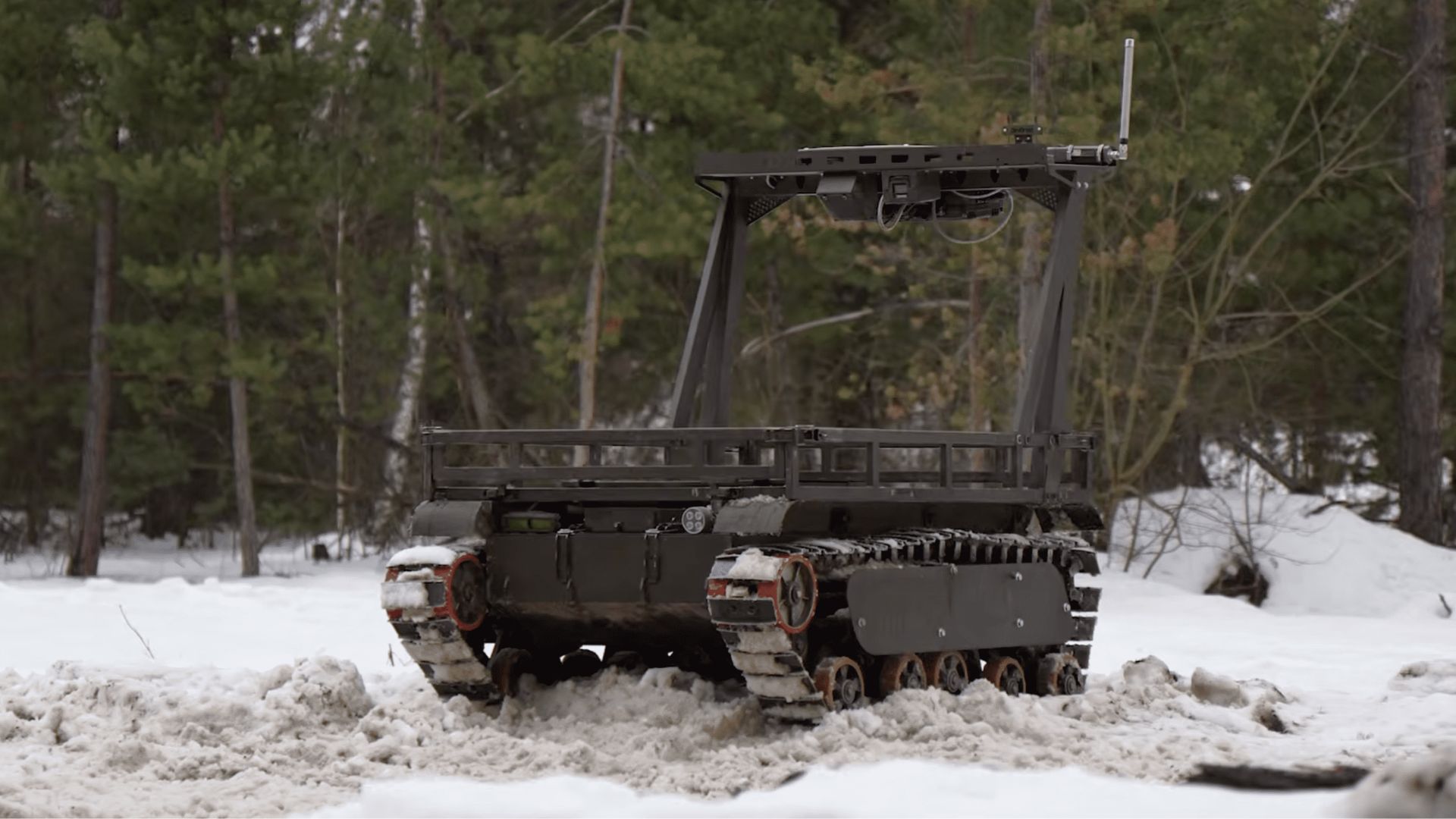
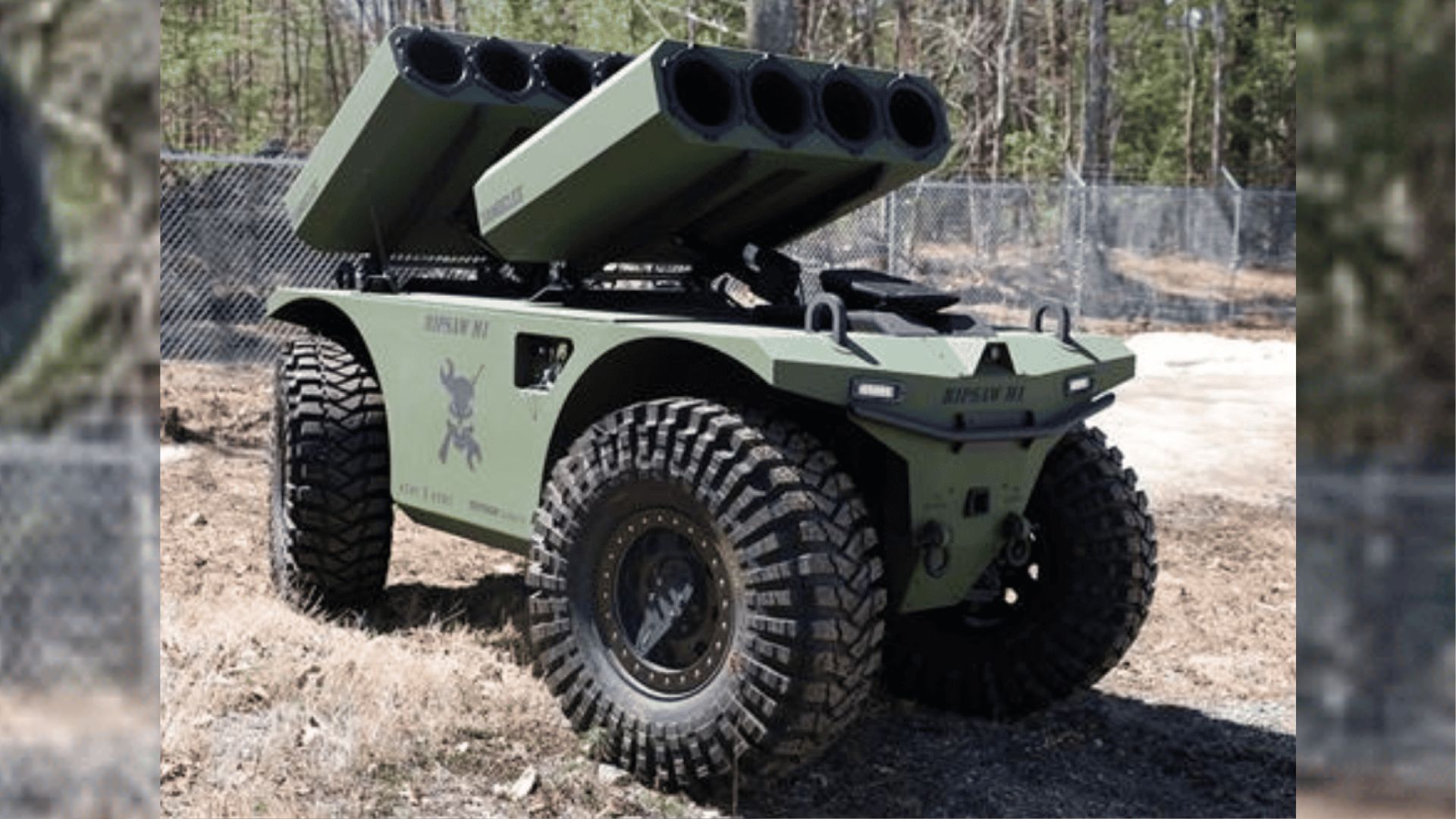
I can definitely see something like the UGV pictured used by screening forces to try and get the enemy to dismount well before their objective. They could have the advantage of low/no thermal signature and could be placed in locations where you might not want to place human screening troops due to lack of cover to fall back.
 
I can definitely see something like the UGV pictured used by screening forces to try and get the enemy to dismount well before their objective. They could have the advantage of low/no thermal signature and could be placed in locations where you might not want to place human screening troops due to lack of cover to fall back.

And you are probably only investing something in the $20,000 range.
 
Back
Top