• Thanks for stopping by. Logging in to a registered account will remove all generic ads. Please reach out with any questions or concerns.

Future Armour


While the exact, proprietary manufacturing cost of a FANUC R-2000iC robot is not publicly disclosed, industry estimates for large, high-payload industrial robots suggest that the manufacturing cost is significantly lower than the list price, often ranging between $30,000 and $150,000+ per unit depending on production scale and component complexity.

For a high-demand model like the
FANUC R-2000iC
(which often lists for $90,000–$130,000+ for the full system), the manufacturing cost includes specialized, high-rigidity components.

Key Factors Influencing Manufacturing Cost:
  • Components: The cost includes 6-axis motors, precision gearboxes (RV reducers), high-strength cast iron/aluminum castings, and the R-30iB Plus controller.
  • Production Scale: High-volume production reduces the per-unit cost of research and development.
  • Market Price Comparison: While manufacturing costs are lower, the new purchase price for a complete R-2000iC cell can exceed $100,000 due to overhead, R&D, and software licensing.
Refurbished R-2000iC robots are often available for around $30,000–$40,000, which reflects the depreciated value of the hardware rather than the original manufacturing cost.

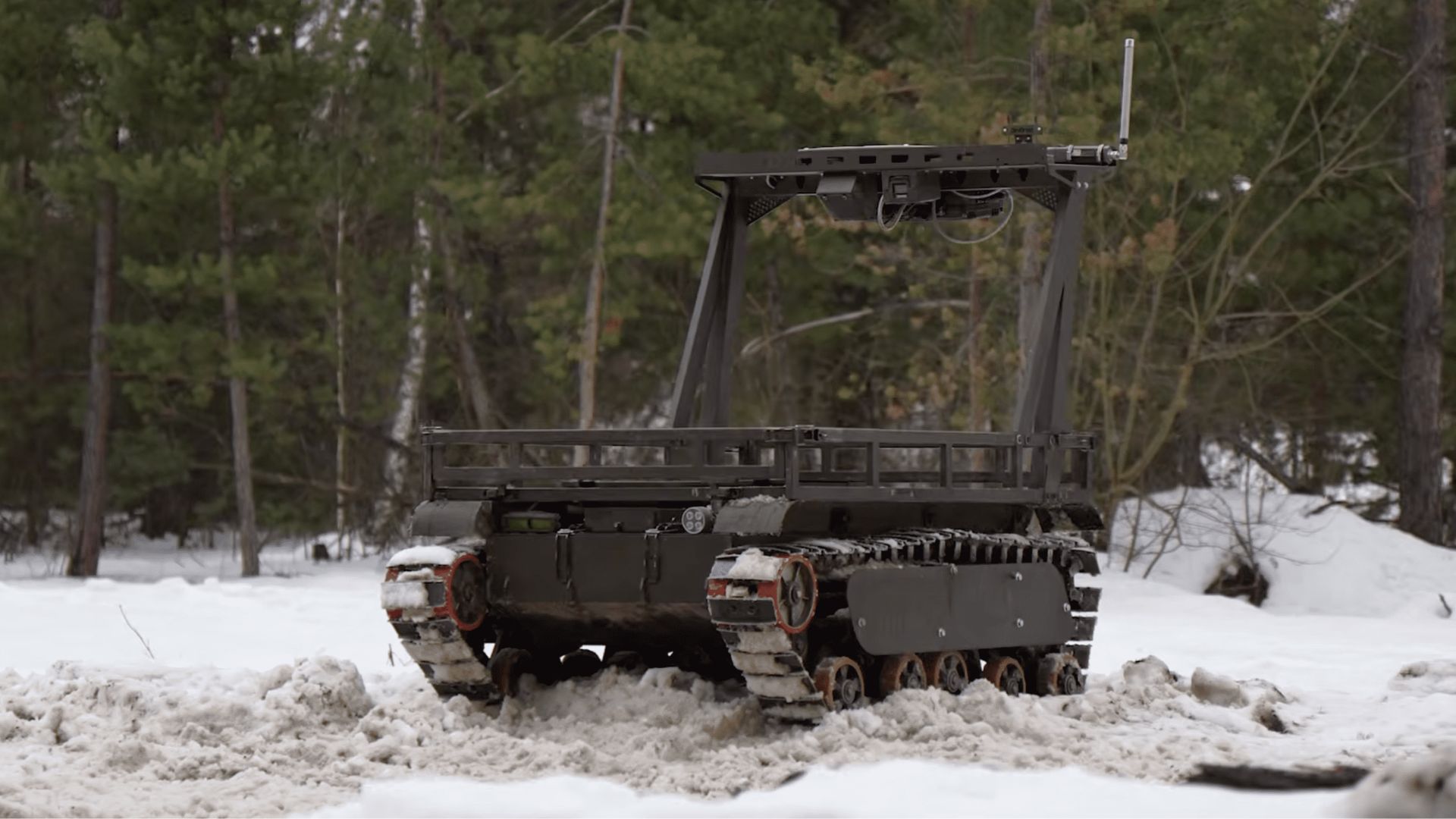
Make these the heart of your RWS system. It could also come in handy loading and unloading, and with the right tools, digging holes and changing track.
 

While the exact, proprietary manufacturing cost of a FANUC R-2000iC robot is not publicly disclosed, industry estimates for large, high-payload industrial robots suggest that the manufacturing cost is significantly lower than the list price, often ranging between $30,000 and $150,000+ per unit depending on production scale and component complexity.

For a high-demand model like the
FANUC R-2000iC
(which often lists for $90,000–$130,000+ for the full system), the manufacturing cost includes specialized, high-rigidity components.

Key Factors Influencing Manufacturing Cost:
  • Components: The cost includes 6-axis motors, precision gearboxes (RV reducers), high-strength cast iron/aluminum castings, and the R-30iB Plus controller.
  • Production Scale: High-volume production reduces the per-unit cost of research and development.
  • Market Price Comparison: While manufacturing costs are lower, the new purchase price for a complete R-2000iC cell can exceed $100,000 due to overhead, R&D, and software licensing.
Refurbished R-2000iC robots are often available for around $30,000–$40,000, which reflects the depreciated value of the hardware rather than the original manufacturing cost.

Make these the heart of your RWS system. It could also come in handy loading and unloading, and with the right tools, digging holes and changing track.
They are used in CNC production. They aren’t designed to work outdoors.
 
Ran across this quite interesting deep dive into a comparison of the older Marder A3 compared to a CV9040 as deployed in Ukraine. Yes, its about IFVs, but the vehicles - especially the CV 90 have potential roles not only as cavalry but of course as part of a combined arms team. I think that makes it useful for discussion on "future armour." Note its a long video. Note as well that my confirmation bias as to tracked vehicles and mud et al has once again been - well - confirmed. I simply can't see why anyone wants wheels and don't even bother about that simple maintenance crap and strategic mobility. I won't listen.


Also, this video at looking at Canada's search for new armour etc. It's a bit off on a few background facts.


🍻
 
"Another Ukrainian manufacturer of UGVs, Tencore, produced more than 2,000 UGVs for the Ukrainian army in 2025.

"Its director, Maksym Vasylchenko, expects demand to jump to around 40,000 units in 2026, at least 10-15% of them armed with weapons."


1773186338201.jpeg

"Robot wars are already happening," says Oleksandr Afanasiev from the Ukrainian army's K2 brigade. He commands its UGV battalion - the world's first, he says.

Ukrainian and Russian killer robots are even said to have clashed without humans being present at the site of the battle.

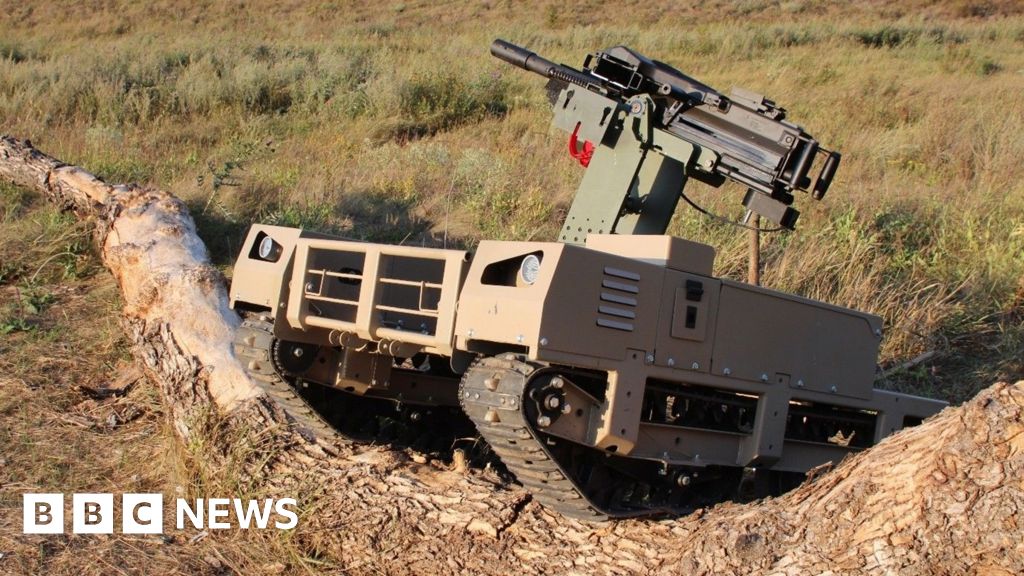
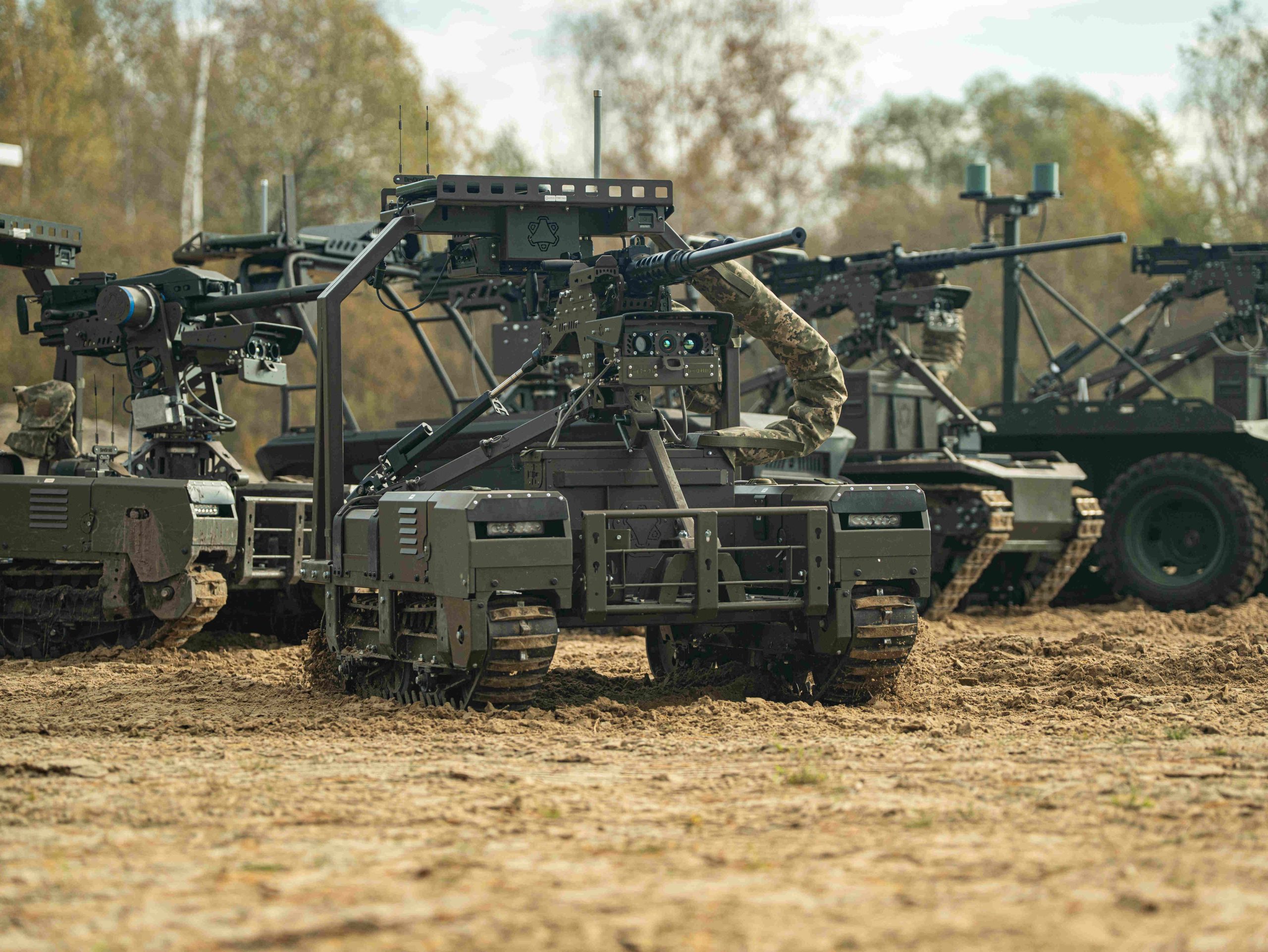
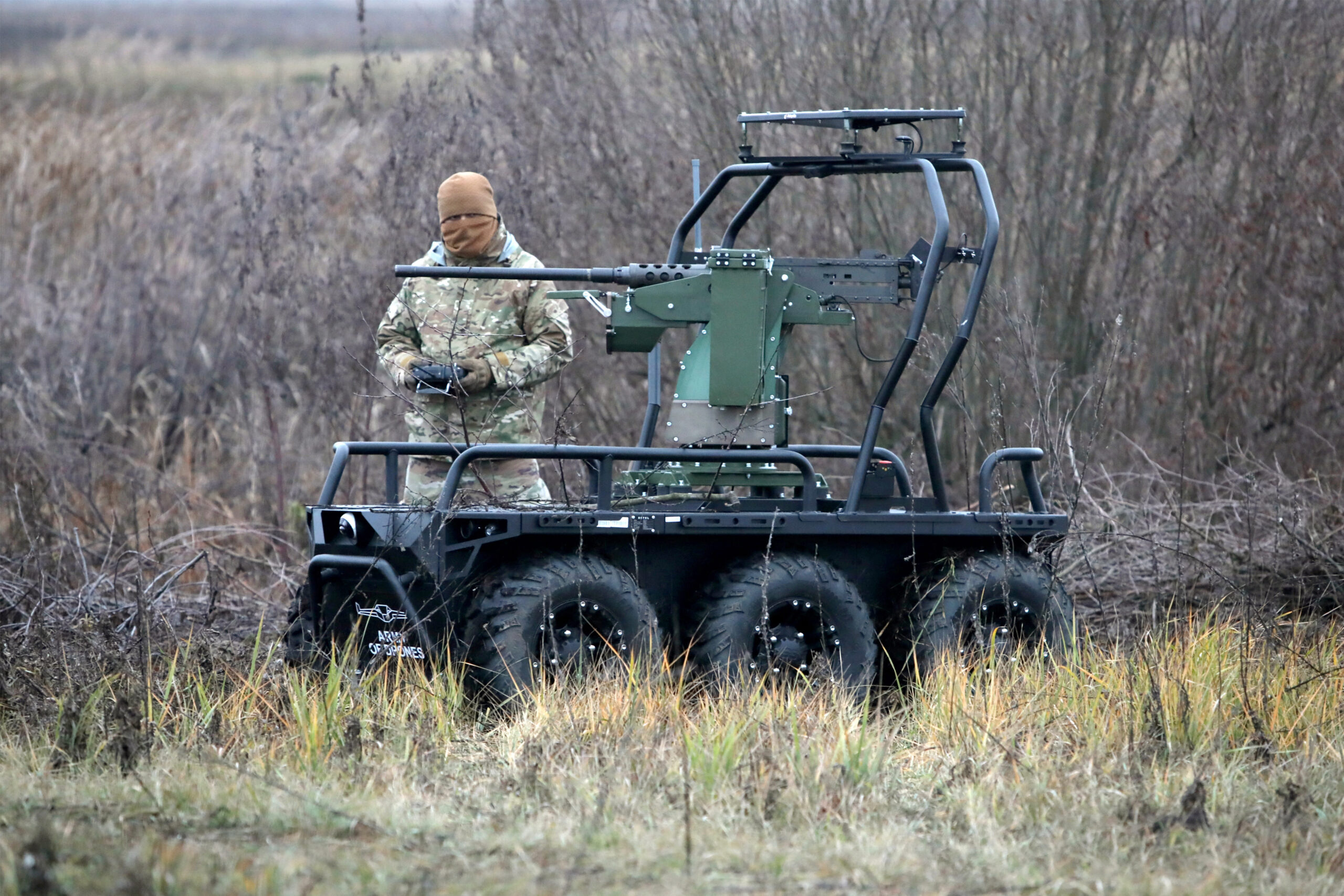
One way in which the brigade has been using these robots is by mounting Kalashnikov machine guns on top.

"They open fire on a battlefield where an infantryman would be afraid to turn up. But a UGV is happy to risk its existence," Maj Afanasiev says.

............

"Modern UGVs are part-autonomous. They can move on their own, they can observe and detect the enemy. But still, the decision to open fire is made by a human, their operator," Afghan says.

"Robots can misidentify the wrong person or attack a civilian. That's why the final decision must be made by an operator."

Which means that in most cases on the battlefield armed UGVs are remote-controlled by operators over the internet from a safe distance.

......

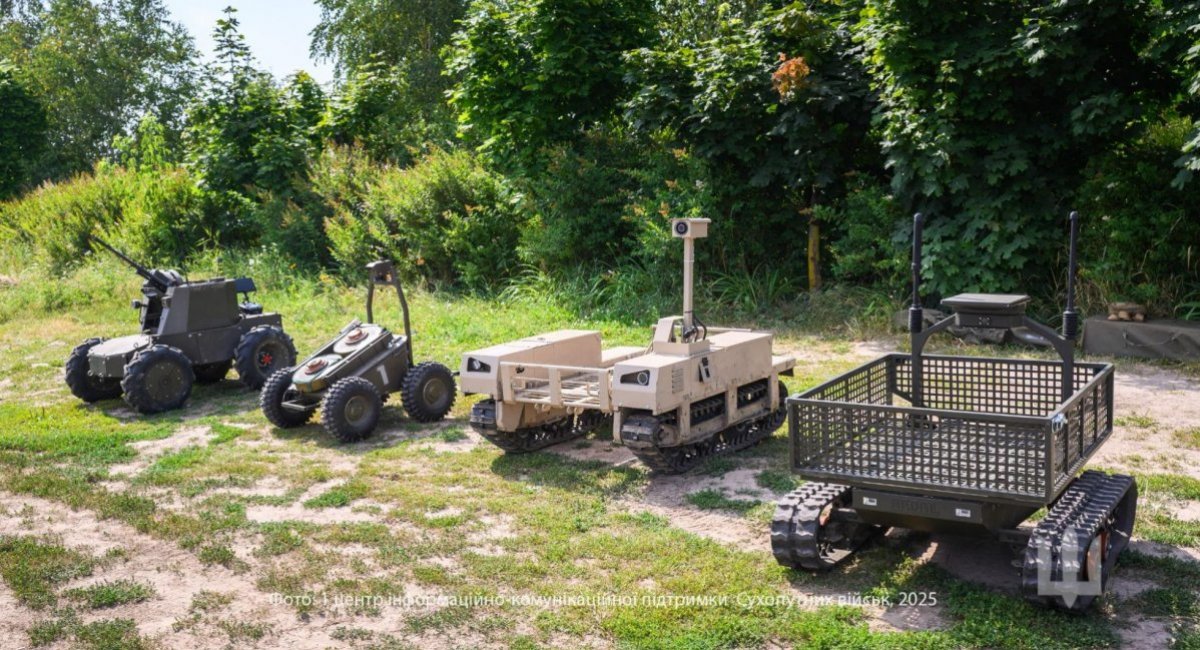
Ukraine's lethal UGVs can be armed with grenade launchers as well as machine guns, and can also be deployed to plant landmines or barbed wire.

.....

But the vast majority of its uncrewed vehicles are still used for their original purpose of delivering supplies and evacuating the wounded.

.....

Necessity is a key factor driving innovation in this field. Drones in the air have made it infinitely more dangerous for humans to be present on the battleground, expanding Ukraine's so-called "kill zone" to 20-25km (12-15 miles) from the line of contact.

(Question: In that event where is the "line of contact"?

Is it Ukrainian FLOT + 20-25 km, Russian FLOT - 20-25 km or are the two FLOTs 20-25 km apart?)
 
"Another Ukrainian manufacturer of UGVs, Tencore, produced more than 2,000 UGVs for the Ukrainian army in 2025.

"Its director, Maksym Vasylchenko, expects demand to jump to around 40,000 units in 2026, at least 10-15% of them armed with weapons."


View attachment 98908

"Robot wars are already happening," says Oleksandr Afanasiev from the Ukrainian army's K2 brigade. He commands its UGV battalion - the world's first, he says.

Ukrainian and Russian killer robots are even said to have clashed without humans being present at the site of the battle.

One way in which the brigade has been using these robots is by mounting Kalashnikov machine guns on top.

"They open fire on a battlefield where an infantryman would be afraid to turn up. But a UGV is happy to risk its existence," Maj Afanasiev says.

............

"Modern UGVs are part-autonomous. They can move on their own, they can observe and detect the enemy. But still, the decision to open fire is made by a human, their operator," Afghan says.

"Robots can misidentify the wrong person or attack a civilian. That's why the final decision must be made by an operator."

Which means that in most cases on the battlefield armed UGVs are remote-controlled by operators over the internet from a safe distance.

......

Ukraine's lethal UGVs can be armed with grenade launchers as well as machine guns, and can also be deployed to plant landmines or barbed wire.

.....

But the vast majority of its uncrewed vehicles are still used for their original purpose of delivering supplies and evacuating the wounded.

.....

Necessity is a key factor driving innovation in this field. Drones in the air have made it infinitely more dangerous for humans to be present on the battleground, expanding Ukraine's so-called "kill zone" to 20-25km (12-15 miles) from the line of contact.

(Question: In that event where is the "line of contact"?

Is it Ukrainian FLOT + 20-25 km, Russian FLOT - 20-25 km or are the two FLOTs 20-25 km apart?)
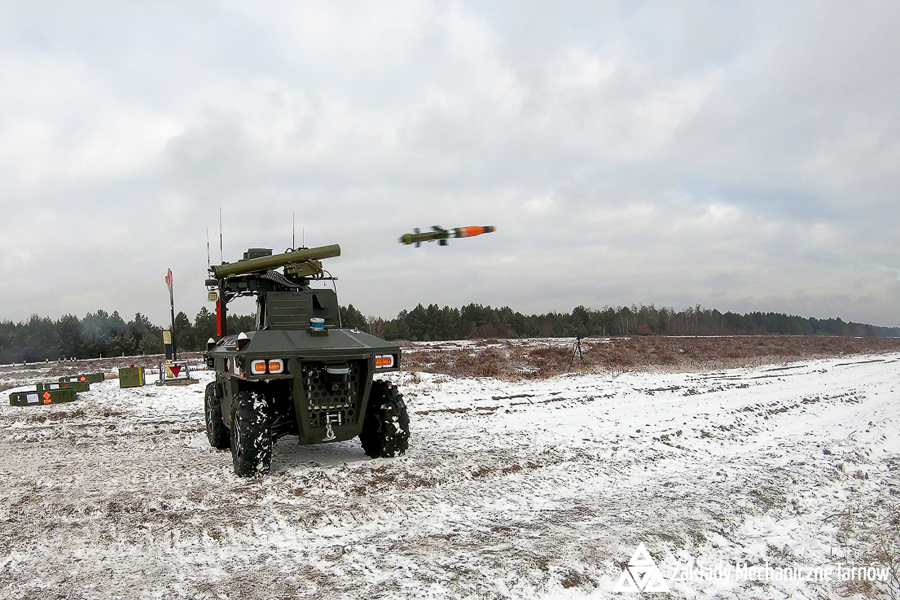
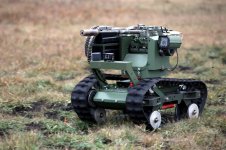
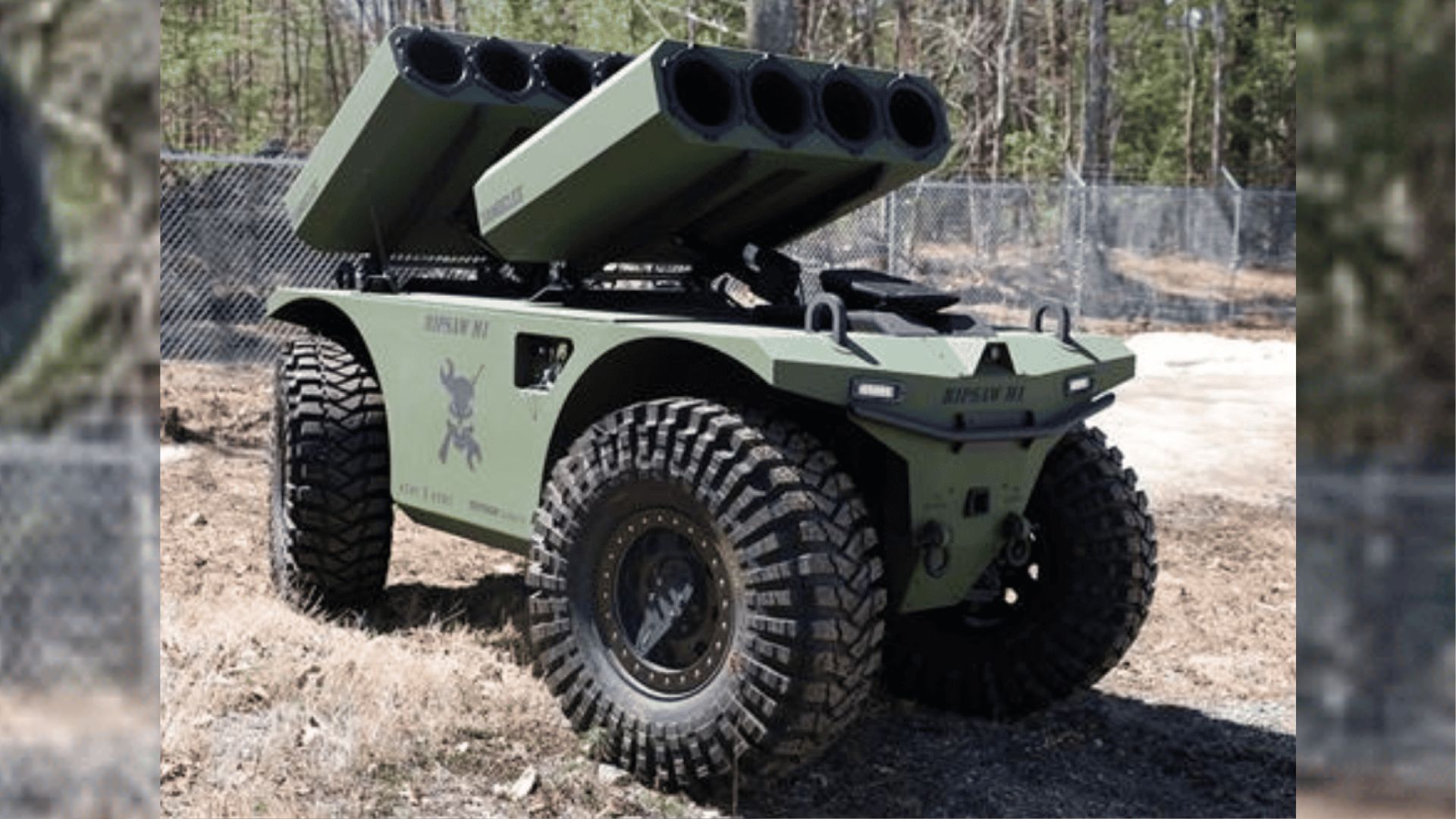
I can definitely see something like the UGV pictured used by screening forces to try and get the enemy to dismount well before their objective. They could have the advantage of low/no thermal signature and could be placed in locations where you might not want to place human screening troops due to lack of cover to fall back.
 
I can definitely see something like the UGV pictured used by screening forces to try and get the enemy to dismount well before their objective. They could have the advantage of low/no thermal signature and could be placed in locations where you might not want to place human screening troops due to lack of cover to fall back.

And you are probably only investing something in the $20,000 range.
 
1775347668945.jpeg


"Overall, defense production grew more slowly due to limited domestic funding. At the same time, technology segments showed significantly higher growth rates: drone production increased by 137%, ground robotic systems by 488%, and electronic warfare systems by 215%.

"The actual market size is likely higher, as a significant share of procurement is carried out through decentralized channels, charitable foundations, direct unit-level contracts, and in-house production by brigades, which is not reflected in official statistics.

"The most mature segment remains the drone market, estimated at $6.3 billion. Long-range drones and interceptors are growing the fastest, while FPV drones continue to be the most widely used product."
 
1775348555091.jpeg


Drones won't replace the infantry.

But they will change the Combat Support Company.
 
David Petraeus:

"In some Western countries right now, they think that innovativeness is giving 50 drones to an armored battalion," he said. "No. What we should do is scrap the armored battalions and replace them with a drone battalion."


"That shift, he argued, requires more than procurement reform. It demands what he called a "whole new concept of warfare," including changes to doctrine, training, and force structure. Ukraine, he noted, has created the standard for this by creating an Unmanned Systems Force, rather than simply implementing drones into different forces."

...

""Once you're observed on this battlefield and you can't get into a deeply buried position really quickly, it's not going to end well," he said.

"Ukraine is also scaling production of low-cost first-person-view drones at a pace far beyond Western militaries. One Ukrainian manufacturer that Petraeus visited last week told him that it "is going to make 3 million drones this year alone," compared to roughly 300,000 produced by the United States last year.

"Artificial intelligence, Petraeus said, will accelerate these innovations. Currently, drone warfare is limited by electronic warfare. In the roughly 20 miles around the frontlines saturated with remotely piloted first-person-view drones, combatants jam connections between drones and operators, decreasing their effectiveness. One solution has been fiber-optic drones, which connect to their operators through long cables spooling out of their tails. But fiber-optic drones have limitations on how far they can fly and how much cable is available.

"Using algorithms, rather than GPS connections, to fly drones will ease these constraints. "What's coming is going to be algorithmically piloted drones that you can't jam," Petraeus said. These systems will be able to operate even in heavily contested electronic warfare environments by reducing reliance on GPS, he added. The technology will also allow human operators to control more than one drone at a time.

"Petraeus said fully autonomous systems, where humans still define the missions but machines execute them, may also emerge soon.

""I think that will be possible within a couple of years, and we may well see it first here," he said, noting that advances in technologies like object identification and facial recognition are already enabling greater autonomy."
 
In Q1, three months, robots replaced human soldiers in 21,000 missions.

1775679115175.jpeg


21,000 UGV missions in the three months of Q1 - 2026
9,000 UGV missions in March 2026

But 304,000 UAV missions in November 2025.

In December, Ukraine's commander in chief, Oleksandr Syrskyi, said that his troops had carried out over 304,000 uncrewed aerial vehicle missions in November alone.
 
Last edited:
Britain's buying in a bit more.

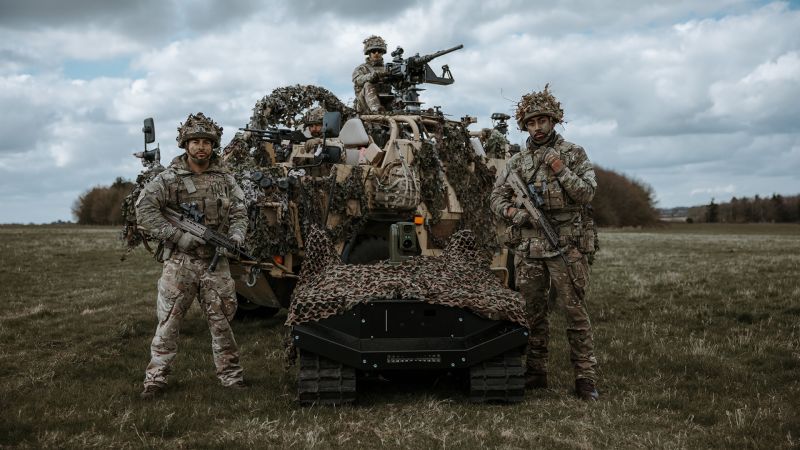
"German robotics firm ARX Robotics has begun manufacturing autonomous ground systems in the United Kingdom after securing its first contract with the British Army, the company announced Wednesday.

"The April 15 award, issued through the Army’s Task Force RAPSTONE, covers an initial order of UK-manufactured GEREON uncrewed ground vehicles that will support ongoing experimentation with reconnaissance and strike operations. The contract also includes intelligence, surveillance and reconnaissance payloads as well as technical support for the Army’s Recce-Strike innovation activities."


...

The UK is broke.

The Chancellor (Finance Minister) is from a party whose support comes from those who "have not" and are convinced that those who "have" got what they don't have by illicit means.

There is no money for defence.

At the same time most of the capital budget is tied up in long lead items that will deliver small volumes of last decade solutions at a slow pace sometime beyond 2030.

The Air Force has struggled to get fighters and helicopters delivered and maintained.
The Navy can't find sailors to keep its ships crewed, the ships on hand have sub-optimal availabilities if they aren't self-divesting, and the rest are being released and scrapped.
The Army has spent a couple of decades to deliver a vehicle that is a health hazard to its crews, that is of a class of vehicle that has been successfully targeted in Ukraine and Azerbaijan, and that is seeking a new scheme of operations.

Meanwhile shadow fleet ships and Russian subs are circumnavigating the islands at will, crossing critical infrastructure, supplying launch platforms for UxVs of all domains, gathering intelligence, constraining navigation, burning up British revenues and adding to Russian, Chinese and Iranian revenues.

Pretty dire.

The only people who faced a more dire situation were the Ukrainians on Feb 21 2022.
But they're still here four years later.
And they did it by doing things differently.

If you have to wait until 2030 to put a hull in the water what value are the hundreds of millions of pounds you are spending on keeping those Glaswegians employed to you militarily.

How many people could you employ immediately in Portsmouth and Plymouth building more 11m launches for uncrewed service and using them to deploy sensors, ROVs, mines, depth bombs, torpedoes and missiles of all sorts? And start launching them tomorrow?

If you aren't getting any value out of the millions sunk into a rattling tin can to assist your troops why not stop the contract and invest in FPVs, OWADs, Missiles, UGVs and EW suites?

If your air fleet isn't what you need but you can start turning out more of those Qinetiq target drones for pennies on the pound then why not stop spending on American F35s with no approved weapons and start spending on building and upgrading those drones?

.....

The nature of war is changing. Not willingly but due to changed circumstances.

Rheinmetall, dissing Ukrainian Hausfrauen, and Lockmart and RTX are struggling to keep up and stay relevant. So is the entire defence apparatus in all countries.

....

China's invasion plans for Taiwan will needd to be rewritten.

Floating highways and piers are now only really big and slow moving targets.

 

A bit more on the ARX Robotics contract.

Both articles reference a build rate of 1800 vehicles per year.

I have always been a fan of the Bren Carrier as an adjunct to the light infantry battalion. These things remind me of Bren Carriers.

1944 British/Canadian Battalion


1 carrier for each of 4x Rifle Coy HQ - 4
Mortar with 7 carriers - 7
Anti-Tank platoon with 13 carriers - 13
Carrier platoon with 13 carriers - 13

Total of 37 carriers.

A good starting point for UGVs for a Rifle Bn

At 1800 a year that is almost enough to kit out 50 battalions to WW2 Universal Carrier levels.
Or supply bunches to engineers, gunners, sigs, EW, LAA/CUAS types or anybody else that prefers to keep a bit of distance between them and the enemy.
 
Back
Top