Due to the massive area that needs to be covered, ground-based AD systems are best suited to point defence of vital points. Fighters are the best choice for cruise missile defence of North America as they can much more rapidly redeploy to any axis of attack than anything ground-based.
And in the case of defence against an enemy cruise missile attack I'd argue that a Gripen (or other 4th Gen fighter) will work as well as the F-35. Range and payload would be the greatest benefits which is why I have always been a fan of the F-15EX for Canada's NORAD mission with F-35's to quarterback and for the NATO expeditionary role. Unfortunately, a certain someone has made that a non-starter.
If it comes to defending against ballistic missiles, well that means we're facing a full nuclear exchange with ICBM's and there simply isn't the capability at this point to defend against a mass attack. The US currently has 44 x Ground-Based Midcourse Defense missiles (40 in Alaska and 4 in California) which are designed to handle small-scale attacks by rogue nations like North Korea or Iran, not full-scale attacks by 100's or 1,000's of incoming warheads from Russia or China. Trump's fantasies of a Golden Dome to protect against ICBMs are too expensive to materialize (just as Reagan found with Star Wars) because additional ICBMs will always be cheaper to build than the interceptors.
I don't disagree with the utility of the fighter response. My problem is with the magazine capacity of the fighters. Individual fighters are limited in the number of interceptors they can carry. There are insufficient interceptors in inventory and production is slow and expensive. There are insufficient fighters availa le and there production is slow and expensive.
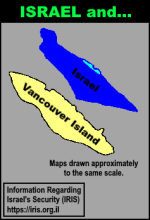
Israel has a sizeable airforce with fighters and interceptors and a compact defended
locality and yet it has seen fit to develop the Iron Dome system, the world's premiere GBAD system.
And even they are constantly looking to reduce the cost of interceptions.
Canada is a big place, agreed, but it has a small population, and a rich one, with a small number of vital points to defend.
.....
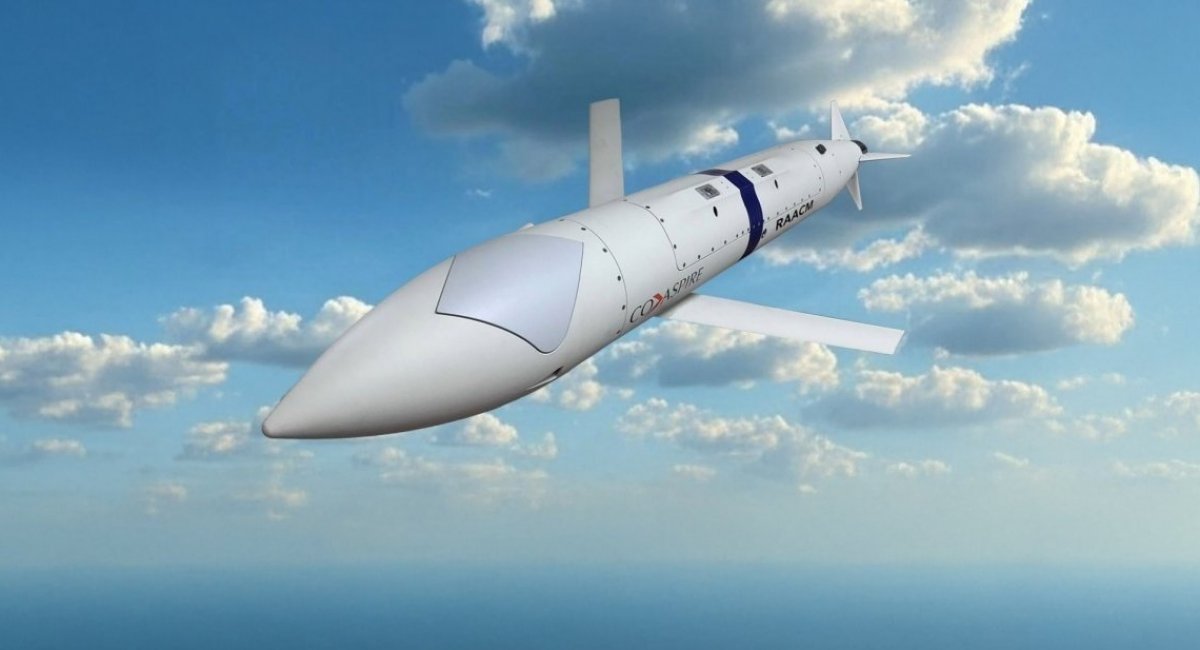
There is a current effort to make affotdable, small, interceptors.
These range downwards from 70mm APKWS II beam riders with prox fuses, through the 40 mm Nimbrix rhat seeks to emulate the M72 LAW by sticking a viable artillery warhead, in this case a 40 mm 3P, on top of a rocket, to quad copter interceptors like this one:
Spike drone defense system is designed to be carried in a rucksack or mounted on top of a vehicle

www.theregister.com
The current intention is to have them widely dispersed with significant concentrations at vital infrastructure sites.
But there is concurrent activity.
...
Matryoshkas are those nested dolls popular in Russia.
The USN seeks to emulate them in its missile program.
The program is built around one common, small, cheap, capable interceptor.
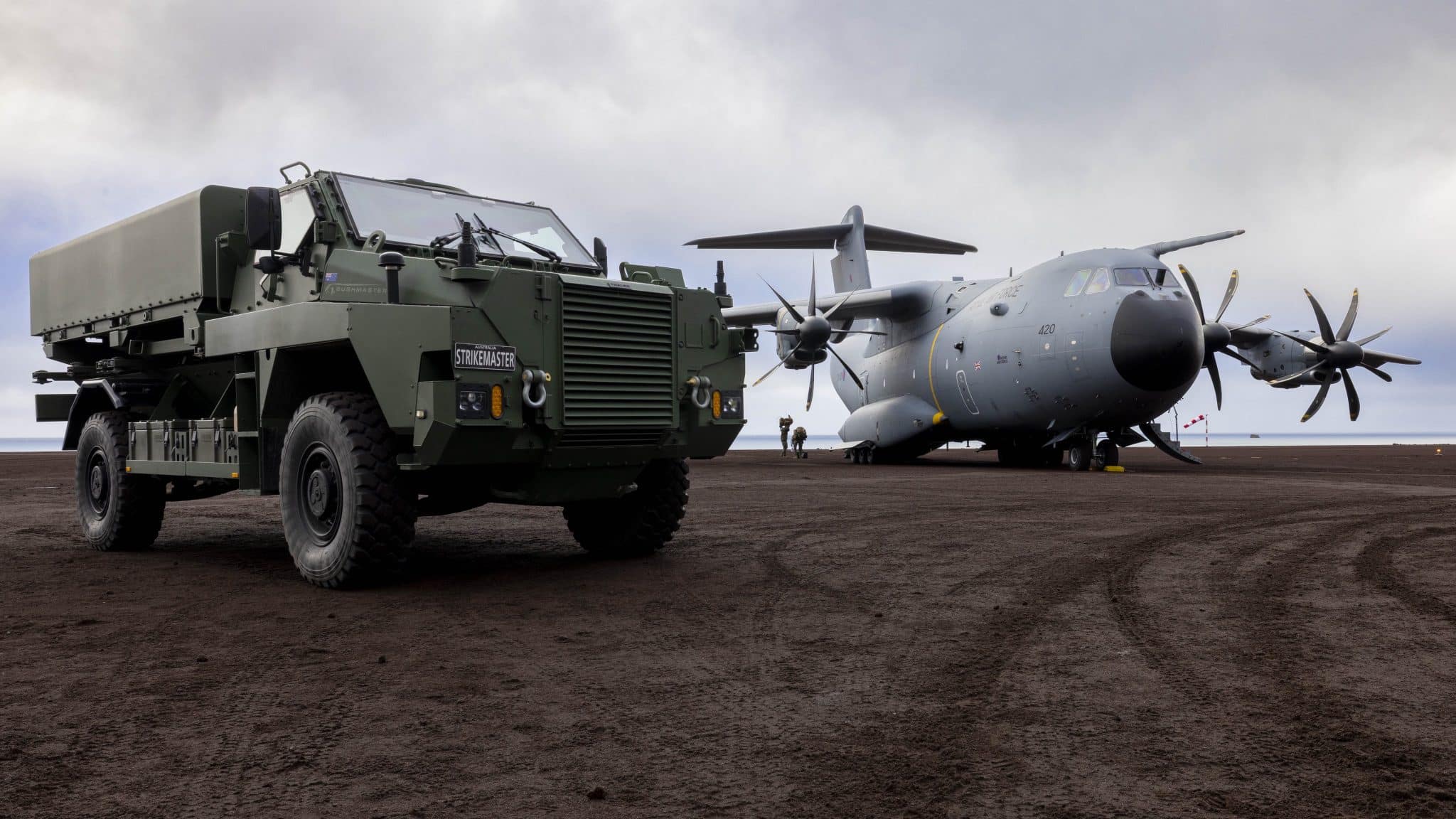
The interceptor can be launched from the ground, or any other platform.
The other platforms include flying platforms like UAVs, helicopters, fighters, cargo planes or rockets.
And some of those platforms, including rockets and UAVs can be transported by other rockets.
USN is studying a new air defence concept that spans multiple variants for different fitting and range requirements, named the Naval Modular Missile (NMM).

turdef.com
....
The interceptor, the TSI, is the heart of the system. Once delivered to a target rich environment it finds, fixes and fires on its own time, autonomously.
The TSI can lodge at the VP in a ground launcher.
Or it can be delivered rapidly to an uncovered VP by another vehicle.
Some of those vehicles can deliver quickly and precisely to the target zone but need to get their timing right and not arrive too soon or too late. Others can loiter for a while and extend the coverage period.
One option is a rocket powered first stage that lifts a heavy load a long distance in a hurry. At a point proximate to the projected target zone the rocket detaches from a ramjet powered USV that can stooge around the zone and manouevre rapidly to the threat. That USV carries a payload of TSIs as submunitions which can be released on command by a ground operator to take on the incoming targets autonomously.
....
The navy takes the lead on these types of systems because they can't rely on airfields. Their carriers are too few in number, too expensive and too slow to build. They are best served with runway independent solutions.
Those runway independent solutions then present attractive options for the army's artillery.
All of which ends up taking a load off the inhabited aerial fleet.