• Thanks for stopping by. Logging in to a registered account will remove all generic ads. Please reach out with any questions or concerns.

17 Oct 2026: Major fire at CFB Wainwright

Aircraft contracted to DND have to be under our airworthiness and follow our flight rules while working for us.

I still think ground based UGVs could give most range controls in Canada a 90% solution for initial attacks for fraction of the price of aircraft based solutions.

The presence of various UXOs in the impact areas make the whole range fire management thing pretty 'unique'.
 
Are DND Fire Depts trained and equipped for wildland fire?
Absolutely. This is one of Shilo's vehicles.

images


This is an older article but I expect there hasn't been any decrease in equipment.

Aug. 18, 2011 - CFB Shilo located in Manitoba under deputy fire chief Martin Haller, took delivery in July of six Fort Garry Fire Trucks-built range firefighting vehicles. Built on International 7400 4X4 chassis and powered by Allison 3000 EVS transmissions and MaxxForce 9 330-hp engines, the trucks are equipped with Waterous CPD-2 pumps, 1,000 IG CoreTen steel water tanks, Waterous Aquis 1.5 foam systems, Federal Signal LED light packages, Federal Signal 3 backup cameras, Amdor H20 ground lighting, Kussmaul Pump Plus 1000s, Waterous Crossmount CAFS with 60-hp engines and Warm M12,000-pound winches with dual F&R receivers.

🍻
 
The problem with 15 year old trucks is that they are full of old, worn parts that nobody makes anymore.
 
Absolutely. This is one of Shilo's vehicles.

images


This is an older article but I expect there hasn't been any decrease in equipment.


🍻

And a more recent (October 7, 2026) article about Shilo's firefighters.

Shilo Fire and Emergency Services stands out as an industry leader, with a first-time-ever front-cover feature in the national ‘Firefighting in Canada’ magazine’s August 2026 edition.

The article, “The Invisible Front”, written by Greg Bartlett, focuses on Canada’s wildfire environment. The cover photo shows a CFB Shilo crew and the emergency service vehicle Red 17 responding to a mutual aid call from the Brandon Fire Department in May. The front cover action photo was taken by Manitoba photographer Liam Pattison.
Base Fire Chief Aaron Bull said he was proud his team was featured in the publication, which reaches more than 150,000 industry professionals across the country.
Brandon Fire and Emergency Services requested the assistance of Shilo firefighters under the mutual aid agreement after battling the wildfire near Chater for more than three hours. Shilo was called in because of its specialty in natural bush firefighting.

“We do the most wildland responses in all the CAF, so for all the DND bases combined. Because we do so much wildland firefighting here at CFB Shilo and on the ranges, we have seven of those trucks you see featured on the front page [of the magazine].”

The magazine, "Firefighting in Canada", that featured a Shilo rig on the cover.
 
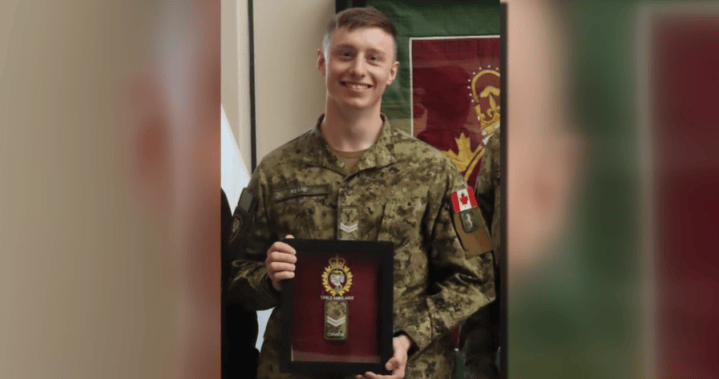
And so the first story of heroics, and self sacrifice come out. Currently critically injured medic ran into the fire several times to save comrades, until injury overcame him

I certainly hope this and other stories are shared and celebrated despite the tragedy.
 
And so the first story of heroics, and self sacrifice come out. Currently critically injured medic ran into the fire several times to save comrades, until injury overcame him

Sounds like it is worthy of something like the Cross of Valour

‘the Cross of Valour recognizes acts of the most conspicuous courage in circumstances of extreme peril.’
 
Checked in on a buddy. They were safe and doing OK, and are now helping the investigation. Was part of the team that went to flag UXOs, kit and other things left at the site. Told me it was surreal seeing all the melted and burnt gear, as well as the discards of the rescue efforts.

RCMP, and NIS were both there as well as some external fire investigation experts.

I suspect NIS doesn't have the expertise or horsepower to do this on their own. Might be joint jurisdiction as well for reasons I don't understand.
Probably NIS jurisdiction with RCMP assistance maybe for some stuff like forensics, fire investigators, etc. I wouldn’t be surprised if RCMP lenses some expertise for major case management; the amount of information that will be flowing into this file will be considerable, and the complexity will likely be well beyond what most NIS, through no fault of their own, will ever face. You need a really switched on file coordinator with access to and experience in the right MCM software or at least a well practiced filing system. It’s not rocket surgery, but it does require experience. I have crossed paths professionally with NIS in the investigative context, and I’m concerned that they may struggle to find adequately experienced people for the key roles here.

There will be some niche investigative expertise required on this in a few different realms. There will be expertise needed on fire behaviour, on CAF range safety, on occupational health and safety generally, and no doubt on other things that donmt come immediately to mind. Managing an investigation of this scale is taxing and requires a skilled command triangle of team commander, primary investigator, and file coordinator. While I’m not suggesting any particular outcome by this, they will certainly need to operate on the possibility that criminal negligence causing death is in play, and conduct the investigation accordingly.

I don’t envy anyone having to work this.
 
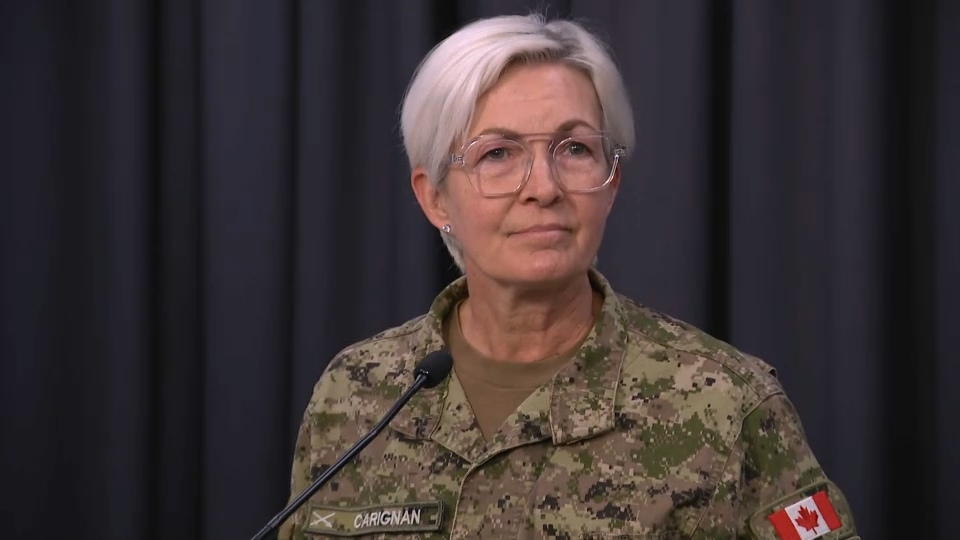
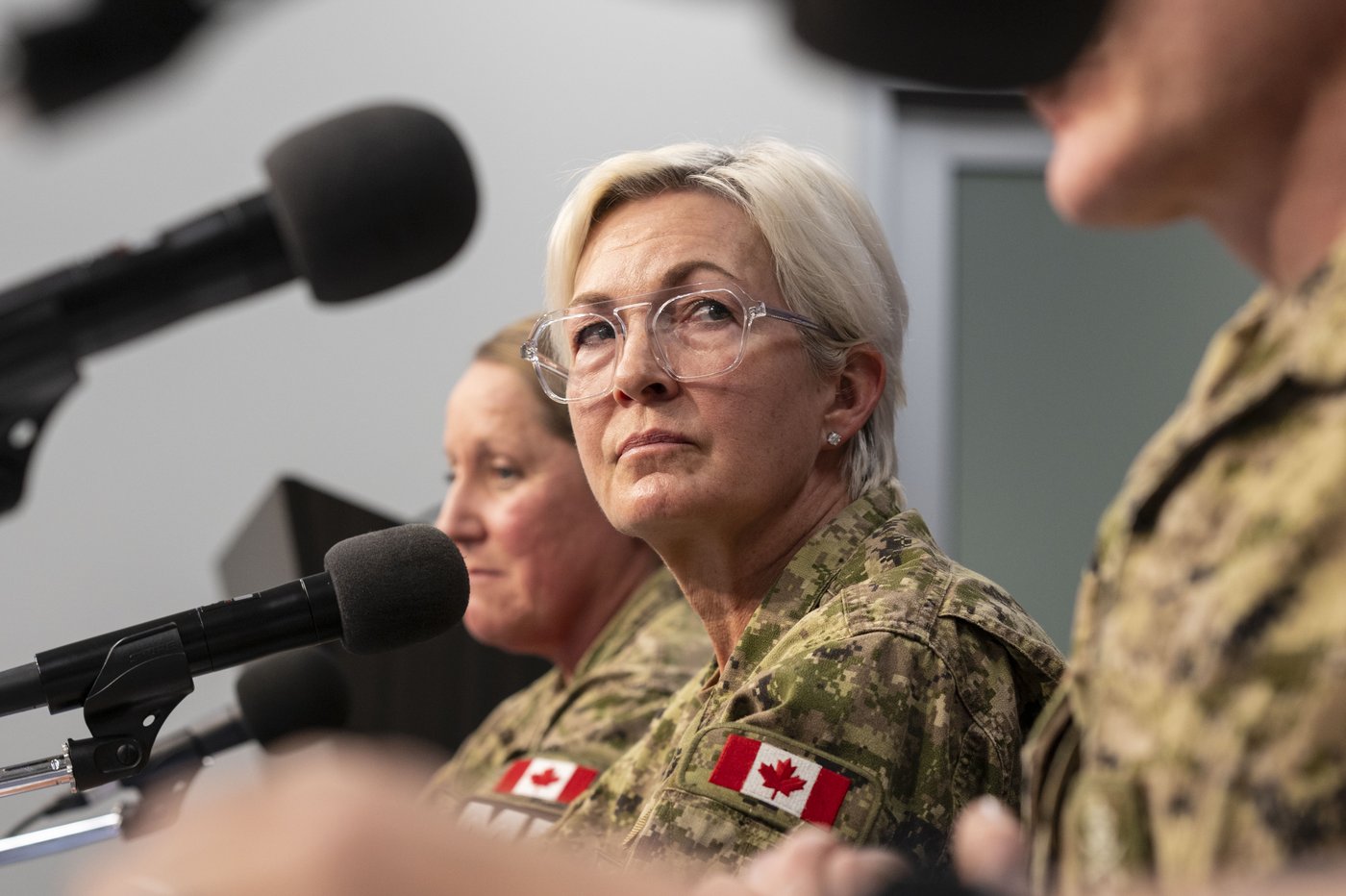
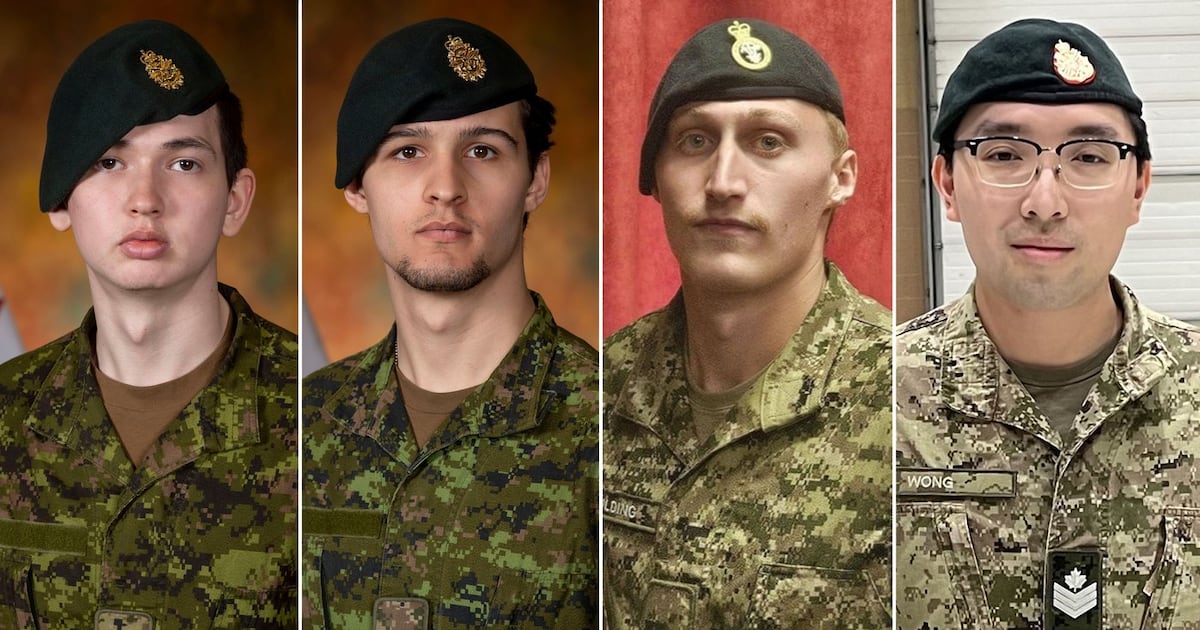
For the record, the latest briefing & some coverage resulting from it.
 
Not going to speculate on the CAF investigation process or SME's. Have some very good guesses who are involved though.

Will say for major community impacts and/or fatality fires in Alberta it's not uncommon to not only investigation the fire origin and cause but also bring in a second, totally independent team, and run a seperate investigation. If both are pointing at the same location/cause you have a much more valid defense as opposed to single investigation. Doesn't always occur but for context some of the major fires folks might know just figuring out the origin area might take over a month of field time.

In the case of Wainwright the fire location has been reported in public media as a known origin so this work may not be as valid. Fire Behaviour Analysis (FBAN) work to reverse engineer events may be more important but that's a subject I don't play in professionally.
 
Back
Top