Ukrainian tank tactics reviewed by a British tank commander of the Cold War
Armour can survive the modern battlefield, but not without its own pocket air force

www.telegraph.co.uk
"A picture emerges of an entirely new approach to mechanised warfare. Tanks are no longer operating as isolated steel monsters, blundering across the battlefield with little idea of what lies ahead. They are
becoming part of an integrated fighting system in which reconnaissance drones, attack drones, satellite communications, artificial intelligence and armour work together in real time."
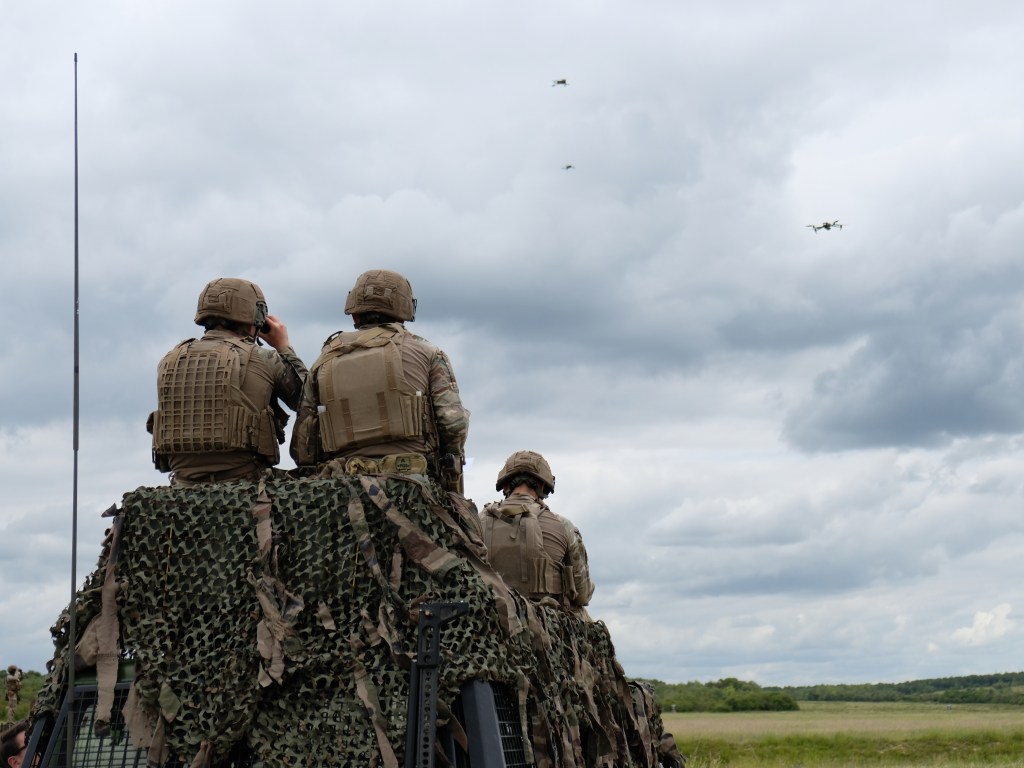
"Colonel Flint’s description of how his tanks operate is strikingly simple. Each vehicle has Starlink connectivity and a tablet inside. The driver and tank commander can watch a live video feed from a drone viewing their own tank from above. The aerial escort of drones identifies threats, scouts the route, clears mines and
engages enemy FPV drones. The tank crew can see what is happening around them rather than relying on somebody peering through a periscope or shouting over the radio.
"This is not some fantastically expensive, futuristic system dreamed up by a defence prime contractor. As Flint explains, it is a practical solution developed by soldiers who cannot afford to wait for the next generation of military technology. The Ukrainians are building capability with what they have, adapting it as the Russians change their tactics.
"The next step is even more significant. The regiment is developing its own Battlefield Control software, which will create a shared, constantly updated operational picture. For an armour commander, knowing where friendly forces are, where the enemy is, and where the immediate dangers lie can be the difference between a successful assault and a catastrophe.
"The drones are not simply there to watch, either. They act as an integrated, personal air force working with the ground troops. They clear mines, identify ambushes and attack threats before the armour moves forward. The commander describes the problem of relying on a drone operated by a different unit that might take 30 minutes to reach a target once it has been identified. A tank cannot sit exposed in the open waiting for that kind of support. The answer is to have the right combination of drones already accompanying the vehicles."
....
Thoughts on the accompanying infantry - more appropriately the brigades panzer-grenadiers.
"CODE 9.2 has also made innovations with its own infantry, as well as its tanks. Nato armies have spent years debating how to reduce the weight carried by the individual foot soldier. The Ukrainians have taken a new approach. Their assault troops go forward with nothing but personal weapons, some water, ammunition and grenades. Anything else they need is
delivered by drone.
"Flint claims that he can deliver 40kg of supplies to each assault soldier every day. Heavy weapons, ammunition, replacement batteries, medical supplies, rations, water, shovels and materials to build dugouts can be flown forward. This is logistics transformed. It reduces the need to expose soldiers and supply vehicles to enemy observation and attack, lightens the often crippling load carried by modern infantrymen and lets troops rapidly establish well-hidden dugouts and other field fortifications."
....
Thoughts on AI
"Perhaps the most intriguing development is the use of artificial intelligence. The regiment is training its own software to analyse drone footage, identify destroyed vehicles, distinguish them from intact ones and recognise enemy movements. It is still developing, but the ambition is to provide an assault regiment commander with an AI-assisted tool to plan and conduct operations. This is not artificial intelligence replacing the commander; it is AI helping him make faster and better-informed decisions without needing a small army of human analysts to interpret drone footage."
....
Vehicles - 16 tonne and 500 HP
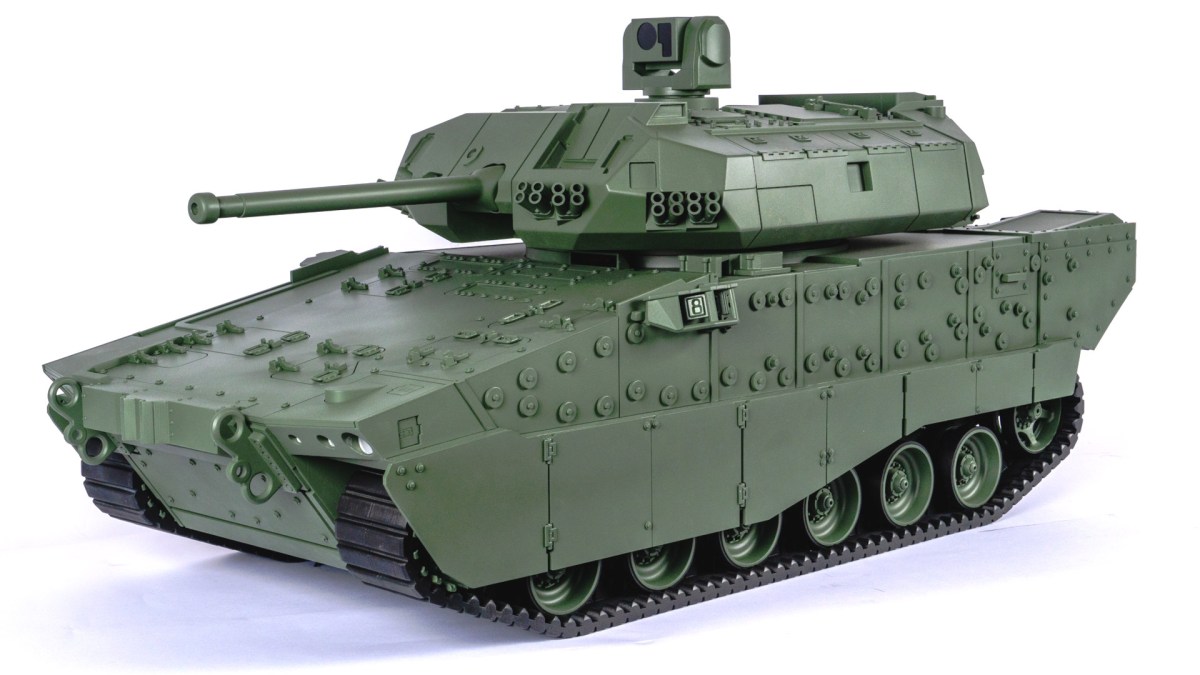
"The Ukrainians are also designing their own armoured assault vehicle, drawing on hard-earned experience of operating Western infantry vehicles such as the
American Bradley and Stryker. Their prototype, developed in just four months, is a 16-tonne, 500-horsepower vehicle with Swedish-engineered components, hydraulic drive and a complex five-layered armour system. The commander describes it as ugly but functional. In war, functionality is rather more important than showroom appeal."







 defence-blog.com

 www.army.mil

 www.twz.com


 www.businessinsider.com
 www.defensenews.com


