• Thanks for stopping by. Logging in to a registered account will remove all generic ads. Please reach out with any questions or concerns.

Infantry Vehicles

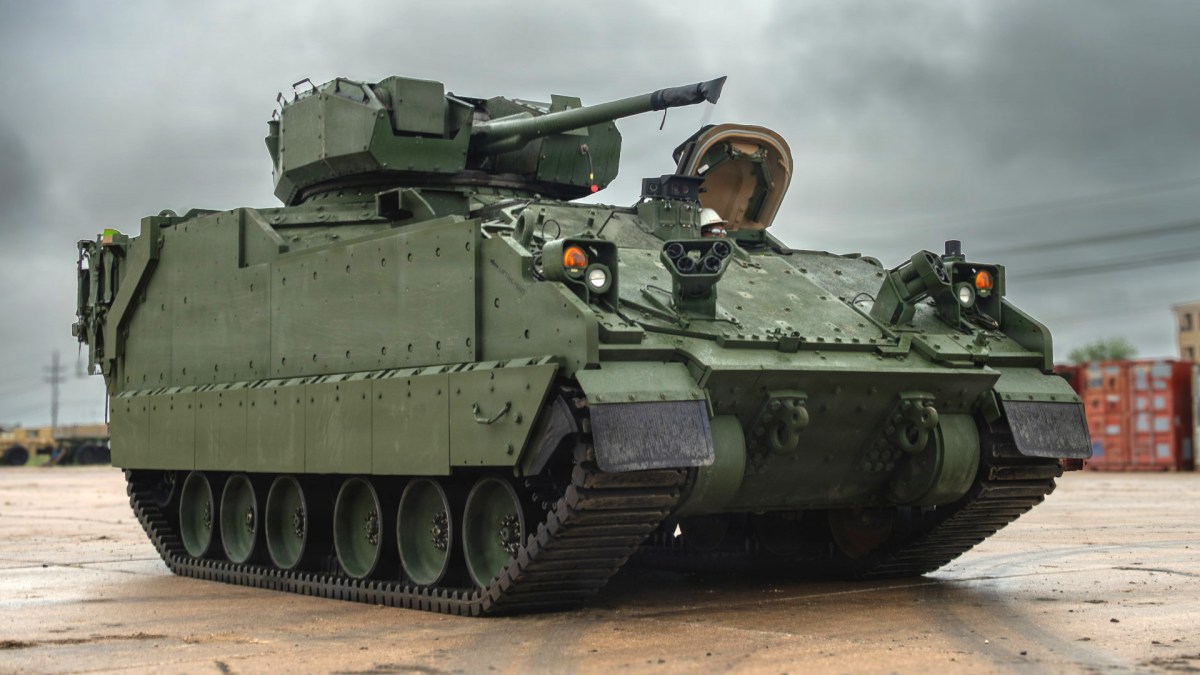
Another encomium to the Roshel Senator - Both types

The PMV that Roshel calls an APC which carries up to 12
And the upgraded one called an MRAP carries 10

As the article states - they are not IFV substitutes. They are 80 percenters for doing most jobs in most places while moving around behind the lines.

I wonder how much an unarmoured version with the same layout would cost.

 
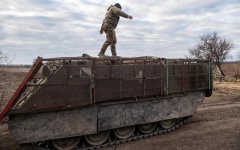
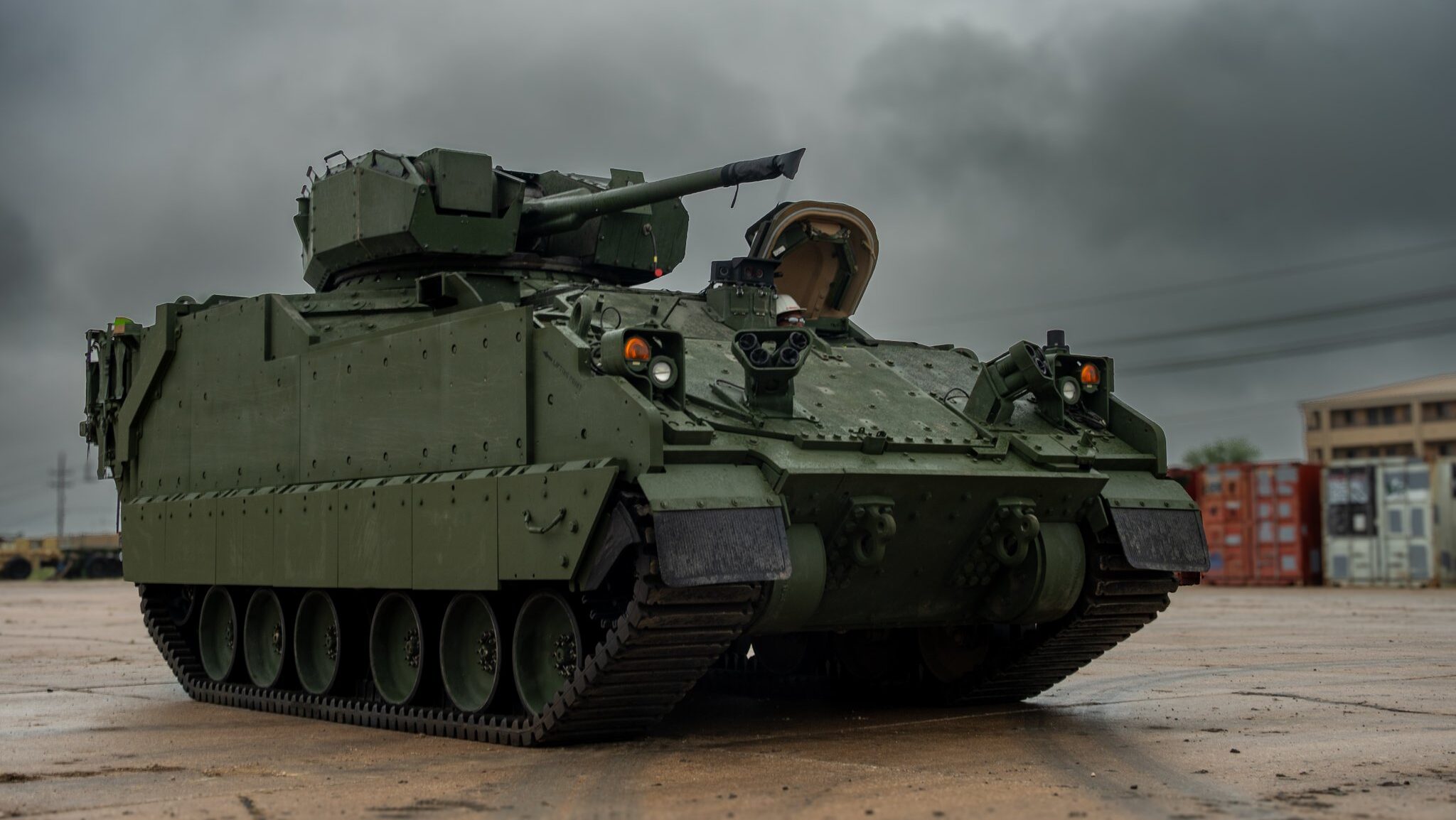
1774633169946.jpeg

In praise of simplicity.


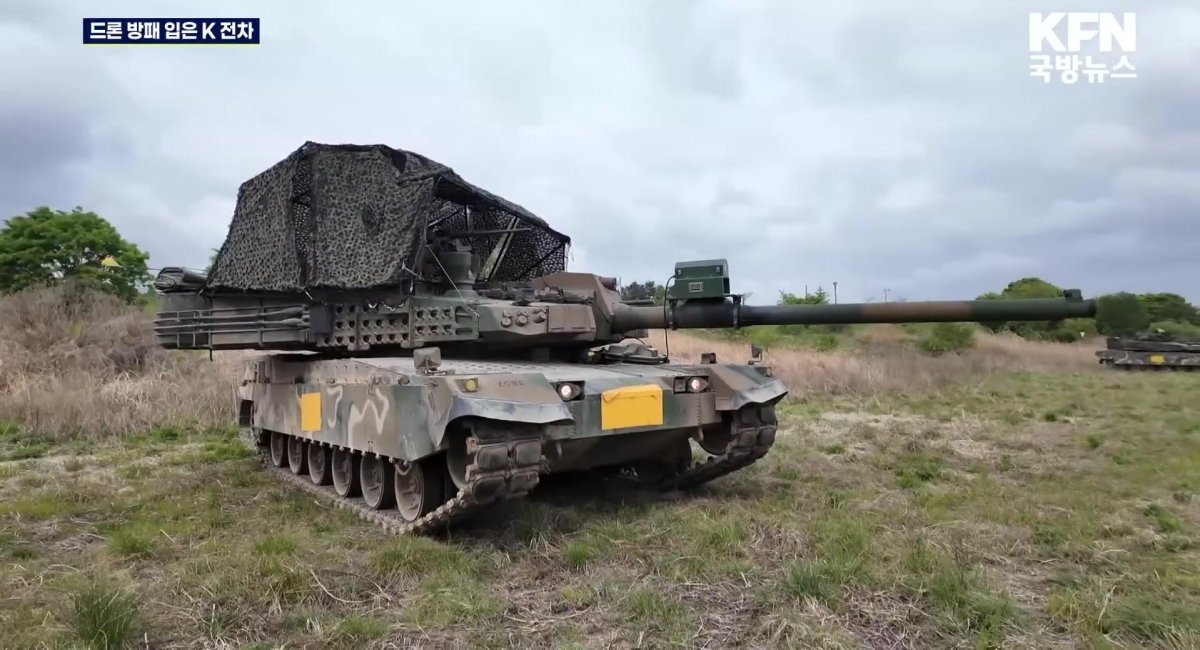
It is interesting to note the stand-off distance between the anti-drone netting and the hull seems to have bee considerably reduced from earlier haystack versions. 3 foot seems to have been reduced to 6 inches or less.

Is it as effective as the slat armour of the type grafted on to the Strykers and Vikings?

....

I note that the M113 can also be rendered autonomous

Adding an autonomous driving kit to an existing tracked vehicle generally costs between $65,000 and over $100,000+ for professional, heavy-duty applications (such as agricultural or industrial tracked tractors), while installation times for these specialized kits can take a few days to a week. For smaller, lighter DIY projects, costs can be significantly lower.
Costs of Autonomous Retrofit Kits
  • Professional/Ag Systems: Specialized kits, such as those from Sabanto or Mojow Autonomous Solutions for agricultural equipment, start around $65,000 to $100,000+ per unit.
  • Recurring Fees: Some commercial systems require annual subscriptions, often around $15,000 per year, covering cellular and GPS services.
  • DIY Systems: Basic autonomous controllers can be assembled from hobbyist components for as little as $700–$1,000, though these lack the sensor suites needed for obstacle avoidance.
  • Components: A full autonomous "TONY" retrofit kit (Transit ON Demand) includes LiDAR, RADAR, cameras, GPS, and Drive-By-Wire actuators.
    FarmersForum.com +4
Installation Time and Complexity
  • Installation Time: While simple car-based "bolt-on" systems might be installed in 30 minutes, converting a heavy tracked vehicle involves installing actuators for steering/brakes, mounting sensors (LiDAR), and calibrating the system, which takes substantially longer, likely several days.
  • Vehicle Agnostic: Retrofit providers often aim for systems that can be installed on a wide variety of existing machinery, both wheeled and tracked.
  • Skill Level: Commercial systems often require professional installation to ensure safety, whereas DIY systems require in-depth knowledge of robotics and software.
    The Robot Report +2
Factors Affecting Time and Cost
  • Level of Autonomy: L4 (fully autonomous in specific areas) systems require more robust, expensive sensors and computing than simple GPS-guided path-following.
  • Drive-by-Wire Conversion: If the tracked vehicle does not have electronic control for steering and braking, expensive mechanical actuators must be installed.
  • Sensor Setup: High-resolution LiDAR and RADAR sensors are the primary cost drivers for reliable, safe autonomous operation.
    SSRN eLibrary +3
 
Back
Top