• Thanks for stopping by. Logging in to a registered account will remove all generic ads. Please reach out with any questions or concerns.

Infantry Vehicles

Another encomium to the Roshel Senator - Both types

The PMV that Roshel calls an APC which carries up to 12
And the upgraded one called an MRAP carries 10

As the article states - they are not IFV substitutes. They are 80 percenters for doing most jobs in most places while moving around behind the lines.

I wonder how much an unarmoured version with the same layout would cost.

 
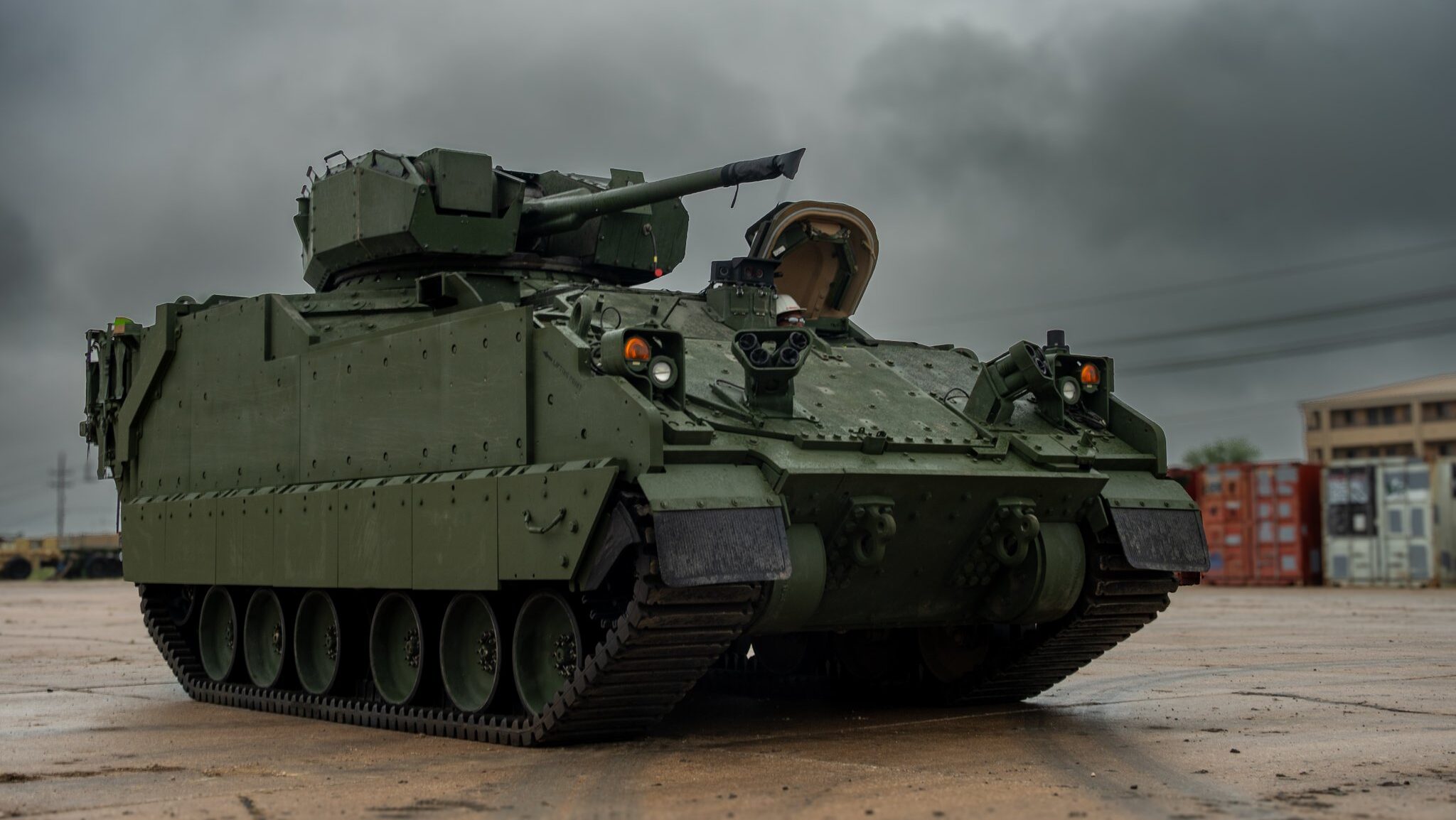
1774633169946.jpeg

In praise of simplicity.


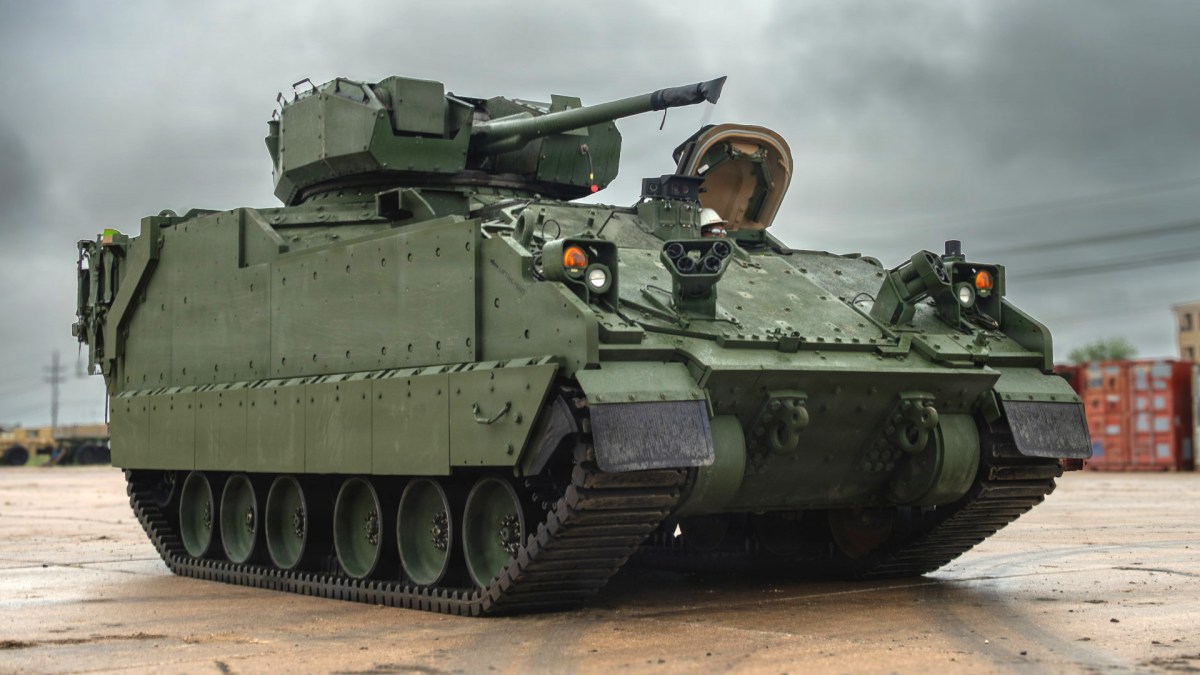
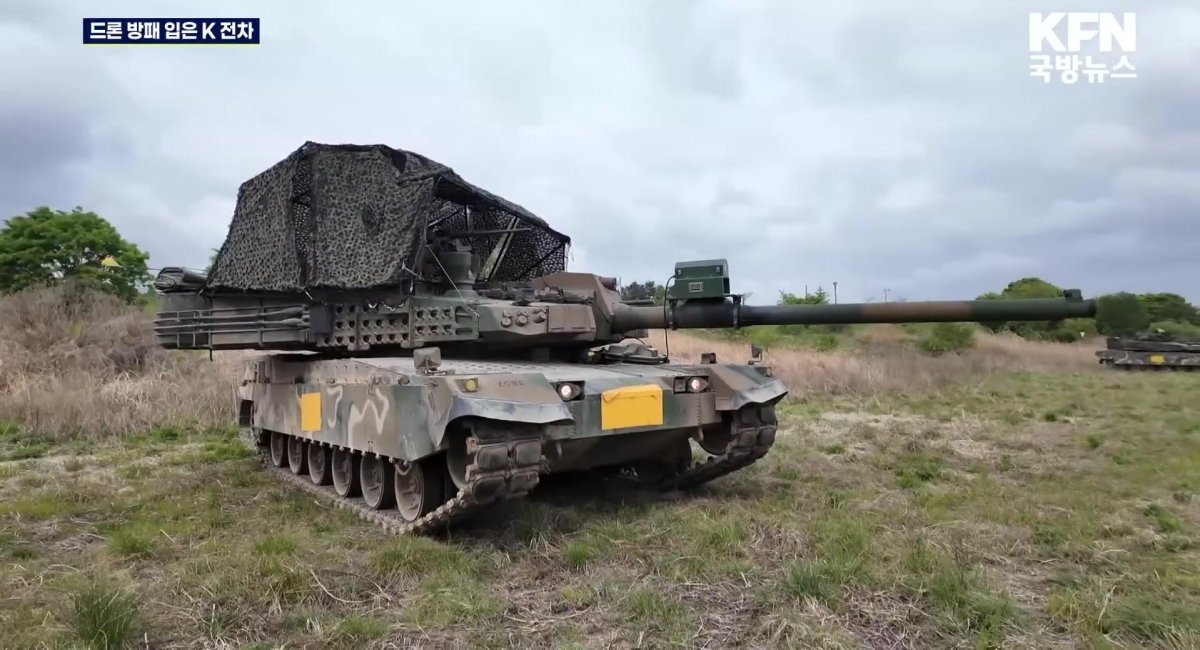
It is interesting to note the stand-off distance between the anti-drone netting and the hull seems to have bee considerably reduced from earlier haystack versions. 3 foot seems to have been reduced to 6 inches or less.

Is it as effective as the slat armour of the type grafted on to the Strykers and Vikings?

....

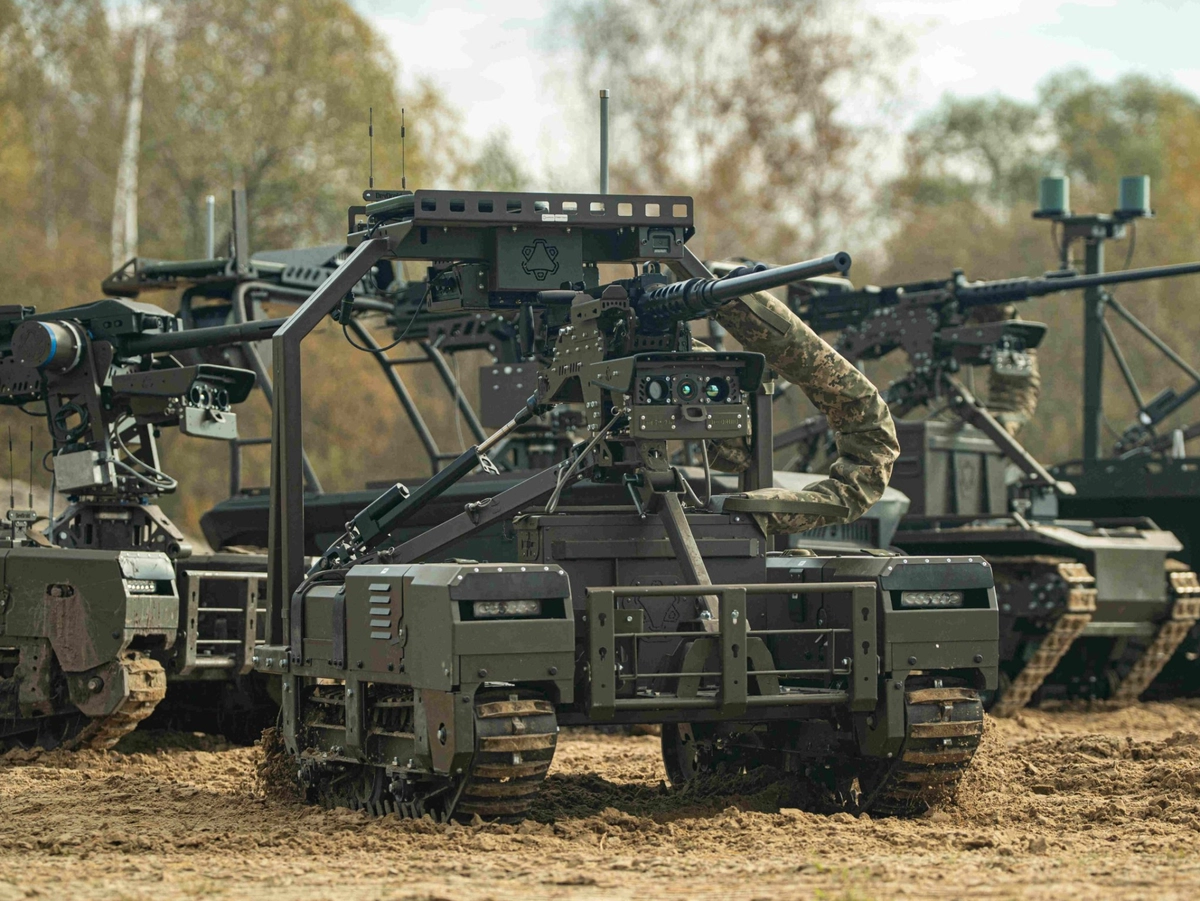
I note that the M113 can also be rendered autonomous

Adding an autonomous driving kit to an existing tracked vehicle generally costs between $65,000 and over $100,000+ for professional, heavy-duty applications (such as agricultural or industrial tracked tractors), while installation times for these specialized kits can take a few days to a week. For smaller, lighter DIY projects, costs can be significantly lower.
Costs of Autonomous Retrofit Kits
  • Professional/Ag Systems: Specialized kits, such as those from Sabanto or Mojow Autonomous Solutions for agricultural equipment, start around $65,000 to $100,000+ per unit.
  • Recurring Fees: Some commercial systems require annual subscriptions, often around $15,000 per year, covering cellular and GPS services.
  • DIY Systems: Basic autonomous controllers can be assembled from hobbyist components for as little as $700–$1,000, though these lack the sensor suites needed for obstacle avoidance.
  • Components: A full autonomous "TONY" retrofit kit (Transit ON Demand) includes LiDAR, RADAR, cameras, GPS, and Drive-By-Wire actuators.
    FarmersForum.com +4
Installation Time and Complexity
  • Installation Time: While simple car-based "bolt-on" systems might be installed in 30 minutes, converting a heavy tracked vehicle involves installing actuators for steering/brakes, mounting sensors (LiDAR), and calibrating the system, which takes substantially longer, likely several days.
  • Vehicle Agnostic: Retrofit providers often aim for systems that can be installed on a wide variety of existing machinery, both wheeled and tracked.
  • Skill Level: Commercial systems often require professional installation to ensure safety, whereas DIY systems require in-depth knowledge of robotics and software.
    The Robot Report +2
Factors Affecting Time and Cost
  • Level of Autonomy: L4 (fully autonomous in specific areas) systems require more robust, expensive sensors and computing than simple GPS-guided path-following.
  • Drive-by-Wire Conversion: If the tracked vehicle does not have electronic control for steering and braking, expensive mechanical actuators must be installed.
  • Sensor Setup: High-resolution LiDAR and RADAR sensors are the primary cost drivers for reliable, safe autonomous operation.
    SSRN eLibrary +3
 
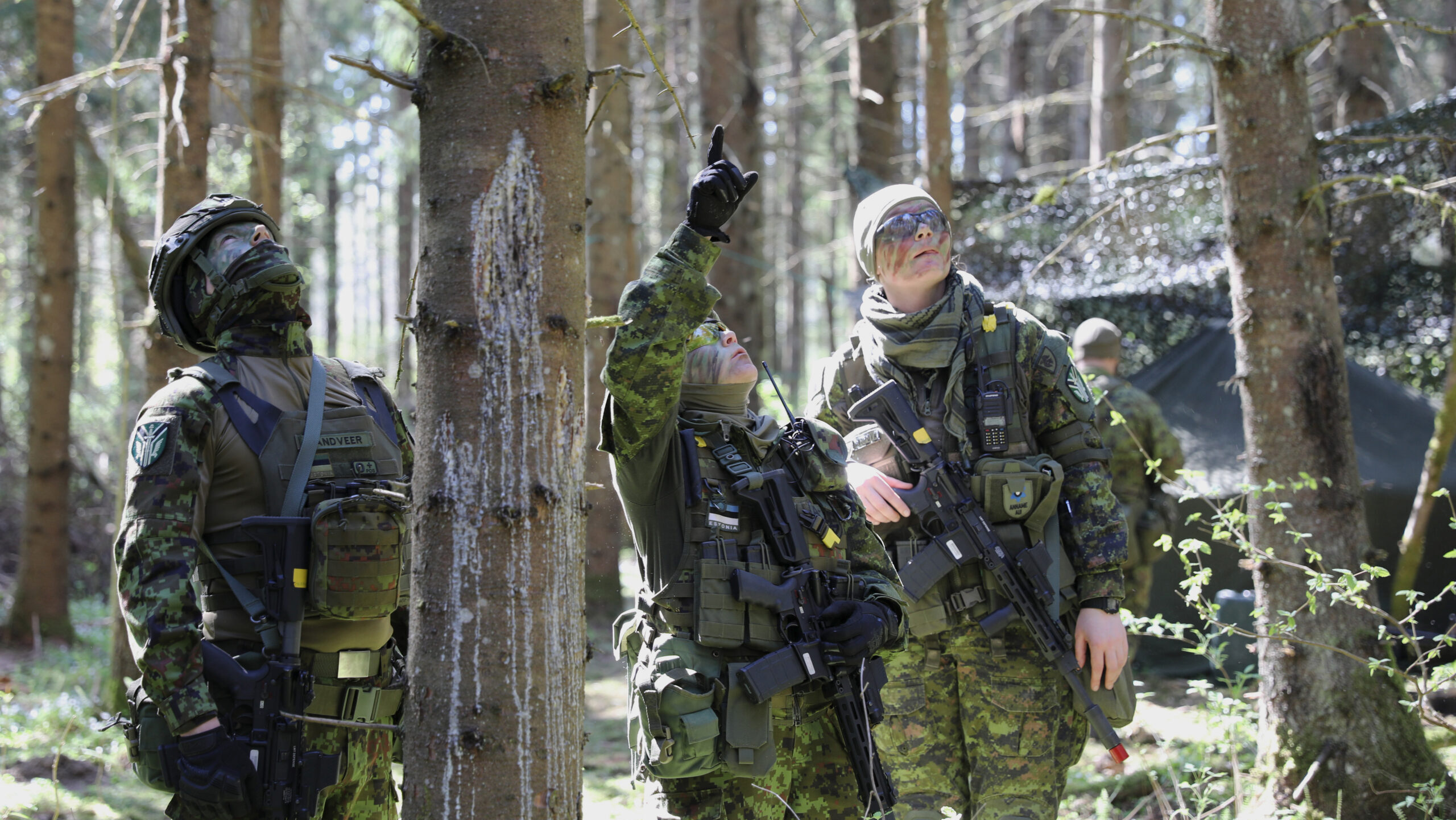
Estonia is dropping plans to replace their CV90 fleet and instead life extend their current fleet and redirect the money to drones and air defence.


Defense Minister Hanno said that, given the diminishing battlefield utility of heavy equipment, it is not “reasonable to replace” CV90s over the next decade.
Pevkur added that, given the diminishing battlefield utility of heavy equipment, it is not “reasonable to replace” CV90s over the next decade. Citing lessons from Ukraine, he said that Estonia’s focus has shifted to “countering drones, air defense, and unmanned systems.”
 
Back
Top