
- Reaction score
- 19,253
- Points
- 1,160
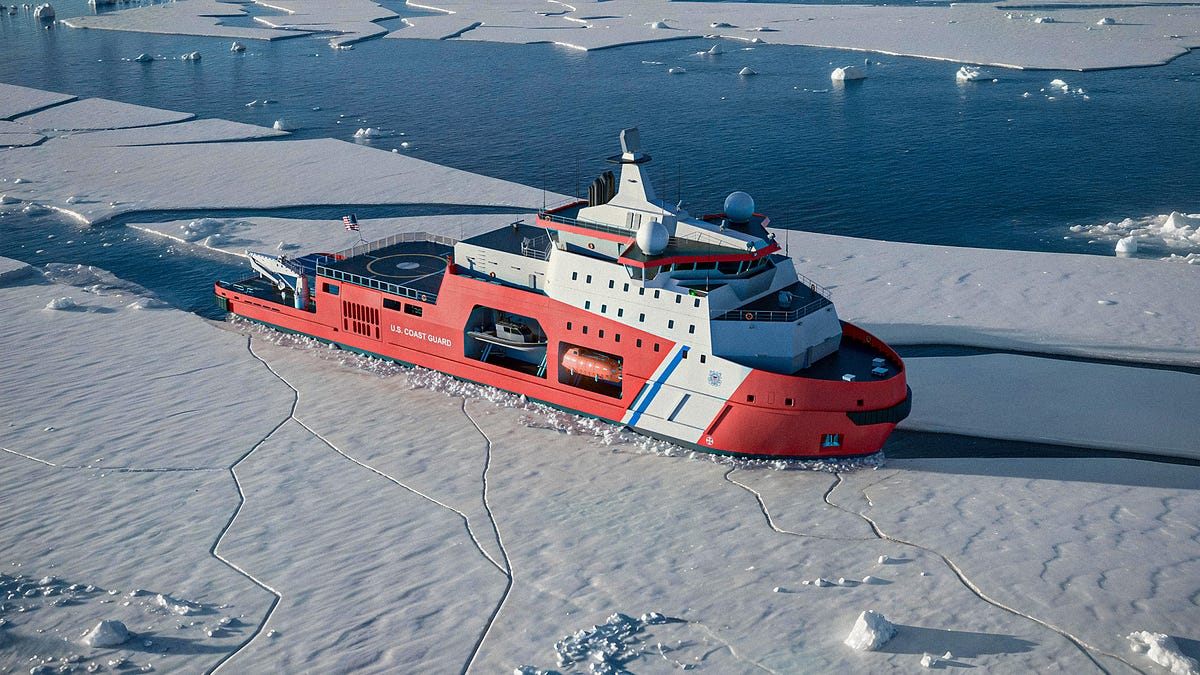
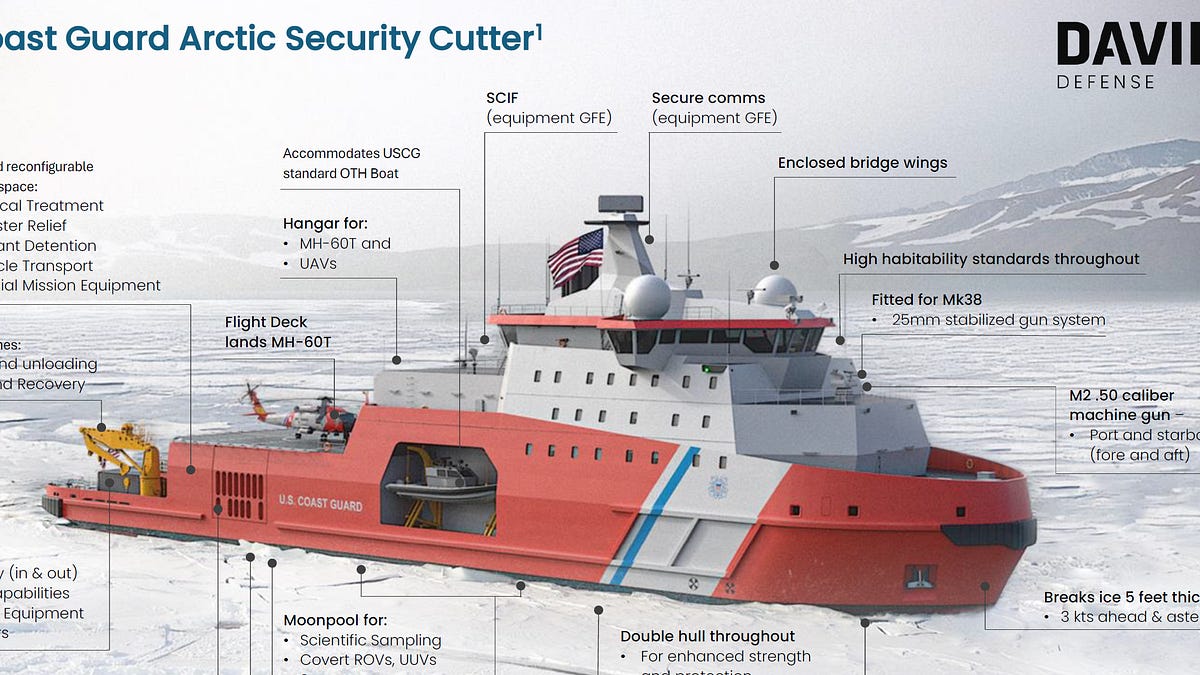
I think it's the other way around.are these USCG icebreakers going to be the basis for our medium program icebreakers?


I think it's the other way around.are these USCG icebreakers going to be the basis for our medium program icebreakers?
seems likely that they are all derivativesI think it's the other way around.
 sixtydegreesnorth.substack.com
 sixtydegreesnorth.substack.com
 finance.yahoo.com

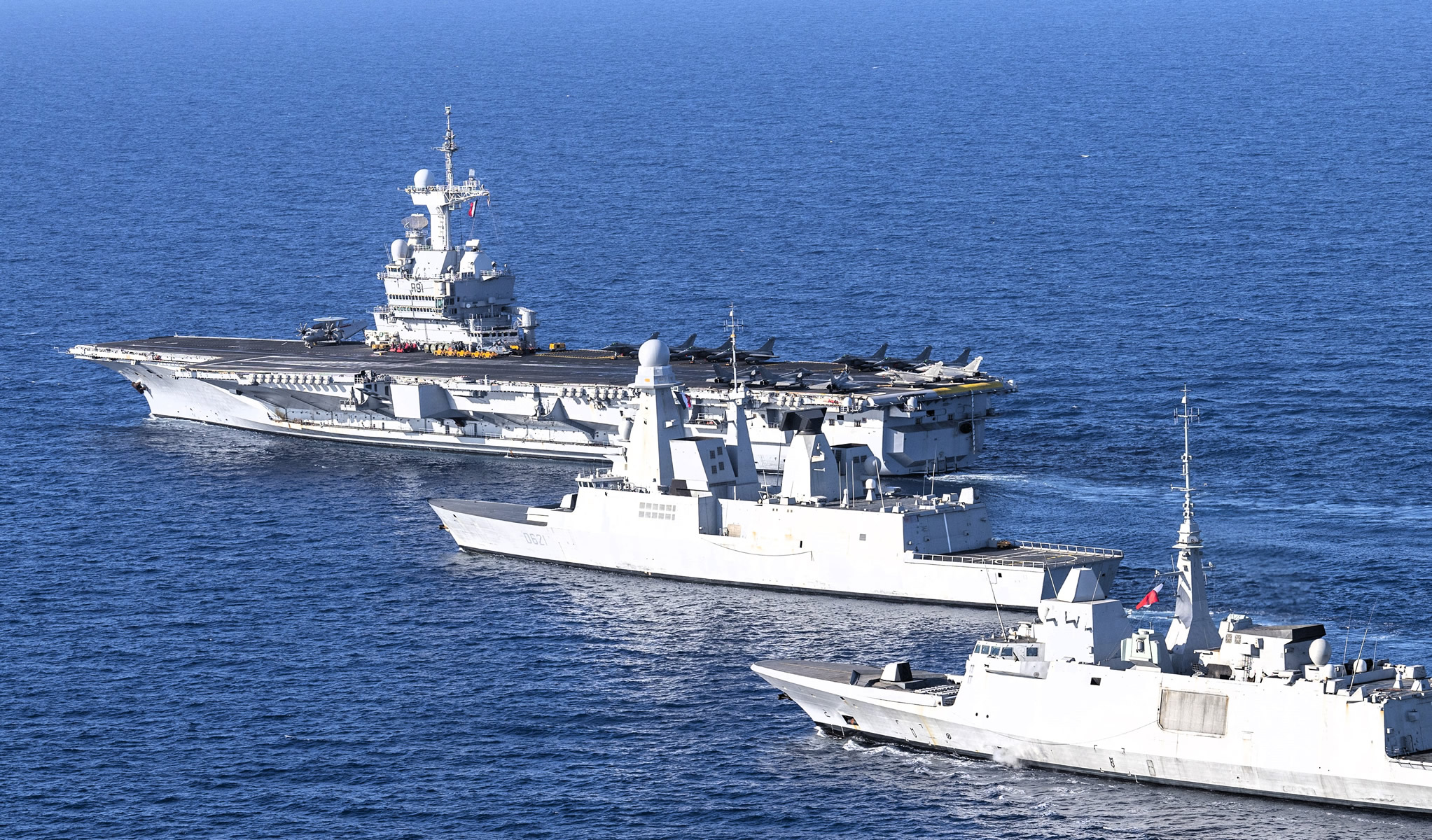
What . . . did they weld two blocks together with the pointy end facing in and not notice?Meanwhile across the pond, oops...

Navy’s new frigates hit by setback after being built in wrong order
Work on a fleet of new Royal Navy warships has suffered a setback after two of them were assembled incorrectly.


 www.navalnews.com
 www.naval-technology.com
Hopefully the Scots have learned those lessons and are a Laptop away for on the site guidance for the Irving workforceNot how it works.
There are some sophisticated software programs out there to manage work-order in large projects, but they ultimately rely on human input, at least at the beginning in the building of the management plan, and errors can occur or one discovers after the fact that a step was missed, or two things should have occurred in a different order to maintain work flow, etc. That's one reason, amongst others, why first of class take more time to build, as you are learning all of those errors or work-flow corrections that improve production. It's also why efficiency of production and cost reductions occur on and on with each new vessel being built to the same plans.
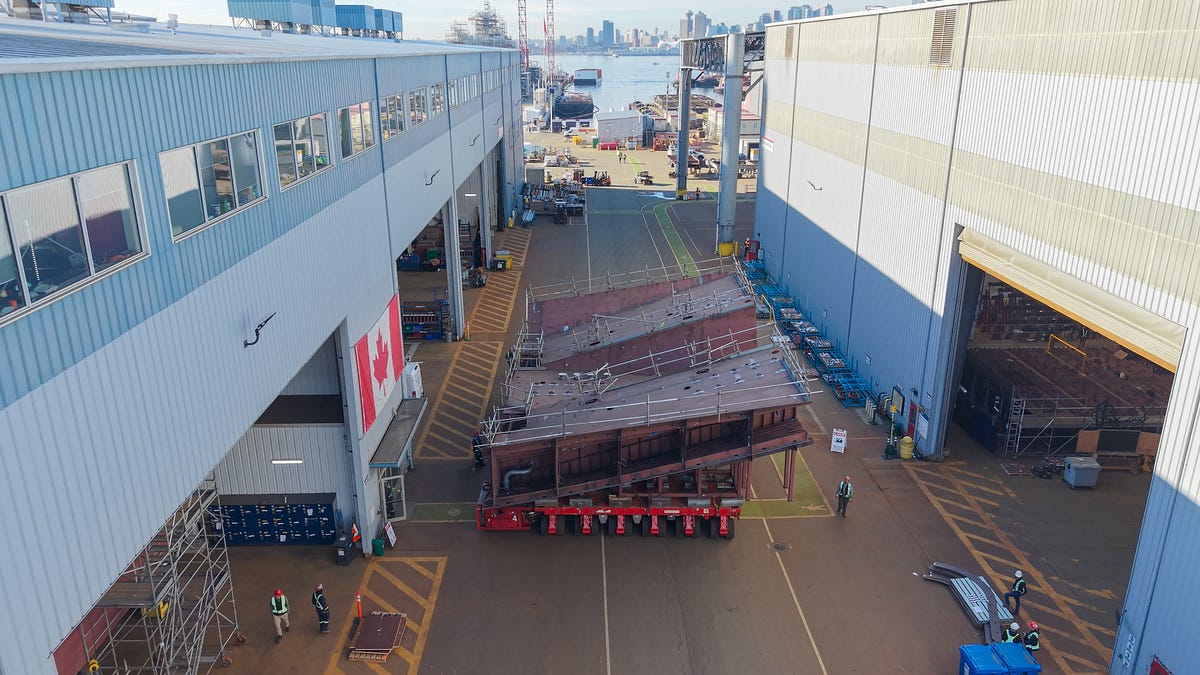
 www.truenorthstrategicreview.ca
Also see this article for details on the March 1982 fire:Interesting, I never heard about this event, just saw a mention of it in a CCG FB page
This harrowing account describes a major engine room explosion and fire in the late 1970s or early 1980s involving the Canadian Coast Guard Ship (CCGS) Louis S. St-Laurent. [1]
A breakdown of the event details mentioned in your story:
- The Incident: A severe onboard explosion caused a massive fireball that completely gutted the bridge and upper decks. The blast incinerated electrical wiring, which instantly disabled primary steering, bridge controls, and radios.
- The Response: The engineers displayed immense bravery, manually steering the vessel and maneuvering the propeller shafts locally from the engine room.
- The Rescue: CCGS Labrador (a fellow icebreaker) was monitoring the ship via radio from over the horizon. When the ship lost contact and they saw the smoke, they diverted to investigate, eventually evacuating all non-essential crew members off the Louis.
- The Casualties: Tragically, a crew member succumbed to the fireball’s direct impact, with the intense heat melting their uniform. [1, 2]

 www.upi.com
 maritime-executive.com
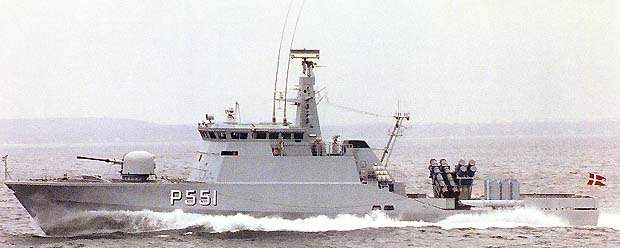
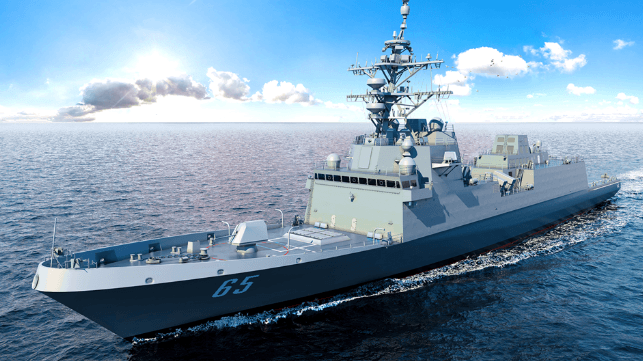
Can you not simply decide upon a standardized hull that will endure for several cycles with only minor changes thus eliminating at least some of the cost of re-tooling. I know that much of the expense is in filling the shell but if the shell was a constant it would simplify matters. You would know exactly how much space you have to work with and design accordinglyLost in the Small Surface Combatant Wilderness
Between January 13 and 15, the 38th Annual Surface Navy Symposium convened in Crystal City, Virginia, offering a detailed look at the state of the sur...
At base, I feel, this author is representing the mindset that got the navies of the world into the problem he claims to wish to solve.
It seems to me that he is searching for a perfect universal solution at some indefinite time in the future.
The alternate plan, in my opinion, is to build for the moment with the technologies immediately to hand and with the present's tasks and threats in mind. That suggests continuous improvement and adaptation through constantly fielding new platforms in smaller batches.
Rather than trying to forecast a design that will meet the needs of the nation 50 years down the line with a view to having a hundred identical hulls build more flights with shorter shelf-lives and turn them over faster.
Sell them after 10 years on the water or re-role them to lesser duties.

 www.marinelog.com
they are investing 850 million in Canada of which we are supplying over half. Where did all this money come from? Us as well?I await Davies PR team to announce they are working to make Trump Battleship idea a reality
Davie Defense was also honored to host Battleship Texas for a special salute during the groundbreaking event. An enduring symbol of American sea power, the ship served 34 years in the U.S. Navy, including five WWII campaigns, after being commissioned in 1914. Now under renovation at Gulf Copper, Battleship Texas will continue to receive in-kind support from the shipyard as the Battleship Texas Foundation transforms her into a modern, world-class museum.
Davie Defense breaks ground on $1B Gulf Copper shipyards modernization
Helping Maritime Professionals Make Informed Decisions

I await Davies PR team to announce they are working to make Trump Battleship idea a reality
Davie Defense was also honored to host Battleship Texas for a special salute during the groundbreaking event. An enduring symbol of American sea power, the ship served 34 years in the U.S. Navy, including five WWII campaigns, after being commissioned in 1914. Now under renovation at Gulf Copper, Battleship Texas will continue to receive in-kind support from the shipyard as the Battleship Texas Foundation transforms her into a modern, world-class museum.
Davie Defense breaks ground on $1B Gulf Copper shipyards modernization
Helping Maritime Professionals Make Informed Decisions

 splash247.com
Davie on time and on budget .....isn't this one of the signs of the apocalypse ?
update on Davie's Polar icebreaker
Define, on time, on budget and domestically built......Davie on time and on budget .....isn't this one of the signs of the apocalypse ?


