• Thanks for stopping by. Logging in to a registered account will remove all generic ads. Please reach out with any questions or concerns.

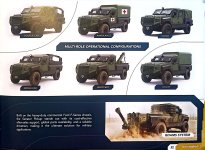
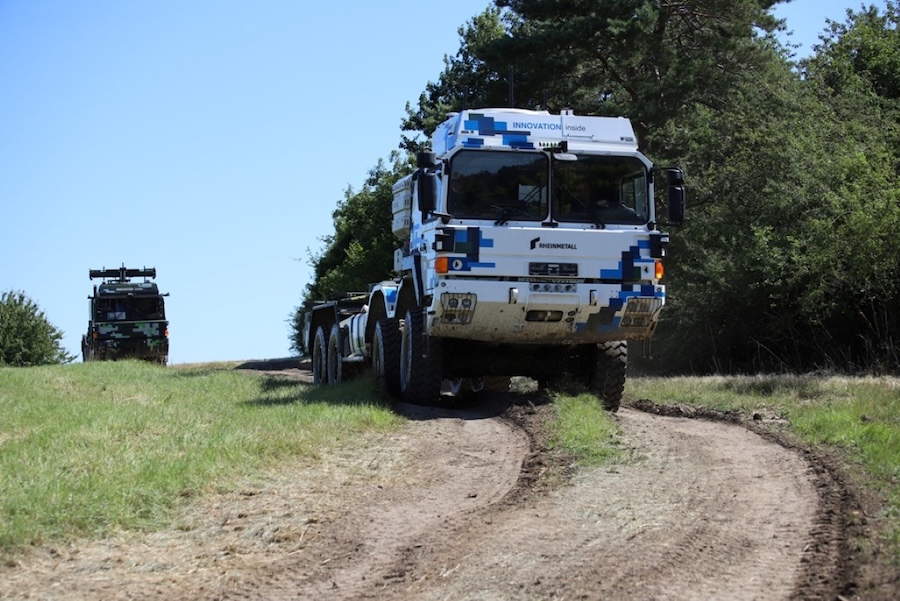
Logistic Vehicle Modernization Project - Replacing everything from LUVW to SHLVW

I will disagree, we need those 20 month trained apprentices as vehicles and systems get more complex, particularly if hybrid vehicles become more common. A lot of our woes (across the CAF) comes from the fact that we lost the abilty to make our own parts and lost the expertise not only to replace a part, but to understand why it repeatedly fails and how to correct that. The 20 month program would only be the beginning and after that they need to stay updated by taking short courses on new or unique systems.
We were able to keep a couple of trucks from being grounded, because we made friends with a USNG unit in the same lines that had a mobile machine shop and made up some bits for us for some beers. That is the level of field support we will need.
 
I will disagree, we need those 20 month trained apprentices as vehicles and systems get more complex, particularly if hybrid vehicles become more common. A lot of our woes (across the CAF) comes from the fact that we lost the abilty to make our own parts and lost the expertise not only to replace a part, but to understand why it repeatedly fails and how to correct that. The 20 month program would only be the beginning and after that they need to stay updated by taking short courses on new or unique systems.
We were able to keep a couple of trucks from being grounded, because we made friends with a USNG unit in the same lines that had a mobile machine shop and made up some bits for us for some beers. That is the level of field support we will need.

I think thst level your talking about, ie third line maintenance, is a job for contractors. If a part is repeatedly failing thats an engineering issue that gets into contracting and the LCMM.

We have far to few techs, we need to generate them more rapidly and more efficiently. A 20 month program means our techs are getting to be productive at unit with a year left on their contract, or we increase their contracts to 5-7 years and see the follow on effect of that for recruiting.
 
This thread is far off it's subject of replacing truck fleets, but ...

The CAF has been making things work with too little of equipment that is too old and worn out, and the CAF has been doing it for so long that people perceive their improvisations as being what right looks like. The CA is buying new vehicle fleets and it must ensure those fleets are reliable and maintainable at the tactical level in a warfighting context.

If you are a battalion or a brigade, and you are rebuilding engines to keep your fleets operational then you are not war fighting. Easy, fast, and simple parts changing is what needs to happen in the war fighting units and formations. And if your vehicle fleets are reliable, durable, and maintainable with parts swapping for warfighting, then those vehicle fleets will be reliable, available, and maintainable via parts swapping even in unit lines back home.

A PRes Plattalion or Tregiment of 50 pers should not be squandering its limited human capital into exquisite skill-sets unrelated to its assigned mission task so that the unit can locally rebuild engines and other major sub-assemblies. Not only should it be unnecessary to support a fleet that is reliable, available, maintainable, and durable - but doing so also teaches lessons / muscle-memory in relation to combat maintenance.

I think thst level your talking about, ie third line maintenance, is a job for contractors. If a part is repeatedly failing thats an engineering issue that gets into contracting and the LCMM.

We have far to few techs, we need to generate them more rapidly and more efficiently. A 20 month program means our techs are getting to be productive at unit with a year left on their contract, or we increase their contracts to 5-7 years and see the follow on effect of that for recruiting.
The UK (and I think specifically the British Army) did a study in the past few years which determined a whole lot of goods & services, which NATO armies assumed they would get from contractors during war, will not be available to contract in a time of war ... sort of like we are seeing with many types of munitions today. The sudden spike in demand will exceed industry capacity. While I don't believe a manoeuvre unit, brigade, nor even division should be doing such levels of maintenance, I think CA (or CJFC) should maybe possess a deployable theatre level capability.

We were able to keep a couple of trucks from being grounded, because we made friends with a USNG unit in the same lines that had a mobile machine shop and made up some bits for us for some beers. That is the level of field support we will need.
This story lacks so much details, it's not even a good anecdote to make an argument. Who is "we"? Where & when was this? Why were you struggling to keep trucks from being grounded? What was the USNG unit and what was it battlefield role?

 
Last edited:
This thread is far off it's subject of replacing truck fleets, but ...

The CAF has been making things work with too little of equipment that is too old and worn out, and the CAF has been doing it for so long that people perceive their improvisations as being what right looks like. The CA is buying new vehicle fleets and it must ensure those fleets are reliable and maintainable at the tactical level in a warfighting context.

If you are a battalion or a brigade, and you are rebuilding engines to keep your fleets operational then you are not war fighting. Easy, fast, and simple parts changing is what needs to happen in the war fighting units and formations. And if your vehicle fleets are reliable, durable, and maintainable with parts swapping for warfighting, then those vehicle fleets will be reliable, available, and maintainable via parts swapping even in unit lines back home.

A PRes Plattalion or Tregiment of 50 pers should not be squandering its limited human capital into exquisite skill-sets unrelated to its assigned mission task so that the unit can locally rebuild engines and other major sub-assemblies. Not only should it be unnecessary to support a fleet that is reliable, available, maintainable, and durable - but doing so also teaches lessons / muscle-memory in relation to combat maintenance.


The UK (and I think specifically the British Army) did a study in the past few years which determined a whole lot of things, which NATO armies assumed they would get from contractors during war, will not be available to contract in a time of war ... sort of like we are seeing with many types of munitions today. The sudden spike in demand will exceed industry capacity. While I don't believe a manoeuvre unit, brigade, nor even division should be doing such levels of maintenance, I think CA (or CJFC) should maybe possess a deployable theatre level capability.


This story lacks so much details, it's not even a good anecdote to make an argument. Who is "we"? Where & when was this? Why were you struggling to keep trucks from being grounded? What was the USNG unit and what was it battlefield role?

I think the Russians are doing an excellent job of illustrating your point.

They can neither repair nor replace losses fast enough, on the field or in the factory. It is easier to destroy than build.

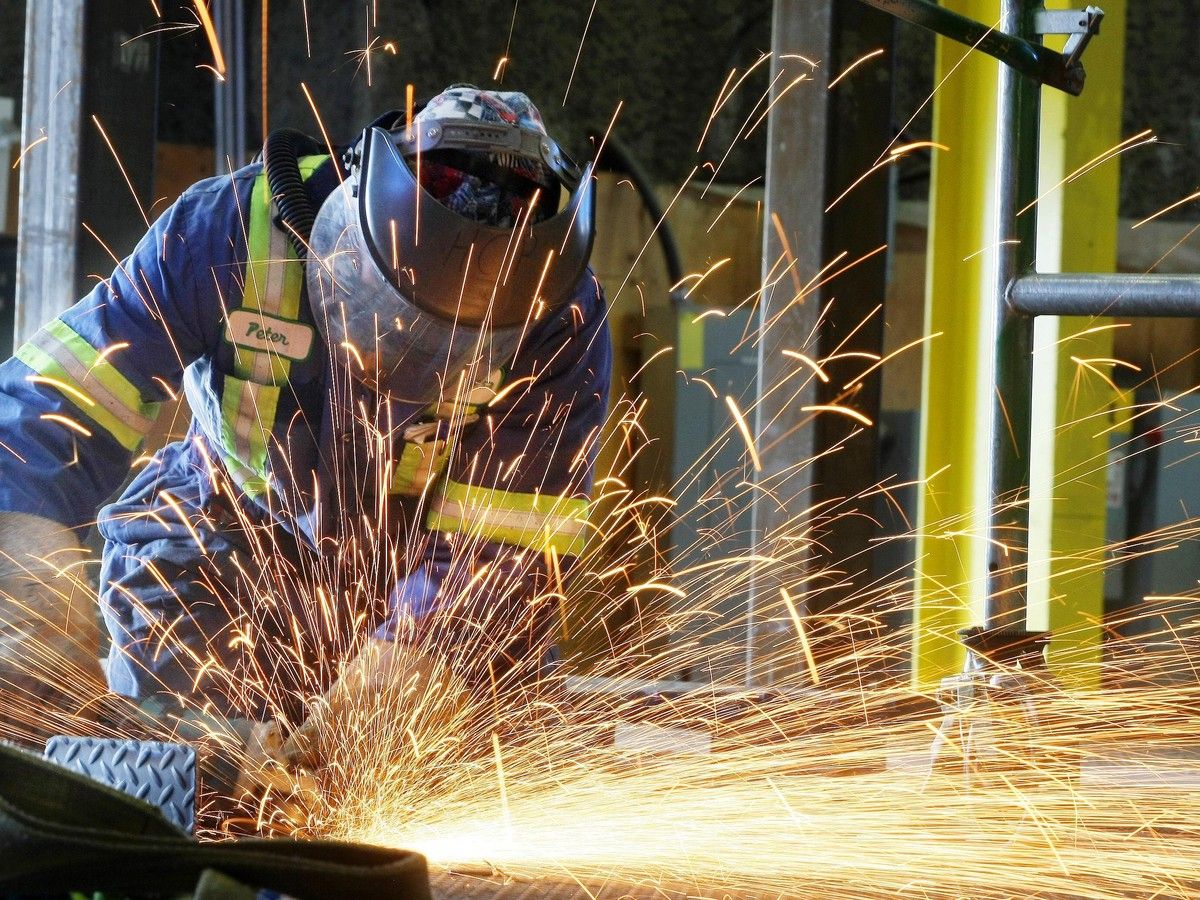
The video with Mike Rowe made a similar point. Shortages of welders for ships in the realm of 400,000.
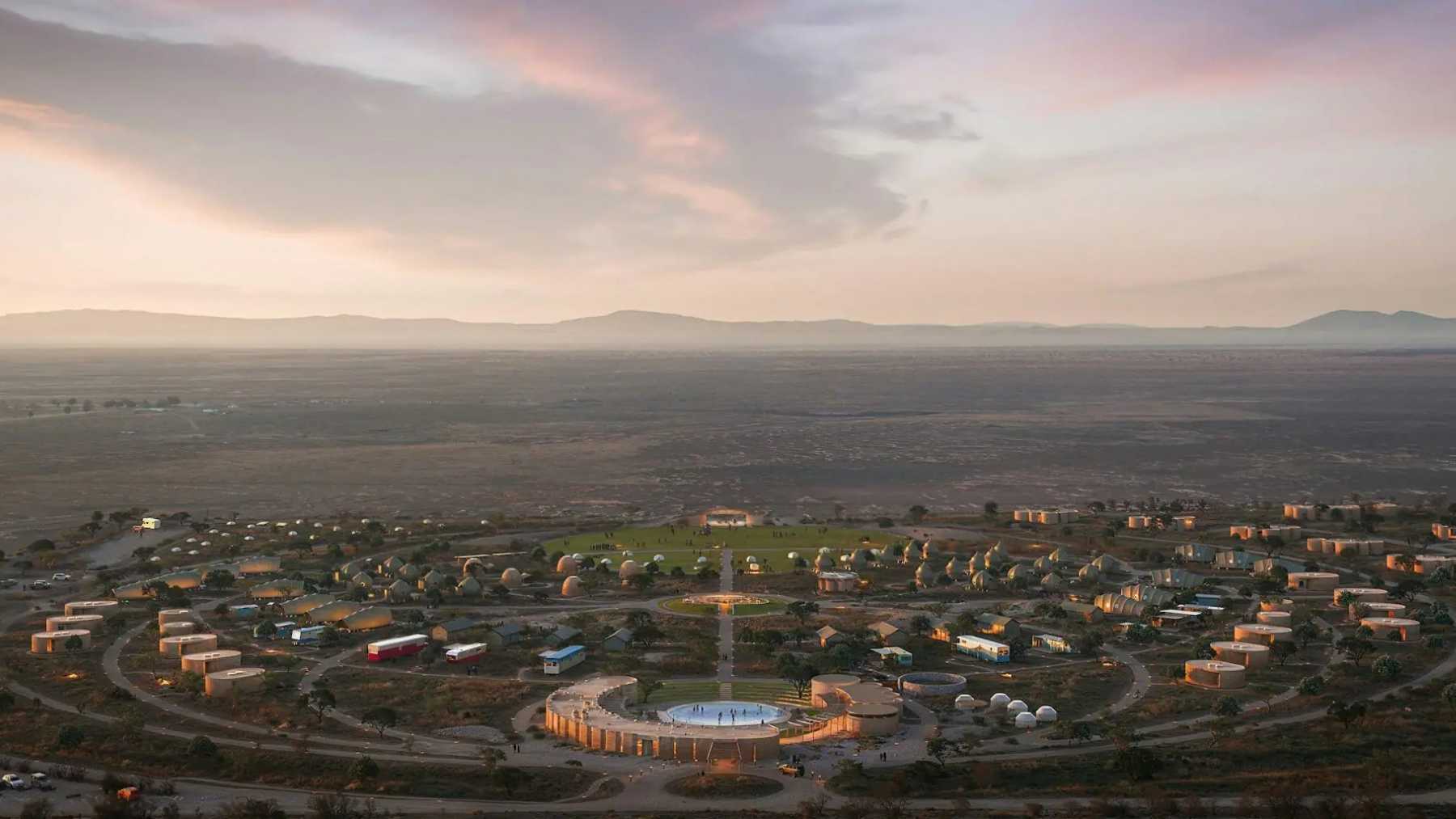
Similar shortages of electricians for AI Datacentres. Shortages of construction workers to build new homes in Canada. Shortages of sailors for ships. Shortages of soldiers for the front lines all over.

We keep proposing solutions that require bodies that aren't there.

Currently we are using people to create things for the people at the coalface which deprives us of the people at the coalface.

We could be using more machines to make the machines for the people at the coalface and expand the coslface with those new people.
 
The CAF has been making things work with too little of equipment that is too old and worn out, and the CAF has been doing it for so long that people perceive their improvisations as being what right looks like
Agree 100% with everything you say and will just add one thing; PRes units of under 450 people simply shouldn't exist at all. I don't care if 4 "battalions" each contribute one full company to an aggregated unit, but these organizations must be staffed with all the same personnel (albeit mostly reservist) that they are expected to mobilize with.

Whether CSS is a line battalion CSS company or a forward support company hived off from a brigade service battalion is immaterial. I prefer the latter as its easier to train and administer in peacetime. We also need additional division and theatre-level CSS units.

My rule of thumb for CSS - like everything else - is that if a given position is needed every day in peacetime then make it a RegF full-time position; if it is only needed in the event of a crisis then make it a mobilizable part-time PRes position. Maintaining PRes equipment in peacetime is a full-time job - clearly requiring fewer people than in a similar RegF unit. Part-time PRes CSS personnel should not be used to maintain equipment but to train to maintain equipment in a crisis (which might incidentally involve doing some part-time maintenance as part of that training).

🍻
 
I think the Russians are doing an excellent job of illustrating your point.

They can neither repair nor replace losses fast enough, on the field or in the factory. It is easier to destroy than build.

The video with Mike Rowe made a similar point. Shortages of welders for ships in the realm of 400,000.
Similar shortages of electricians for AI Datacentres. Shortages of construction workers to build new homes in Canada. Shortages of sailors for ships. Shortages of soldiers for the front lines all over.

We keep proposing solutions that require bodies that aren't there.

Currently we are using people to create things for the people at the coalface which deprives us of the people at the coalface.

We could be using more machines to make the machines for the people at the coalface and expand the coslface with those new people.
Did you hear him talk about the wages Electricians at the AI Data Centre in El Paso were making when he toured it?
Unreal!!
 
Back
Top